Issue · Labor & Employment

Labor & Employment

Every labor & employment bill, vote, and legislator stance in Arizona, automatically classified by Maddy, our AI policy reader.

Total bills
136
57th Legislature - Second Regular Session
Top supporter
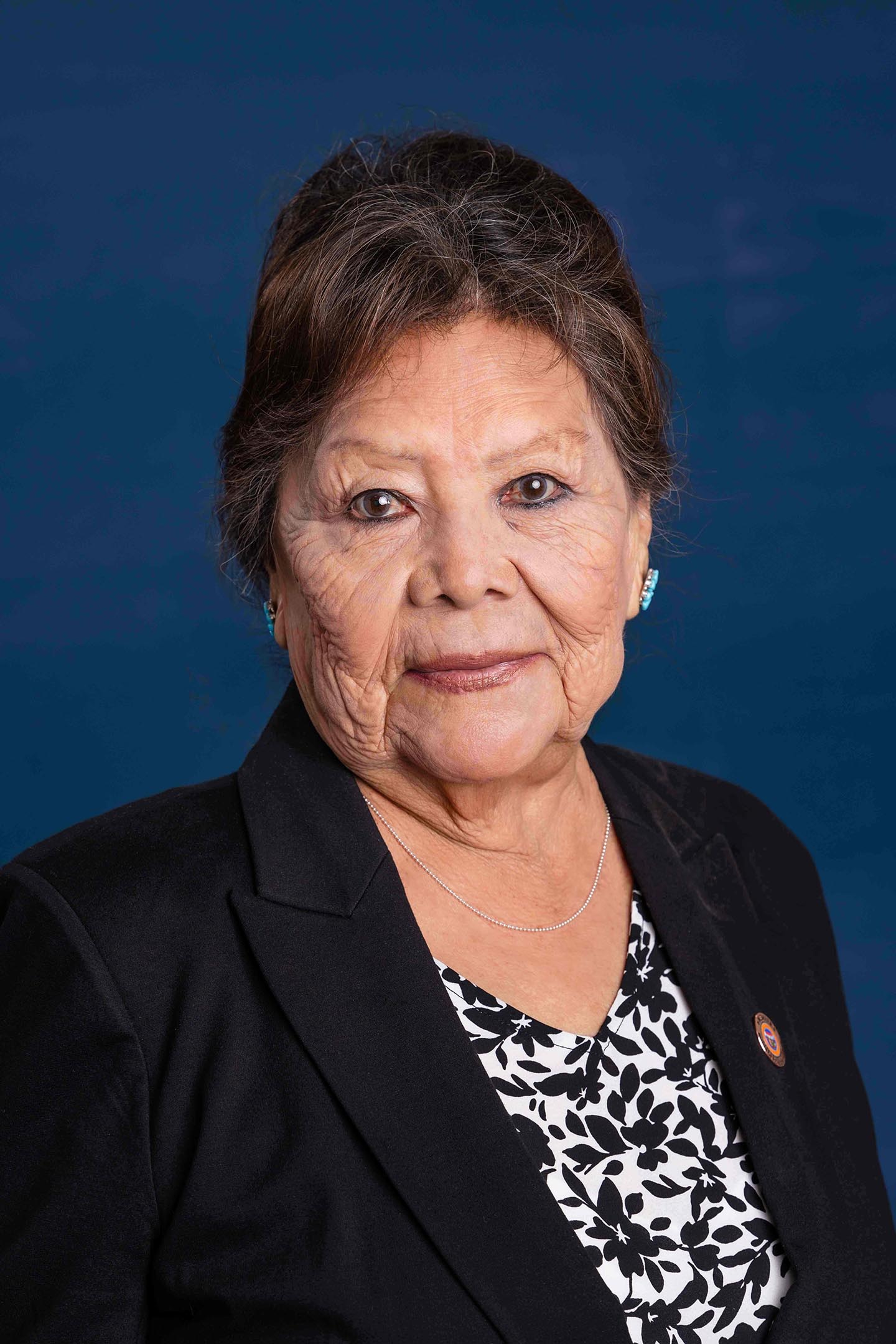
Mae Peshlakai
100% support rate
Top opponent
Michael Way
5% support rate
Ranked legislators
10
5 support · 5 oppose
Key legislators

Who's moving labor & employment in Arizona

Legislators moving labor & employment in Arizona
Legislator Party Stance Support rate Votes
Mae Peshlakai
Mae Peshlakai House · District 6
D
Strong +
100% 121
Janeen Connolly
Janeen Connolly House · District 8
D
Strong +
100% 135
Nancy Gutierrez
Nancy Gutierrez House · District 18
D
Strong +
100% 123
Aaron Marquez
Aaron Marquez House · District 5
D
Strong +
96% 170
Sarah Liguori
Sarah Liguori House · District 5
D
Strong +
96% 173
Michael Way
Michael Way House · District 15
R
Strong −
5% 161
Justin Olson
Justin Olson House · District 10
R
Strong −
9% 173
Alex Kolodin
Alex Kolodin House · District 3
R
Strong −
9% 170
Laurin Hendrix
Laurin Hendrix House · District 14
R
Strong −
12% 123
Rachel Keshel
Rachel Keshel House · District 17
R
Strong −
13% 169
Showing 121–130 of 136 bills

All labor & employment bills

signed · Arizona · Senate Jun 19, 2026

SB 1135: death benefits; burial costs

This bill increases burial expense coverage under workers' compensation from $10,000 to $15,000 for workers who die on the job. It directly affects surviving family members (spouses, children, dependent parents, or siblings) who were financially reliant on the deceased worker. Key provisions clarify benefit calculations: for example, surviving spouses receive 35% of the deceased's average monthly wage (plus 31.6% for children), children receive benefits until age 18 (or 22 if in school), and dependent parents may receive 25% of the wage. Funeral costs for dependents who die before the benefit period ends are capped at $800. The changes apply to Arizona workers' compensation claims following a work-related death.
introduced · Arizona · Senate Feb 2, 2026

SB 1464: coverage; family and medical leave.

Arizona's SB 1464 creates a state-run family and medical leave insurance program starting in 2029. It provides eligible workers with up to 26 weeks of paid benefits for pregnancy, serious health conditions requiring hospitalization, or 24 weeks for caring for a newborn, family member with a serious health condition, military family leave, or "safe leave" related to domestic violence, sexual violence, abuse, or stalking. To qualify, workers must meet specific wage requirements during their base period (e.g., earning at least $390 per week in a qualifying quarter). Employers must provide at least 12 weeks of leave, with benefits paid biweekly after a claim is filed.
Sub-Topics Paid Leave
signed · Arizona · Senate Jun 19, 2026

SB 1136: workers' compensation; death benefits; remarriage

SB 1136 amends Arizona's workers' compensation law to clarify death benefits for surviving spouses who remarry. It specifies that when a surviving spouse remarries, they receive a lump sum payment equal to two years of benefits instead of benefits simply ending. This change applies to all surviving spouses (with or without children) who lose eligibility due to remarriage, and it also updates provisions for when children become ineligible (at age 18 or 22 if in school), ensuring the surviving spouse's benefits continue as if no children existed. The bill directly affects families of workers who died on the job, particularly those where the surviving spouse remarries. The key mechanism is the mandatory lump sum payment upon remarriage, replacing the prior practice of benefit termination without compensation.
introduced · Arizona · Senate Jan 27, 2026

SB 1324: unlawful employment practices; damages

SB 1324 amends Arizona's process for handling employment discrimination complaints under Section 41-1481 of the Arizona Revised Statutes. It requires complaints to be filed within 180 days of an alleged unlawful employment practice, sets a 60-day timeline for the division to determine "reasonable cause," and specifies that conciliation agreements must waive future lawsuits if the respondent fulfills their promises. If no settlement is reached within 30 days of a "reasonable cause" finding, the division may file a civil suit, or the complainant may file one after 90 days. The bill also establishes expedited court procedures and clarifies when attorney fees may be awarded. This is a procedural update to complaint handling, not a change to discrimination law or damages.
introduced · Arizona · House Jan 27, 2026

HB 2847: DES; unemployment benefits; increase

HB 2847 increases Arizona's maximum weekly unemployment benefit from $240 to $500, effective after June 30, 2022. It also raises the wage deduction threshold from $30 to $160 per week, meaning unemployed workers can earn more before their benefits are reduced. This bill directly affects Arizona residents who qualify for unemployment benefits by allowing them to receive higher payments. The change modifies specific provisions in Arizona Revised Statutes § 23-779 regarding benefit calculations and wage offsets.
Sub-Topics Unemployment
introduced · Arizona · House Jan 29, 2026

HB 2928: working conditions; heat illness; prevention

HB 2928 establishes heat illness prevention standards for employers in high-risk industries like agriculture, construction, landscaping, oil and gas, airport work, and delivery services. It requires employers to provide free drinking water with ice (and electrolytes for work over an hour above 80°F), shade or climate-controlled rest areas within 400 feet of work zones when temperatures exceed 80°F, and paid rest periods (15-45 minutes per hour) based on heat levels. Employers must also monitor workers for heat symptoms, implement emergency response protocols, and hold pre-shift safety meetings for agricultural workers. These rules, to be adopted by Arizona’s Industrial Commission, apply to all indoor and outdoor workplaces in covered industries to protect workers from heat-related health risks.
passed both · Arizona · House Jun 15, 2026

HCR 2040: minimum wage; exception; homeless

HCR 2040 proposes an exception to Arizona's minimum wage law, allowing homeless individuals or those at risk of homelessness to voluntarily choose to accept pay below the state minimum wage. The bill would amend Arizona law (ARS 23-363) to permit such individuals to submit written notice to employers opting out of minimum wage requirements. This exception would apply only to employees who meet the homelessness criteria and must be formally documented by the employee. The measure requires voter approval to become law, as it is structured as a referendum.
Sub-Topics Minimum Wage
passed · Arizona · House Mar 16, 2026

HB 2681: employee merit system; dismissal; appeal

HB 2681 amends Arizona's civil service dismissal procedures to clarify appeal rights for classified state employees. It requires written notice of dismissal/suspension with specific reasons, allows a 10-day appeal window to the commission, and mandates a hearing within 20 days. The bill specifies public hearings unless closed for cause, permits changing hearing officers due to prejudice, and states commission decisions are final. It applies to dismissals/suspensions but excludes budget-related furloughs.
Sub-Topics Public Employees
introduced · Arizona · House Jan 21, 2026

HB 2294: occupational licenses; apprenticeships

HB 2294 requires Arizona's occupational licensing agencies to establish clear pathways for obtaining licenses, certificates, or registrations through approved apprenticeship programs. It mandates that apprenticeships must be approved by the U.S. Department of Labor or Arizona's Department of Economic Security, and that any required examination cannot discriminate against apprenticeship completers versus vocational school graduates. This directly affects individuals seeking occupational licenses (e.g., in construction, healthcare, or trades) and the state agencies that oversee licensing. The law aims to standardize and expand accessible licensing routes while ensuring fair evaluation for all training paths.
Sub-Topics Apprenticeships Professional Licensing Tags Licensing
in committee · Arizona · House Jan 29, 2026

HB 2071: appropriation; Apache Junction; rural development

HB 2071 appropriates $15.5 million from Arizona's state general fund for the city of Apache Junction in fiscal year 2026-2027. The funds are allocated specifically to support a rural small business and workforce hub ($5 million), rural infrastructure revitalization ($6 million), and the development of a rural health and community services facility ($4.5 million). These appropriations directly affect Apache Junction's local government, providing dedicated funding for targeted community development projects. The bill establishes concrete financial support for these three defined purposes without altering existing laws or creating new regulations.
Showing 121 to 130 of 136 bills