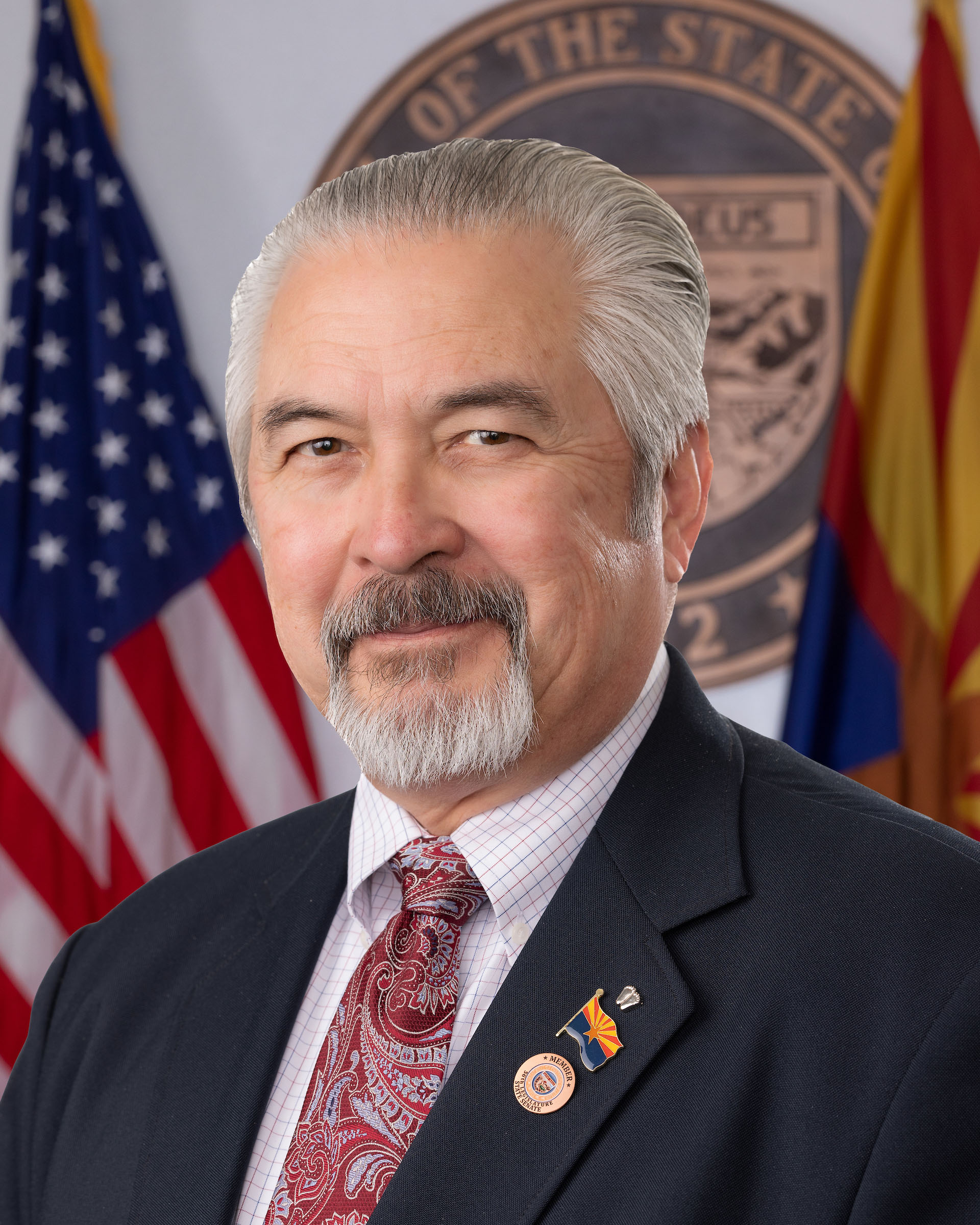
SB 1421 restricts financial services for undocumented immigrants in Arizona. It prohibits banks and check cashers from accepting identification cards issued exclusively to undocumented immigrants or cards marked as not proving legal presence. The bill also bans using an Individual Taxpayer Identification Number (ITIN) as primary ID for loans and requires businesses sending money abroad to verify customers are not undocumented immigrants. These rules apply to all financial institutions, check cashers, and foreign remittance services operating in Arizona.
SB 1520 requires Arizona state agencies to share any requested data with the U.S. government about undocumented immigrants or individuals who overstayed their visas. It directly affects state agencies responsible for collecting such data and individuals in these immigration categories. The law mandates that agencies provide this information upon federal request, overriding other state laws. The requirement expires on December 31, 2028, as specified in the bill's sunset provision.
SB 1511 requires commercial motor vehicle operators in Arizona to present evidence of lawful presence in the U.S. (such as documents listed under Section 41-1080) when stopped by law enforcement. Drivers who cannot show this proof may face vehicle impoundment until related charges are resolved, with the vehicle owner responsible for impoundment fees. The law directly affects commercial drivers operating in Arizona who lack acceptable immigration documentation. It does not create new immigration status requirements but adds enforcement mechanisms for existing federal standards. The bill is currently pending in the Arizona Senate.
SB 1338 requires Arizona state and local agencies administering public benefits to verify applicants' lawful presence in the U.S. by providing one of 11 specific documents (e.g., driver's license, birth certificate, passport, or immigration documents). It directly affects individuals applying for state/local public benefits, mandating a sworn affidavit confirming document accuracy and imposing penalties for employees who fail to report immigration violations. The bill excludes commercial licenses, retirement benefits, and widely available public services from its requirements. Enforcement includes potential misdemeanor charges for non-compliance and allows residents to legally challenge agencies in court for violations.
This Arizona bill requires law enforcement to verify the immigration status of individuals arrested for non-immigration offenses when there is reasonable suspicion they are unlawfully present in the U.S. It mandates checking status via federal systems (per 8 U.S.C. § 1373(c)) before release and immediately notifying ICE if someone is arrested or convicted for a state/local offense while unlawfully present. Individuals presenting valid Arizona driver’s licenses, tribal IDs, or other official government IDs are presumed lawful. The law prohibits race-based profiling and permits sharing immigration status information with federal agencies for specific purposes like public benefits verification.
This proposed constitutional amendment (HCR 2044) would prohibit Arizona state and local governments from granting preferential treatment or discrimination based on race, sex, color, ethnicity, or national origin in public employment, education, or contracting. It specifically bans requiring individuals to endorse race-based policies, spending public funds on offices promoting such policies, or implementing disciplinary actions based on race/ethnicity. The amendment directly affects public schools, universities, government agencies, and contractors operating under state authority. If approved by voters, it would become part of Arizona's Constitution, replacing existing antidiscrimination laws in these specific areas.
SB 1426 amends Arizona law to clarify and expedite eviction procedures for unauthorized occupants in residential properties. It defines "forcible detainer" when someone unlawfully occupies a home without prior agreement, family ties, or legal rights, and requires landlords to provide written demand before seeking eviction. The bill mandates courts to issue immediate writs of restitution (eviction orders) after judgment in these cases, skipping standard wait periods. It directly affects landlords and unauthorized occupants in residential dwellings, excluding current/family tenants or those with existing agreements. The key change is creating a faster legal process for removing unlawful occupants through written demand and expedited court action.
SB 1213 requires Arizona law enforcement to verify the immigration status of individuals arrested for any offense when there is reasonable suspicion they are undocumented, using federal verification methods. It mandates that courts immediately notify U.S. Immigration and Customs Enforcement (ICE) or U.S. Customs and Border Protection (CBP) when an undocumented immigrant is released from jail or fined for a crime. The bill also allows secure transport of undocumented immigrants to federal custody, requiring judicial authorization for transport outside Arizona. Additionally, it presumes lawful presence for individuals presenting Arizona driver's licenses, tribal IDs, or other specified identification.
SB 1157 appropriates $20 million from Arizona's state general fund for fiscal year 2026-2027 to reimburse cities, towns, and counties that install supplemental fencing or bollard walls in high-crossing areas along the southern border. The bill directly affects local governments bordering Mexico by covering costs for physical barriers in areas with frequent border crossings. It provides a specific funding mechanism to support local border security infrastructure projects without creating new regulations. This is a funding measure, not a policy change, focused solely on reimbursing existing or planned border barrier installations.
SB 1156 appropriates $20 million from Arizona's state general fund for fiscal year 2026-2027 to reimburse cities, towns, and counties for costs incurred when holding people in the U.S. without legal permission (referred to as "unauthorized aliens") in short-term detention. This funding directly affects local law enforcement agencies and governments that manage detention facilities. The bill provides a specific reimbursement mechanism for these short-term holds, which typically occur while federal immigration authorities process individuals. It does not change immigration policy or create new detention requirements, only covering existing local costs.