Issue · Healthcare

Healthcare (Insurance)

Every healthcare bill, vote, and legislator stance in Arizona, automatically classified by Maddy, our AI policy reader.

Total bills
40
57th Legislature - Second Regular Session
Top supporter
Janeen Connolly
83% support rate
Top opponent
Rosanna Gabaldón
33% support rate
Ranked legislators
10
5 support · 5 oppose
Key legislators

Who's moving insurance in Arizona

Legislators moving insurance in Arizona
Legislator Party Stance Support rate Decisive votes
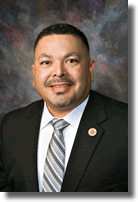
Janeen Connolly
Janeen Connolly House · District 8
D
Strong +
83% 6
Lupe Contreras
Lupe Contreras House · District 22
D
Strong +
83% 6
Kevin Payne
Kevin Payne Senate · District 27
R
Strong +
80% 5
Myron Tsosie
Myron Tsosie House · District 6
D
Support
75% 4
Carine Werner
Carine Werner Senate · District 4
R
Support
71% 7
Rosanna Gabaldón
Rosanna Gabaldón Senate · District 21
D
Oppose
33% 6
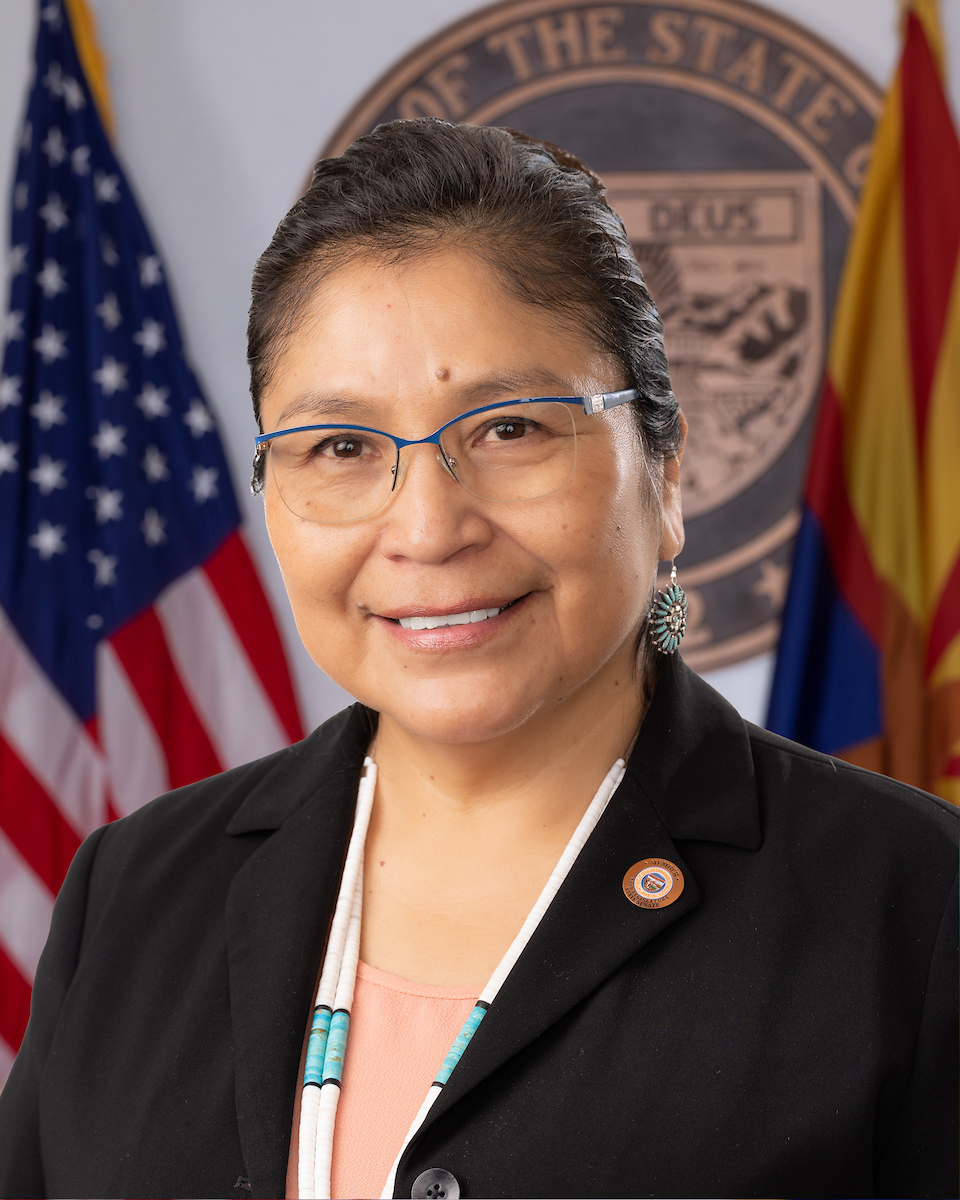
Theresa Hatathlie
Theresa Hatathlie Senate · District 6
D
Oppose
33% 6
Oscar De Los Santos
Oscar De Los Santos House · District 11
D
Oppose
33% 3
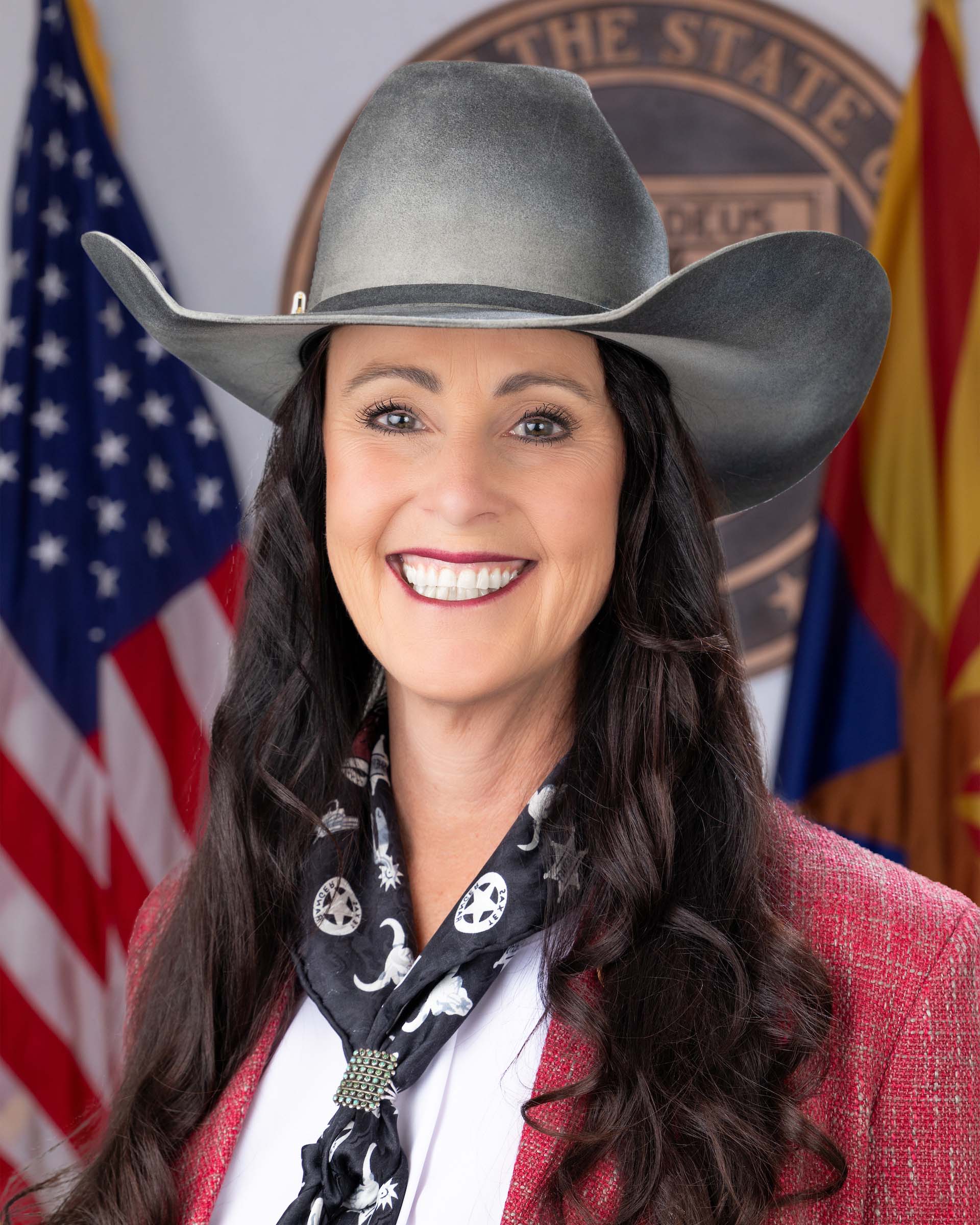
Janae Shamp
Janae Shamp Senate · District 29
R
Oppose
40% 5
Michael Way
Michael Way House · District 15
R
Oppose
40% 5
Showing 21–30 of 40 bills

All healthcare bills

introduced · Arizona · Senate Jan 20, 2026

SB 1159: health insurers; savings incentive program

SB 1159 requires Arizona health insurers to create a program where enrollees who receive medically necessary services at prices below the insurer's usual reimbursement can get 50% of the difference back. The program applies the refund toward the enrollee's deductible and out-of-pocket maximum, or reimburses them via a health savings account (HSA), a 530A account, or cash. This directly affects health insurers and their policyholders who use in-network providers. The bill defines "usual reimbursement" as the amount insurers typically pay for covered services and specifies eligible facilities like hospitals and urgent care centers.
Sub-Topics Insurance
introduced · Arizona · Senate Jan 21, 2026

SB 1228: health insurers; provisional provider credentialing

SB 1228 requires Arizona health insurers to grant provisional credentialing to eligible healthcare providers starting when they receive a complete application. Providers must be state-licensed, already credentialed by a healthcare institution or verification organization, and part of a group with an existing insurer contract. During the 60-day provisional period, insurers must pay claims at the group practice's contracted rates. If credentialing is denied, insurers aren't liable for claims provided during provisional status (except for fraud), and the law applies to applications submitted after December 31, 2026.
signed · Arizona · Senate Jun 19, 2026

SB 1493: disciplinary action; appeal; superior court

SB 1493 amends Arizona law governing payroll deductions for state employees, specifying which deductions are permitted and setting conditions for certain types. It authorizes deductions for health insurance, credit union shares, dues to qualified employee associations (requiring minimum membership levels), and charitable contributions - while prohibiting deductions for organizations providing nonfederally qualified abortions. The bill requires the state to track administrative time spent on processing these deductions and sets membership thresholds for associations to qualify for payroll deduction. It also mandates that the state cover all costs of processing deductions without additional funding or fees to employees.
introduced · Arizona · Senate Feb 3, 2026

SB 1371: commerce authority; qualified facility; definition

SB 1371 creates a new income tax credit program in Arizona for businesses expanding or locating "qualified facilities" (like manufacturing plants) within the state. To qualify, businesses must make new capital investments, create jobs paying at least 125% of the median wage (100% in rural areas), and provide health insurance covering 65% of premiums. The credit equals 10% of qualifying investments, paid as $200,000-$300,000 per new job over five years, with annual limits of $125 million total and $30 million per business. This directly affects qualifying businesses seeking tax incentives for facility investments and job creation in Arizona.
introduced · Arizona · Senate Feb 4, 2026

SB 1607: consumer assistance; health insurance claims

SB 1607 establishes Arizona's Health Care Claims Consumer Assistance Program within the Department of Insurance to help residents navigate insurance disputes. The bill requires insurers to pay double the amount of wrongfully denied claims (plus attorney fees) and imposes civil penalties of at least $25,000 per violation for repeated denials. Insurers must report denial data to the department, and the department will publicly post annual reports detailing denial rates and outcomes for each insurer. These provisions directly affect Arizona consumers with health insurance and health insurers operating in the state, aiming to increase transparency and accountability.
Sub-Topics Insurance
introduced · Arizona · Senate Jan 21, 2026

SB 1191: medicare supplement insurance; ALS; ESRD.

This bill requires Arizona insurers to offer Medicare supplement insurance plans to people under 65 with end-stage renal disease (ESRD) or amyotrophic lateral sclerosis (ALS) on the same terms as those 65 and older, including identical benefits and no higher premiums. It mandates that insurers cannot charge these younger enrollees more for supplemental coverage than they charge 65+ enrollees. The law also creates a special enrollment period (December 2, 2025 - June 1, 2027) for individuals with ESRD or ALS who are enrolled in Medicare Part B due to their condition. These provisions ensure equal access to supplemental insurance for this specific group without age-based premium discrimination.
Sub-Topics Insurance Medicare
passed · Arizona · Senate Mar 24, 2026

SB 1177: public monies; gender transition; prohibition

SB 1177 prohibits Arizona public funds from being used to cover medical procedures related to gender transition, including surgeries or prescriptions for puberty blockers, hormones, or other pharmaceuticals. It defines "gender transition" as per existing law and specifies that "public monies" includes any state funding, reimbursements, or health insurance coverage through state programs. Violating this prohibition by a public official would be deemed a misuse of public funds under Arizona law. The bill directly affects state agencies, health programs, and public employees who manage or distribute state-funded healthcare services.
Sub-Topics Insurance
introduced · Arizona · House Jan 26, 2026

HB 2779: health care; premiums; insurance; dialysis

HB 2779 prohibits outpatient dialysis centers from steering, directing, or advising patients about specific health insurance plans or coverage options. It also requires nonprofit organizations assisting with health insurance premium payments to provide at least 30 days' written notice before discontinuing support, sent to the patient's record address and email. The bill directly affects dialysis patients and nonprofit groups helping with insurance costs in Arizona. Key provisions prevent dialysis centers from influencing insurance choices and mandate advance notice for nonprofits ending premium assistance.
Sub-Topics Insurance
introduced · Arizona · House Jan 21, 2026

HB 2521: eligibility; children's health insurance program

HB 2521 amends Arizona's children's health insurance program (CHIP) eligibility rules by adjusting income thresholds for children under 19. It increases the income limit from 200% of the federal poverty level (FPL) to 225% for fiscal years 2024-2026, then to 300% for all subsequent years. This change directly affects low-income families whose children qualify for CHIP coverage based on household income. The bill updates the legal definition of "member" in the program without altering its structure or administration.
vetoed · Arizona · House Apr 13, 2026

HB 2584: public monies; genetic sequencing; prohibition

HB 2584 amends Arizona law governing state health insurance funding for public employees. It sets monthly spending limits for state-provided health coverage: $500 per individual, $1,200 per married couple (both state employees), or $1,200 per family (one employee spouse). The bill requires the Department of Administration to offer various plan types (including HMOs and indemnity plans) and mandates self-insurance programs include specific protections like grievance procedures and quality standards. It directly affects all full-time state employees and their dependents by defining how public funds can cover their health insurance. The bill does not address genetic sequencing, as suggested by its title.
Sub-Topics Insurance
Showing 21 to 30 of 40 bills
Previous 1 … 2 3 4 Next