Issue · Healthcare

Healthcare (Mental Health)

Every healthcare bill, vote, and legislator stance in Arizona, automatically classified by Maddy, our AI policy reader.

Total bills
46
57th Legislature - Second Regular Session
Top supporter
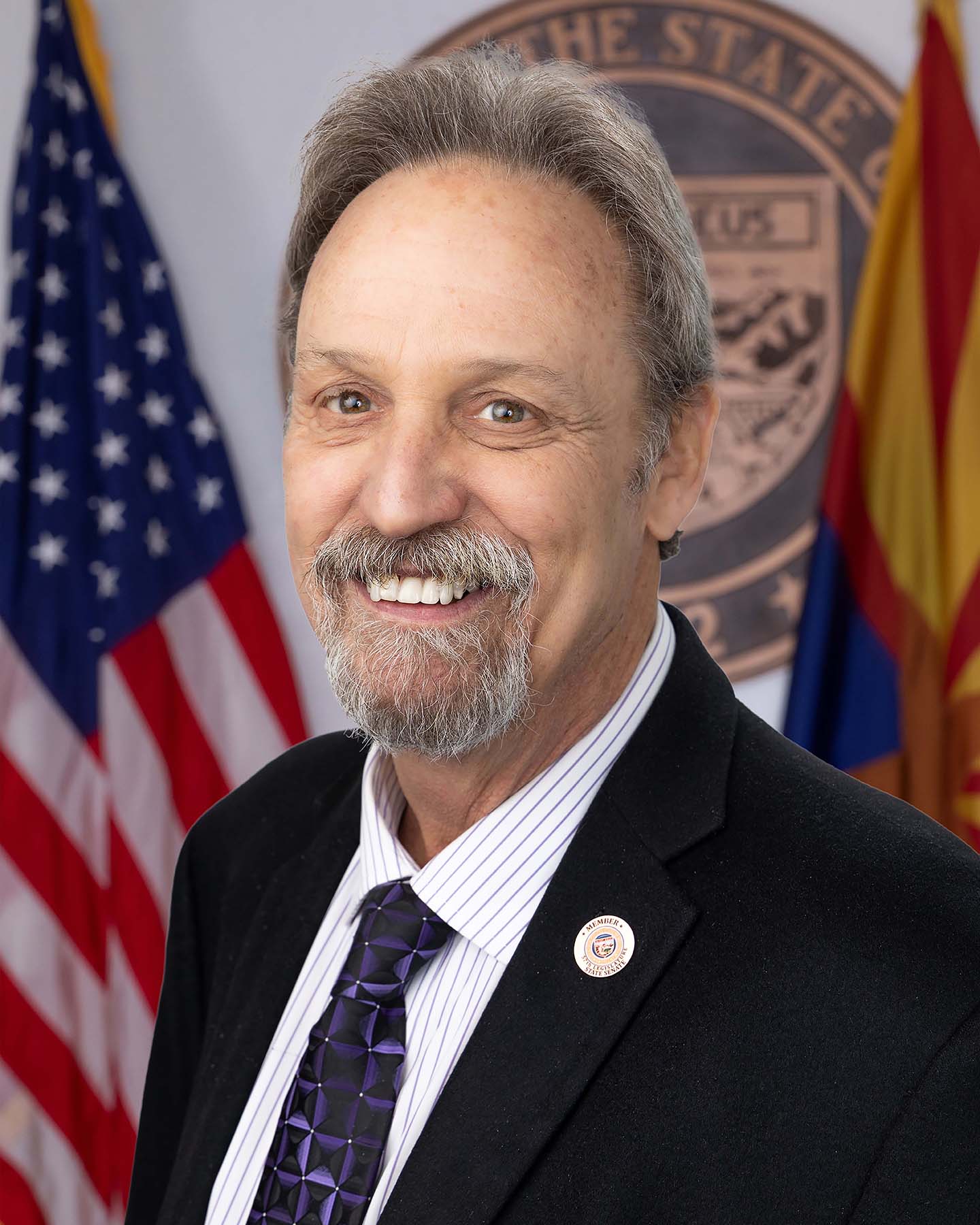
Kevin Payne
100% support rate
Top opponent
Priya Sundareshan
14% support rate
Ranked legislators
10
5 support · 5 oppose
Key legislators

Who's moving mental health in Arizona

Legislators moving mental health in Arizona
Legislator Party Stance Support rate Decisive votes
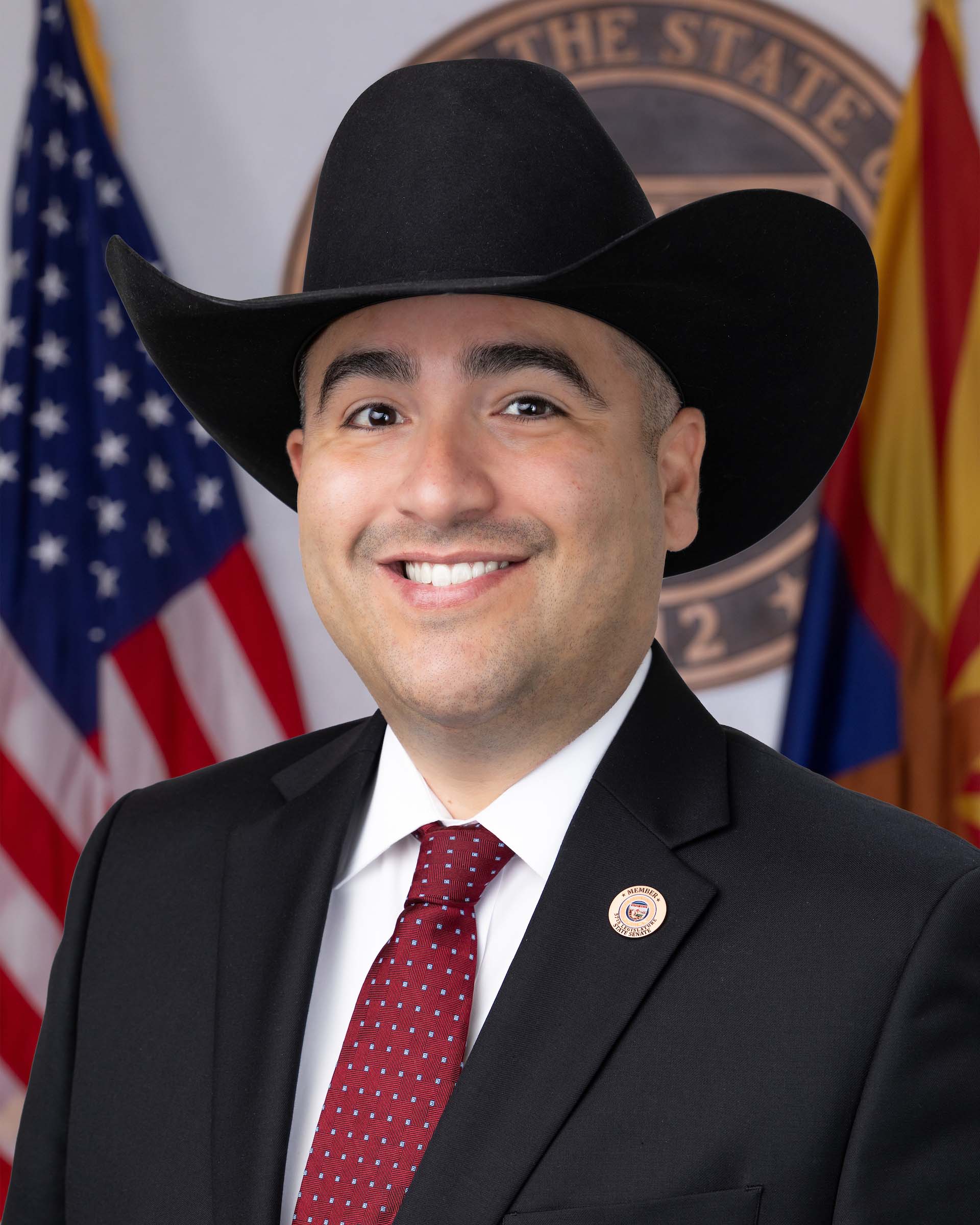
Kevin Payne
Kevin Payne Senate · District 27
R
Strong +
100% 15
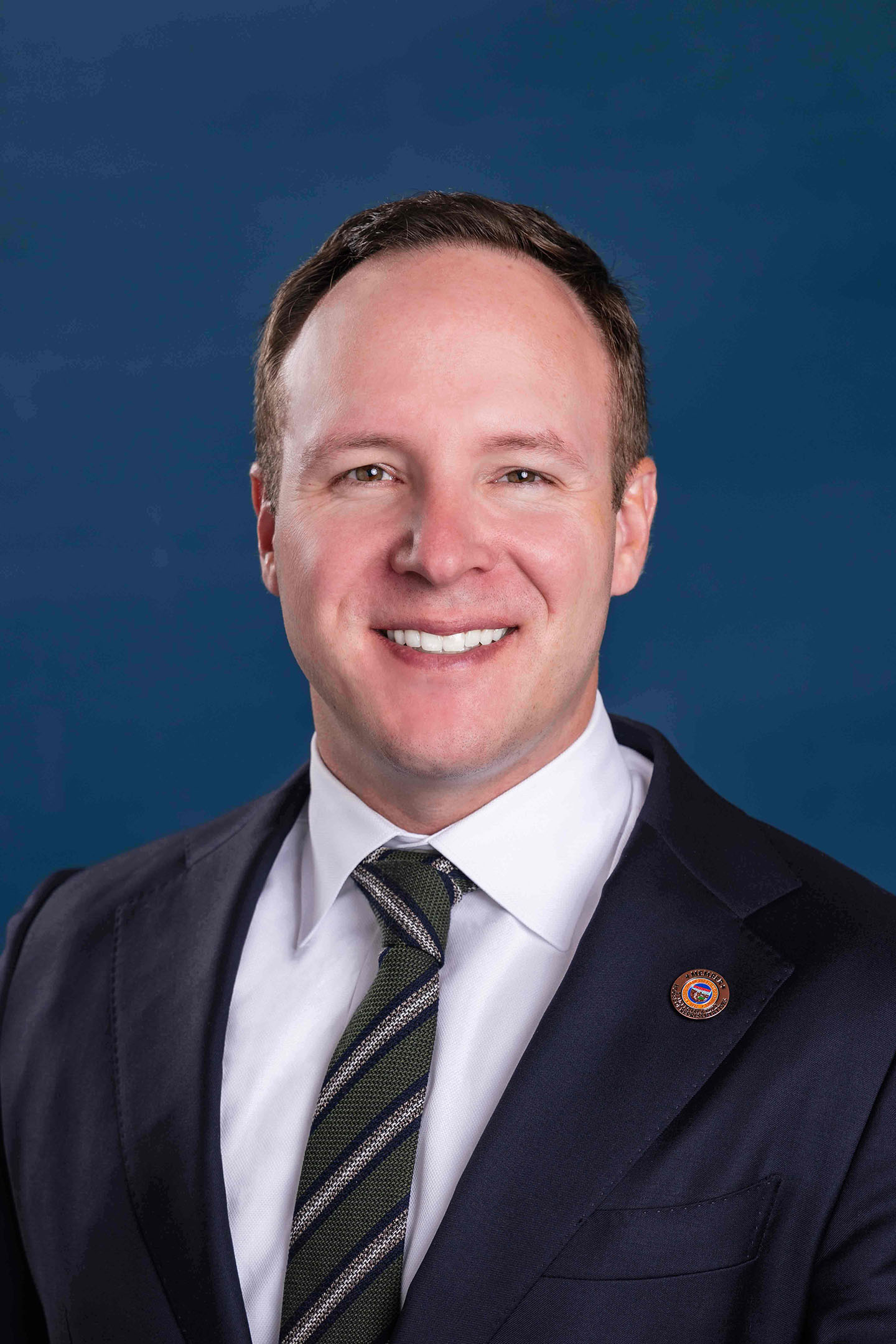
Matt Gress
Matt Gress House · District 4
R
Strong +
100% 9
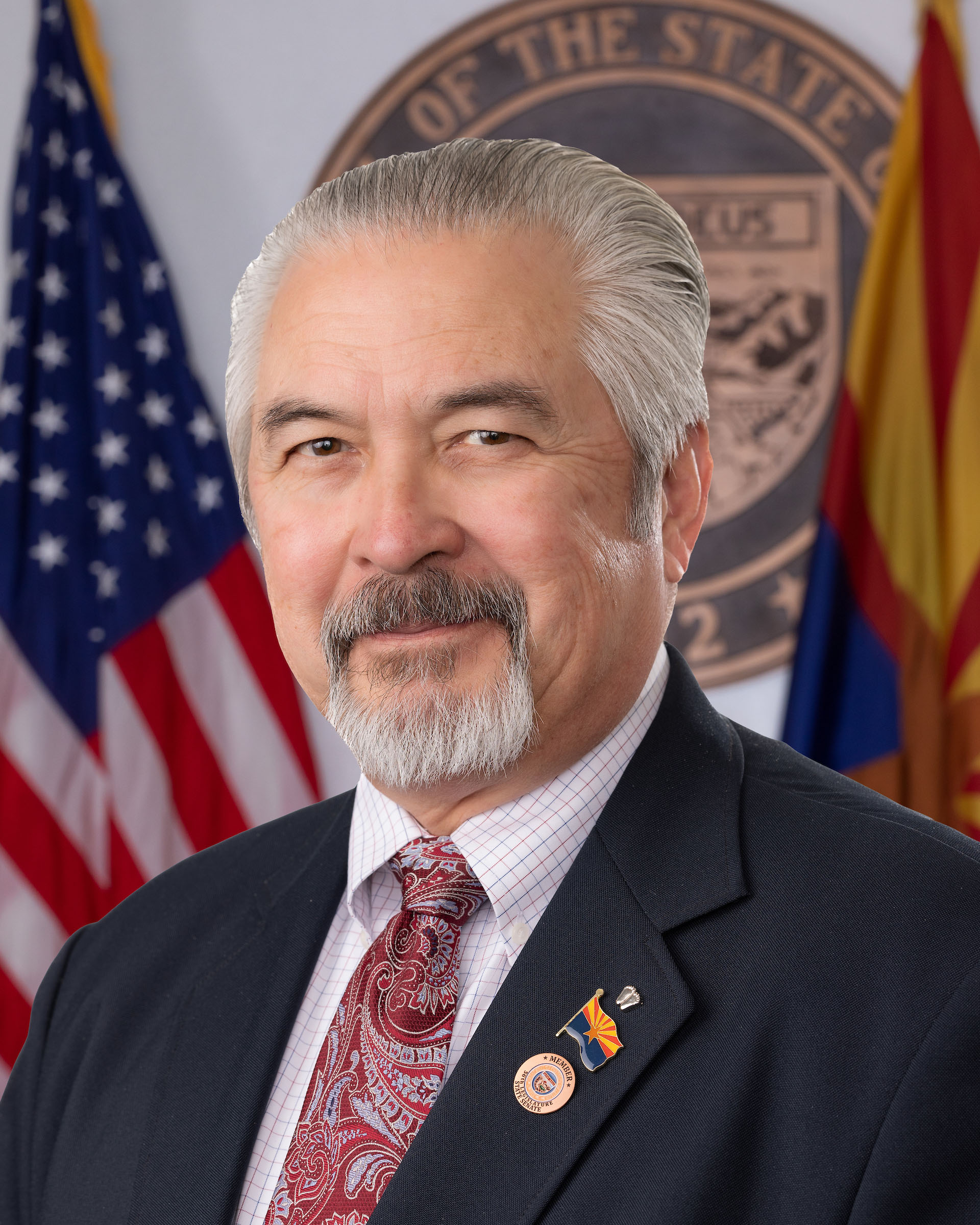
Frank Carroll
Frank Carroll Senate · District 28
R
Strong +
94% 16
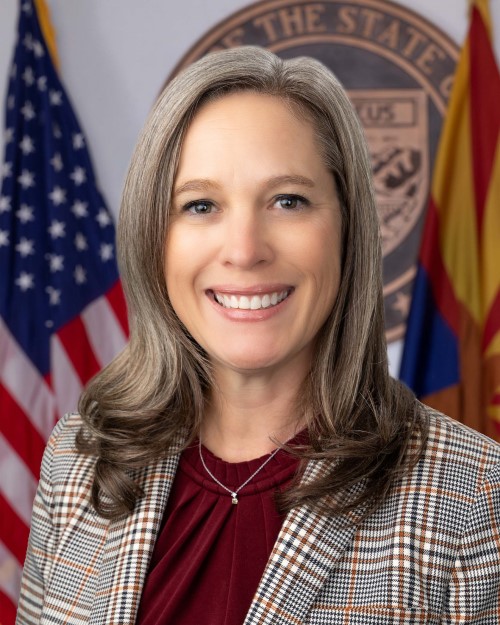
Shawnna Bolick
Shawnna Bolick Senate · District 2
R
Strong +
94% 16
T.J. Shope
T.J. Shope Senate · District 16
R
Strong +
94% 16
Priya Sundareshan
Priya Sundareshan Senate · District 18
D
Strong −
14% 14
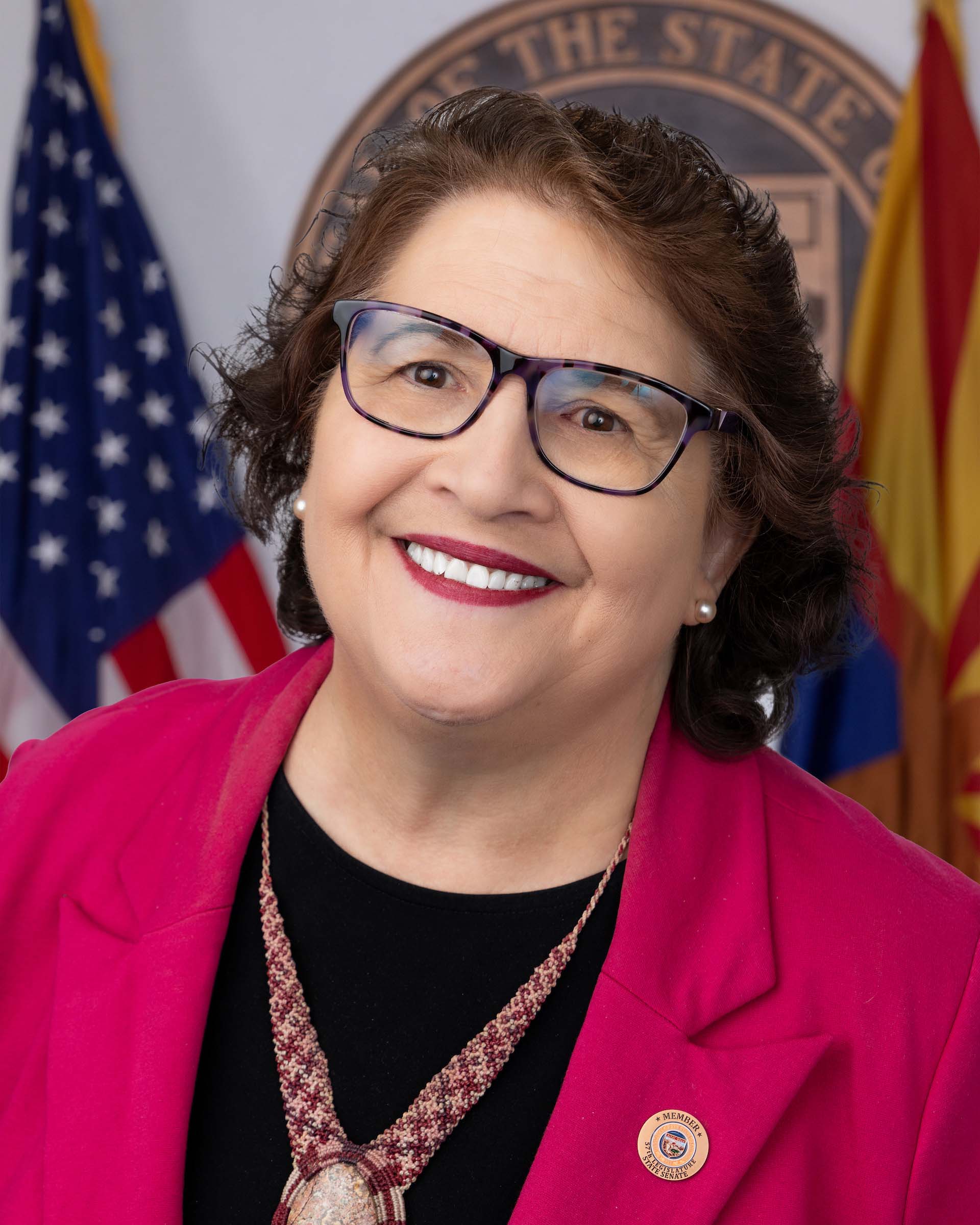
Mitzi Epstein
Mitzi Epstein Senate · District 12
D
Strong −
19% 16
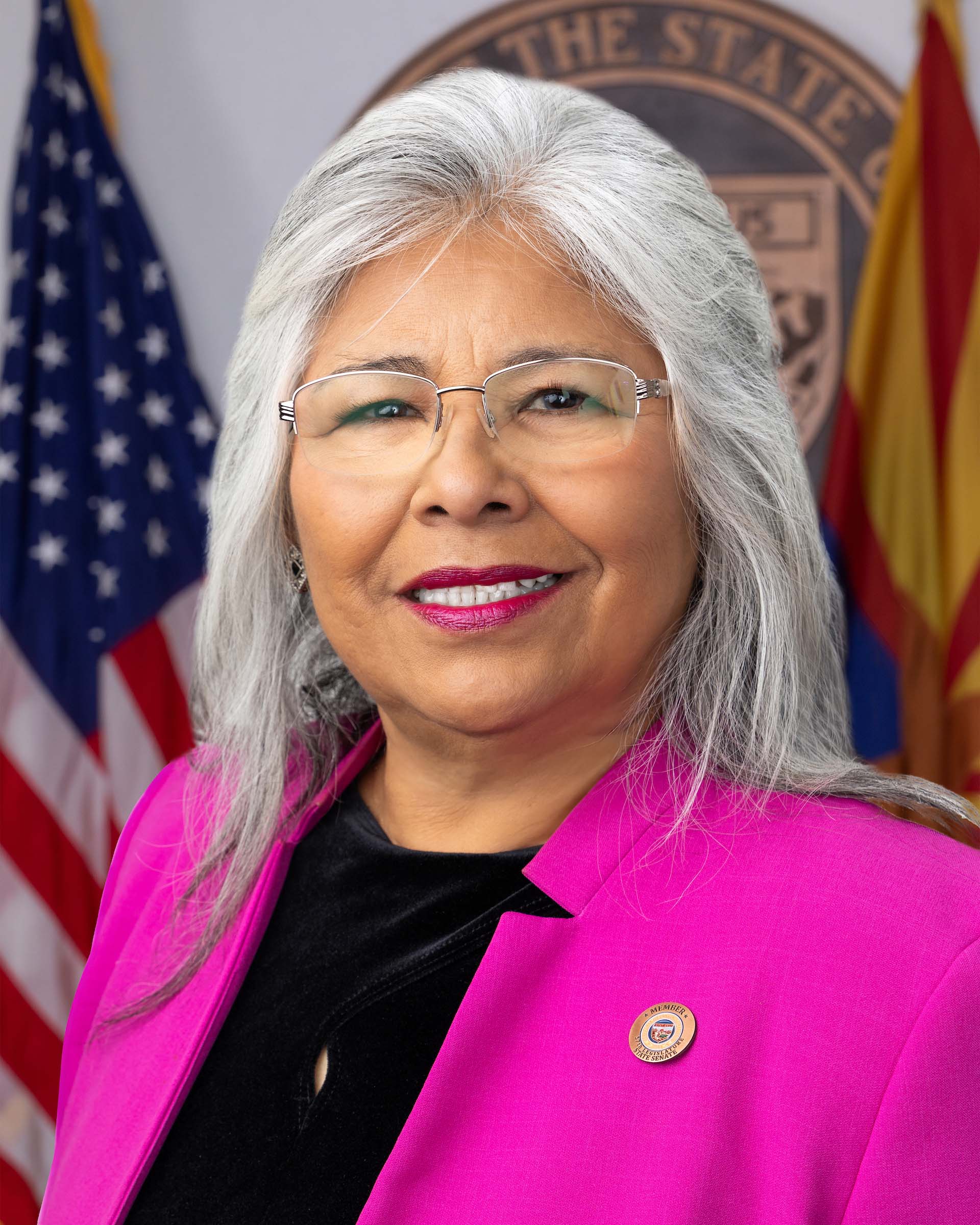
Rosanna Gabaldón
Rosanna Gabaldón Senate · District 21
D
Oppose
31% 13
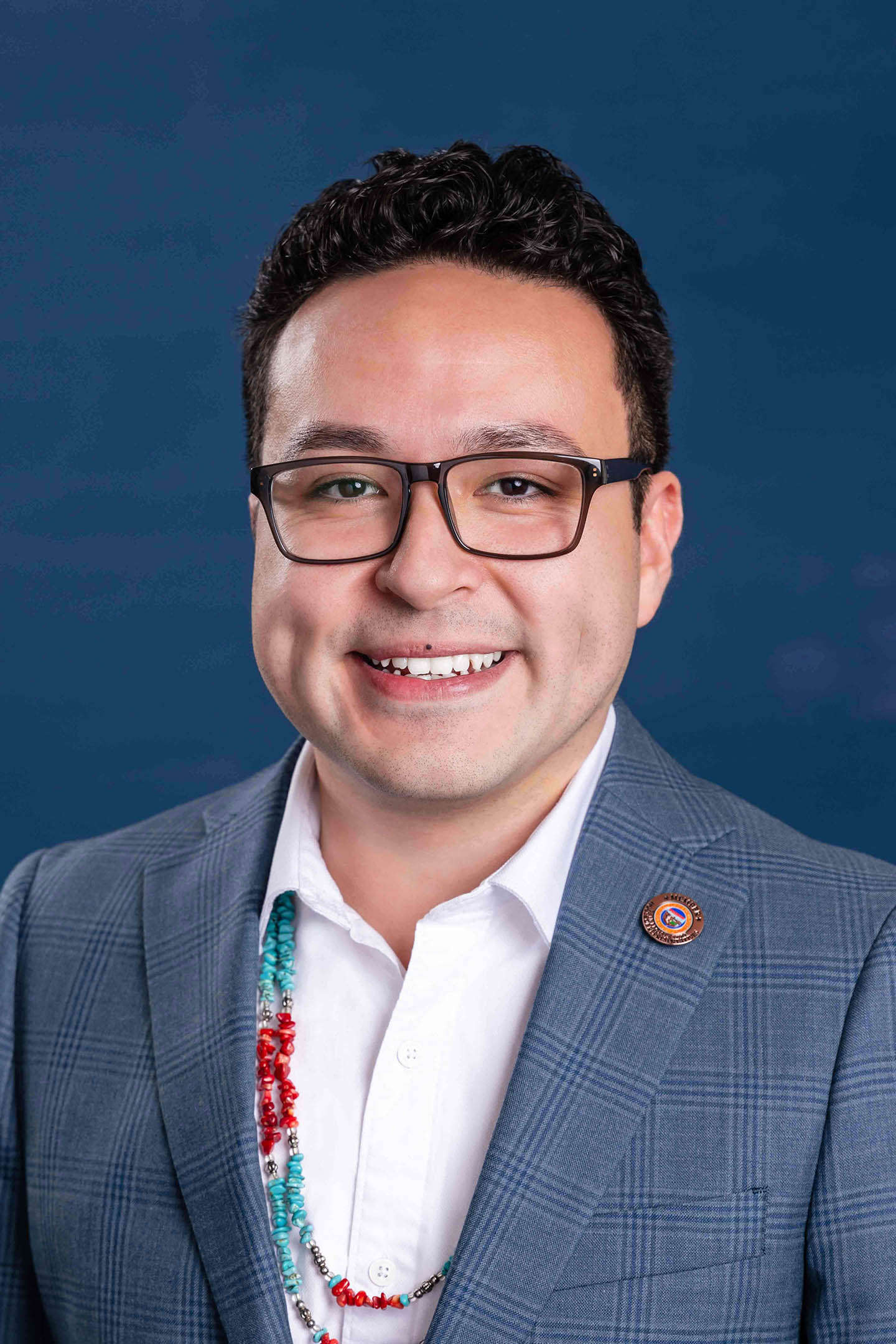
Sally Gonzales
Sally Gonzales Senate · District 20
D
Oppose
31% 16
Brian Garcia
Brian Garcia House · District 8
D
Oppose
33% 9
Showing 11–20 of 46 bills

All healthcare bills

passed · Arizona · Senate Mar 23, 2026

SB 1672: AHCCCS; antipsychotic drugs; authorization

This bill (SB 1672) modifies Arizona's Medicaid program (AHCCCS) to change how coverage is provided for prescription antipsychotic drugs. It directly affects AHCCCS members aged 18+ with a serious mental illness diagnosis who need FDA-approved antipsychotic medications. The key provision prevents prior authorization delays for these drugs, except when a step therapy protocol requires documented failure to respond to two distinct antipsychotics. This protocol must be processed electronically in real-time and considers two paid claims for different preferred antipsychotics as meeting the step therapy requirement. The bill applies only to evidence-based antipsychotic drugs and does not affect generic drug use or necessary safety reviews.
Sub-Topics Medicaid Mental Health
passed · Arizona · Senate Mar 16, 2026

SB 1179: group home monitoring program; continuation

SB 1179 extends Arizona’s developmental disabilities group home monitoring program to continue monitoring group homes serving residents with complex needs (defined as those with dual psychiatric and developmental disabilities causing disruptive or harmful behaviors). Starting January 2026, a designated advocacy entity will conduct in-person checks to verify residents receive their care plans, including medication, behavioral support, and dietary needs, while ensuring staff competency and family involvement. The program requires monthly reports to the state department, quarterly department responses, and annual reviews by legislators to assess quality of care and determine future funding. This directly affects group homes, residents with complex needs, and the designated advocacy entity conducting the monitoring.
Sub-Topics Mental Health
signed · Arizona · Senate Apr 7, 2026

SB 1216: traumatic event counseling

SB 1216 requires Arizona employers (including state and local governments) to provide up to 12 paid counseling visits for public safety employees exposed to specific traumatic events while on duty, such as witnessing death/maiming, responding to dangerous child crimes, or life-threatening rescues. It excludes police officers and firefighters but covers roles like 911 dispatchers, crime scene technicians, probation officers, and juvenile detention officers. Employers must track participation, missed work, and workers' compensation claims related to the program, reporting annual data to the state. The bill repeals prior laws that set different visit limits (e.g., six visits annually before 2017) and defines "licensed counseling" by specific mental health professional standards.
Sub-Topics Healthcare Workforce Mental Health Tags Public Safety
passed · Arizona · Senate Mar 23, 2026

SB 1628: claims denial; prior authorization; reporting

SB 1628 requires Arizona health insurance companies to annually report detailed data on claims denials to the state department by July 1, starting in 2027. This includes the total number of denied claims, top denied services (like medical procedures or mental health care), and reasons for denials. The state department must then compile this data into a public report by October 31, making it accessible online for at least three years. The bill aims to increase transparency around insurance practices affecting healthcare providers and patients, without changing how insurers process claims directly.
signed · Arizona · House Jun 4, 2026

HB 2923: court-ordered treatment; judicial review

HB 2923 amends Arizona law to establish clearer court oversight for inpatient mental health treatment of incapacitated persons under guardianship. It requires courts to authorize guardians to consent to such treatment only after clear evidence (supported by a mental health expert) that the person is likely to need inpatient care, and mandates that courts limit treatment to the least restrictive option for the shortest necessary duration. Key provisions include requiring facilities to assess placement every 30 days, notifying the ward’s attorney within 48 hours of admission, and allowing the attorney to request a court hearing within 3 days if placement seems inappropriate. The bill also ensures the ward’s attorney can access all treatment records and must review reports if guardians seek continued authority to consent to inpatient care.
introduced · Arizona · House Jan 22, 2026

HB 2638: school mental health professionals; academy

HB 2638 creates the Arizona School Mental Health Professionals Academy to address staffing shortages in public schools. It provides graduate students pursuing school psychology, social work, or counseling degrees with scholarships covering tuition and fees (up to three years) at eligible Arizona institutions, in exchange for a one-year service commitment in public schools after graduation. The program prioritizes critical need areas like rural schools, Indian reservation schools, and schools serving students with disabilities. The Arizona Board of Regents manages a dedicated fund for administering the academy, tracking participants, and ensuring graduates fulfill their service obligations in public schools.
introduced · Arizona · Senate Feb 4, 2026

SB 1590: housing trust fund; unclaimed property.

SB 1590 redirects unclaimed property funds to specific trust funds. It requires 55% of these funds to go to Arizona's Housing Trust Fund, with 40% specifically for developing housing in rural areas. Additional allocations include $2 million annually to a fund for seriously mentally ill housing, $2.5 million to the general Housing Trust Fund, and $24.5 million annually to the Department of Revenue's administrative fund. The bill also specifies how other unclaimed property types (like shares, victim restitution, and insurance claims) must be handled and requires public record-keeping of claimant information. This directly affects housing development programs, mental health housing initiatives, and victim assistance funds through mandatory funding shifts.
signed · Arizona · Senate Jun 22, 2026

SB 1630: home; community-based services; mental illness

SB 1630 establishes a new Arizona Medicaid program providing home and community-based services for adults with serious mental illness, replacing institutional care when possible. It sets eligibility based on clinical criteria (like recent hospitalizations, medication complexity, or safety risks) and income limits (300% of federal SSI), with options for a qualified income trust to meet financial requirements. Covered services include personal care, medication management, supervised community living, adult day health, and nonemergency transportation. The program requires federal approval by 2027 and aims to support individuals in community settings while avoiding psychiatric hospital or residential facility placement.
passed · Arizona · Senate Mar 10, 2026

SB 1629: behavioral health; contracts; network adequacy

SB 1629 requires Arizona managed care organizations (MCOs) to submit a detailed network adequacy study to the administration before terminating contracts with "high-volume" behavioral health service providers (those delivering ≥10% of a specific service or employing >10% of licensed providers) without cause. The study must analyze service provider-to-enrollee ratios, appointment wait times, patient volume, impacts on disabled members, and cumulative termination effects, with MCOs providing 90 days' written notice. The administration reviews these studies within 10 business days and must confirm network adequacy standards will be maintained before allowing termination. This bill directly affects MCOs and high-volume behavioral health providers by creating a review process to prevent disruptions in mental health services.
Sub-Topics Mental Health
introduced · Arizona · Senate Jan 27, 2026

SB 1320: children; incarcerated parents task force

SB 1320 establishes a task force to address the needs of children with incarcerated parents in Arizona. The task force, made up of diverse stakeholders including former inmates, adult children of incarcerated parents, state agency directors, and legislators, must ensure these children have specific rights (like safety, being heard in decisions, and maintaining parent relationships) and identify gaps in mental health support. It will track metrics like children served and community partnerships, and partner with faith-based groups to provide support programs. The task force must submit a final report by June 30, 2028, after which the bill expires. This directly affects children in Arizona whose parents are incarcerated.
Sub-Topics Mental Health
Showing 11 to 20 of 46 bills
Previous 1 2 3 … 5 Next