Issue · Environment

Environment

Every environment bill, vote, and legislator stance in Arizona, automatically classified by Maddy, our AI policy reader.

Total bills
138
57th Legislature - Second Regular Session
Top supporter
Flavio Bravo
68% support rate
Top opponent
Anna Abeytia
40% support rate
Ranked legislators
10
5 support · 5 oppose
Key legislators

Who's moving environment in Arizona

Legislators moving environment in Arizona
Legislator Party Stance Support rate Votes
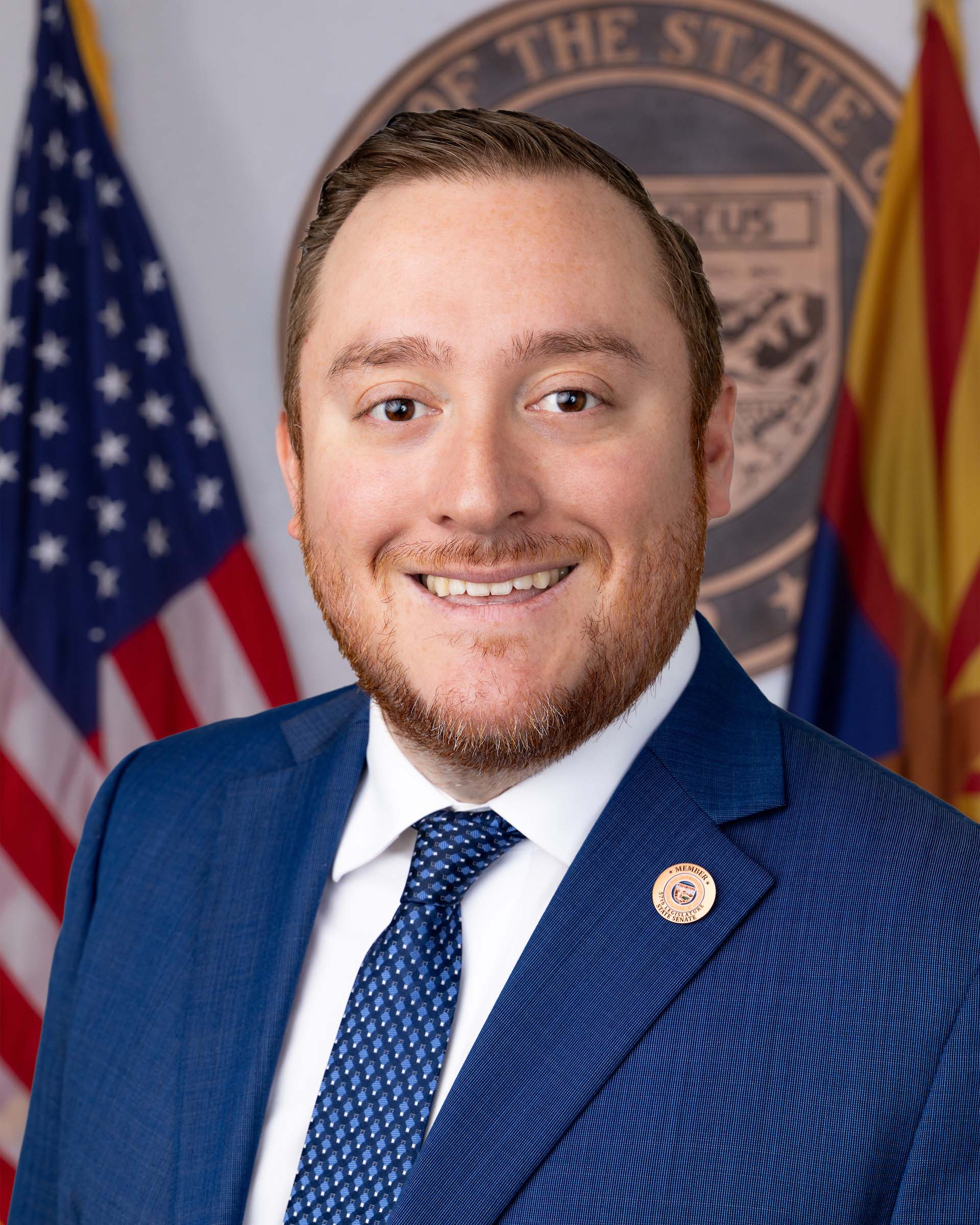
Flavio Bravo
Flavio Bravo Senate · District 26
D
Support
68% 69
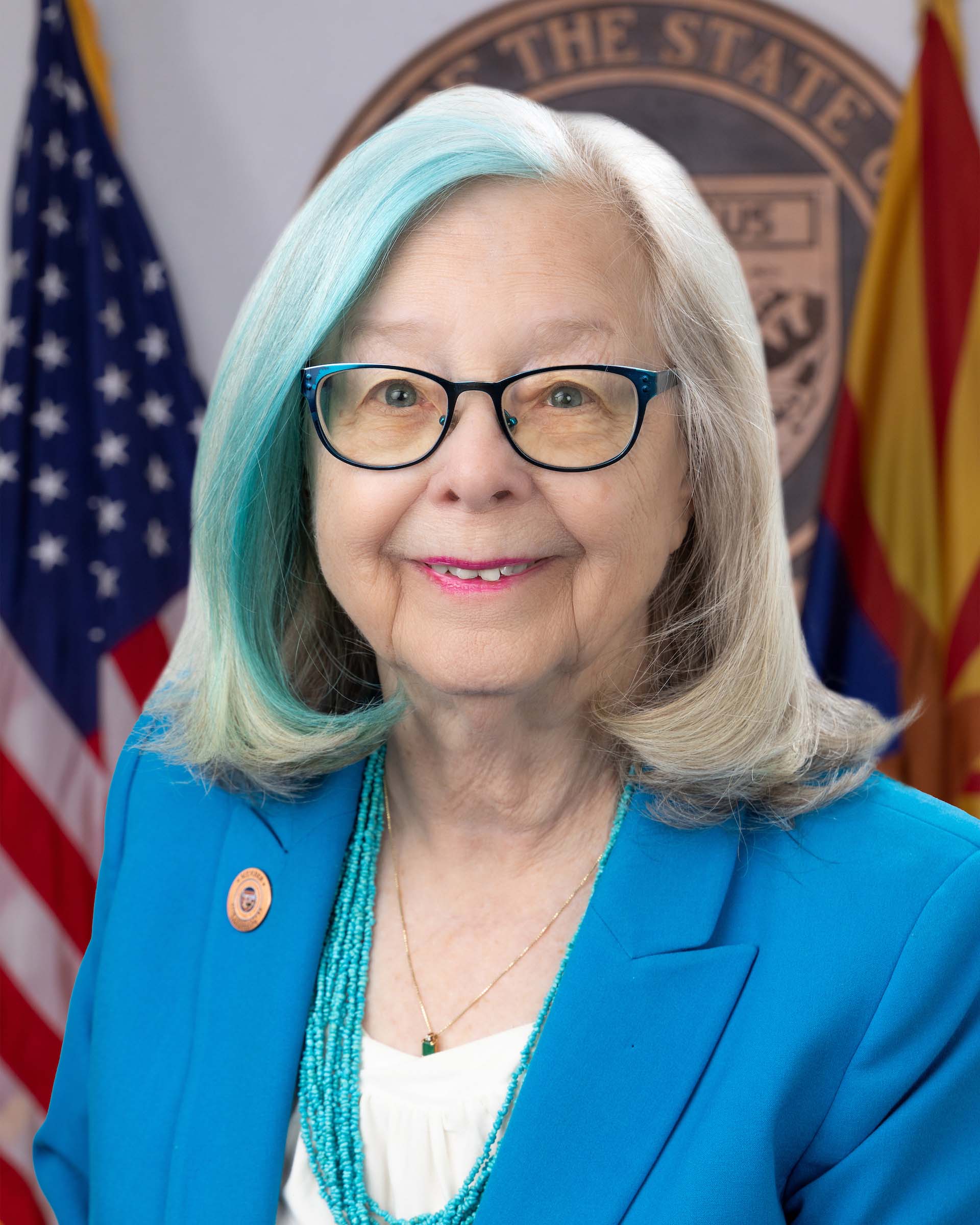
Lela Alston
Lela Alston Senate · District 5
D
Support
64% 84
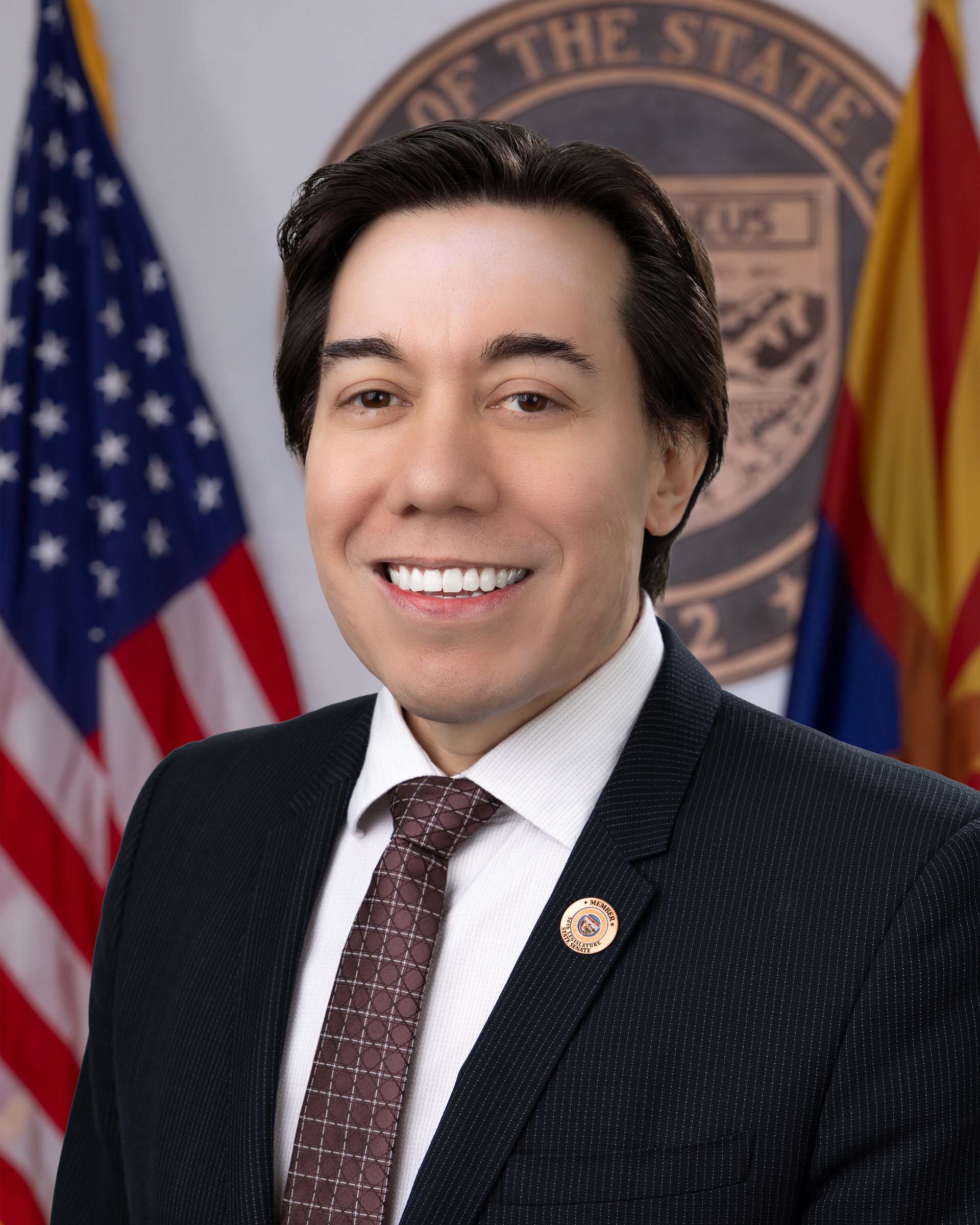
Brian Fernandez
Brian Fernandez Senate · District 23
D
Support
64% 72
Pamela Carter
Pamela Carter House · District 4
R
Support
63% 141
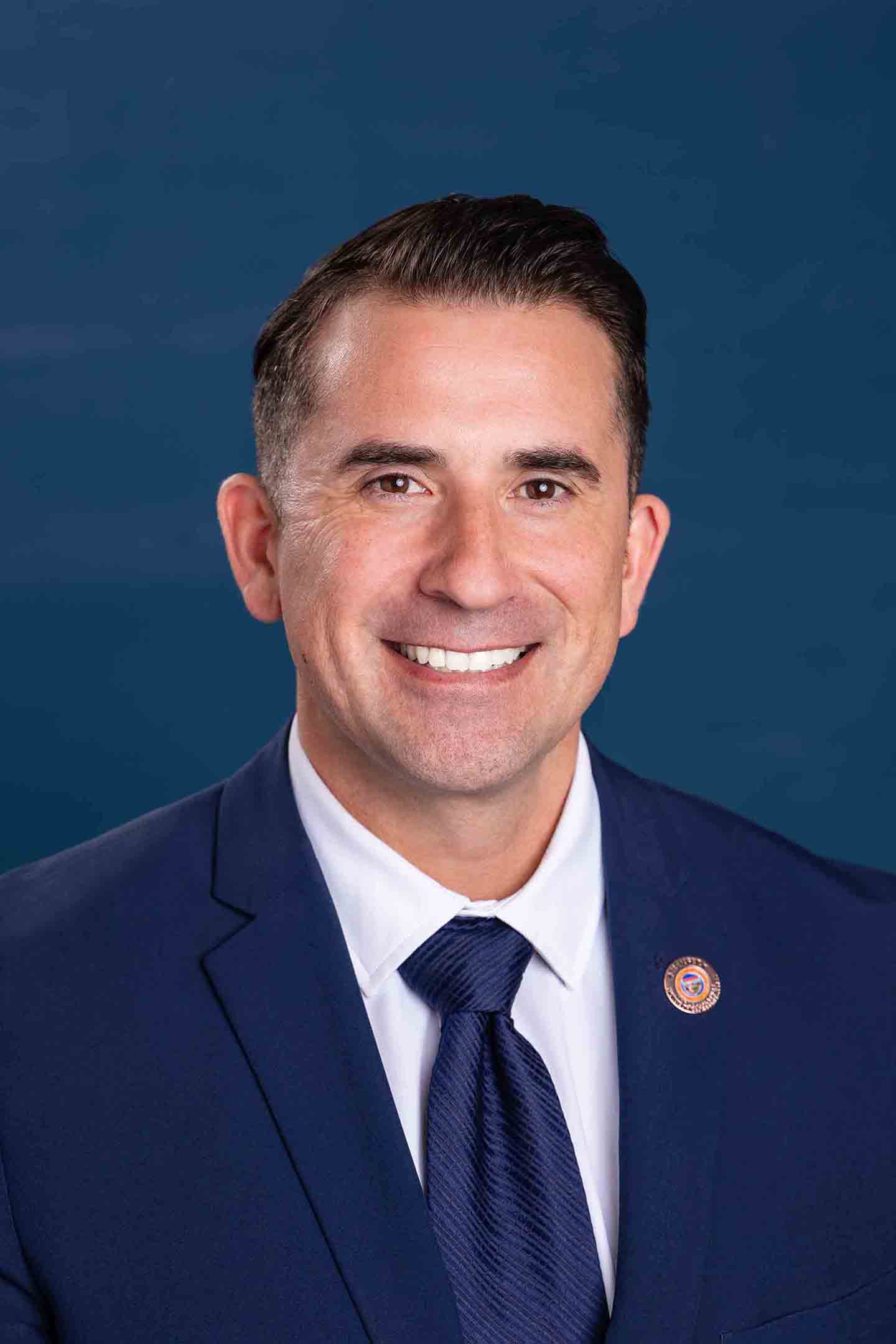
Kiana Sears
Kiana Sears Senate · District 9
D
Support
63% 81
Anna Abeytia
Anna Abeytia House · District 24
D
Oppose
40% 117
Stacey Travers
Stacey Travers House · District 12
D
Mixed −
40% 123
Nancy Gutierrez
Nancy Gutierrez House · District 18
D
Mixed −
42% 122
Mariana Sandoval
Mariana Sandoval House · District 23
D
Mixed −
42% 139
Aaron Marquez
Aaron Marquez House · District 5
D
Mixed −
42% 141
Showing 111–120 of 138 bills

All environment bills

introduced · Arizona · House Jan 27, 2026

HB 2518: subsequent active management area; designation

HB 2518 allows Arizona's groundwater director to designate new "subsequent active management areas" for groundwater basins that aren't already covered by existing management plans. It specifies that such designations are required if groundwater preservation is needed, land subsidence threatens property or storage, or groundwater use degrades water quality. The bill mandates that these areas must cover entire groundwater basins (except for northern Arizona's regional aquifers), not partial sections. This directly affects groundwater users and landowners in newly designated basins by subjecting them to future management practices.
introduced · Arizona · House Jan 14, 2026

HB 2161: sovereign authority; endangered species act

Arizona's HB 2161 prohibits state agencies, including the Arizona Game and Fish Department, from using state funds or personnel to enforce the federal Endangered Species Act (ESA) or its incidental take permit program. The law specifically exempts the state's livestock loss program administered by the Arizona Livestock Loss Board. It is based on Arizona's constitutional authority (Article II, Section 3) to resist federal mandates that would require state resource use. The bill does not affect federal enforcement of the ESA but prevents Arizona from collaborating with or funding its implementation.
Sub-Topics Wildlife
introduced · Arizona · House Jan 21, 2026

HB 2640: fertilizer; PFAS; prohibition

Arizona's HB 2640 prohibits the distribution and use of fertilizers containing PFAS chemicals (perfluorooalkyl or polyfluoroalkyl substances, or fluorinated organic chemicals with two or more fully fluorinated carbon atoms) starting December 31, 2027. The bill directly affects fertilizer distributors and manufacturers who currently use these substances in their products. Key provisions require the director to ban such fertilizers after 2027 and establish enforcement mechanisms, including license cancellation and penalties for violations. This policy change specifically targets PFAS in agricultural fertilizers, with no exemptions specified.
Sub-Topics Drinking Water
introduced · Arizona · House Feb 11, 2026

HB 2915: tax reduction fund; renewable energy

HB 2915 creates a fund to reduce property taxes for homeowners near qualifying large-scale renewable energy projects (solar or wind facilities with 100+ megawatts capacity). It directly affects residential property owners within a defined "eligible distance" (county zoning area) of such facilities, after the project's construction lowers their property's assessed value. The bill requires counties to deposit 50% of the post-construction value reduction from each affected home into a dedicated fund, which is then distributed annually as tax credits to eligible homeowners. The distribution method (equal, proportional to value, or other equitable approach) is chosen by the county board of supervisors each year.
introduced · Arizona · Senate Jan 27, 2026

SB 1362: appropriation; resilience plan

SB 1362 allocates $2 million from Arizona's general fund for fiscal year 2026-2027 to the University of Arizona's Aegis consortium to develop a state resilience plan. The bill directly funds the University of Arizona and its Aegis consortium to create this plan, which focuses on preparing for climate or disaster-related challenges. It provides specific financial resources for planning activities but does not change existing laws or regulations. This is a procedural funding bill with no voting record or policy changes beyond the allocated budget.
introduced · Arizona · House Jan 27, 2026

HB 2473: ADEQ; waste programs; funding; rules

HB 2473 creates a program to fund curbside composting in Arizona cities through grants. It establishes a special fund financed by fees from managing waste classified as hazardous in its state of origin but not in Arizona (e.g., waste transported from other states). Municipalities can apply for grants to start composting programs under rules set by the environmental agency, with the fund also covering administration of both the composting program and the hazardous waste management system. The bill directly affects cities seeking to expand waste reduction efforts, using existing fee structures to support new sustainability initiatives.
passed · Arizona · House Mar 3, 2026

HB 2159: Mexican wolves; landowner permits; rules

HB 2159 allows Arizona landowners to obtain permits for taking Mexican wolves on their private land or on public lands and state trust lands leased for grazing. The permit requires the Commission to determine it is necessary to reduce conflicts between wolves and humans or property, while also enabling a voluntary program for compensating landowners who use non-lethal trapping methods. The bill specifies that permits may only be issued to landowners who own private property in Arizona and lease grazing lands. This legislation directly affects landowners managing wolf-human conflicts on their property, focusing on practical, on-the-ground management rather than broader conservation policy.
introduced · Arizona · Senate Feb 9, 2026

SCR 1039: water withdrawal fee; state lands

SCR 1039 proposes a water withdrawal fee for groundwater extracted from state-owned land, including leased school and university properties. The fee, based on fair market value and potentially tiered for large users, would require the director of water resources to collect payments. Ninety percent of collected fees would fund statewide water conservation through the Arizona Water Protection Fund and Water Conservation Grant Fund, while 10% would cover administration. This referendum bill requires voter approval to become law and mandates a fee reassessment every five years.
Sub-Topics Conservation
passed · Arizona · House Mar 10, 2026

HCR 2038: Colorado River; seven-state agreement

HCR 2038 is a non-binding legislative resolution supporting Arizona's position in ongoing negotiations for a seven-state agreement governing the Colorado River. It states Arizona's support for a mutual agreement that protects the state's vital industries (agriculture, technology, and military) reliant on Colorado River water, while acknowledging Arizona's significant water conservation efforts (including $211 million invested to save up to 6.6 million acre-feet). The resolution emphasizes Arizona's historical water use reductions (8.9 million acre-feet) and economic contributions (75% of basin jobs and crop sales in the Lower Basin) as context for negotiations. It does not create new policy but formally endorses collaborative solutions to address the river's structural deficit and uphold the 1922 Compact.
Sub-Topics Conservation
introduced · Arizona · House Jan 27, 2026

HB 2513: subsequent irrigation; non-expansion areas; procedures

HB 2513 creates a new process for Arizona to designate "subsequent irrigation non-expansion areas" where new irrigation development is restricted. It allows the state director to formally identify groundwater areas that lack sufficient water to support additional irrigation at current withdrawal rates, provided an active management area isn't needed. The bill establishes procedures for these designations, including requirements for petitions from either 25 irrigation users (meeting specific land-use criteria) or 10% of registered voters in the affected basin, backed by scientific groundwater models and hydrologic reports. This directly affects farmers and landowners in designated groundwater basins by preventing new irrigation projects in areas with inadequate water resources.
Showing 111 to 120 of 138 bills
Previous 1 11 12 13 14 Next