Issue · Education

Education (Curriculum)

Every education bill, vote, and legislator stance in Arizona, automatically classified by Maddy, our AI policy reader.

Total bills
18
57th Legislature - Second Regular Session
Top supporter
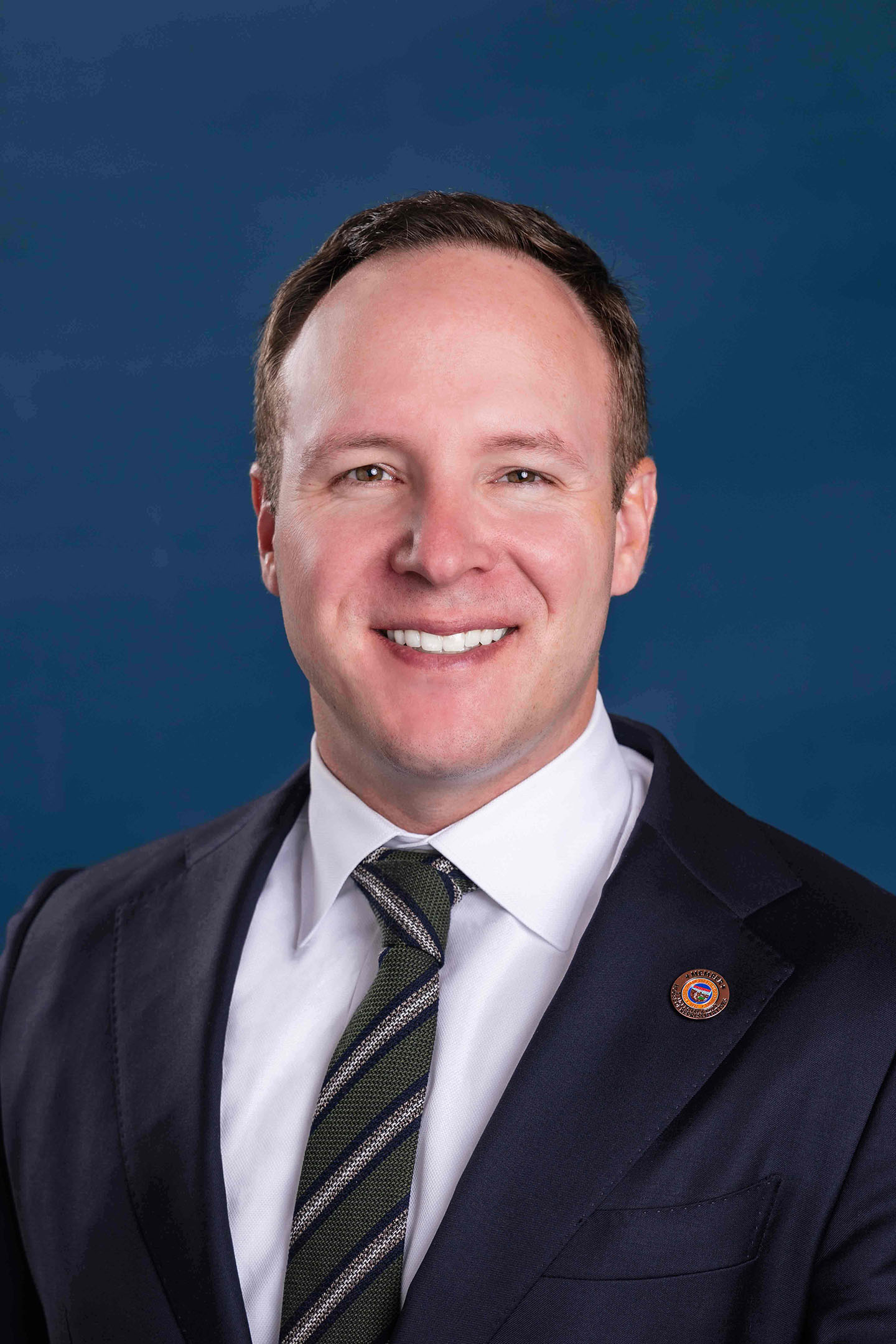
Matt Gress
100% support rate
Top opponent
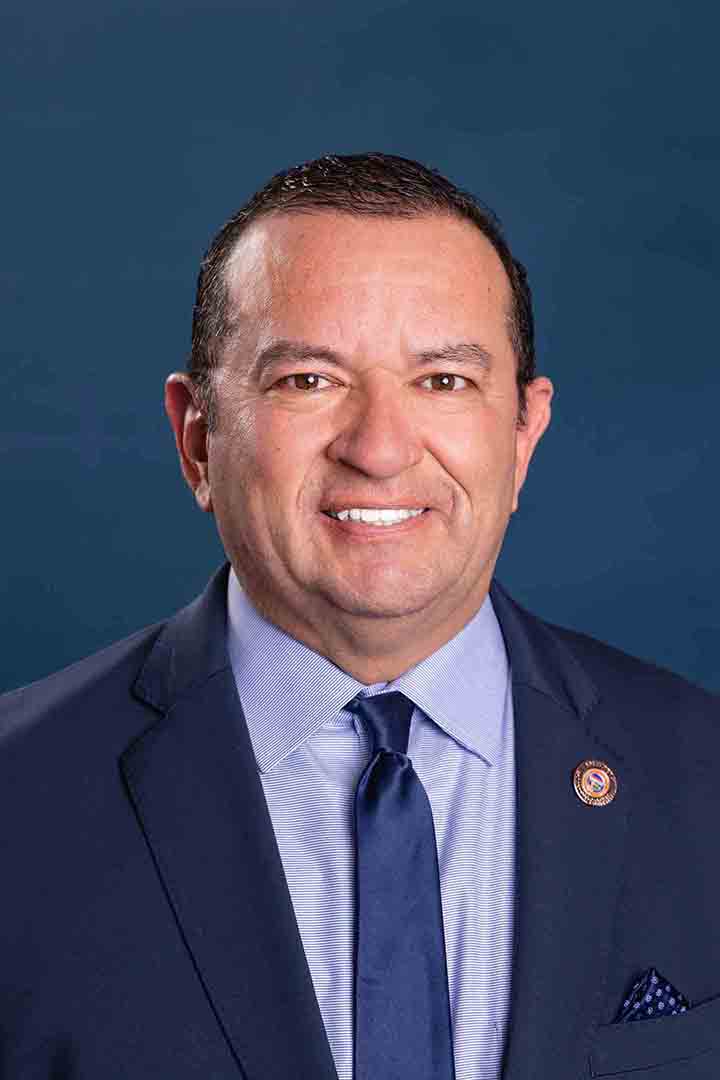
Flavio Bravo
0% support rate
Ranked legislators
10
5 support · 5 oppose
Key legislators

Who's moving curriculum in Arizona

Legislators moving curriculum in Arizona
Legislator Party Stance Support rate Votes
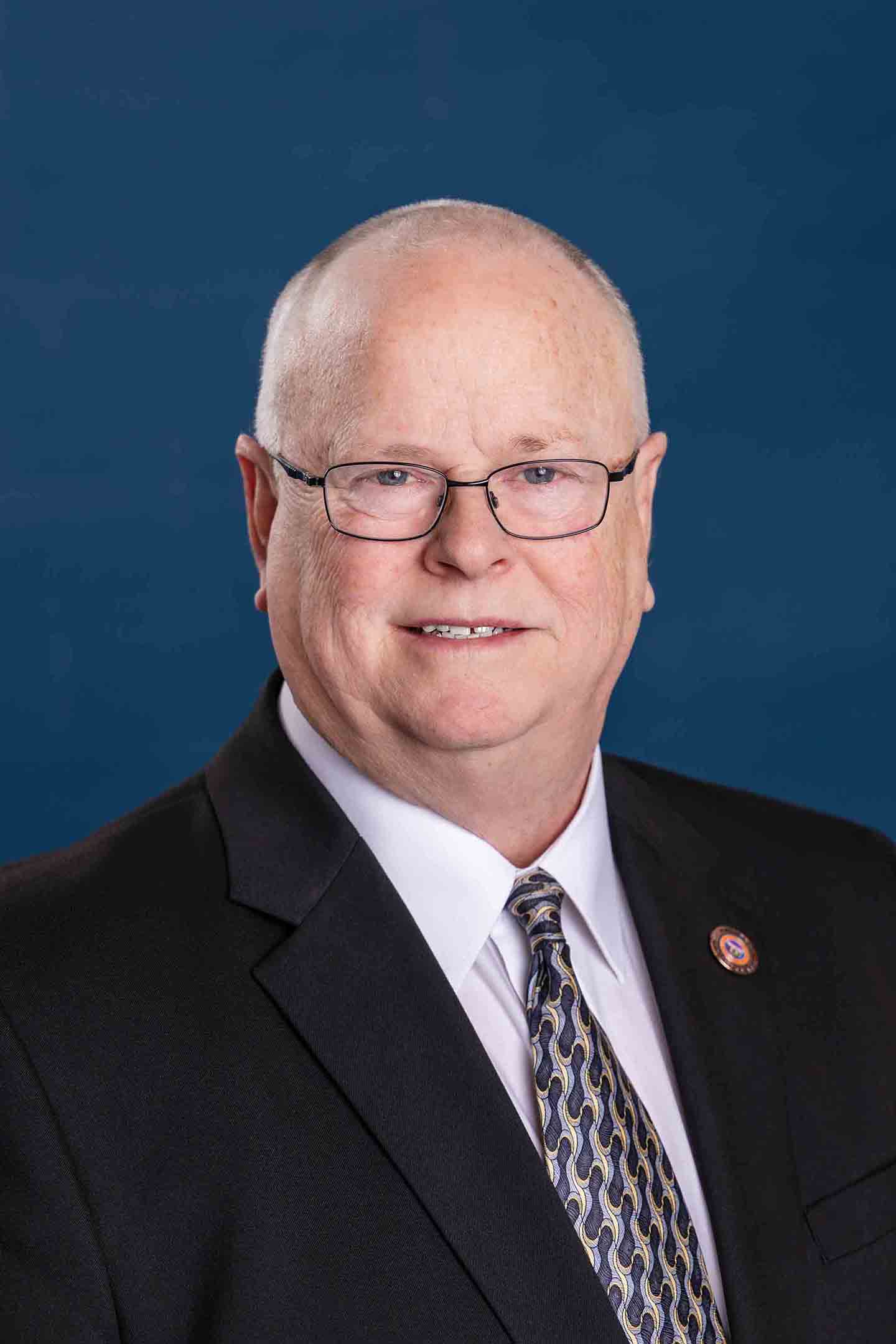
Matt Gress
Matt Gress House · District 4
R
Strong +
100% 7
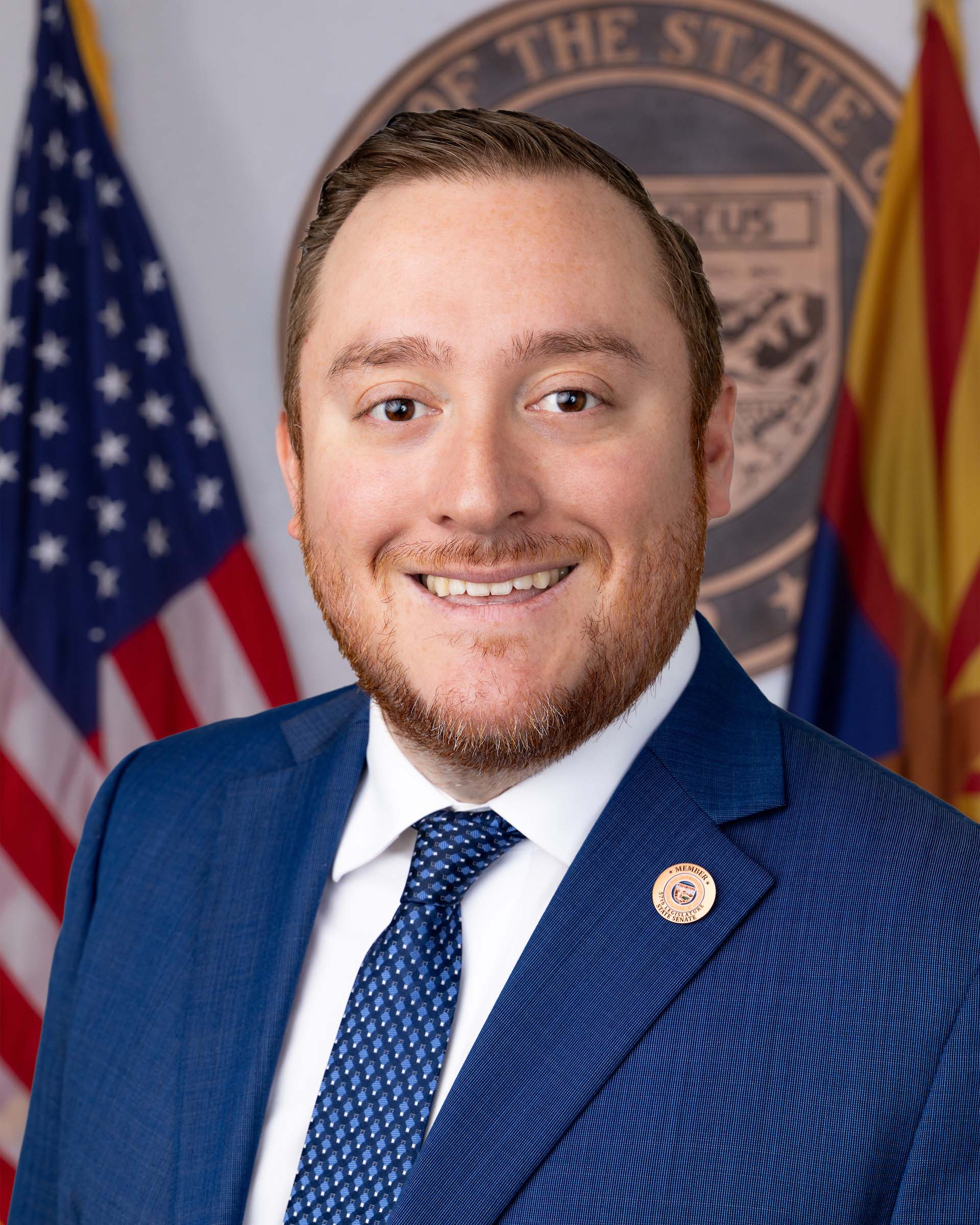
Kevin Payne
Kevin Payne Senate · District 27
R
Strong +
100% 3
Chris Lopez
Chris Lopez House · District 16
R
Strong +
89% 9
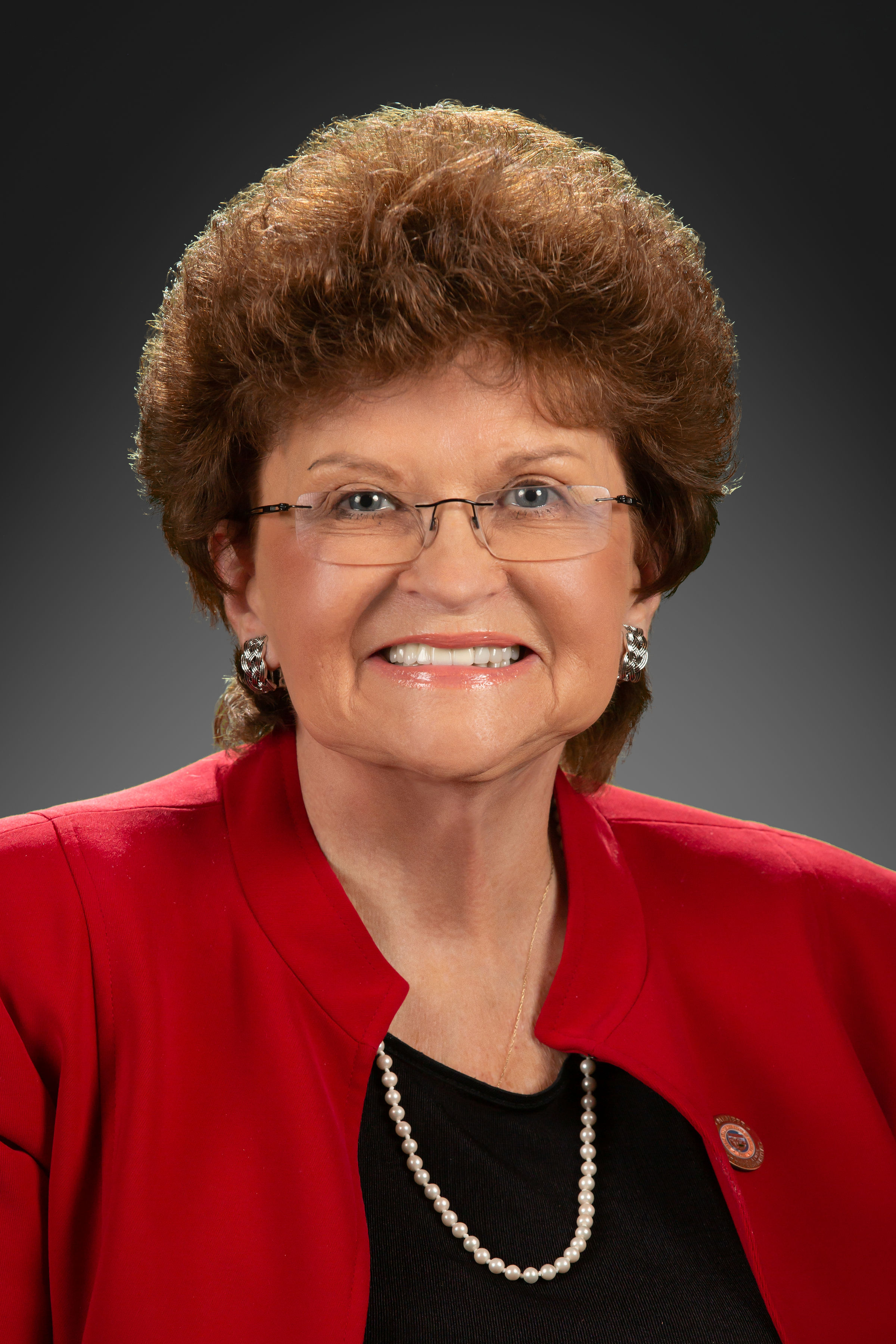
Gail Griffin
Gail Griffin House · District 19
R
Strong +
89% 9
James Taylor
James Taylor House · District 29
R
Strong +
89% 9
Flavio Bravo
Flavio Bravo Senate · District 26
D
Strong −
0% 3
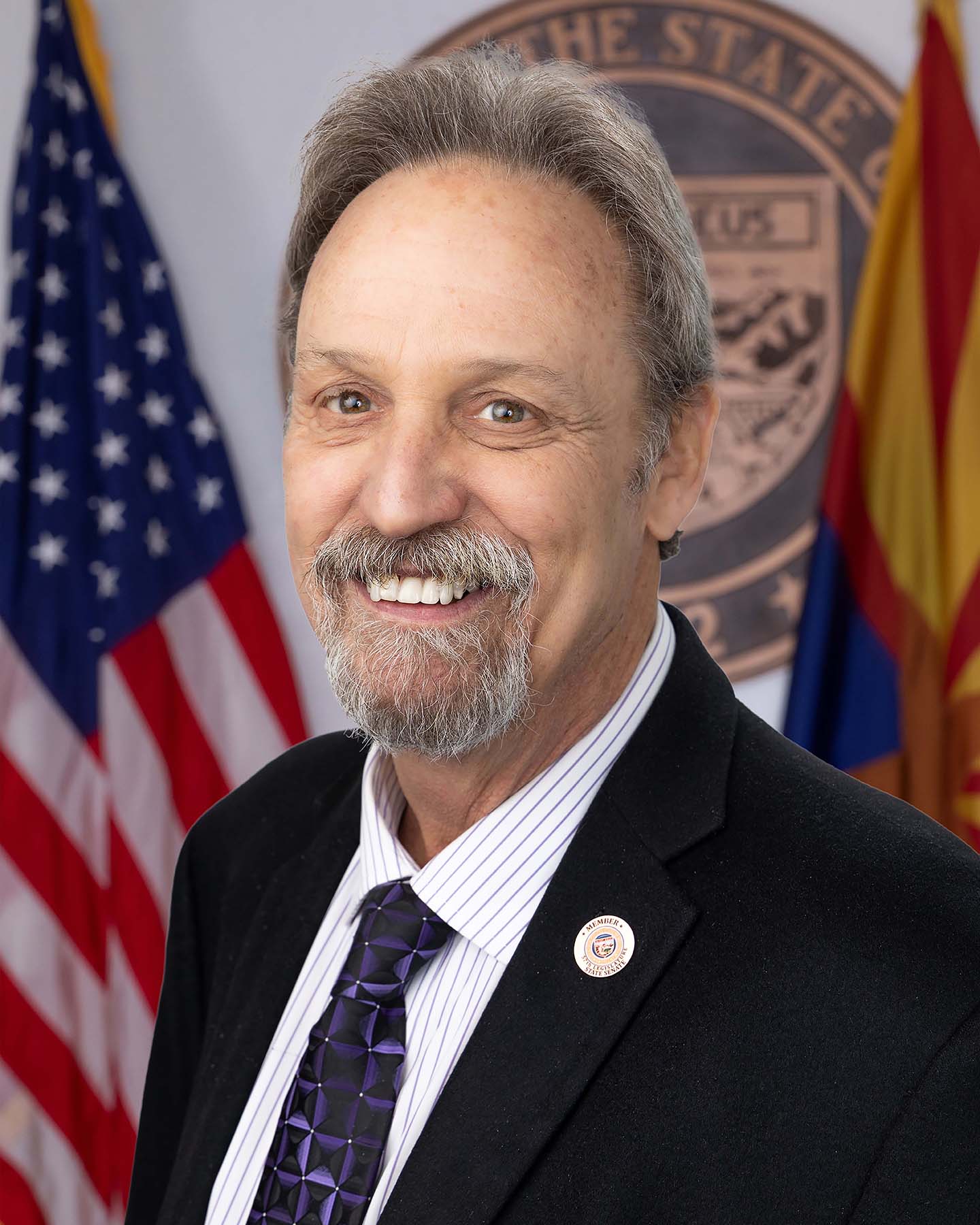
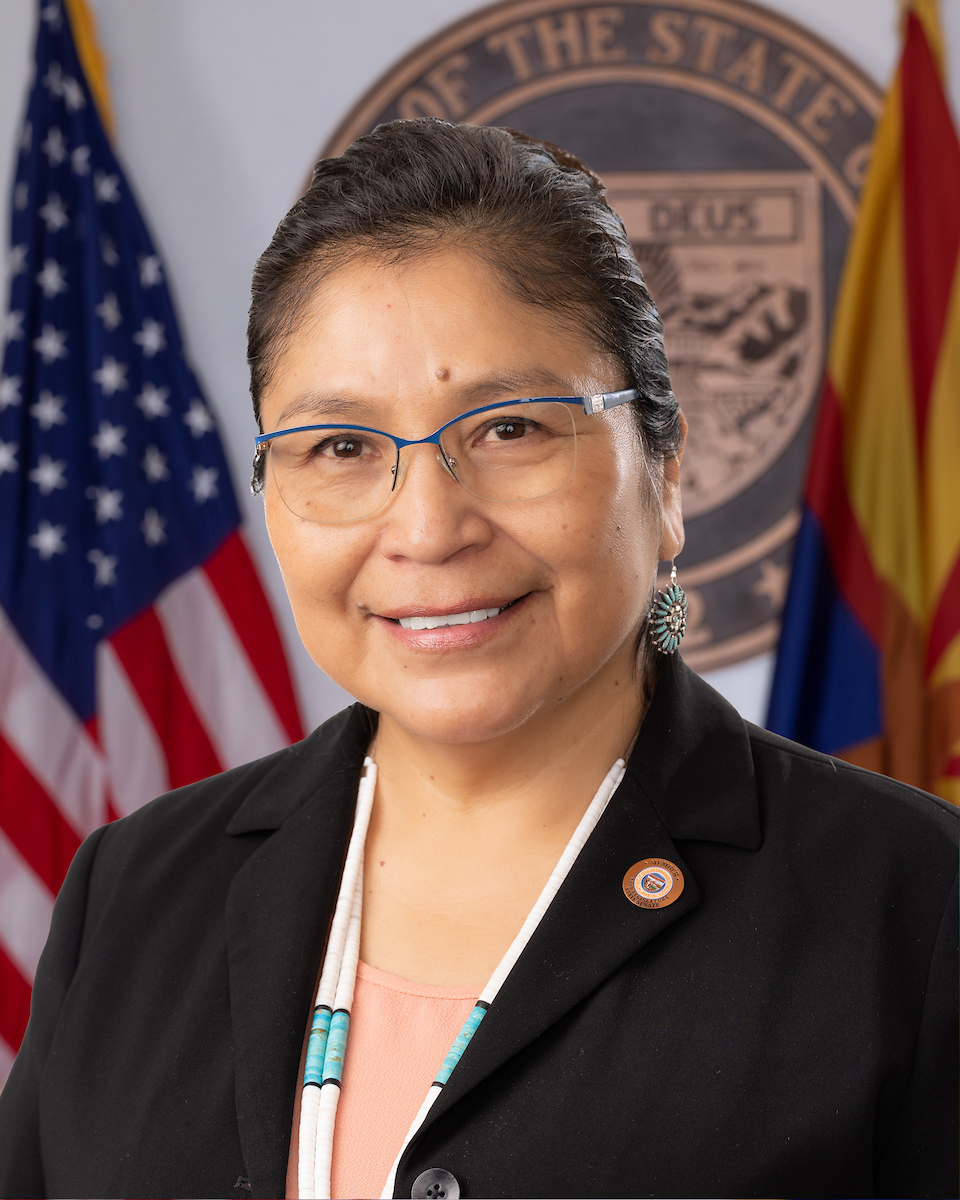
Theresa Hatathlie
Theresa Hatathlie Senate · District 6
D
Strong −
0% 3
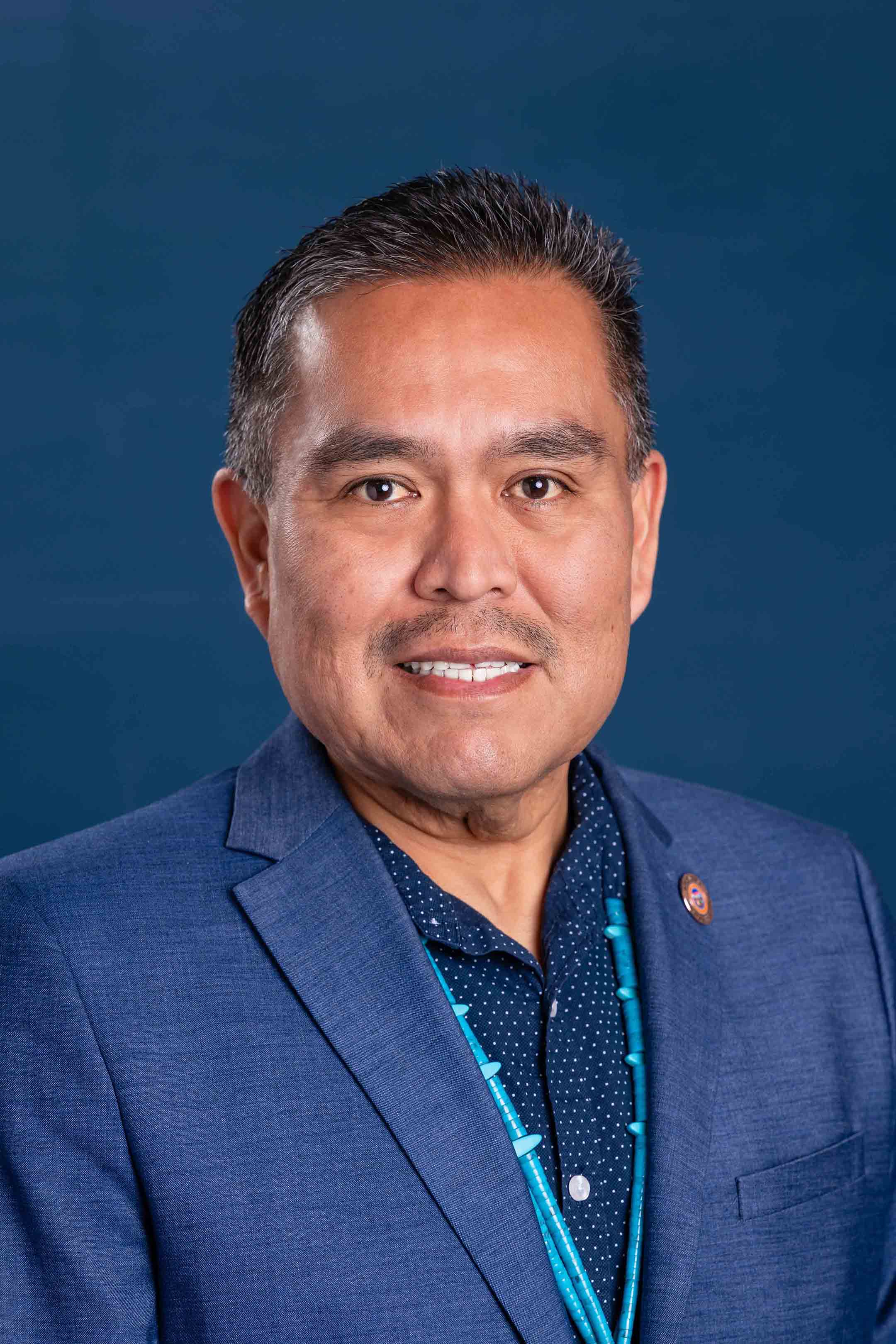
Myron Tsosie
Myron Tsosie House · District 6
D
Strong −
20% 5
Betty Villegas
Betty Villegas House · District 20
D
Oppose
25% 8
Cesar Aguilar
Cesar Aguilar House · District 26
D
Oppose
25% 8
Showing 1–10 of 18 bills

All education bills

introduced · Arizona · Senate Feb 9, 2026

SB 1824: blindness compensatory skills; teaching certificates

SB 1824 requires Arizona teachers providing specific services to blind or visually impaired students to hold approved certifications. It mandates that orientation and mobility instructors have nationally recognized certification (or state-approved equivalent), and rehabilitation/independent living skills instructors must have rehabilitation teaching or vision rehabilitation certification. The bill directly affects blind or visually impaired students by ensuring they receive high-quality, aligned instruction through certified educators. Key provisions establish these certification standards and require the state board to set implementation deadlines for teachers. The bill defines "blind pupil" as one who cannot use vision as a primary learning mode and clarifies that compensatory skills help these students access the general curriculum.
Sub-Topics Curriculum
introduced · Arizona · House Feb 11, 2026

HB 4107: school open enrollment; tribal students

HB 4107 amends Arizona's school open enrollment law to specifically include tribal students living on tribal lands outside school district boundaries. It defines "resident transfer pupil" to allow these students to enroll in the three closest school districts based on the shortest distance from their home. This directly affects tribal students who previously faced enrollment barriers due to living outside district lines. The bill clarifies that tribal land includes federally recognized tribal territories, enabling these students to access schools in nearby districts without residency requirements. The change modifies existing definitions under Arizona Revised Statutes §15-816, not creating new funding or curriculum.
Sub-Topics Curriculum School Choice Tags Tribal Nations
introduced · Arizona · House Feb 11, 2026

HB 4053: high schools; elective credits; CTE

HB 4053 requires Arizona high schools serving grades 9-12 to offer at least two career and technical education (CTE) or vocational courses as electives each school year. It specifically encourages courses that align with community college degree programs or are transferable to Arizona universities under the Board of Regents. The bill does not mandate new courses if a school already meets the two-course requirement on the effective date. This affects all public school districts and charter schools in Arizona, directly shaping high school course offerings for students.
introduced · Arizona · Senate Feb 9, 2026

SB 1706: full-day kindergarten students; ADM

SB 1706 establishes standards for Arizona's online instruction programs. It requires online schools to meet specific criteria for curriculum, student safety, and teacher qualifications before approval, and places new online schools on probation for up to three years until they demonstrate academic improvement. The bill mandates annual reporting to the state education department on student performance and daily attendance logs, and sets funding rules: full-time online students receive 95% of standard funding, while part-time students receive 85%. It directly affects online schools, students enrolled in virtual programs, and school districts managing hybrid enrollment. The bill does not relate to full-day kindergarten as implied by its title, but instead focuses on online education accountability and funding.
introduced · Arizona · House Feb 10, 2026

HB 4023: ethnic studies; academic standards; commission

HB 4023 requires Arizona's state board of education to include ethnic studies in social studies academic standards for all public schools. The bill primarily focuses on third-grade reading retention, mandating that students not meet state reading benchmarks cannot advance to fourth grade unless specific exemptions apply (e.g., English learners, special education needs, or demonstrated progress via approved assessments). It also requires schools to provide evidence-based reading interventions, offer parents multiple intervention options, and submit annual reports on retention and support strategies. While the bill references ethnic studies as part of social studies standards, its main provisions center on reading assessment, retention policies, and intervention requirements for K-3 students.
introduced · Arizona · House Jan 22, 2026

HB 2479: K-5 literacy endorsement; requirements; enforcement

HB 2479 requires Arizona public school districts and charter schools to ensure at least one K-3 teacher per school has dyslexia training and to develop annual reading improvement plans. It mandates that teachers without a literacy endorsement must obtain one, with funding from the K-3 reading support level weight tied to approved plans focused on improving early reading proficiency. The bill directs schools to use allocated funds exclusively for evidence-based reading instruction, teacher training, and curriculum support for K-3 students. The Department of Education must monitor compliance, review plans, and report annually on reading outcomes and program effectiveness.
Sub-Topics Curriculum Teachers
introduced · Arizona · Senate Jan 14, 2026

SB 1102: early childhood education; providers; appropriation

SB 1102 creates a new grant program to provide supplemental funding for early childhood education providers serving low-income families in Arizona. Eligible providers include Head Start recipients, Title I preschool programs, and school districts with federal early childhood funding, requiring them to demonstrate community need and capacity to expand services. The grants must supplement, not replace, existing state or federal funding and mandate specific quality standards, such as mixed-income classrooms (at least one teacher/assistant per 20 children), research-based curriculum, and services for children with disabilities (requiring at least 10% of participants to have disabilities in the least restrictive environment). Providers must also implement developmental screenings, nutritious meals, parent involvement, and health screenings to ensure comprehensive early learning support.
introduced · Arizona · House Feb 19, 2026

HB 2856: early childhood education; child care

HB 2856 establishes Arizona's Department of Early Childhood Education and creates a voluntary certification program for early learning institutions (like childcare centers). The department will set academic standards for children aged 3-5 (including science basics and pre-reading skills), oversee certification, audit facilities, and manage online applications for licensing, background checks, and subsidies. Certified institutions must meet these standards and use state funds solely for education, with failure to comply risking probation or revocation. The bill also grants certified centers access to the same educational grants, tax credits, and zoning privileges available to public schools.
passed · Arizona · House Mar 4, 2026

HB 2409: artificial intelligence; statewide education program

HB 2409 establishes a voluntary statewide summer education program for Arizona residents through the Department of Education. It creates two core curricula: one teaching digital safety (including spotting AI-generated misinformation, understanding algorithmic bias, and protecting personal data), and another providing practical AI skills for small business owners (covering marketing tools, operational automation, and ethical use). The program, offered at public facilities, allows participating schools or colleges to award academic credit for completion. It directly affects Arizona residents and small business owners by providing accessible, hands-on AI education without mandating school curriculum changes.
introduced · Arizona · House Jan 26, 2026

HB 2580: ESAs; micro-schools; tutors; safety; rules.

HB 2580 defines key terms for Arizona's education scholarship programs, primarily affecting students and micro-schools. It establishes eligibility criteria for "qualified students" (including those with disabilities, from low-performing schools, military families, or Indigenous communities) and defines "micro-schools" as tuition-charging entities employing instructors for specific subjects. The bill sets requirements for annual education plans, curriculum standards, and enrollment rules for scholarship programs. It does not create new funding but clarifies program mechanics for existing scholarship accounts. This definitional work prepares the framework for how Arizona's education savings accounts will operate.
Showing 1 to 10 of 18 bills
1 2 Next