Issue · Education

Education

Every education bill, vote, and legislator stance in Arizona, automatically classified by Maddy, our AI policy reader.

Total bills
190
57th Legislature - Second Regular Session
Top supporter
James Taylor
84% support rate
Top opponent
Brian Garcia
25% support rate
Ranked legislators
10
5 support · 5 oppose
Key legislators

Who's moving education in Arizona

Legislators moving education in Arizona
Legislator Party Stance Support rate Votes
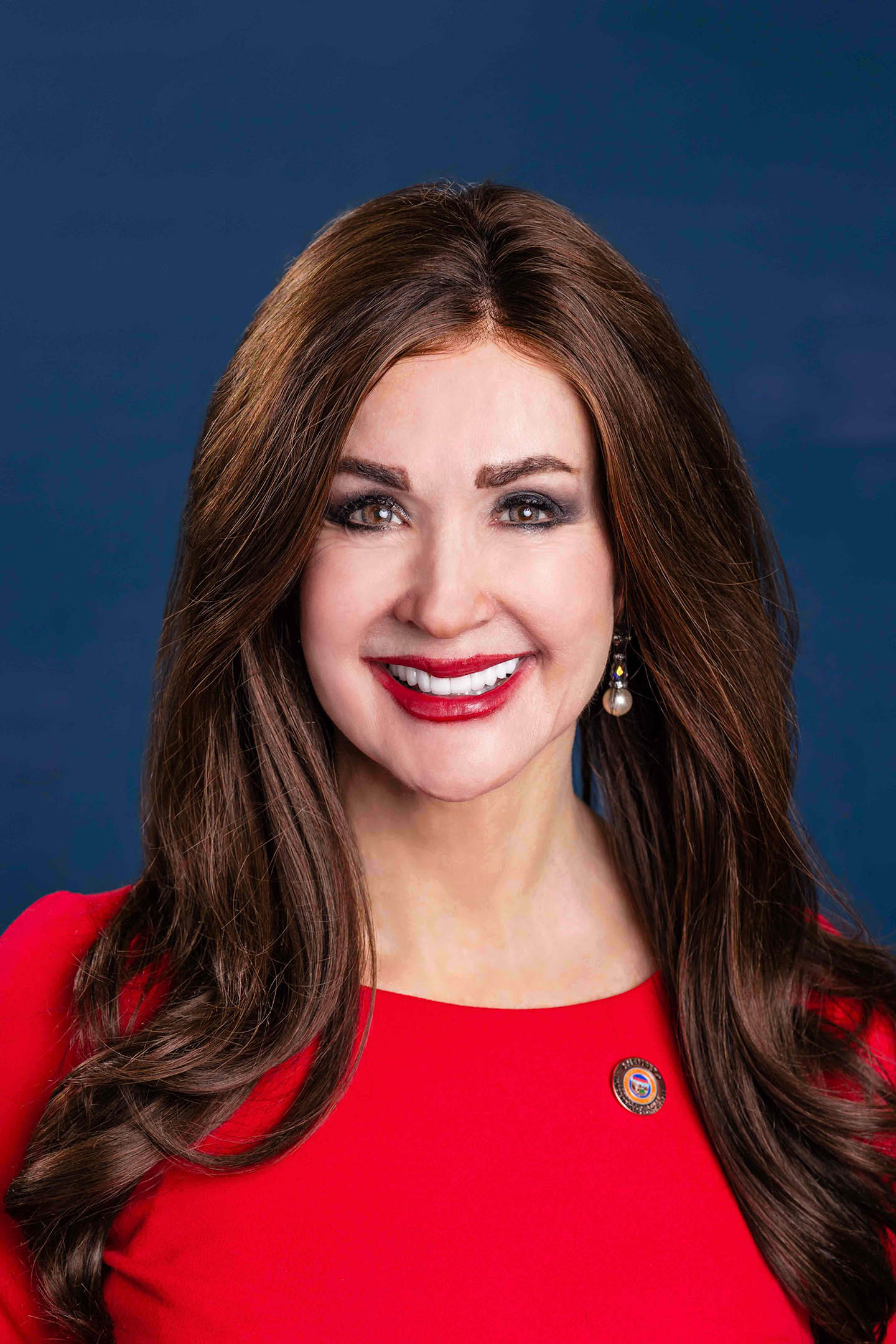
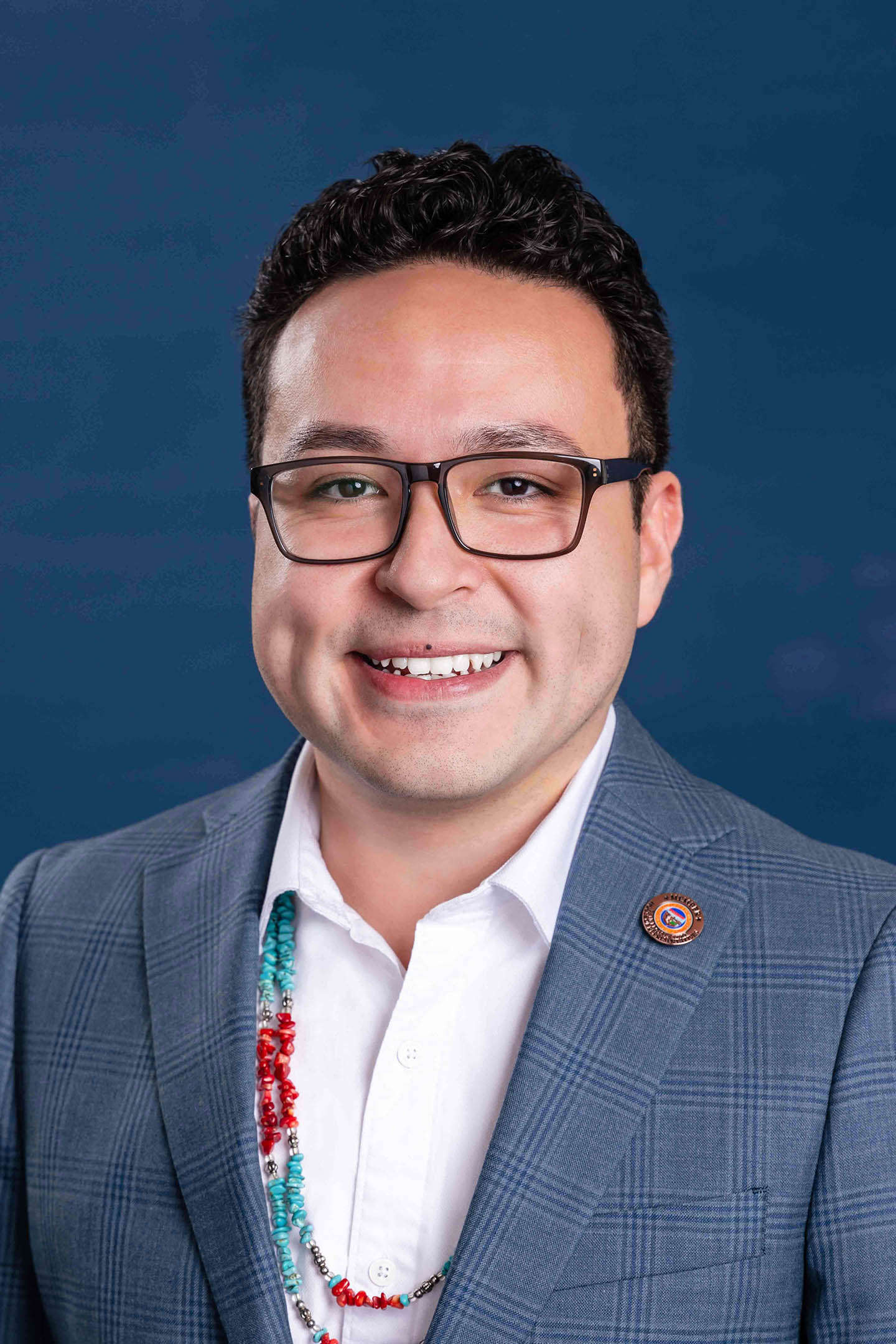
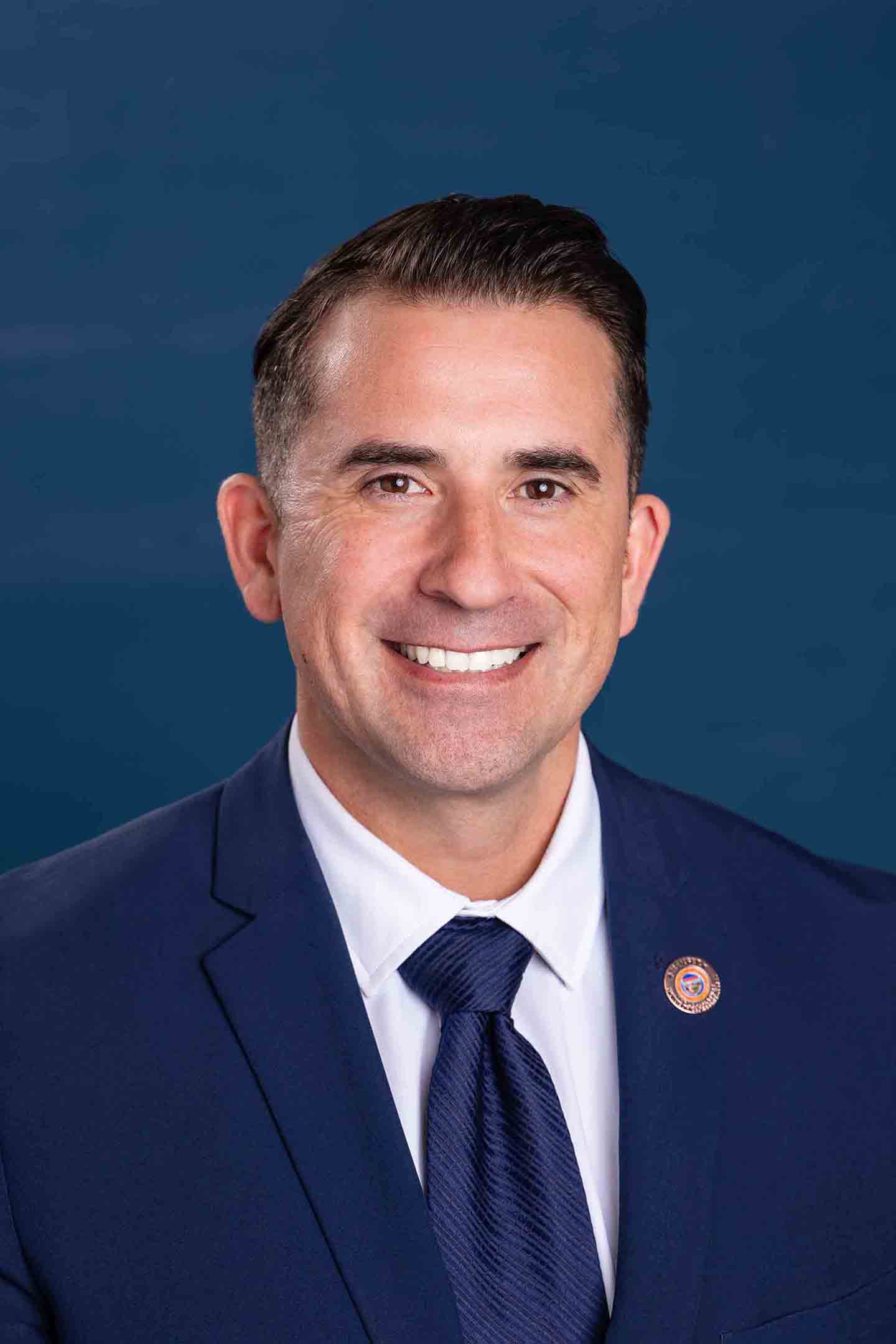
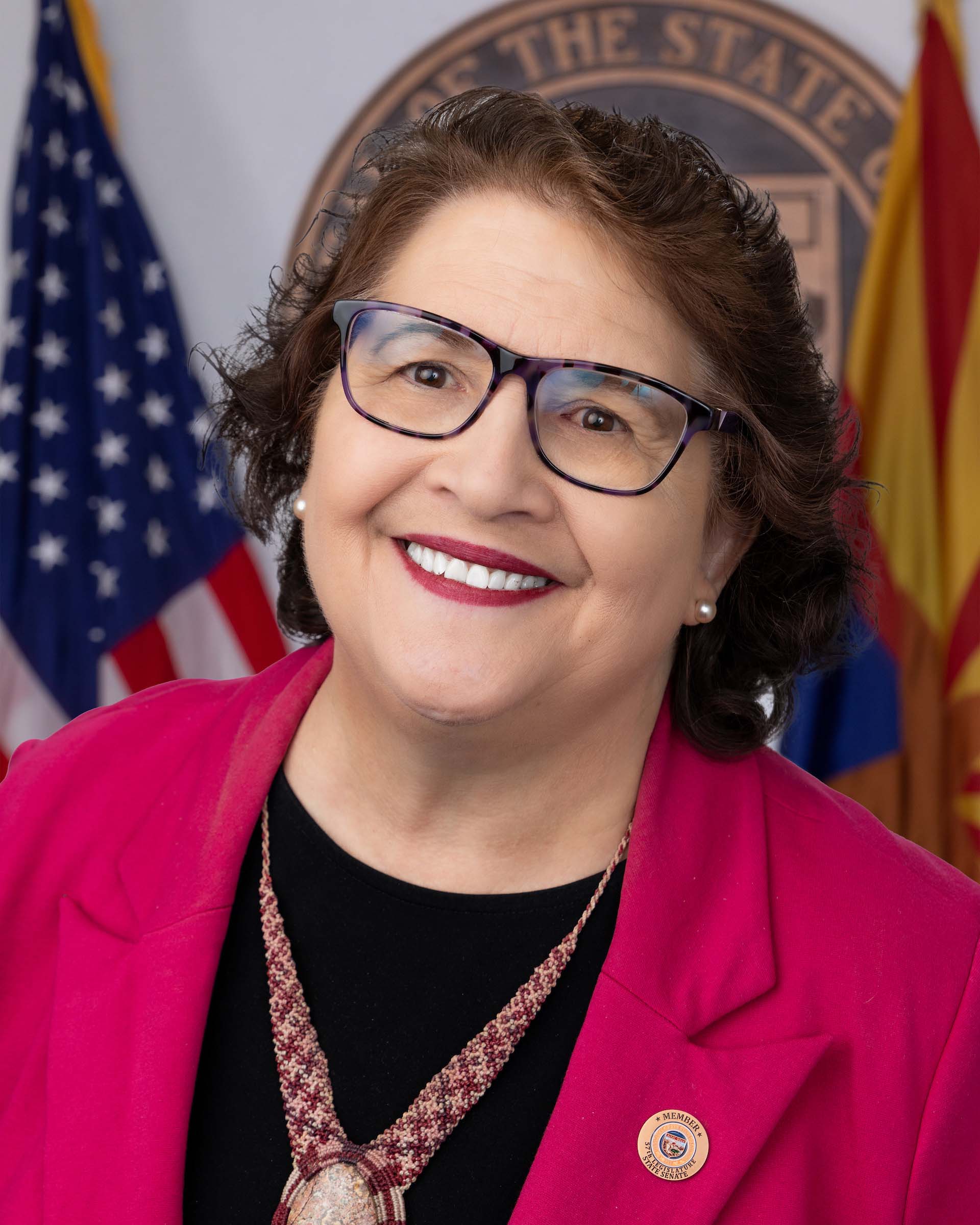
James Taylor
James Taylor House · District 29
R
Strong +
84% 207
Justin Wilmeth
Justin Wilmeth House · District 2
R
Strong +
83% 193
Selina Bliss
Selina Bliss House · District 1
R
Strong +
83% 214
Michael Carbone
Michael Carbone House · District 25
R
Strong +
83% 213
Pamela Carter
Pamela Carter House · District 4
R
Strong +
83% 214
Brian Garcia
Brian Garcia House · District 8
D
Oppose
25% 203
Aaron Marquez
Aaron Marquez House · District 5
D
Oppose
27% 211
Mitzi Epstein
Mitzi Epstein Senate · District 12
D
Oppose
28% 144
Mariana Sandoval
Mariana Sandoval House · District 23
D
Oppose
30% 212
Anna Abeytia
Anna Abeytia House · District 24
D
Oppose
30% 170
Showing 21–30 of 190 bills

All education bills

passed · Arizona · House Mar 31, 2026

HB 2992: pilot program; sexual abuse prevention

HB 2992 establishes a two-year pilot program in Arizona public schools for students in grades 6-8, requiring six selected schools to provide evidence-based sexual abuse prevention education. The program mandates 4 hours of teacher training on prevention, identification, and responses to abuse (including technology-facilitated abuse), and 3 hours of age-appropriate student instruction focused on recognizing abuse, boundary violations, disclosure strategies, and bystander action. Parents may opt their child out of the program with written notice, and participating schools must submit a report by October 2028 detailing participation and feedback. The pilot is funded by $100,000 from the victim compensation fund and will expire after December 31, 2028.
Sub-Topics Teachers
passed both · Arizona · Senate Apr 16, 2026

SB 1754: ADE; special education; parent complaints

SB 1754 clarifies Arizona's process for handling parent complaints about school districts' special education services. It requires the state education department to post complaint investigation reports online within 60 days (after redacting personal information), excluding them from "student level data" rules. The bill defines when complaints are "does-not-qualify" (e.g., if the student isn't a child with a disability or allegations don't violate special education laws). It also mandates that department policies for complaint handling include public comment periods starting December 2026. This directly affects parents filing complaints, school districts responding to them, and the state education department managing the process.
Sub-Topics Special Education
introduced · Arizona · House Feb 17, 2026

HB 4106: one Arizona fellowship program

HB 4106 establishes Arizona's "One Arizona Service Fellowship Program" to connect young adults (17+ with a high school diploma) with community service opportunities. Participants receive a $1,000 stipend during their service and a tuition award covering education expenses (tuition, books, fees) upon successful completion. The program matches participants with nonprofit or government "qualified partner organizations" addressing state priority needs, while the Governor's Office of Youth, Faith and Family administers the program, creates an online portal for applications, and ensures compliance with federal AmeriCorps standards. This directly affects Arizona residents seeking service-learning pathways, partner organizations providing community service, and institutions of higher education accepting tuition awards.
introduced · Arizona · Senate Feb 9, 2026

SB 1698: ESAs; children with disabilities; evaluations

SB 1698 expands Arizona's Empowerment Scholarship Account (ESA) program to cover specific educational services for students with disabilities. It allows ESA funds to pay for educational therapies, psychological evaluations, assistive technology, and vocational training when a student meets disability criteria under the law. The bill also requires annual education plans for students aged 21-22 to continue receiving funds, with reviews conducted by independent evaluation teams. This directly affects students with disabilities enrolled in the ESA program who qualify under the specified criteria. The policy change modifies allowable expenses under the existing ESA framework to include these disability-related services and extends eligibility through age 22.
Sub-Topics Career & Technical Education School Choice Special Education Tags People with Disabilities
introduced · Arizona · Senate Feb 9, 2026

SB 1823: K-12; school funding; revisions

SB 1823 revises Arizona’s funding rules for state-sponsored charter schools. It clarifies that school districts aren’t financially responsible for these charters and sets their funding using the state’s student formula, with special rules for small schools and enrollment counting. Charter schools must adjust student counts after initial estimates (based on registration) and report changes by May 15, while ensuring students enrolled in both charters and traditional public schools aren’t double-counted for funding. The bill also allows charters to accept supplemental grants but requires reducing their base funding if federal/state grants cover operational costs. This directly affects all charter schools sponsored by the state board, universities, or community colleges in Arizona.
introduced · Arizona · House Feb 12, 2026

HB 4095: income tax; additional rate; education

HB 4095 establishes the Classroom Site Fund to provide additional resources for Arizona public schools, using existing state transfers (not an additional tax). It requires school districts and charter schools to use these funds for specific purposes like class size reduction, teacher compensation (with a performance component), and student support services. School districts must adopt a performance-based teacher compensation system that includes metrics such as academic progress, attendance, and graduation rates, and obtain approval from at least 70% of eligible teachers. Annual reporting on fund usage and program outcomes is also mandated for all recipients.
signed · Arizona · Senate Jun 19, 2026

SB 1711: age-appropriate resources; inappropriate contact; schools

SB 1711 requires Arizona's state board of education to create and maintain a list of age-appropriate resources for schools to teach students about recognizing inappropriate contact, including sexual contact. The department of education must post this list online and provide at least one resource per age group to all public schools. All Arizona public schools are then required to make these resources available to students and parents. The bill defines "age-appropriate" based on typical cognitive, emotional, physical, and behavioral development for specific age groups.
introduced · Arizona · House Feb 11, 2026

HB 4107: school open enrollment; tribal students

HB 4107 amends Arizona's school open enrollment law to specifically include tribal students living on tribal lands outside school district boundaries. It defines "resident transfer pupil" to allow these students to enroll in the three closest school districts based on the shortest distance from their home. This directly affects tribal students who previously faced enrollment barriers due to living outside district lines. The bill clarifies that tribal land includes federally recognized tribal territories, enabling these students to access schools in nearby districts without residency requirements. The change modifies existing definitions under Arizona Revised Statutes §15-816, not creating new funding or curriculum.
Sub-Topics Curriculum School Choice Tags Tribal Nations
introduced · Arizona · Senate Feb 9, 2026

SB 1810: eighth grade; social studies; civics

SB 1810 designates the week of September 17-25 each year as "Arizona Civics Learning Week" for eighth-grade students, without making it a legal holiday. It updates third-grade promotion rules by requiring schools to assess reading proficiency and retain students who don’t meet standards, unless specific exceptions apply (e.g., English learners, students with disabilities, or demonstrated progress). Schools must offer multiple evidence-based reading interventions (like summer programs or small-group instruction) and provide parents detailed written notifications about reading deficiencies and available support. Districts must also report annually on retention rates, exceptions granted, and interventions used.
introduced · Arizona · Senate Feb 9, 2026

SCR 1042: expenditure limitation; school districts; repeal

SCR 1042 proposes to repeal the constitutional requirement that Arizona school districts must adhere to spending limits based on 1979-80 expenditure levels adjusted for student population and cost of living. This would remove the existing framework where school districts' local revenue spending was capped by a formula calculated annually by the economic estimates commission. The bill specifically targets Section 21 of Article IX in Arizona's constitution, which currently governs these expenditure limitations for both school districts and community college districts. If passed, this repeal would eliminate the need for districts to calculate or comply with these historical spending caps, though it does not create new spending rules. The bill is a constitutional amendment proposal requiring voter approval, not a direct legislative change to current spending policies.
Showing 21 to 30 of 190 bills
Previous 1 2 3 4 19 Next