Issue · Criminal Justice

Criminal Justice (Policing)

Every criminal justice bill, vote, and legislator stance in Arizona, automatically classified by Maddy, our AI policy reader.

Total bills
22
57th Legislature - Second Regular Session
Top supporter
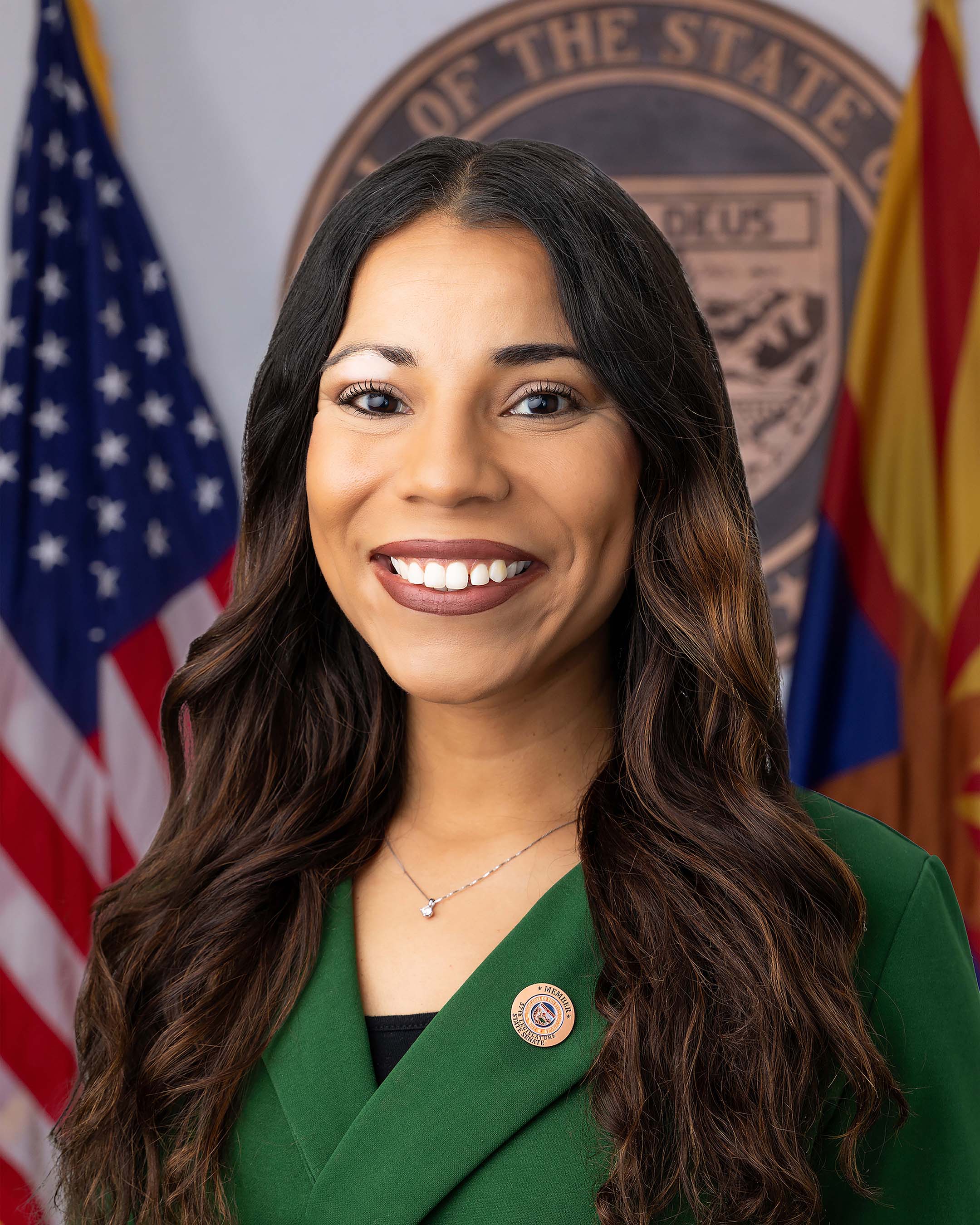
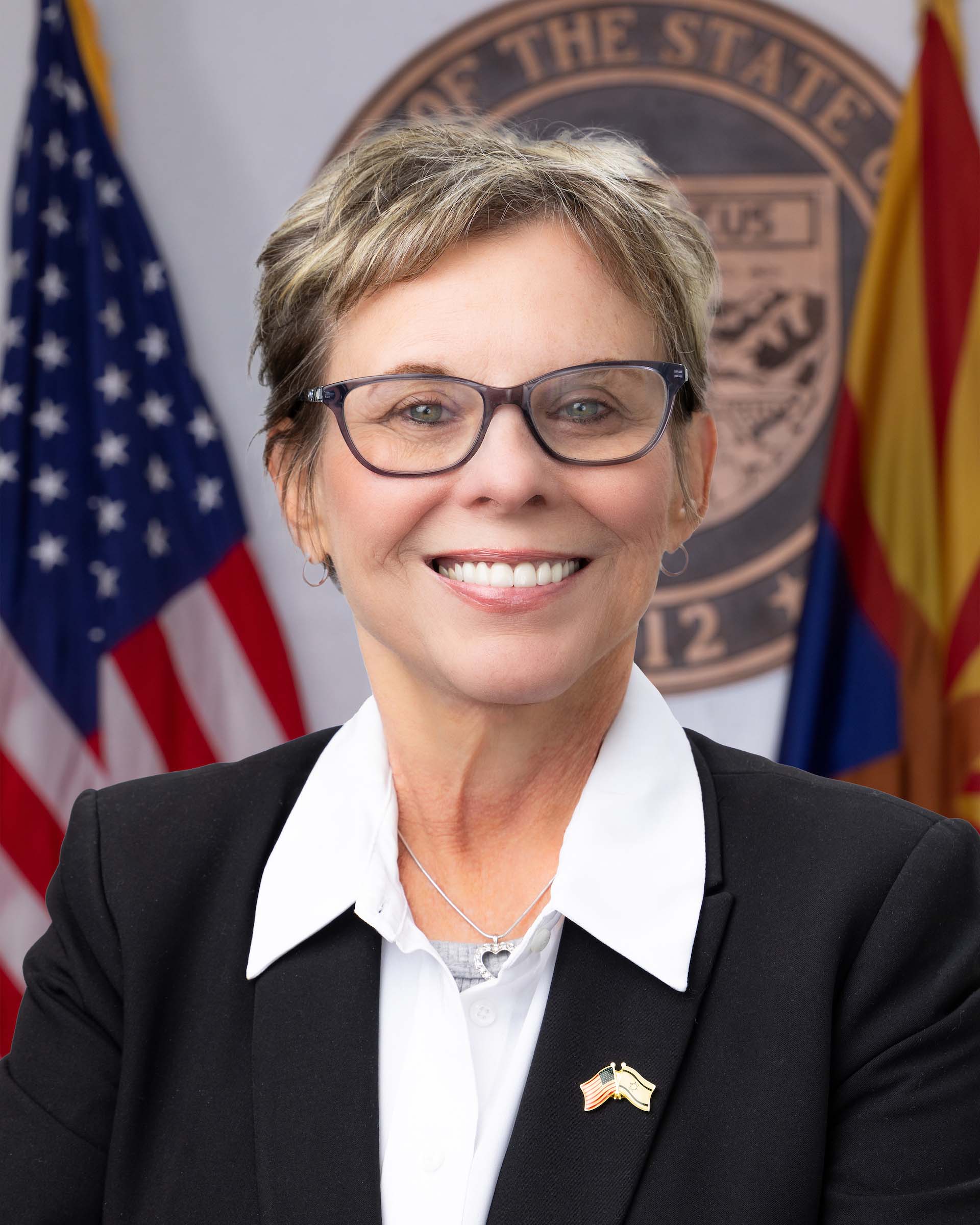
Analise Ortiz
67% support rate
Top opponent
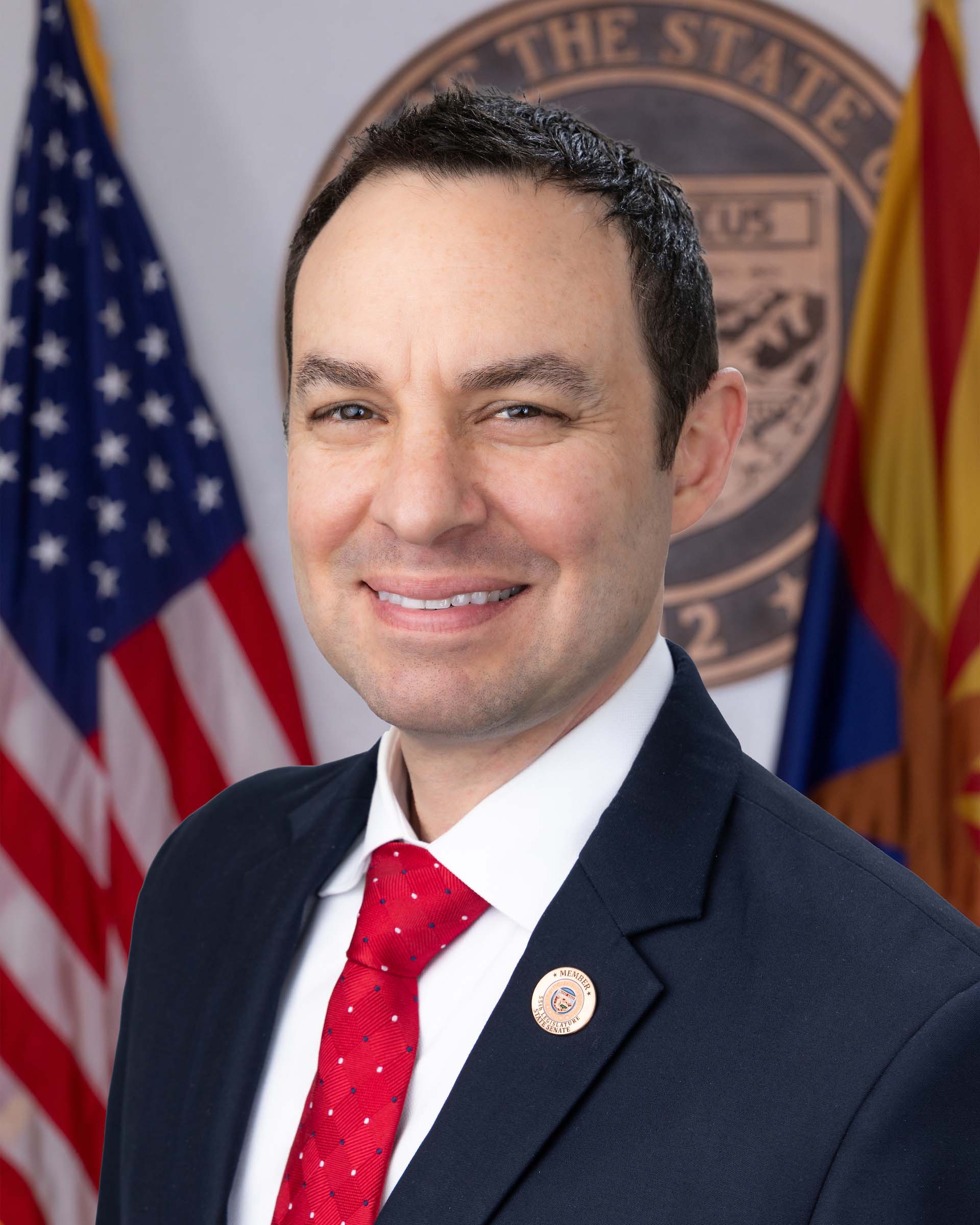
Carine Werner
33% support rate
Ranked legislators
10
5 support · 5 oppose
Key legislators

Who's moving policing in Arizona

Legislators moving policing in Arizona
Legislator Party Stance Support rate Votes
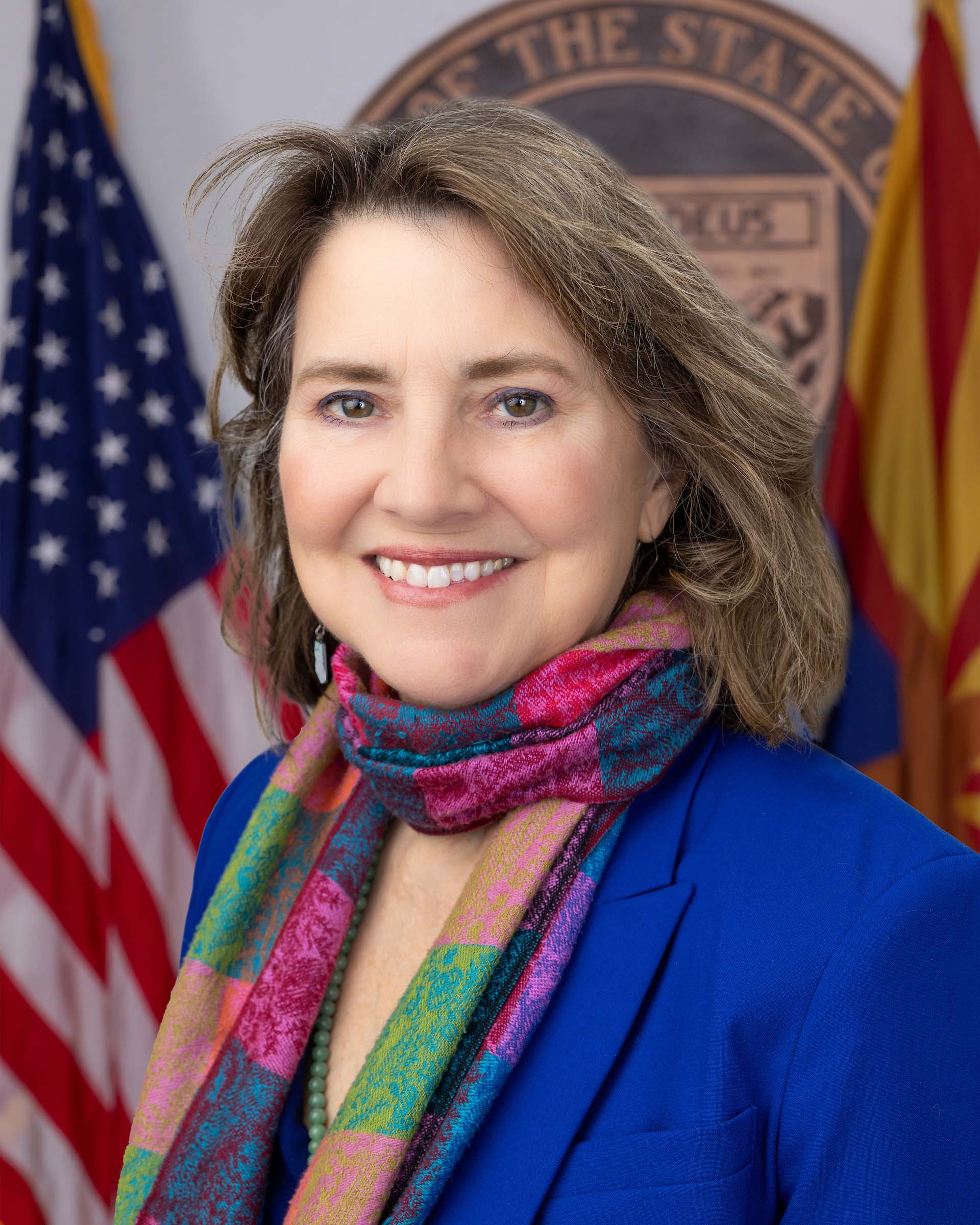
Analise Ortiz
Analise Ortiz Senate · District 24
D
Support
67% 3
Catherine Miranda
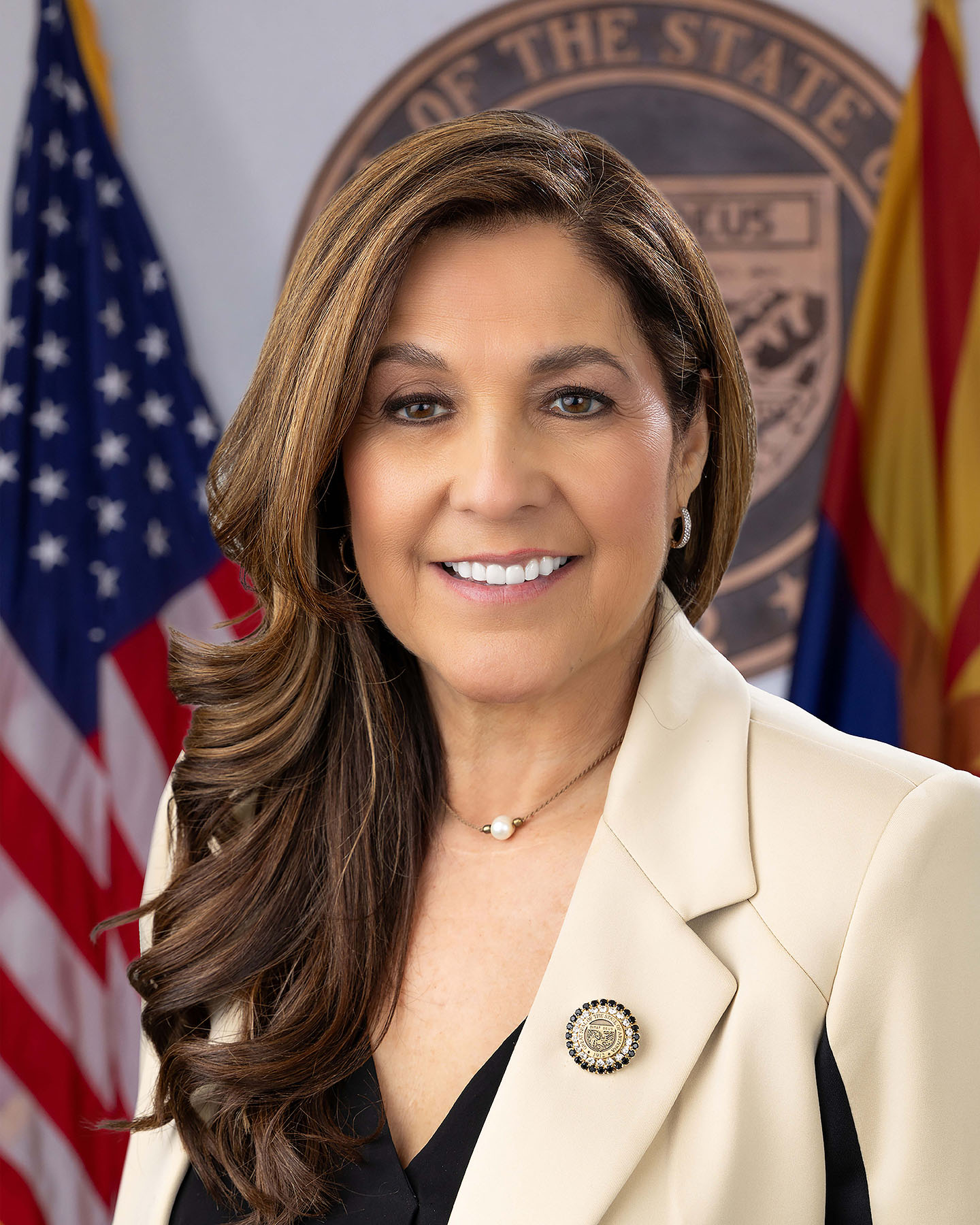
Catherine Miranda Senate · District 11
D
Support
67% 3
Eva Diaz
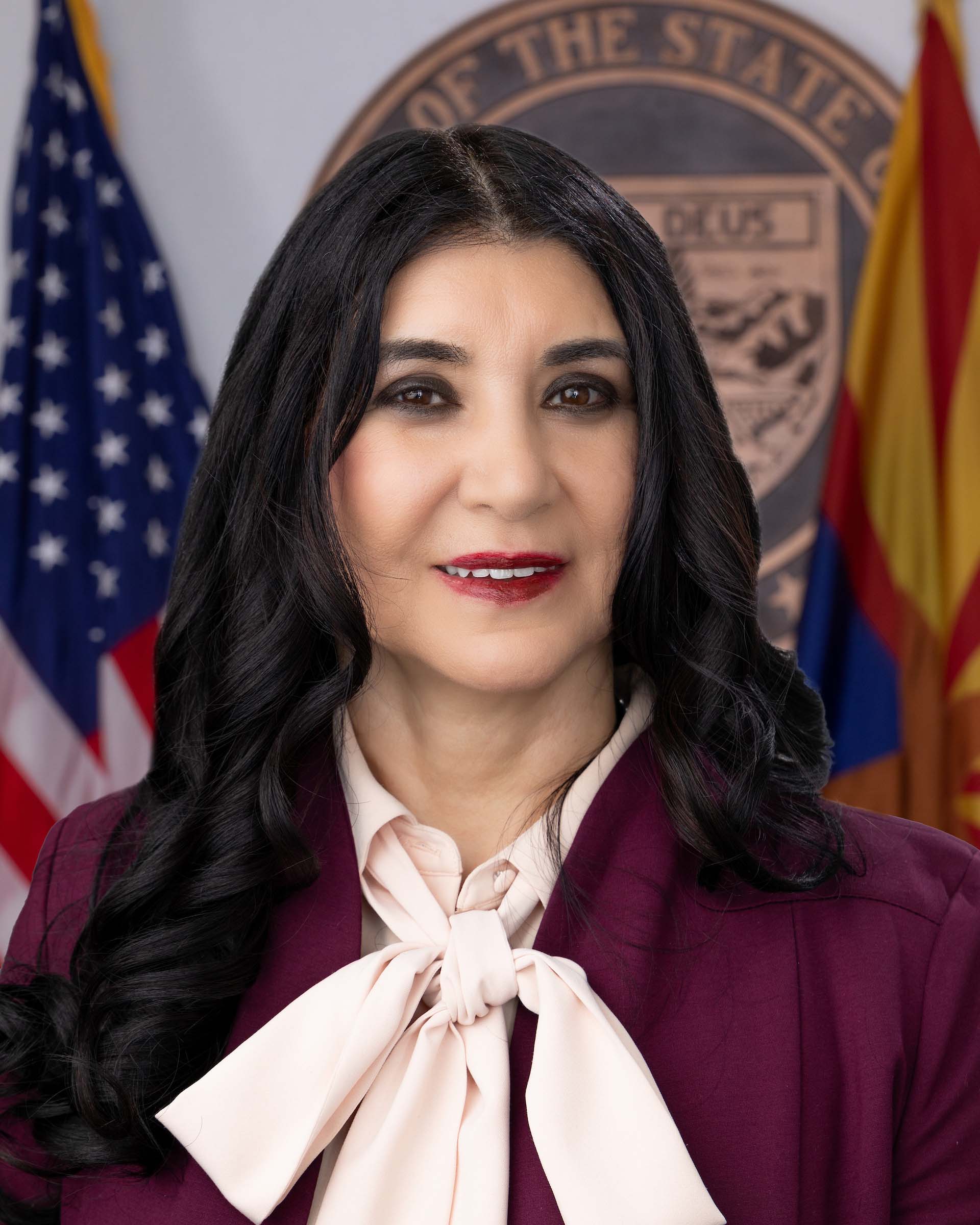
Eva Diaz Senate · District 22
D
Support
67% 3
Jake Hoffman
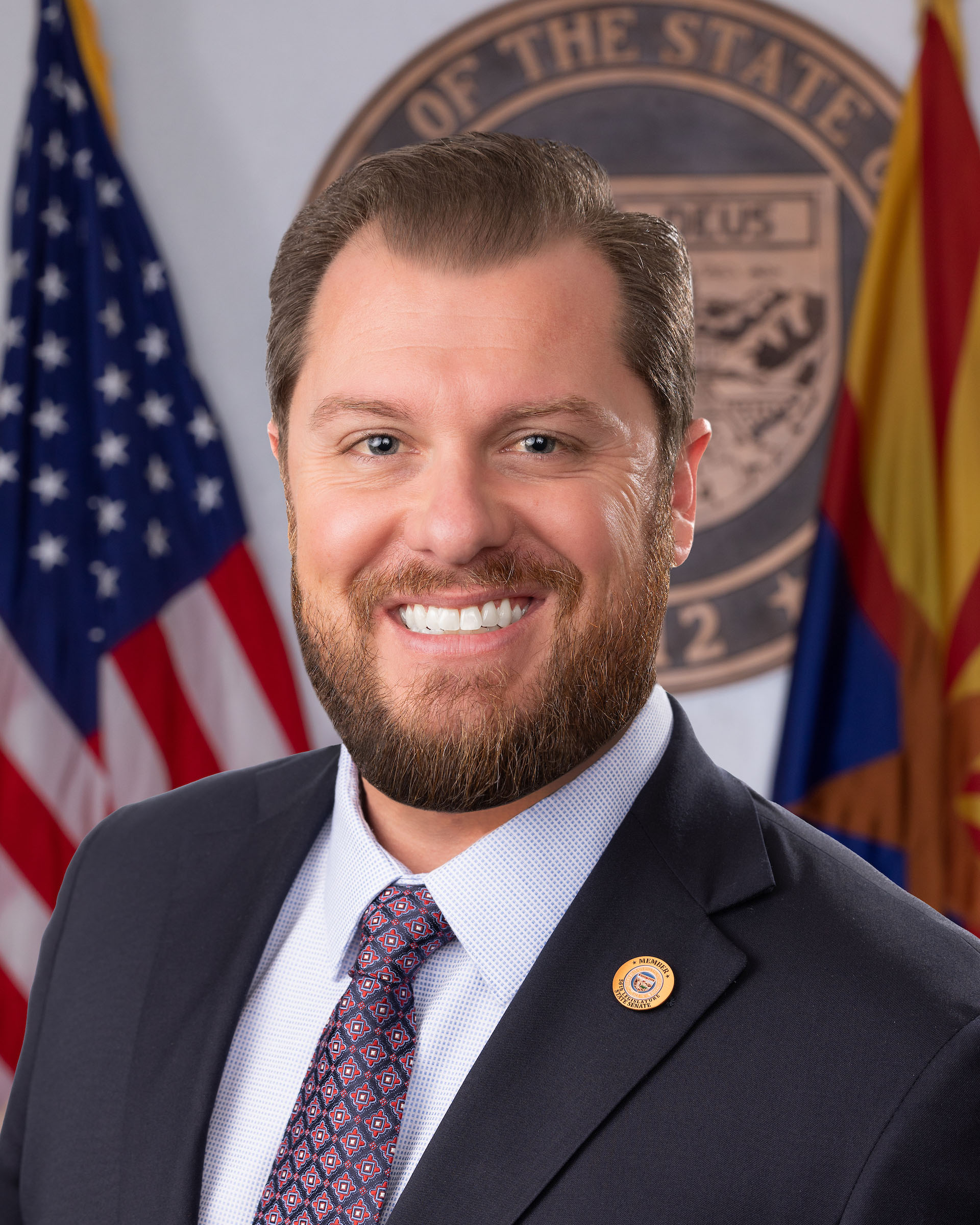
Jake Hoffman Senate · District 15
R
Support
67% 3
Lauren Kuby
Lauren Kuby Senate · District 8
D
Support
67% 3
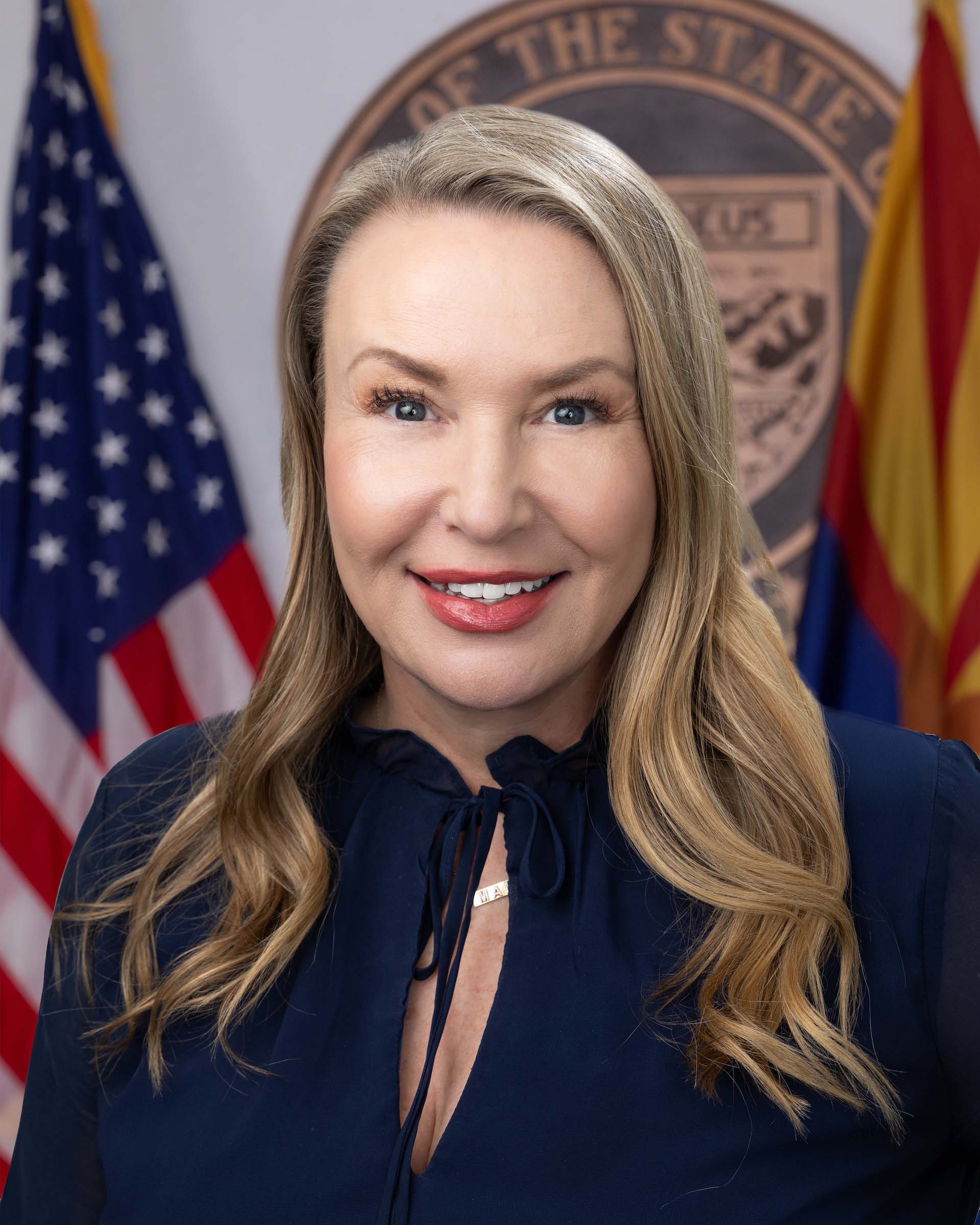
Carine Werner
Carine Werner Senate · District 4
R
Oppose
33% 3
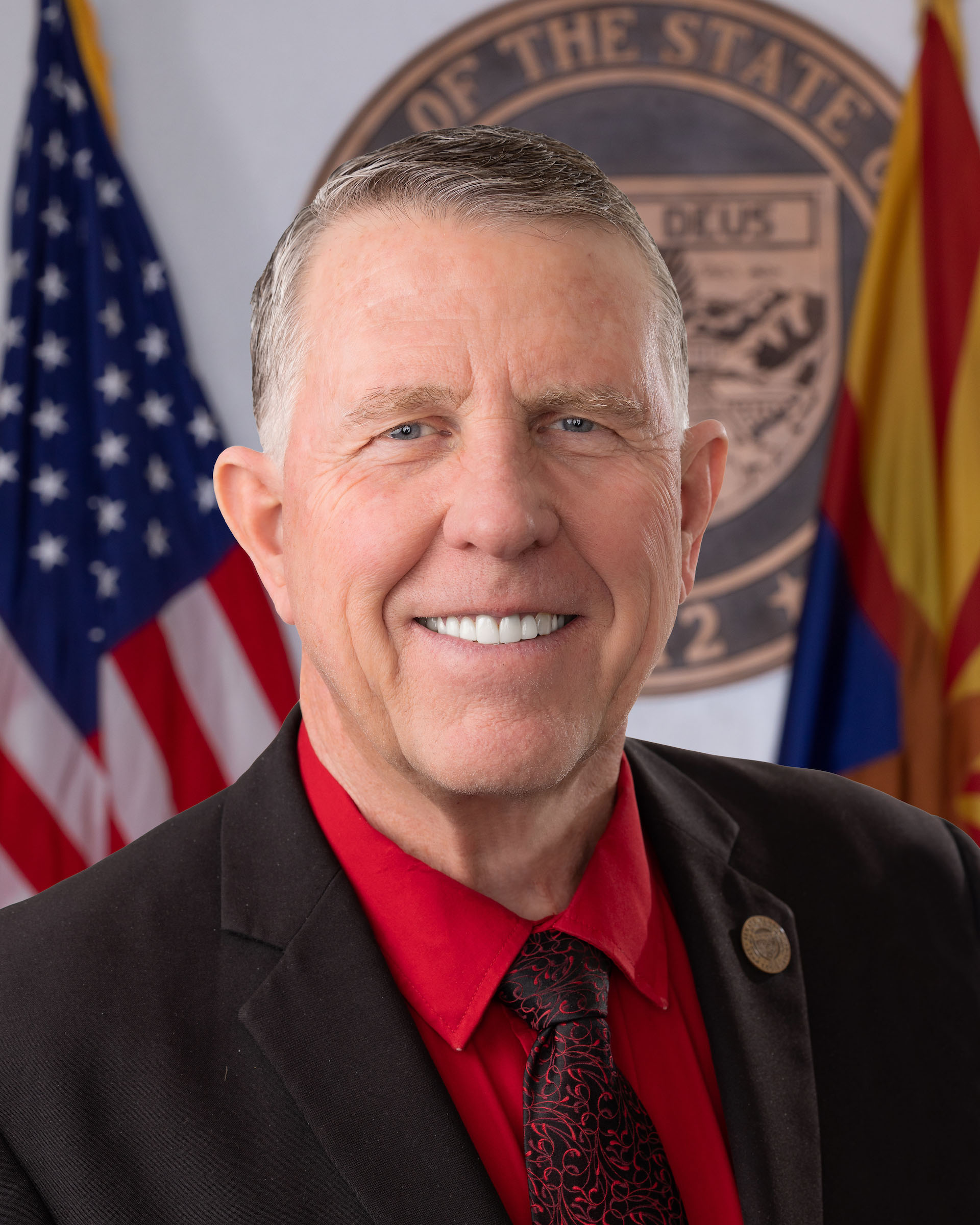
Dave Farnsworth
Dave Farnsworth Senate · District 10
R
Oppose
33% 3
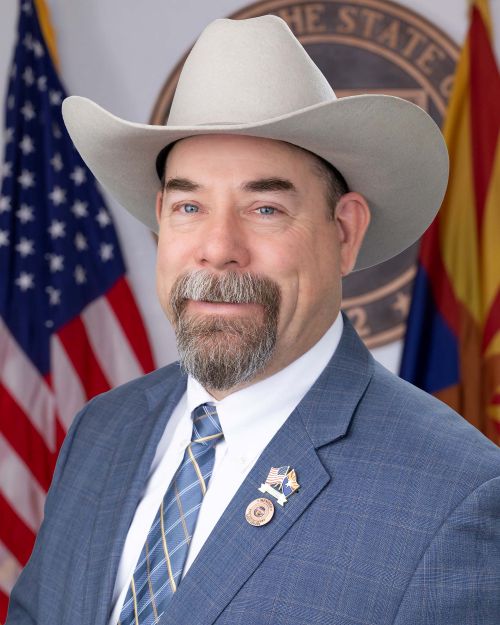
David Gowan
David Gowan Senate · District 19
R
Oppose
33% 3
Hildy Angius
Hildy Angius Senate · District 30
R
Oppose
33% 3
J.D. Mesnard
J.D. Mesnard Senate · District 13
R
Oppose
33% 3
Showing 11–20 of 22 bills

All criminal justice bills

vetoed · Arizona · House Apr 13, 2026

HB 2811: obstructing governmental operations; lawful arrest

HB 2811 amends Arizona law to reclassify obstructing a lawful arrest as a class 5 felony (previously a class 1 misdemeanor), while keeping obstruction of other governmental functions as a misdemeanor. It directly affects individuals who physically block or interfere with police during a lawful arrest. The key provision specifies that using or threatening violence to hinder the "making of a lawful arrest" now carries felony penalties. This bill makes a concrete policy change by increasing criminal penalties for a specific type of obstruction during arrests.
Sub-Topics Policing
introduced · Arizona · Senate Jan 27, 2026

SB 1323: peace officer violence victims' rights

SB 1323 establishes specific rights for victims of police violence and their families in Arizona. It mandates that victims and families receive unredacted bodycam footage and incident reports within 72 hours, free access to involved officers' disciplinary records, and the right to delay interviews for 24 hours after an incident. The bill requires municipalities to create independent victim advocates who connect families with support services and ensures victims are informed before public information releases. It also prohibits police from labeling victims as "suspects" and mandates permanent removal of officers involved in shootings or in-custody deaths, with withheld pensions. These provisions directly affect individuals injured or killed during police interactions and their families.
signed · Arizona · House Jun 19, 2026

HB 2404: authorized transporters

HB 2404 allows courts, mental health agencies, or authorized individuals to request non-police "authorized transporters" (trained staff) to safely transport individuals needing mental health evaluation, instead of using police officers. This applies when there are reasonable grounds to believe the transport can occur without police assistance, and it provides legal immunity from civil liability for all involved parties (except in cases of gross negligence). The bill does not require cities or counties to use authorized transporters instead of police, but if they contract with them, the local government pays for the service. It directly affects mental health evaluation agencies, courts, authorized transporters, and individuals receiving involuntary mental health evaluations.
Sub-Topics Policing Mental Health
introduced · Arizona · House Jan 27, 2026

HB 2864: misconduct involving weapons; instigation

HB 2864 amends Arizona law to define "misconduct involving weapons," adding 17 specific prohibited actions. Key provisions include banning concealed carry of deadly weapons near schools, polling places, or in vehicles during serious crimes, and prohibiting instigating others to commit such offenses (newly added in subsection A.17). The law directly affects individuals carrying weapons in restricted locations or circumstances, such as failing to disclose weapons to police or supplying firearms to those likely to commit felonies. Exceptions cover law enforcement, military personnel, licensed museums, and specific educational activities, but the bill focuses on expanding prohibited conduct rather than altering penalties.
introduced · Arizona · House Jan 27, 2026

HB 2717: sexual assault survivors; rights

HB 2717 establishes new rights for sexual assault survivors in Arizona, directly affecting individuals reporting sexual assault and the medical/legal professionals who interact with them. The bill creates confidentiality for communications between survivors and sexual assault victim advocates (requiring advocates to complete 30 hours of training), prohibits charging survivors for medical exams, and guarantees survivors the right to consult an advocate during medical exams or police interviews. It also mandates that survivors be informed of their rights in writing before exams or interviews, restricts the use of sexual assault kits against survivors for unrelated offenses, and requires medical providers to notify law enforcement within 48 hours of collecting evidence. The law aims to protect survivors' privacy and ensure they receive support during sensitive medical and legal processes.
failed · Arizona · Senate Jun 12, 2026

SB 1502: unlawful flight; reckless endangerment; violation.

This bill changes Arizona's penalties for drivers who intentionally evade police vehicles. It creates three felony classifications: a Class 5 felony for fleeing marked police cars (or unmarked cars when the driver admits or knew it was police), a Class 4 felony for endangering others while fleeing, and a Class 2 felony for causing serious injury, transporting minors under 15, or having prior traffic violations. The law directly affects drivers who knowingly flee law enforcement, with penalties escalating based on the severity of the situation.
introduced · Arizona · Senate Jan 28, 2026

SB 1444: deportation task force; appropriation

SB 1444 creates a state-funded deportation task force led by sheriffs' associations to coordinate with U.S. Immigration and Customs Enforcement (ICE) on deporting individuals who entered the U.S. illegally and have: (1) a criminal conviction, (2) been alleged to have committed a crime, (3) been detained based on criminal suspicion, or (4) been detained related to a crime. It defines "law enforcement agency" to include municipal police departments and county sheriff's offices. The bill appropriates funds for the task force's establishment and operation in fiscal year 2026-2027, exempting the funding from standard budget lapse rules. This policy directly affects non-citizens with criminal connections who interact with Arizona law enforcement.
in committee · Arizona · House Jan 28, 2026

HB 2186: identity evidence; civil traffic violations

HB 2186 requires drivers and passengers to provide specific identity evidence during traffic stops when requested by police. Drivers must show a document containing their full name, date of birth, address, physical description (including height, weight, eye/hair color, and sex), and signature, or verbally provide name, DOB, and address if not driving. It amends Arizona law to classify failing to comply with this requirement as a class 2 misdemeanor, with a defense available if a valid driver license is later presented to court. The bill directly affects individuals stopped for traffic violations who cannot produce a driver license. It specifies concrete ID requirements to standardize enforcement during traffic stops.
Sub-Topics Courts Policing
passed · Arizona · Senate Mar 19, 2026

SB 1550: appropriation; Queen Creek; law enforcement

SB 1550 allocates $1.255 million from the state general fund to fund a three-year pilot program for Queen Creek's police department. The program directly affects youth in Queen Creek by focusing on preventing runaway incidents, protecting at-risk youth from exploitation, and enhancing police investigations through collaboration with care providers and state agencies. It aims to create a model framework for statewide replication of effective youth safety strategies. The funding is exempt from standard appropriation rules that would otherwise cause it to lapse.
introduced · Arizona · House Jan 21, 2026

HB 2475: law enforcement; face coverings; prohibition

HB 2475 prohibits Arizona law enforcement officers from wearing face coverings that conceal their face while on duty, directly affecting all police departments, sheriff's offices, and state law enforcement agencies. It requires each agency to create and publicly post a policy restricting face coverings to specific exceptions: active undercover work (with authorization), tactical operations requiring protective gear, or special weapons teams during active duties. The bill explicitly excludes clear masks, medical masks, safety gear for hazardous conditions, and motorcycle helmets from the prohibition. This law aims to increase officer visibility and public trust during routine interactions.
Showing 11 to 20 of 22 bills