Issue · Criminal Justice

Criminal Justice (Corrections)

Every criminal justice bill, vote, and legislator stance in Arizona, automatically classified by Maddy, our AI policy reader.

Total bills
54
57th Legislature - Second Regular Session
Top supporter
Seth Blattman
100% support rate
Top opponent
Jake Hoffman
37% support rate
Ranked legislators
10
5 support · 5 oppose
Key legislators

Who's moving corrections in Arizona

Legislators moving corrections in Arizona
Legislator Party Stance Support rate Votes
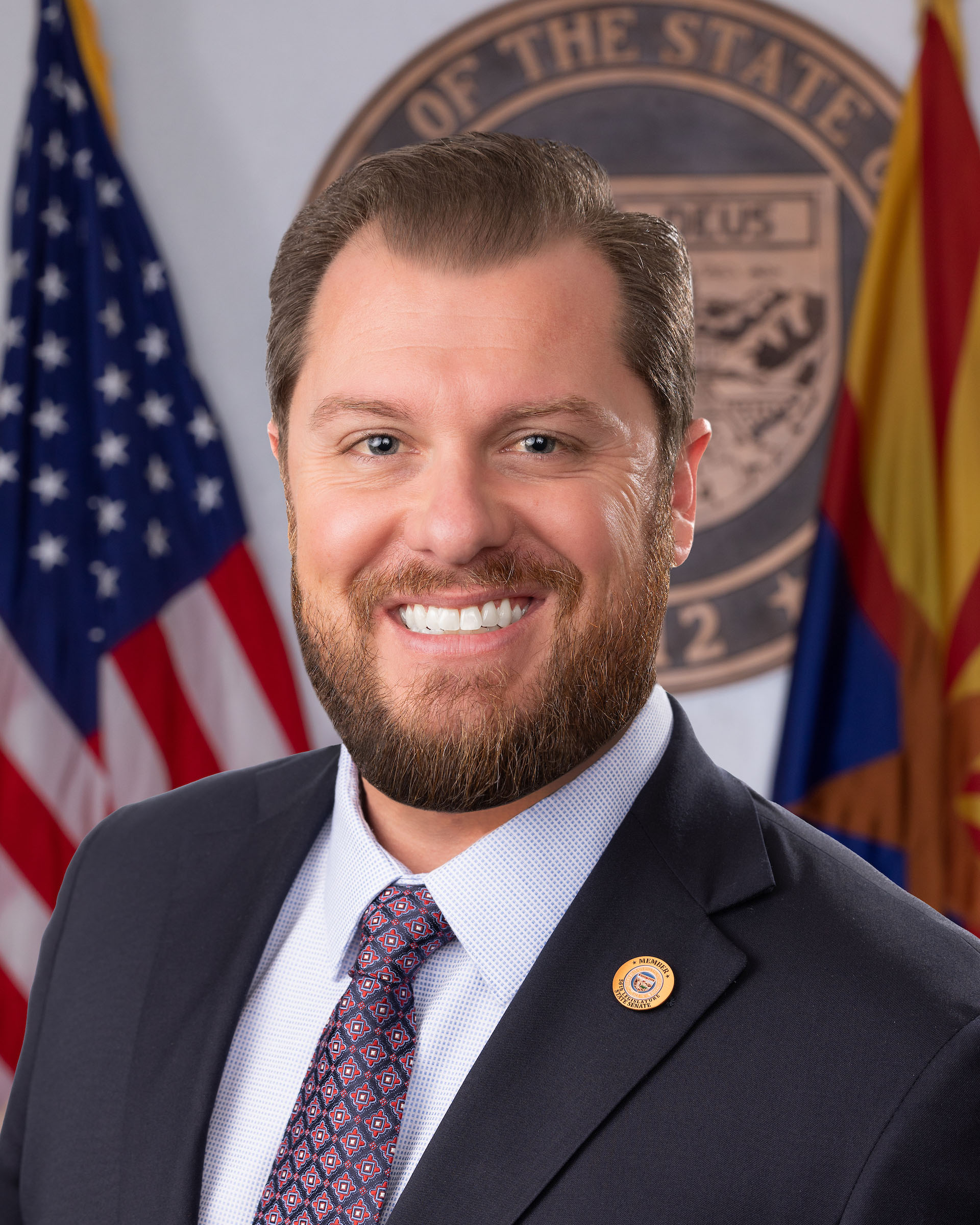
Seth Blattman
Seth Blattman House · District 9
D
Strong +
100% 5
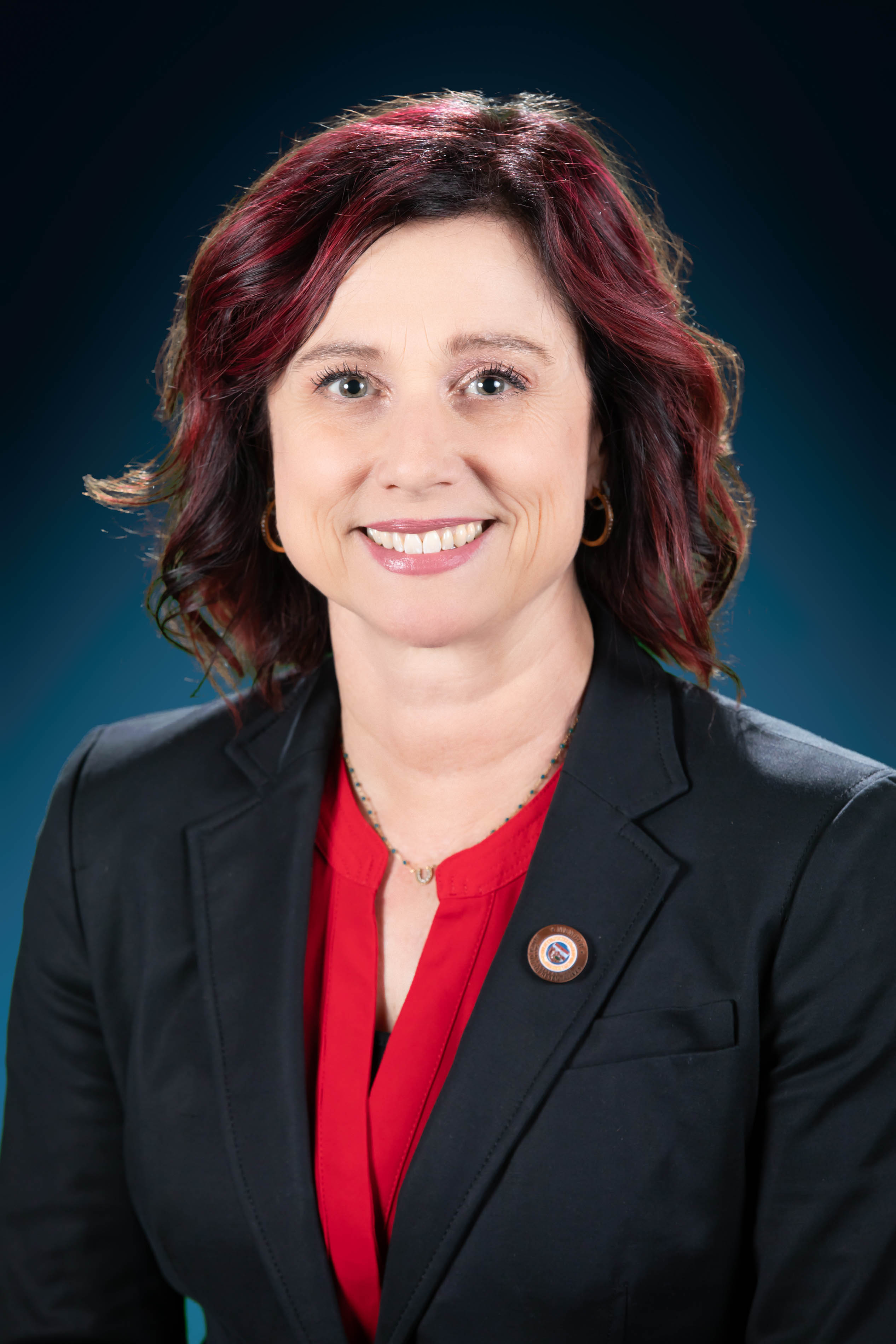
Janeen Connolly
Janeen Connolly House · District 8
D
Strong +
92% 12
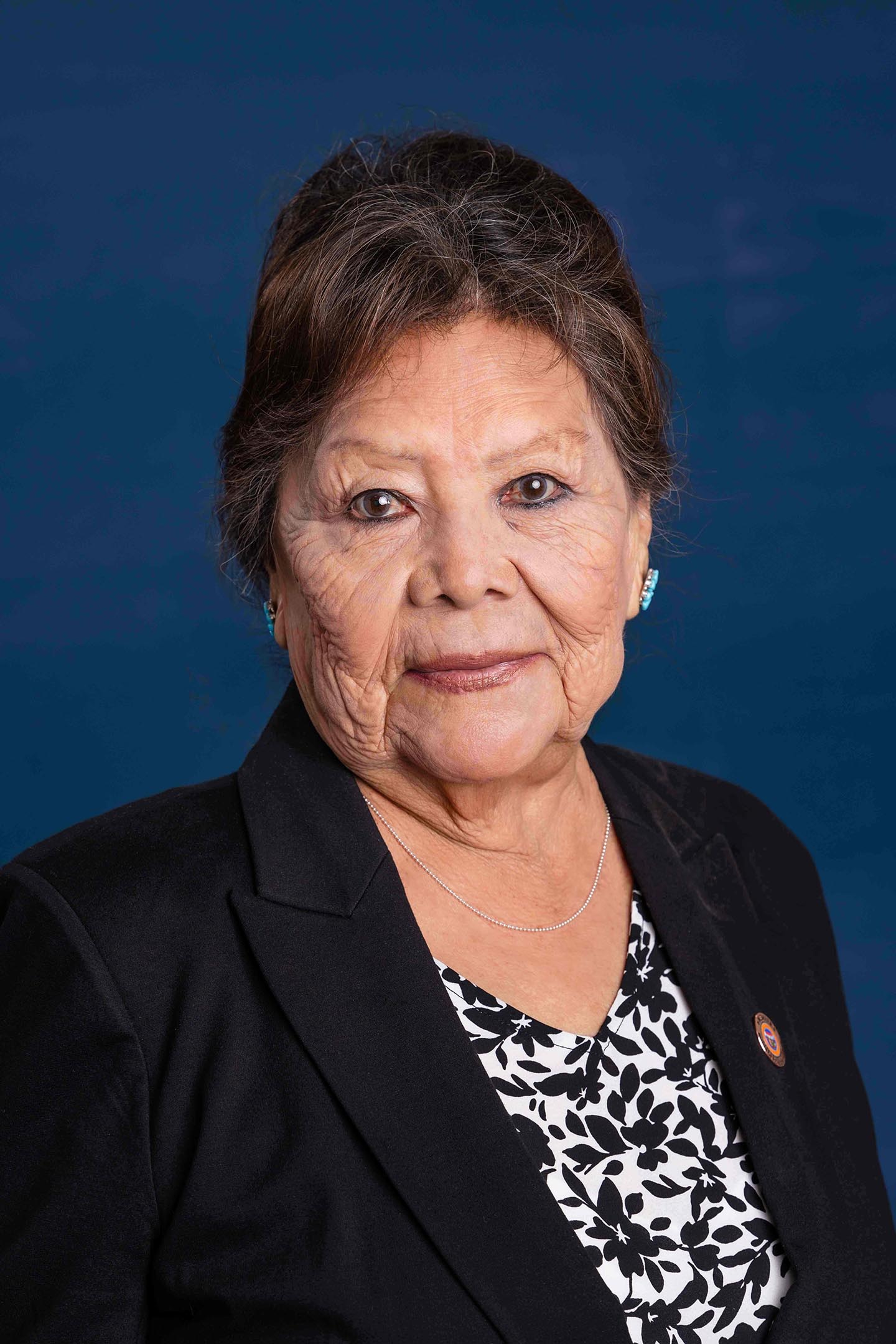
Mae Peshlakai
Mae Peshlakai House · District 6
D
Strong +
92% 12
Nancy Gutierrez
Nancy Gutierrez House · District 18
D
Strong +
88% 8
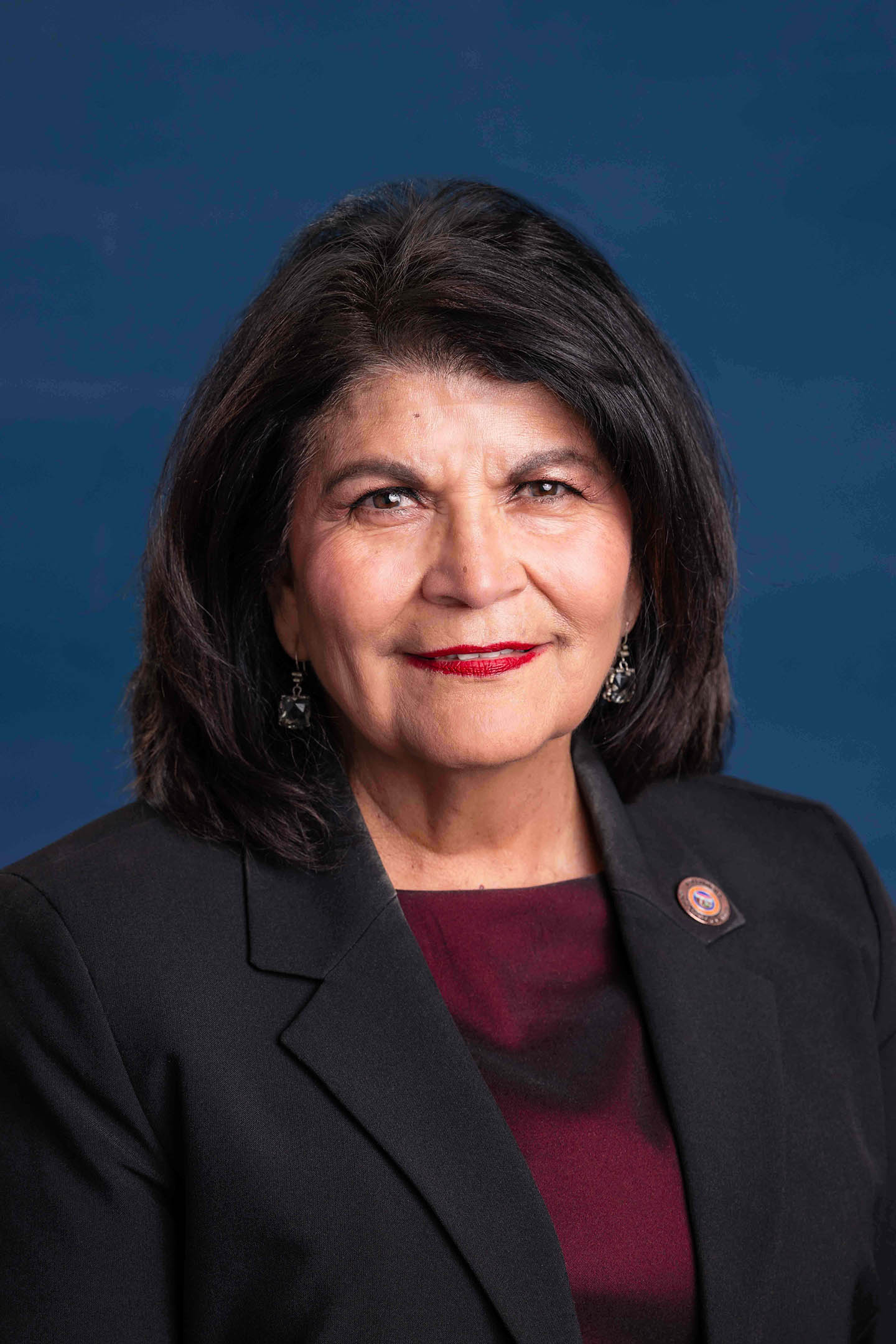
Betty Villegas
Betty Villegas House · District 20
D
Strong +
86% 14
Jake Hoffman
Jake Hoffman Senate · District 15
R
Oppose
37% 19
Mitzi Epstein
Mitzi Epstein Senate · District 12
D
Mixed −
42% 19
Justin Olson
Justin Olson House · District 10
R
Mixed −
43% 14
Khyl Powell
Khyl Powell House · District 14
R
Mixed −
43% 14
Lupe Diaz
Lupe Diaz House · District 19
R
Mixed −
43% 14
Showing 11–20 of 54 bills

All criminal justice bills

introduced · Arizona · House Feb 11, 2026

HB 4075: civil rights; right to vote

HB 4075 automatically restores voting rights to individuals released from prison after a felony conviction in Arizona, eliminating the need for a separate application (via new Section 13-926). It also establishes automatic restoration of most civil rights (like jury service and firearm possession, excluding certain violent offenses) for first-time felony offenders upon completing probation and paying victim restitution (Section 13-907). The bill prohibits state employment discrimination based solely on prior felony or misdemeanor convictions, except for law enforcement roles (Section 13-904). These changes apply to individuals convicted of felonies in Arizona or other jurisdictions, with specific exceptions for dangerous or serious offenses regarding firearm rights.
introduced · Arizona · Senate Feb 9, 2026

SB 1766: inmate labor; wages

SB 1766 sets minimum wage standards for prisoners working in Arizona state prisons or contracted private prisons under the prison industries program. It requires at least $1.50 per hour for most prison labor and $2 per hour for private prison contracts, with compensation based on work quality and skill. The bill mandates deductions from prisoner earnings for court fees, dependent care, a transition program, and room and board, with remaining funds placed in a retention account accessible upon release. Prisoners are explicitly not considered employees and do not qualify for workers' compensation benefits. This law directly affects incarcerated individuals participating in Arizona's prison work programs.
introduced · Arizona · House Feb 11, 2026

HB 4094: prisoners; release credits

HB 4094 modifies Arizona's prisoner release rules by requiring inmates to achieve an 8th-grade functional literacy level before earning early release credits, affecting inmates who haven't met this standard by their release eligibility date. The bill also expands victim notification rights, mandating that victims receive release notices 15 days in advance and have 20 days to object to early release. Additionally, it establishes a transition program providing up to 90 days of community services (like counseling and job training) for eligible inmates, with strict eligibility criteria excluding those convicted of sexual offenses or violent crimes. The Department of Corrections must annually report recidivism rates and program participation to state leaders.
introduced · Arizona · Senate Feb 9, 2026

SB 1784: juveniles; sentence reduction; hearing

SB 1784 allows courts to reduce prison sentences for individuals who were under 18 when they committed serious offenses and have served at least 15 years. It requires a court hearing to determine if the person poses a public safety risk, considering factors like their age at the time of the offense, rehabilitation efforts, completion of educational programs, and family circumstances. If the court finds no safety risk, it must reduce the sentence to a term below the original minimum, with a presumption in favor of community supervision. The bill applies directly to incarcerated individuals sentenced as juveniles for offenses requiring over 15 years in prison.
passed · Arizona · Senate Mar 30, 2026

SB 1213: probation; immigration enforcement; court notification

SB 1213 requires Arizona law enforcement to verify the immigration status of individuals arrested for any offense when there is reasonable suspicion they are undocumented, using federal verification methods. It mandates that courts immediately notify U.S. Immigration and Customs Enforcement (ICE) or U.S. Customs and Border Protection (CBP) when an undocumented immigrant is released from jail or fined for a crime. The bill also allows secure transport of undocumented immigrants to federal custody, requiring judicial authorization for transport outside Arizona. Additionally, it presumes lawful presence for individuals presenting Arizona driver's licenses, tribal IDs, or other specified identification.
failed · Arizona · Senate Feb 18, 2026

SB 1285: prisoners; correctional facilities; sentencing

SB 1285 modifies Arizona's sentencing laws for prisoners. It requires new prison sentences to run consecutively (one after another) if a person commits a felony offense while under correctional supervision (e.g., in state, private, or federal custody). For murder convictions, it clarifies that life sentences with "natural life" (no parole eligibility) apply in specific cases, and sets minimum service periods (25 or 35 years) before release for life sentences involving minors or vulnerable victims. The bill also adjusts sentencing procedures by requiring prosecutors to prove aggravating circumstances beyond a reasonable doubt and defendants to prove mitigating circumstances by a preponderance of evidence.
introduced · Arizona · House Jan 21, 2026

HB 2523: prisoners; strip search; pat search

HB 2523 regulates strip searches and pat searches (frisks) of prisoners in Arizona state prisons. It requires that all such searches be conducted by a correctional officer of the same gender as the prisoner, except in emergencies where opposite-gender searches are allowed only with strict documentation. The bill mandates detailed logs including officer names, badge numbers, prisoner ID, and the reason for cross-gender searches, plus presence of a witness when possible. It also prohibits touching body parts during strip searches except for head inspections. This directly affects prisoners and correctional officers in Arizona Department of Corrections facilities.
Sub-Topics Corrections
introduced · Arizona · Senate Feb 3, 2026

SB 1541: budget stabilization fund; public safety salaries

SB 1541 allows Arizona's Department of Corrections and Department of Public Safety to use funds from the state's Budget Stabilization Fund for 10% salary increases for their employees and sworn officers during fiscal years when the state general fund has no surplus. It specifies that the departments may draw up to a set amount (blanked in the text) from the fund for this purpose each qualifying year. The bill expires on June 30, 2029, ending this funding mechanism after that date. This directly affects state correctional and public safety personnel by providing a potential salary boost under specific budget conditions.
passed both · Arizona · Senate May 5, 2026

SB 1635: unlawful alert; arrests

SB 1635 makes it a class 1 misdemeanor to intentionally warn someone about an imminent or ongoing arrest with the goal of hindering, delaying, or preventing that arrest. It directly affects people who alert suspects during active law enforcement operations, such as by phone, gesture, or sound signals. The law excludes attorneys giving legal advice, responses to law enforcement requests, accidental communications, or warnings without intent to obstruct arrest. Violations could result in fines or jail time, as the bill defines "unlawful alerting" to include electronic messages, verbal warnings, or intentional signaling like bells or whistles.
failed · Arizona · Senate Jun 12, 2026

SB 1170: narcotic drugs; sales; minor; sentencing

SB 1170 amends Arizona's drug sentencing laws to impose mandatory minimum prison terms for specific fentanyl offenses. It sets a 5- to 15-year minimum sentence for selling or possessing at least 200 grams of fentanyl (or 200 grams in a vehicle), increasing to 10- to 20 years for repeat offenders. The bill also creates a separate mandatory sentence for anyone convicted of selling fentanyl that causes a minor's death. These provisions directly affect individuals convicted of large-scale fentanyl sales or possession, removing probation eligibility and requiring minimum prison terms for these offenses.
Showing 11 to 20 of 54 bills
Previous 1 2 3 6 Next