

Issue · Budget & Taxes
Budget & Taxes (State Budget)
Every budget & taxes bill, vote, and legislator stance in Arizona, automatically classified by Maddy, our AI policy reader.
Total bills
187
57th Legislature - Second Regular Session
Top supporter
David Gowan
100% support rate
Top opponent
Consuelo Hernandez
12% support rate
Ranked legislators
10
5 support · 5 oppose
Key legislators
Who's moving state budget in Arizona
| Legislator | Party | Stance | Support rate | Votes |
|---|---|---|---|---|
David Gowan
Senate · District 19
|
R |
Strong +
|
100% | 41 |
Hildy Angius
Senate · District 30
|
R |
Strong +
|
100% | 41 |
John Kavanagh
Senate · District 3
|
R |
Strong +
|
100% | 41 |
T.J. Shope
Senate · District 16
|
R |
Strong +
|
100% | 41 |
Tim Dunn
Senate · District 25
|
R |
Strong +
|
100% | 41 |
Consuelo Hernandez
House · District 21
|
D |
Strong −
|
12% | 26 |
Mariana Sandoval
House · District 23
|
D |
Strong −
|
12% | 32 |
Anna Abeytia
House · District 24
|
D |
Strong −
|
13% | 23 |
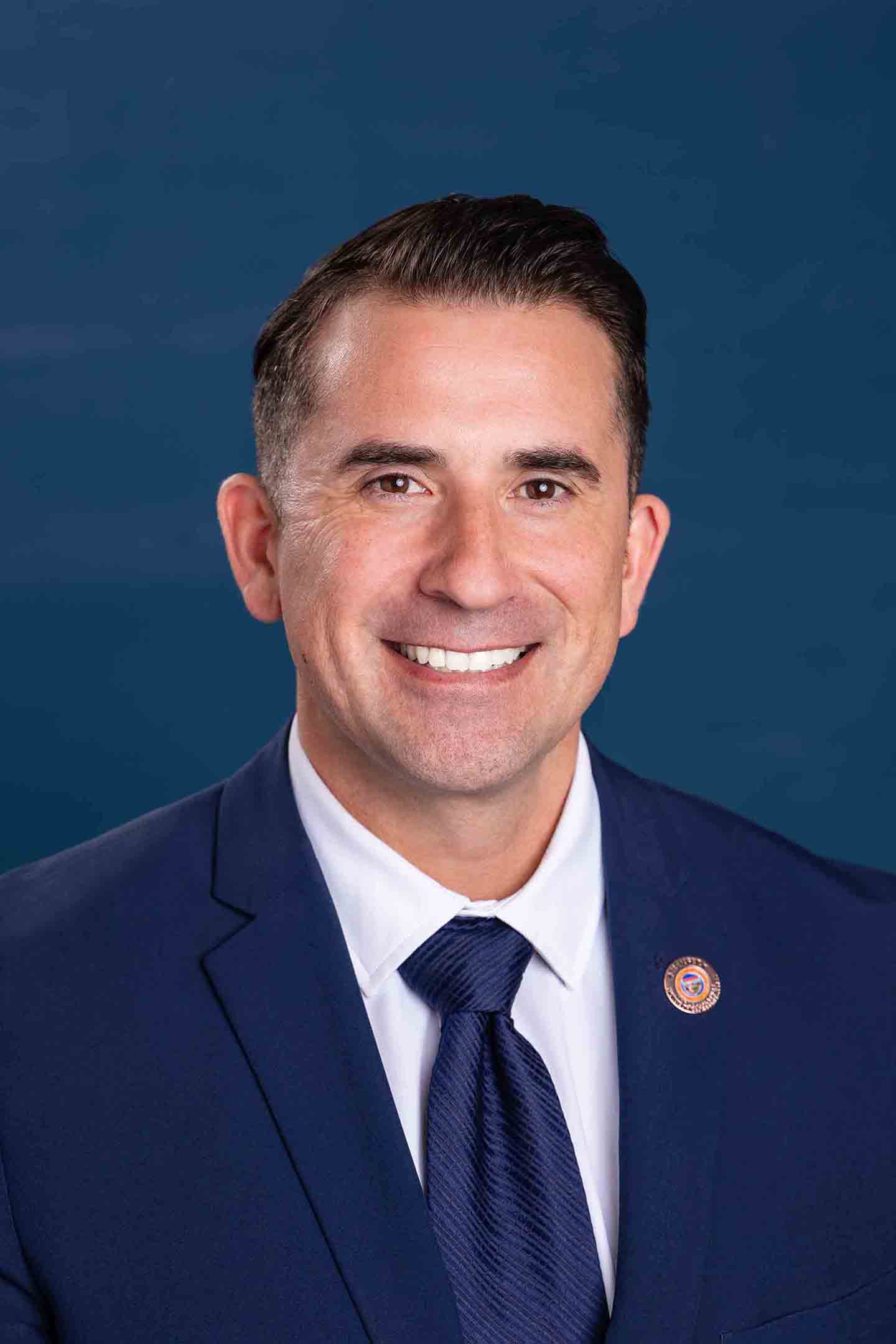
Aaron Marquez
House · District 5
|
D |
Strong −
|
14% | 28 |
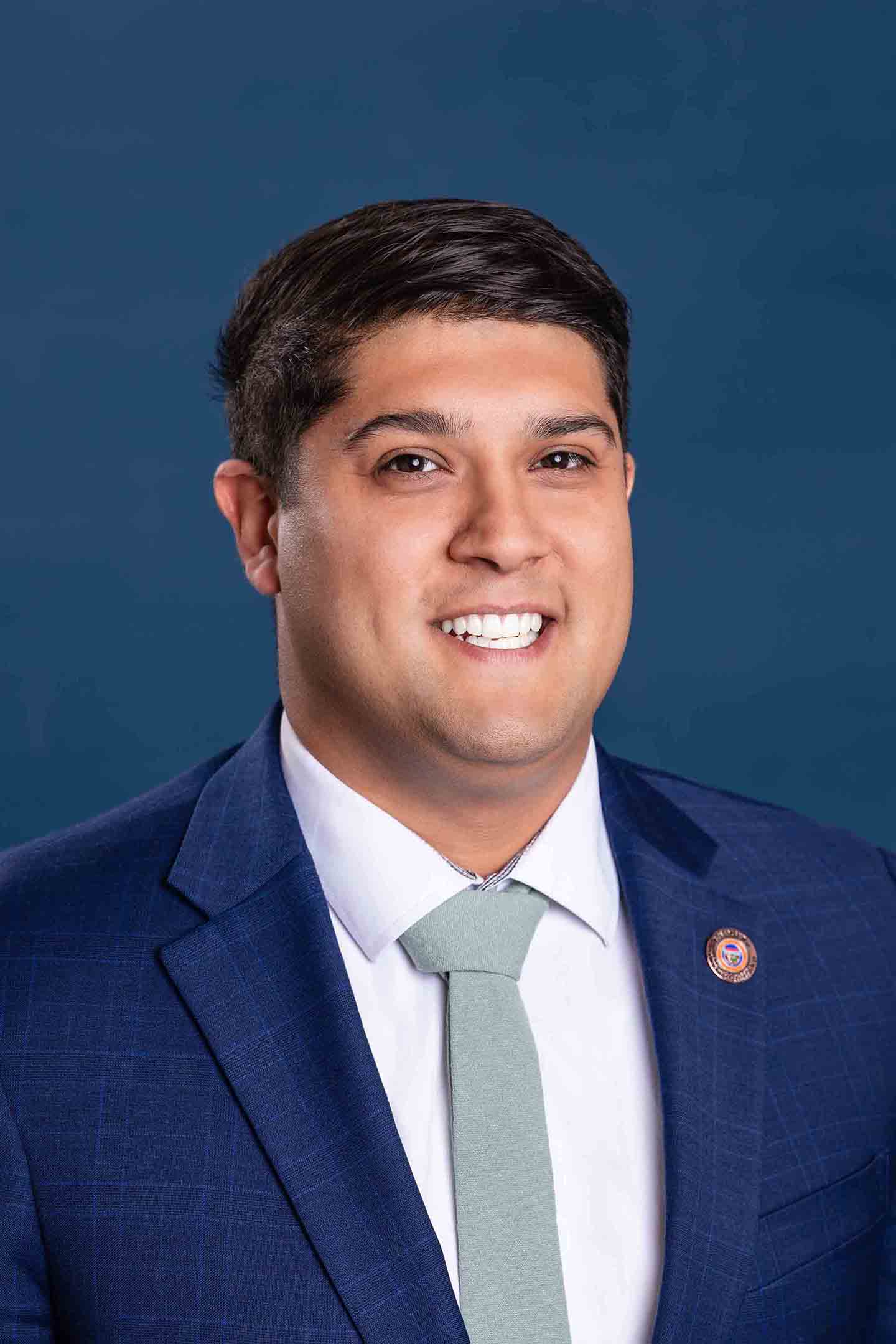
Cesar Aguilar
House · District 26
|
D |
Strong −
|
15% | 26 |
Showing 31–40 of 187
bills
All budget & taxes bills
HB 4084: indigent defense fund; eviction cases
Topics
✓ Budget & TaxesSupports Budget & TaxesBill expands state indigent defense fund for eviction cases, requiring state funds to supplement (not replace) county funding and ensuring year-to-year availability without annual approval, increasing public service funding.
✓ HousingSupports HousingExpands indigent defense to eviction cases, providing legal aid for low-income tenants and strengthening tenant protections through dedicated funding.
HB 4077: ASDB; capital improvements; financing; authority.
Topics
✓ Budget & TaxesSupports Budget & TaxesCreates dedicated fund for ASDB capital projects with fiscal safeguards (exempt from annual lapsing, $16M cap), promoting responsible budget management for essential public infrastructure.
✓ EducationSupports EducationBill creates dedicated fund for ASDB infrastructure repairs and construction, enabling long-term capital improvements without annual budget lapsing.
Sub-Topics
State Budget
HB 4129: DPS; mental health; wellness; appropriation
Topics
✓ Budget & TaxesSupports Budget & TaxesAllocates $15M from state general fund for law enforcement mental health program, advancing public service funding within fiscal management.
✓ Criminal JusticeSupports Criminal JusticeFunds mental health program for law enforcement officers, promoting officer wellness and accountability within criminal justice system.
✓ HealthcareSupports HealthcareFunds mental health services for law enforcement via $15M appropriation, expanding access to counseling, crisis support, and suicide prevention training.
✓ Labor & EmploymentSupports Labor & EmploymentProvides confidential mental health services for law enforcement officers, enhancing workplace safety and wellness protections as part of employment standards.
SB 1735: appropriation; Navajo Route 8090; improvements
Topics
✓ Budget & TaxesSupports Budget & TaxesAppropriates $12.175M from state fund for Navajo Nation road improvements, directly funding public infrastructure through budget allocation.
✓ TransportationSupports TransportationAppropriates $12.175M for Navajo Route 8090 roadway upgrades (raising, drainage, graveling), directly funding transportation infrastructure improvements.
SB 1798: school safety; identification system; appropriation
Topics
✓ Budget & TaxesSupports Budget & TaxesBill explicitly appropriates funds for school safety pilot program, directly funding a public safety initiative within state budget management.
✓ TechnologySupports TechnologyProhibits storage of biometric data and live monitoring, directly protecting privacy in technology implementation per bill's privacy compliance requirements.
HB 4029: income tax changes; notification; forms
SB 1736: appropriation; Navajo water supply
SB 1734: appropriation; Dennehotso pedestrian path
Topics
✓ Budget & TaxesSupports Budget & TaxesAllocates $5.9M from state general fund for public infrastructure project, directly increasing government spending on public service.
✓ TransportationSupports TransportationAllocates $5.9M for pedestrian path infrastructure (transportation project) via Navajo Nation, directly funding transportation infrastructure development.
SB 1762: state land auction; park; appropriation
Topics
✓ Budget & TaxesSupports Budget & TaxesBill appropriates state general fund money for park development, directly funding a public project through budget allocation without tax changes.
✓ EnvironmentSupports EnvironmentFunds park development through land acquisition and trust land auctions, directly supporting conservation and natural resource protection in Yuma County.