Maddy summaryThis bill extends dependency and indemnity compensation to surviving spouses of veterans who die from amyotrophic lateral sclerosis (ALS), treating ALS-related deaths as qualifying for benefits regardless of how long the veteran had the disease before death. It requires surviving spouses to have been married to the veteran for at least eight continuous years prior to death to qualify for compensation. The changes apply to veterans dying from ALS on or after October 1, 2025. Additionally, the bill requires the Veterans Affairs Secretary to submit a report within 180 days of enactment identifying other service-connected disabilities with high mortality rates that might warrant similar treatment.
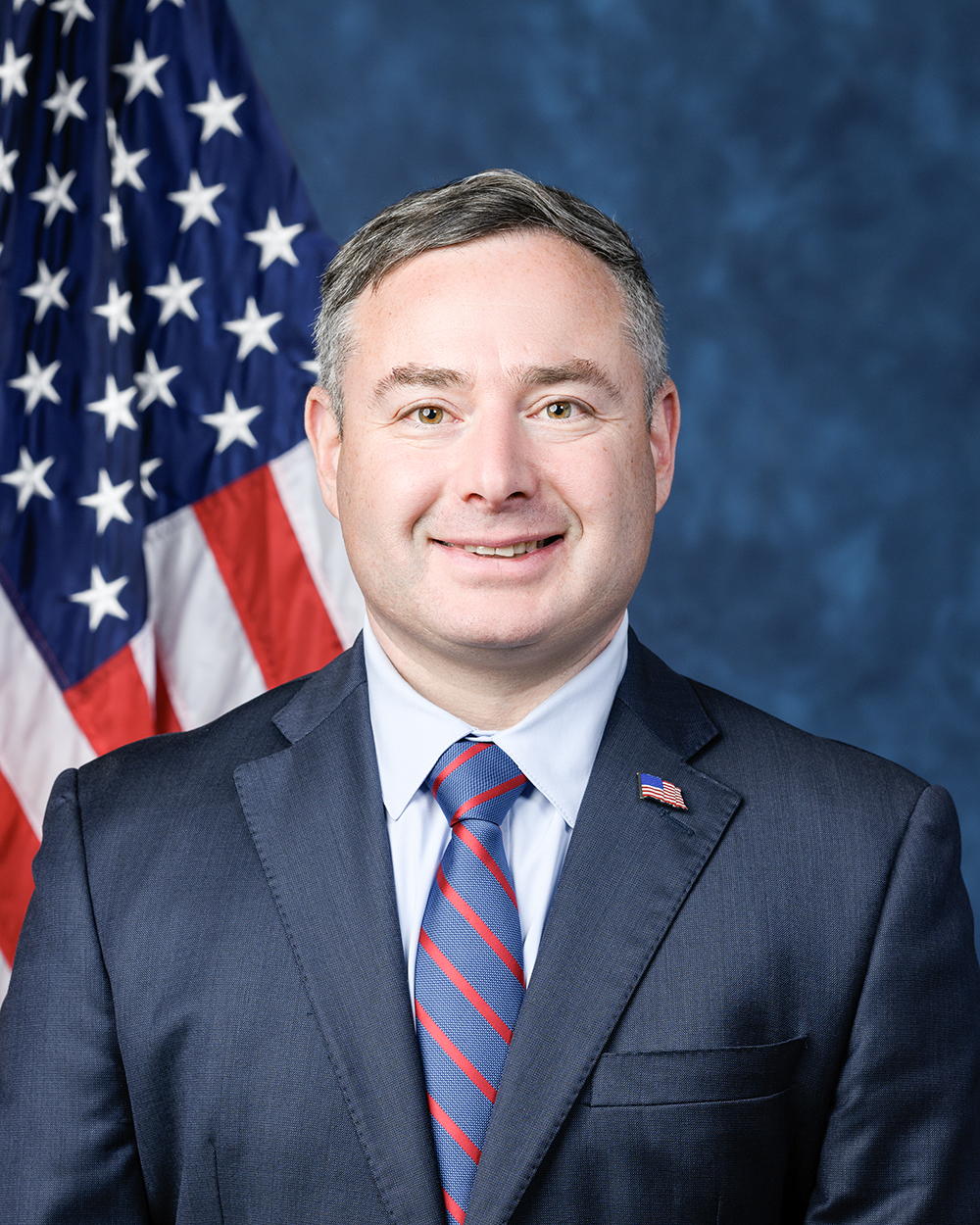
Rep. Eugene Simon Vindman
Sponsored bills
Maddy summaryHR 1458, the VETS Opportunity Act of 2025, amends VA education benefits rules to ensure veterans using these benefits for independent study courses receive meaningful instruction. It requires that such courses include regular, substantive interaction between students and instructors, and limits eligibility to programs at institutions approved for federal student aid under the Higher Education Act. This directly affects veterans pursuing online or self-paced courses using VA education benefits. The changes apply to courses starting August 1, 2025, and aim to standardize benefit access for qualifying educational programs.
Maddy summaryHR 7322, the True Shutdown Fairness Act, requires federal agencies to pay regular wages to most employees and contractor workers during government shutdowns in fiscal year 2026, instead of furloughing them. It applies to all standard federal employees (excluding those on emergency duty) and contractor workers whose jobs would normally halt during a funding gap. Agencies must pay covered employees within 7 days of the bill's enactment for ongoing shutdowns, and contractors receive reimbursement for costs incurred keeping workers paid. The bill also prohibits agencies from implementing layoffs or placing employees on administrative leave for more than 10 days during a shutdown.
Maddy summaryHR 7307, the SUPPLIES Act, requires the State Department and USAID to create procedures within 60 days for handling unused supplies (like medicine, vaccines, or food) after foreign aid projects end. These procedures must prioritize preventing waste by ensuring supplies aren't destroyed, diverted, or expired without use. The bill mandates that these procedures be published online by both agencies. It directly affects U.S. government agencies and foreign aid partners managing aid supplies. The law defines "commodity" broadly to include perishable items held in warehouses or storage facilities for foreign assistance programs.
Maddy summaryThis bill exempts certain less-than-lethal projectile devices from federal sales taxes and National Firearms Act restrictions. It directly affects manufacturers, importers, and producers of these devices, which are defined as non-lethal tools (like rubber bullets or beanbag rounds) designed not to cause serious injury and unable to be easily converted to use standard firearm ammunition. Key mechanisms include a 90-day classification process for manufacturers seeking exemption, an annual public list of approved devices, and annual congressional reports on devices excluded from the exemption. The policy change applies to devices meeting specific safety criteria, such as projectile velocity limits and design features preventing misuse as conventional weapons.
Maddy summaryHJRES 144 is a congressional disapproval resolution targeting a specific rule issued by the Department of Veterans Affairs (VA) on December 31, 2025, which addressed "Reproductive Health Services" (90 Fed. Reg. 61310). This resolution directs Congress to disapprove the VA rule under Chapter 8 of Title 5, U.S. Code, meaning the rule would have no legal effect if passed. The bill directly affects the VA's implementation of reproductive health services for veterans, as it seeks to nullify the agency's existing policy. This is a procedural measure, not a substantive policy change, aimed solely at blocking the VA's rule through congressional action.
Maddy summaryHR 5764, the "AI for Main Street Act," amends the Small Business Act to require the Small Business Administration (SBA) to provide guidance and training to small business concerns on using artificial intelligence. It directly affects small businesses by adding new SBA responsibilities to help them evaluate AI for operations, including best practices, cybersecurity, data protection, regulatory compliance, and customer trust. Key provisions mandate the SBA to offer information, training, and outreach on incorporating AI into business processes, such as planning for unexpected circumstances. The bill does not authorize new funding for these activities. It defines "artificial intelligence" using the existing term from the National AI Initiative Act.
Maddy summaryThe Main Street Parity Act (HR 5763) adjusts eligibility rules for small businesses seeking SBA loans to acquire, build, convert, or expand facilities. It modifies Section 502(3)(C) of the Small Business Investment Act by removing two specific criteria and reorganizing the remaining requirements. This change directly affects small businesses applying for these particular SBA loans, simplifying the application process by eliminating outdated or redundant conditions. The bill makes technical adjustments to the loan criteria without creating new programs or altering funding levels.
Maddy summaryThe Trafficking Survivors Relief Act (HR 4323) allows victims of human trafficking to petition courts to vacate convictions for non-violent federal crimes (level A offenses) or expunge arrest records if those offenses were directly related to their trafficking victimization. The bill establishes clear procedures for filing these motions, requires courts to consider testimony from anti-trafficking service providers, and ensures confidentiality for petitioners. It also adds a new "human trafficking defense" that permits defendants to claim duress due to trafficking victimization in criminal cases. The law mandates reports to Congress on implementation, including the number of petitions filed and outcomes, to assess its impact on trafficking survivors.
Maddy summaryHCONRES 68 would require the President to remove U.S. military forces from Venezuela unless Congress has explicitly authorized their use through a declaration of war or a specific law. This applies to any U.S. Armed Forces currently stationed in Venezuela without such authorization. The resolution is based on the War Powers Resolution, which mandates congressional oversight of military deployments. It directs the immediate withdrawal of unapproved forces without adding new time limits or conditions.