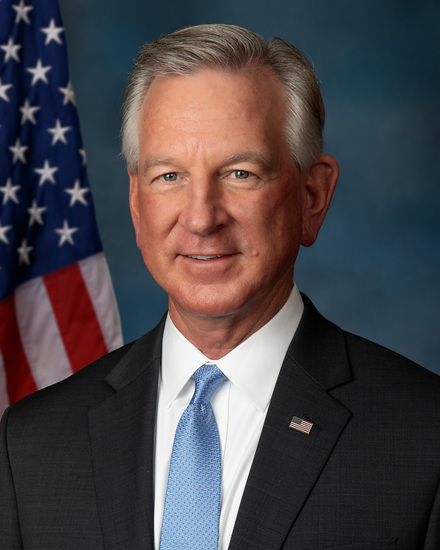
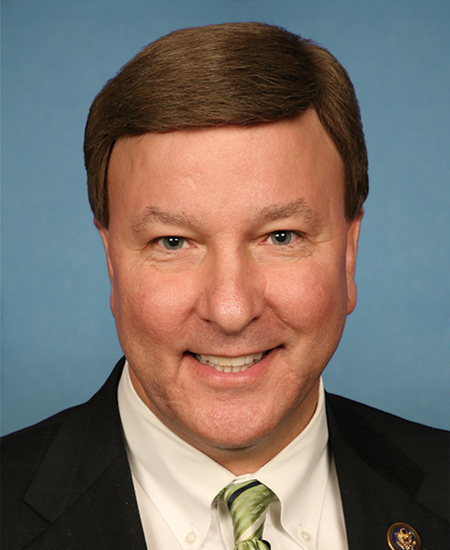
The K-12 AI Literacy and Readiness Act of 2026 allows federal education funds to be used for teaching artificial intelligence to students and training educators on how to use it responsibly. By amending the Elementary and Secondary Education Act, the bill permits schools to spend money on AI curricula that focus on safe and effective usage, as well as professional development for teachers and staff. This change directly affects state and local school districts by expanding the list of allowable expenses to include specific instruction on AI tools and the skills needed to teach them. The legislation defines artificial intelligence using the same standard established in the National Artificial Intelligence Initiative Act of 2020 to ensure consistency across programs.
The AI Transparency in Elections Act of 2026 requires political advertisements containing content substantially generated by artificial intelligence to include clear and conspicuous disclaimers. These labels must appear on images, audio, and video ads that advocate for or against candidates, solicit contributions, or refer to candidates within 120 days of an election. The bill mandates that visual disclaimers be as large as the main text, while audio disclaimers must be spoken for at least four seconds at the beginning or end of the recording. Violations of these disclosure rules could result in civil money penalties of up to $50,000 per ad, and the Federal Election Commission is tasked with creating specific regulations to enforce the law.
Tags
Artificial Intelligence
The STOP Child Care Fraud Act aims to reduce fraud and improve oversight within the federal child care subsidy program by requiring stricter verification processes for parents and providers. States must now verify family income and assets without relying on self-certification, limit payment exceptions for absent children to six days per month, and use electronic tools to confirm attendance. The bill also mandates that states integrate data from various systems to detect suspicious patterns and requires the federal government to review state compliance at least every three years. Additionally, the law establishes a national database of disqualified providers, imposes stricter penalties for audit failures, and sets specific asset and income limits for eligible families.
The Stop CHEATERS Act directs the Internal Revenue Service to increase its enforcement efforts against high-income individuals and large corporations by allocating billions of dollars in additional funding for tax audits, criminal investigations, and taxpayer services through fiscal year 2031. A significant portion of this funding is designated for modernizing the IRS's technology and business systems to improve its ability to detect fraud and noncompliance. The legislation also requires the IRS Commissioner to submit regular reports to Congress detailing plans to shift auditing resources toward wealthy taxpayers and analyzing how much unpaid tax is owed by different income groups.
This bill directs the Assistant Secretary of Commerce for Communications and Information to conduct a comprehensive study on various broadband internet technologies, including fiber-optic cables, satellite systems, and mobile wireless networks. The study will examine specific factors such as workforce needs, deployment costs, internet speed and latency, equipment lifespan, and monthly subscription prices for consumers. The findings will be compiled into a report submitted to Congress within one year of the bill's enactment to inform future policy decisions regarding broadband infrastructure.
This bill establishes a five-year demonstration program to fund projects that improve mentorship practices for faculty, graduate students, and postdoctoral researchers in science, technology, engineering, and mathematics fields. It allows the National Science Foundation to award grants to universities and nonprofit organizations for initiatives focused on building mentoring skills, training cultural competencies, and researching better mentorship methods, with special priority given to minority-serving and rural institutions. Additionally, the legislation updates reporting requirements to include institutional processes for addressing harassment, discrimination, and professional misconduct. The program is authorized to receive up to $5 million annually from fiscal years 2027 through 2031, with a requirement to report on its effectiveness after five years.
This resolution expresses the House's sense that parents need clear and accurate information about video content to make informed decisions for their children. It calls on the Federal Communications Commission to modernize the existing ratings system to cover all video platforms, including streaming services, and to ensure content descriptions are neutral and specific. The bill also urges the creation of an oversight body that includes parents and child advocates alongside industry representatives to increase transparency in how ratings are assigned. Ultimately, it seeks to improve parental guidance tools and public awareness without mandating specific changes to current laws.
The American Reserve Modernization Act of 2026 directs the U.S. Treasury to create two new accounts: a Strategic Bitcoin Reserve for Bitcoin acquired through government forfeiture and a Digital Asset Stockpile for other digital assets. The bill mandates that all Bitcoin held in the reserve be kept for at least 20 years, with strict rules against selling or disposing of these assets during that time. It also establishes a transparency system requiring quarterly public reports and third-party audits to verify the government's holdings and management of these digital assets.
The Semiconductor Superiority Act expands the advanced manufacturing investment credit to include semiconductor facilities located in outer space, specifically low-Earth orbit. This provision allows companies to claim tax credits for equipment used in space-based manufacturing, even if some components are not physically located in orbit or are used for transporting crew and supplies. The bill also clarifies that flight control, crew habitation, and repair activities in space count as manufacturing functions for the purpose of this credit. Additionally, the law excludes rockets and launch vehicles from qualifying as eligible property under this new rule. These changes apply only to facilities and equipment placed in service after the act is enacted.
The NO FAKES Act of 2026 establishes a new property right for individuals to control the creation and use of their digital voice and visual likeness replicas, extending protection to both living people and their heirs for up to 70 years after death. The bill requires companies and platforms that distribute these digital replicas or sell tools to create them to obtain explicit authorization from the right holder, while also setting up a notification system for online services to remove unauthorized content. Additionally, the law preempts existing state laws regarding digital likeness rights and includes specific penalties and safe harbor protections for platforms that comply with the new requirements.