Issue · Technology

Technology

Every technology bill, vote, and legislator stance in Alabama, automatically classified by Maddy, our AI policy reader.

Total bills
119
119th Congress
Top supporter
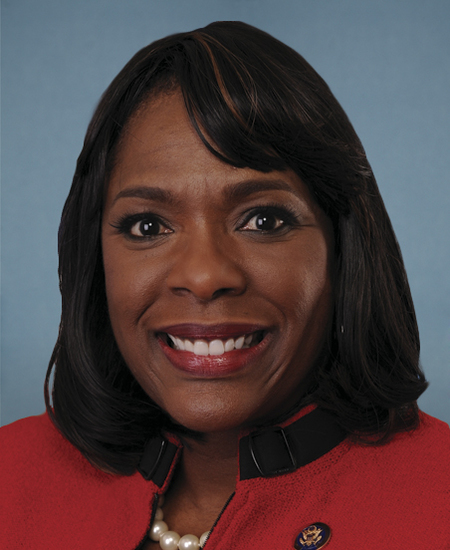
Terri A. Sewell
82% support rate
Top opponent
Dale W. Strong
25% support rate
Ranked legislators
7
2 support · 5 oppose
Key legislators

Who's moving technology in Alabama

Legislators moving technology in Alabama
Legislator Party Stance Support rate Votes
Terri A. Sewell
Terri A. Sewell House · District 7
D
Strong +
82% 261
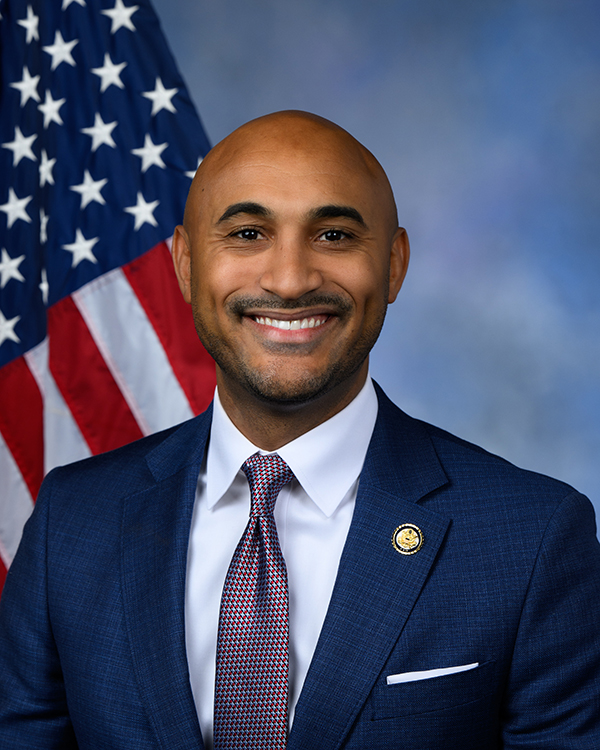
Shomari Figures
Shomari Figures House · District 2
D
Support
76% 259
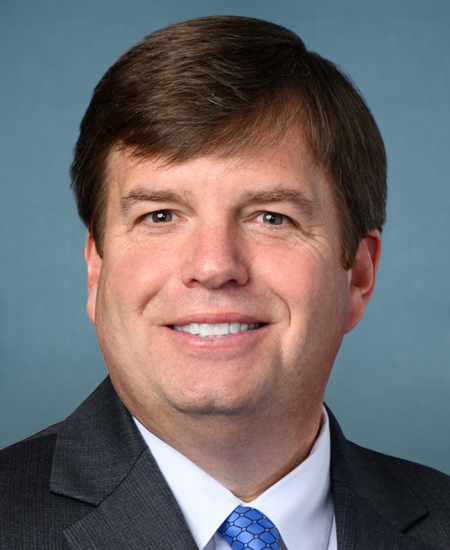
Dale W. Strong
Dale W. Strong House · District 5
R
Oppose
25% 255
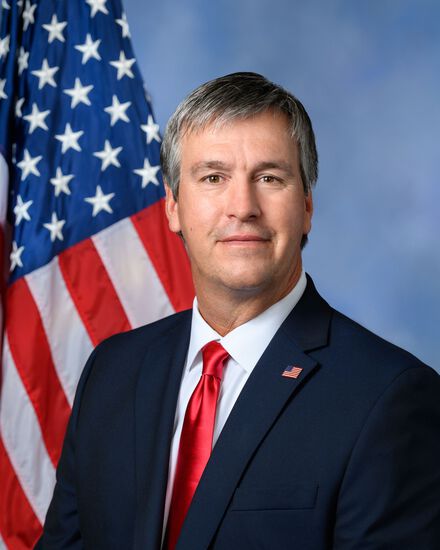
Barry Moore
Barry Moore House · District 1
R
Oppose
27% 258
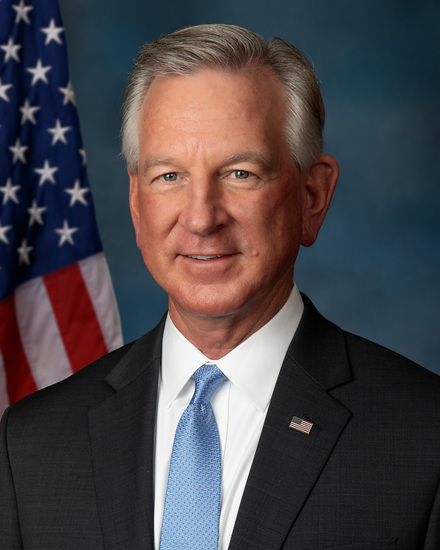
Tommy Tuberville
Tommy Tuberville Senate
R
Oppose
31% 223
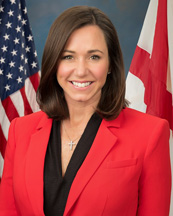
Katie Boyd Britt
Katie Boyd Britt Senate
R
Oppose
31% 228
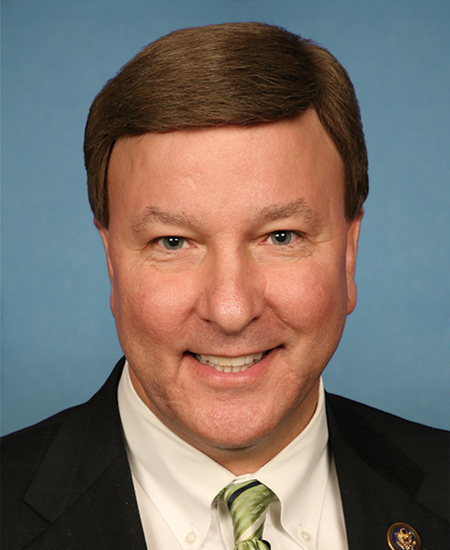
Mike Rogers
Mike Rogers House · District 3
R
Oppose
32% 259
Showing 1–10 of 119 bills

All technology bills

in committee · United States · House Aug 3, 2026

HR 10017: Permanent CBDC Ban Act

This bill, titled the Permanent CBDC Ban Act, aims to permanently prohibit the Federal Reserve from issuing a central bank digital currency. It achieves this by amending the Federal Reserve Act to remove the specific legal authority that allows the Reserve to create such a digital currency. The legislation directly affects the Federal Reserve by stripping away its power to launch a digital version of the dollar. By deleting the relevant subsection of the law, the bill ensures that the Reserve cannot issue a CBDC in the future.
in committee · United States · Senate Aug 4, 2026

S 5225: K–12 AI Literacy and Readiness Act of 2026

The K-12 AI Literacy and Readiness Act of 2026 allows federal education funds to be used for teaching artificial intelligence to students and training educators on how to use it responsibly. By amending the Elementary and Secondary Education Act, the bill permits schools to spend money on AI curricula that focus on safe and effective usage, as well as professional development for teachers and staff. This change directly affects state and local school districts by expanding the list of allowable expenses to include specific instruction on AI tools and the skills needed to teach them. The legislation defines artificial intelligence using the same standard established in the National Artificial Intelligence Initiative Act of 2020 to ensure consistency across programs.
in committee · United States · House Jul 23, 2026

HR 9922: AI Transparency in Elections Act of 2026

The AI Transparency in Elections Act of 2026 requires political advertisements containing content substantially generated by artificial intelligence to include clear and conspicuous disclaimers. These labels must appear on images, audio, and video ads that advocate for or against candidates, solicit contributions, or refer to candidates within 120 days of an election. The bill mandates that visual disclaimers be as large as the main text, while audio disclaimers must be spoken for at least four seconds at the beginning or end of the recording. Violations of these disclosure rules could result in civil money penalties of up to $50,000 per ad, and the Federal Election Commission is tasked with creating specific regulations to enforce the law.
Tags Artificial Intelligence
in committee · United States · Senate Jul 14, 2026

S 4959: STOP Child Care Fraud Act

The STOP Child Care Fraud Act aims to reduce fraud and improve oversight within the federal child care subsidy program by requiring stricter verification processes for parents and providers. States must now verify family income and assets without relying on self-certification, limit payment exceptions for absent children to six days per month, and use electronic tools to confirm attendance. The bill also mandates that states integrate data from various systems to detect suspicious patterns and requires the federal government to review state compliance at least every three years. Additionally, the law establishes a national database of disqualified providers, imposes stricter penalties for audit failures, and sets specific asset and income limits for eligible families.
in committee · United States · House Jul 16, 2026

HR 9736: Stop CHEATERS Act

The Stop CHEATERS Act directs the Internal Revenue Service to increase its enforcement efforts against high-income individuals and large corporations by allocating billions of dollars in additional funding for tax audits, criminal investigations, and taxpayer services through fiscal year 2031. A significant portion of this funding is designated for modernizing the IRS's technology and business systems to improve its ability to detect fraud and noncompliance. The legislation also requires the IRS Commissioner to submit regular reports to Congress detailing plans to shift auditing resources toward wealthy taxpayers and analyzing how much unpaid tax is owed by different income groups.
in committee · United States · House Jun 25, 2026

HR 9453: End EPA Abuse Act of 2026

The End EPA Abuse Act of 2026 amends the Clean Air Act to limit the Environmental Protection Agency's authority to create new regulations. Specifically, it prohibits the EPA Administrator from issuing rules that restrict the sale or use of internal combustion engine vehicles, force power plants to switch fuel sources, or reduce the reliability of the electric grid. The bill also bars the agency from mandating technologies that are commercially unavailable, too expensive without subsidies, or technically unfeasible due to geographic or infrastructure limitations. Additionally, the law prevents the EPA from expanding its regulatory power beyond what Congress originally intended. These changes directly affect the EPA's ability to enforce environmental standards and impact industries such as automotive manufacturing and energy production.
in committee · United States · House Jun 24, 2026

HR 9442: Artificial Intelligence Data Center Moratorium Act

This bill, titled the Artificial Intelligence Data Center Moratorium Act, halts the construction and upgrading of large-scale artificial intelligence data centers until specific federal laws are passed. It defines these facilities as sites with high power capacity or advanced cooling systems used for developing AI models. The moratorium remains in effect until new legislation ensures federal safety reviews for AI products, mandates that economic benefits reach workers rather than just wealthy owners, prevents increases in utility bills, avoids environmental harm, requires community approval, bans government subsidies, and guarantees union jobs with strong labor standards. Additionally, the bill restricts the export of computing hardware, such as semiconductors and networking equipment, to countries that do not adopt these same protective laws for AI development.
in committee · United States · House Jun 11, 2026

HR 9286: Broadband Deployment and Economic Impact Study Act of 2026

This bill directs the Assistant Secretary of Commerce for Communications and Information to conduct a comprehensive study on various broadband internet technologies, including fiber-optic cables, satellite systems, and mobile wireless networks. The study will examine specific factors such as workforce needs, deployment costs, internet speed and latency, equipment lifespan, and monthly subscription prices for consumers. The findings will be compiled into a report submitted to Congress within one year of the bill's enactment to inform future policy decisions regarding broadband infrastructure.
in committee · United States · House Jun 8, 2026

HR 9177: Improving Mentorship in STEM Higher Education Act

This bill establishes a five-year demonstration program to fund projects that improve mentorship practices for faculty, graduate students, and postdoctoral researchers in science, technology, engineering, and mathematics fields. It allows the National Science Foundation to award grants to universities and nonprofit organizations for initiatives focused on building mentoring skills, training cultural competencies, and researching better mentorship methods, with special priority given to minority-serving and rural institutions. Additionally, the legislation updates reporting requirements to include institutional processes for addressing harassment, discrimination, and professional misconduct. The program is authorized to receive up to $5 million annually from fiscal years 2027 through 2031, with a requirement to report on its effectiveness after five years.
in committee · United States · House Jun 18, 2026

HRES 1374: Expressing the sense of the House of Representatives that parents should be provided clear, accurate, and useful information about the content of video programming so they can make informed decisions for their children.

This resolution expresses the House's sense that parents need clear and accurate information about video content to make informed decisions for their children. It calls on the Federal Communications Commission to modernize the existing ratings system to cover all video platforms, including streaming services, and to ensure content descriptions are neutral and specific. The bill also urges the creation of an oversight body that includes parents and child advocates alongside industry representatives to increase transparency in how ratings are assigned. Ultimately, it seeks to improve parental guidance tools and public awareness without mandating specific changes to current laws.
Showing 1 to 10 of 119 bills
1 2 3 12 Next