Maddy summaryThis bill requires the U.S. Fish and Wildlife Service (USFWS) and National Oceanic and Atmospheric Administration (NOAA) Fisheries to withdraw three specific proposed rules related to the Endangered Species Act. The rules would have changed how species are listed, habitats designated, and interagency cooperation is handled under the Act. The bill prohibits these agencies from finalizing, implementing, or enforcing the withdrawn proposals. It directly affects federal agencies' regulatory process for endangered species protection, halting these specific rulemaking efforts.
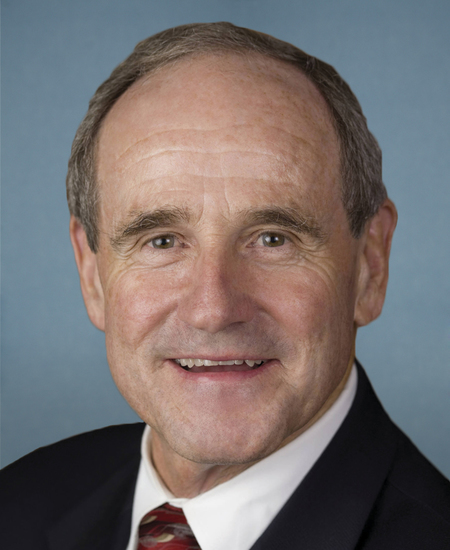
Sen. James E. Risch
Sponsored bills
Maddy summaryThis bill (S 2757) freezes current payment rates for veterans' transportation services provided through "special modes" (like non-emergency medical transport) starting January 1, 2023, preventing the VA from lowering these rates without strict conditions. It directly affects veterans relying on these transportation services and the contractors providing them. The key provision allows rate increases but requires the VA to conduct a detailed economic impact review, consult with veterans' groups and industry experts, and ensure new rates cover actual costs before any decrease can occur. This aims to protect veterans' access to care by preventing rate cuts that could disrupt transportation services.
Maddy summaryThis bill amends the Elementary and Secondary Education Act to allow schools to use existing federal funds for student sports clubs, teams, training, and related outdoor wellness activities. It directly affects K-12 schools by removing a previous restriction that barred such uses of ESEA funds. The key mechanism is an exception added to Section 8526(7), explicitly permitting these activities before the period ending that section. The change applies to funds already allocated under the ESEA, not creating new spending.
Maddy summaryThe Small Business Cyber Resiliency Act establishes a central resource hub within the Small Business Administration to improve cybersecurity support for small businesses. It requires the SBA to partner with existing small business development centers and other resource providers to deliver free cybersecurity tools, training, and incident response guidance directly to small business owners. The bill also mandates annual reports tracking how many small businesses received assistance and requires a study on cybersecurity risks faced by small businesses that shifted online during the pandemic (2020-2021). These provisions aim to make cybersecurity resources more accessible without creating new government funding.
Maddy summaryThis joint resolution (SJRES 41) seeks congressional disapproval of a specific immigration rule issued by U.S. Citizenship and Immigration Services (USCIS) and the Executive Office for Immigration Review (EOIR). The rule, published in the Federal Register on May 16, 2023, addressed "Circumvention of Lawful Pathways" in immigration processing. The resolution would formally block the rule from taking effect by directing Congress to disapprove it under procedures in Title 5 of the U.S. Code. This action directly affects how USCIS and immigration courts implement certain immigration pathways.
Maddy summaryThis non-binding Senate resolution expresses the chamber's support for nuclear power as a clean, reliable energy source critical to achieving a secure, low-emission grid. It commits the Senate to promoting nuclear energy development, including establishing domestic uranium production, strengthening the nuclear supply chain, and cultivating a skilled workforce. The resolution also highlights nuclear energy as an export opportunity for U.S. manufacturing expertise. As a procedural resolution, it does not create new laws or directly affect policy implementation.
Maddy summaryThis bill removes federal Endangered Species Act protections for grizzly bears (Ursus arctos horribilis) in the lower 48 U.S. states and a specific experimental population in Idaho and Montana. It requires the Secretary of the Interior to remove these bears from the endangered species list within two years of enactment, ending current legal restrictions. The bill also establishes a process for future protections if specific population segments meet recovery criteria, while prohibiting courts from reviewing the removal. This directly affects federal conservation management and land use decisions in states where grizzly bears live, but does not immediately allow hunting or alter existing state management plans.
Small Business Growth Act This bill increases from $1 million to $2.5 million the limitation on expensing of depreciable business assets. It also increases the asset threshold amount used to reduce the expensing limitation.
Maddy summaryThis bill requires U.S. Customs and Border Protection to maintain all northern border ports of entry (between the U.S. and Canada) open for equal or more hours daily than they operated before the pandemic. It directly affects CBP operations and travelers/businesses using these ports, mandating that hours return to pre-COVID-19 levels. The key provision specifies that operating hours must match those in effect immediately before the March 2020 public health emergency declaration related to the pandemic. The bill does not change border security policies but reverses pandemic-era reductions in port availability.
Maddy summaryThis bill creates a dedicated "Broadband and Emerging Information Technology Coordinator" within the Small Business Administration (SBA) to help small businesses adopt and use modern technologies. The coordinator will work with other federal agencies (like the FCC and Commerce Department), identify helpful tools and training, and provide staff training on technologies including AI, IoT, and 5G. It also requires the SBA to conduct a study on how broadband access and emerging tech impact small businesses, including surveys on speed, cost, and usage. The coordinator must submit biennial reports to Congress on these efforts.