

Maddy summaryThe Jewish American Security Act aims to combat antisemitism by strengthening protections for Jewish students, securing Jewish communities, and increasing transparency regarding online hate speech. For educational institutions receiving federal funds, the bill mandates the creation of specific coordinators to handle discrimination complaints, requires annual training on handling antisemitism, and establishes a new federal clearinghouse to share best practices for campus safety. To support physical security, the legislation expands grant funding for nonprofit organizations and directs the Attorney General to provide resources for law enforcement agencies protecting houses of worship. Additionally, the act requires major online platforms with over 50 million monthly users to submit detailed reports to the Federal Trade Commission on how they detect, remove, and moderate antisemitic content.
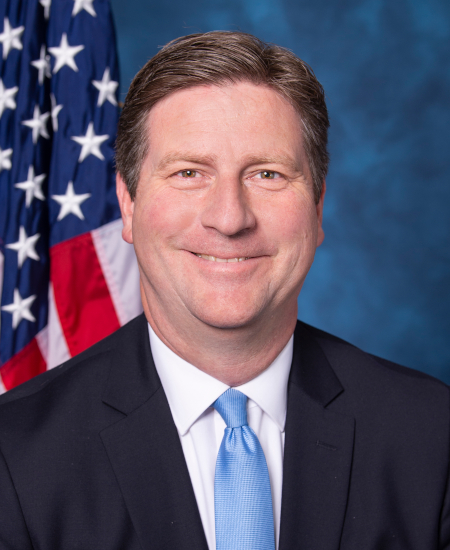
Rep. Greg Stanton
Sponsored bills
Maddy summaryThe Data Infrastructure Energy Measurement and Standards Act directs the National Institute of Standards and Technology to develop better methods for measuring energy and water use in data centers, including those running artificial intelligence models. This research program aims to create standardized definitions and reporting guidelines that account for different power systems, cooling setups, and varying workload demands. The bill also requires the agency to coordinate with industry experts and international partners to establish global standards while sharing data to improve future energy demand forecasts. To support these efforts, the legislation authorizes $10 million in funding for each of the fiscal years 2027 through 2029.
Maddy summaryThis bill redesignates the existing National Parks and Public Land Legacy Restoration Fund as the America's Legacy Restoration Fund to address deferred maintenance on federal lands. It directs revenue from recreation fees and a portion of energy development income into the fund, which must be used primarily for repairing critical infrastructure like roads, trails, and buildings managed by agencies such as the National Park Service and the Forest Service. The legislation establishes strict rules requiring that most funds go toward non-transportation projects, mandates transparency through public dashboards tracking project status, and sets aside a small percentage for matching private donations. Additionally, the bill increases entrance fees for foreign visitors to ensure they contribute to the fund, while prohibiting the use of these specific funds for land acquisition or employee bonuses.
Maddy summaryThis resolution commemorates the 50th anniversary of women enrolling in the U.S. Military, Naval, Air Force, and Coast Guard Academies. It formally designates a specific day to honor the history and achievements of female cadets and graduates, noting their significant contributions to military leadership and combat roles since 1976. The text highlights specific milestones, such as women earning the Army Ranger tab and commanding aircraft carriers, while acknowledging their continued service in both uniform and civilian sectors. Ultimately, the bill serves as a symbolic gesture to recognize the progress made by women in the armed forces without altering any existing laws or policies.
Maddy summaryThe Protecting America's Herds Act creates a grant program for cooperative extension services to help prepare for and respond to New World screwworm outbreaks in livestock. Funds awarded through this competitive process can be used to train staff, support animal inspections, educate producers, and provide direct technical assistance on prevention and treatment. The Department of Agriculture must prioritize grants for states and Tribal communities at higher risk of the pest spreading and coordinate closely with veterinary and agricultural experts. This legislation aims to strengthen the nation's ability to detect and manage this specific animal health threat through improved readiness and education.
Maddy summaryThis resolution expresses support for designating July 3 through July 10, 2026, as "National Extreme Heat Awareness Week" to educate the public on the dangers of extreme heat. The bill highlights how high temperatures threaten public safety, infrastructure, and agriculture, noting that heat is the leading weather-related cause of death in the United States. It encourages federal, state, and private entities to hold ceremonies and activities during this week to raise awareness about preventing heat-related illnesses and promoting community preparedness.
Maddy summaryThis bill creates the National Advisory Commission on Extreme Heat and Global Security within the U.S. legislative branch to study the risks of extreme heat to national security and public health. The commission will consist of 22 members appointed by congressional leaders and the President, requiring expertise in areas such as public health, engineering, and international relations. Over a five-year period, the group will conduct a comprehensive study, hold public hearings, and produce short-term and long-term action plans to reduce heat-related illnesses and deaths. The commission must submit interim and final reports to Congress and the President, with the final report recommending whether to extend the commission's mission.
Maddy summaryThe Keep Public Funds in Public Schools Act of 2026 eliminates a federal tax credit that allowed parents to deduct contributions to scholarship granting organizations from their income. By removing these specific tax breaks, the bill prevents the use of public tax dollars to support private school vouchers and scholarship programs. This change directly affects families who currently rely on these tax incentives to fund education outside the public school system. The provisions take effect for taxable years beginning after December 31, 2026.
Maddy summaryThe HEAT AI Act authorizes funding to create a pilot program that grants money to up to five organizations for developing artificial intelligence tools designed to better detect and track heat-related illnesses and deaths. These tools will analyze medical records and weather data to identify cases that current systems often miss due to inconsistent reporting or coding limitations. The program requires grant recipients to include diverse urban and rural communities, ensure strict privacy compliance, and train medical professionals while issuing national guidelines to standardize how heat-related deaths are documented.
Maddy summaryThe DOMINANCE Act aims to reduce U.S. reliance on strategic competitors like China for critical minerals by building international partnerships to secure diversified supply chains. It establishes a Minerals Security Partnership to coordinate diplomatic, development, and financial support for critical mineral projects with allies, creates a new Office of Energy Security Compacts to develop multi-year agreements with partner countries, and sets up a new Assistant Secretary position for Energy Security at the State Department. The bill also includes education programs like the Critical Mineral Mining Fellowship Program to build U.S. workforce capacity in mining. These measures are designed to enhance U.S. national security and economic competitiveness by ensuring reliable access to critical minerals needed for defense, technology, and energy systems.