Issue · Technology

Technology (Artificial Intelligence)

Every technology bill, vote, and legislator stance in Wisconsin, automatically classified by Maddy, our AI policy reader.

Total bills
8
2025-2026 Regular Session
Top supporter
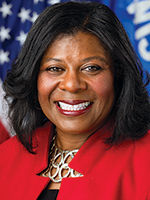
LaTonya Johnson
67% support rate
Top opponent
-
no data yet
Ranked legislators
2
2 support · 0 oppose
Key legislators

Who's moving artificial intelligence in Wisconsin

Legislators moving artificial intelligence in Wisconsin
Legislator Party Stance Support rate Votes
LaTonya Johnson
LaTonya Johnson Senate · District 6
D
Support
67% 3
Tara Johnson
Tara Johnson House · District 96
D
Support
67% 3
Showing 8 of 8 bills

All technology bills

failed · Wisconsin · Assembly Mar 23, 2026

AB 1186: Relating to: prohibiting retail dynamic price gouging of consumer goods and providing a penalty.

This bill prohibits retail sellers from using artificial intelligence or automated systems to set personalized prices for consumer goods based on individual customer data. It defines consumer goods as packaged items for personal use and dynamic price gouging as customized pricing generated through computational models that process consumer information. Retailers who violate this rule could face warnings, civil forfeiture of up to $10,000, or legal injunctions from state authorities. The law applies to both online and in-person sales of everyday products like groceries and household items.
failed · Wisconsin · Assembly Mar 30, 2026

AB 1109: Relating to: use of artificial intelligence to deny prior authorization for medical necessity or experimental status.

This bill prohibits disability insurance policies and self-insured health plans from using artificial intelligence to deny prior authorization requests for medical necessity or experimental treatments. Instead, it requires that a licensed human healthcare provider must review these specific requests before any denial can occur. The law applies to limited service health organizations, preferred provider plans, and defined network plans, with exceptions for plans covered by collective bargaining agreements. If passed, the restrictions would take effect at the start of the fourth month following the bill's publication.
failed · Wisconsin · Senate Mar 30, 2026

SB 1066: Relating to: use of artificial intelligence to deny prior authorization for medical necessity or experimental status.

SB 1066 prohibits health insurance companies (including disability insurance and self-insured plans) from using artificial intelligence to deny prior authorization for medical treatments or experimental procedures. Instead, the bill requires a licensed healthcare provider to review these requests before a denial can be issued. It directly affects insurers that currently use AI for these decisions and healthcare providers who seek approval for patient care. The law takes effect in the fourth month after publication, with specific transition rules for plans under collective bargaining agreements.
failed · Wisconsin · Senate Mar 23, 2026

SB 939: Relating to: artificial intelligence systems that simulate humanlike relationships with children and providing a penalty.

SB 939 prohibits operators of "companion chatbots" (AI systems designed to simulate ongoing, personalized relationships with users) from making these tools available to children under 18 without specific safety measures. It requires such chatbots to avoid encouraging self-harm, replacing professional mental health care, promoting illegal activity, sharing explicit content, prioritizing validation over safety, or optimizing engagement beyond safety features. Operators face civil penalties of up to $25,000 per violation per day, and affected children or their guardians may sue for damages. The law exempts customer service bots, internal business tools, and research systems, and includes a 2027 implementation deadline.
failed · Wisconsin · Assembly Mar 23, 2026

AB 965: Relating to: artificial intelligence systems that simulate humanlike relationships with children and providing a penalty.

AB 965 prohibits operators of AI chatbots designed to simulate ongoing, humanlike relationships with children (under 18 in the state) from making them available without specific safety measures. The bill requires these "companion chatbots" to avoid encouraging self-harm, illegal activity, sexual content, or prioritizing a child’s feelings over safety, while excluding standard customer service tools. Violations could result in civil penalties up to $25,000 per day or private lawsuits by affected children or parents for damages. The law takes effect after January 1, 2027, with a transition period for operators unaware a user is a child.
failed · Wisconsin · Senate Mar 23, 2026

SB 400: Relating to: use restrictions on state and local government electronic devices.

SB 400 restricts state and local government employees from using official electronic devices to access social media, apps, or AI tools owned by entities based in designated "foreign countries of concern" (as defined by federal regulations). It directly affects state agencies and local governmental units (like cities, school districts, and special districts) by prohibiting non-law enforcement personnel from downloading or using these foreign-owned technologies on government-owned devices. The bill allows for limited exceptions through written waivers granted by the secretary of administration for specific work purposes. This is a policy change focused on limiting government use of foreign-owned digital tools, not a procedural or commemorative measure.
vetoed · Wisconsin · Assembly May 13, 2026

AB 415: Relating to: use restrictions on state and local government electronic devices.

AB 415 restricts state and local government employees from using electronic devices owned by their agencies to access social media, apps, or AI tools owned by entities located in "foreign countries of concern" (as defined by federal regulations). The bill directly affects government employees and contractors who use official devices for non-law enforcement work, banning access to specific foreign-owned technology. Exceptions allow written waivers from the secretary of administration for limited job-related purposes. This policy change aims to limit government use of technology linked to designated foreign adversaries, with no impact on law enforcement activities. The bill does not create new funding or require agency budget changes.
failed · Wisconsin · Assembly Mar 23, 2026

AB 575: Relating to: prohibiting state agencies and local governmental units from using facial recognition technology or data generated from it.

AB 575 prohibits all state agencies and local governmental units (like cities, counties, or school districts) from using facial recognition technology or its data, except to identify their own employees for employment-related purposes. The bill defines facial recognition technology as an automated system that compares camera footage of faces against databases to find matches. It directly affects government entities that currently use or plan to use this technology for public services, law enforcement, or other operations. The law creates a clear ban on its use for public identification, with only the narrow exception for internal employee verification.