Issue · Labor & Employment

Labor & Employment

Every labor & employment bill, vote, and legislator stance in Wisconsin, automatically classified by Maddy, our AI policy reader.

Total bills
260
119th Congress
Top supporter
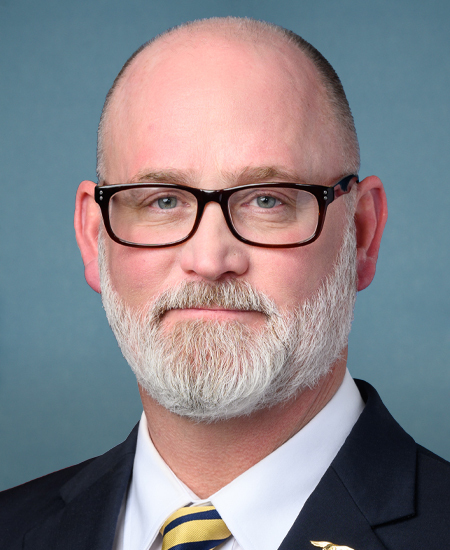
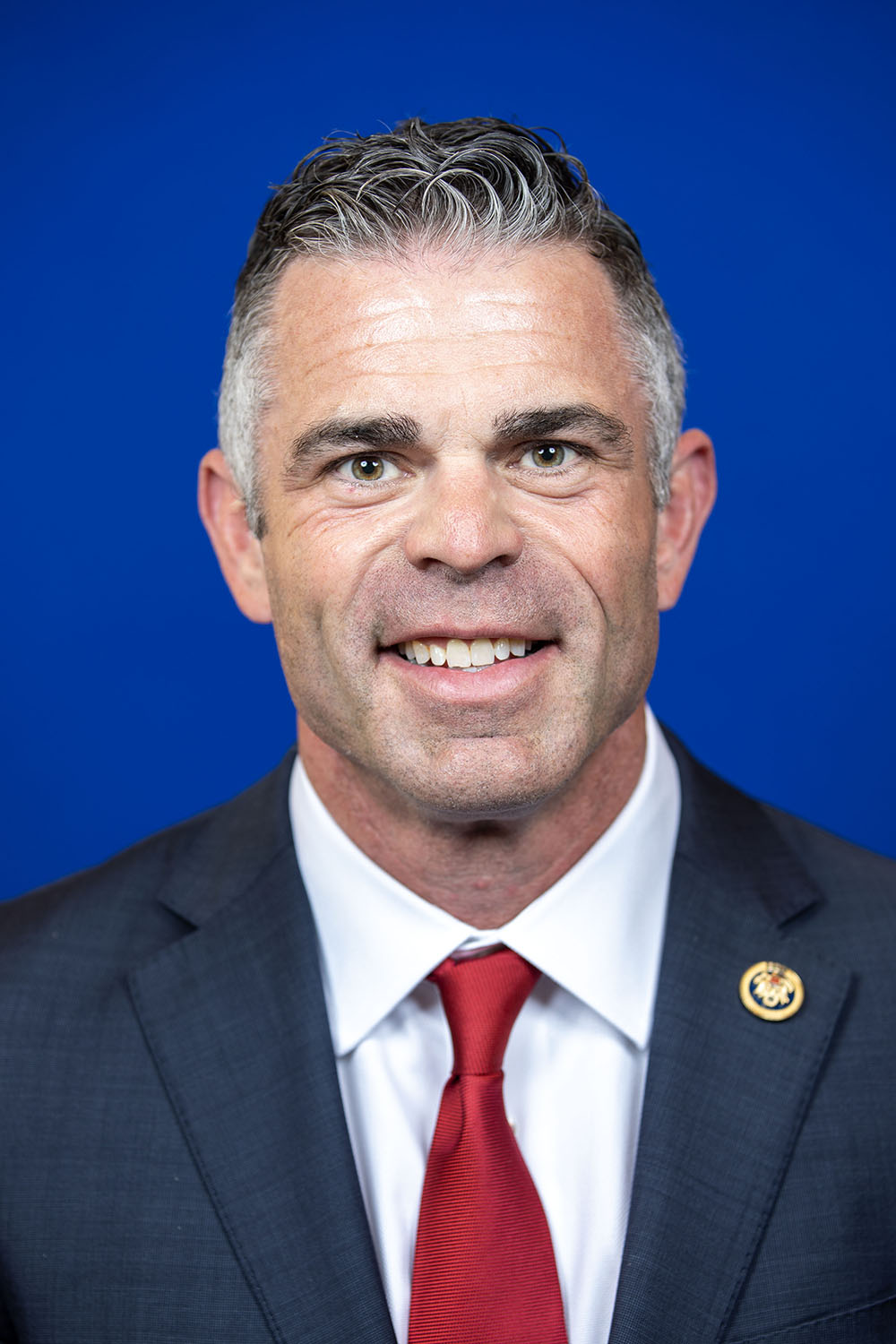
Derrick Van Orden
78% support rate
Top opponent
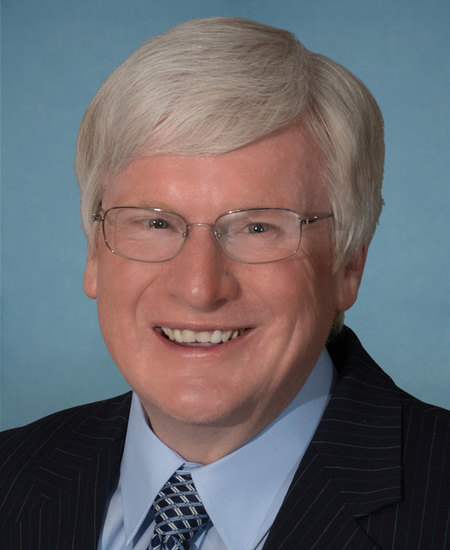
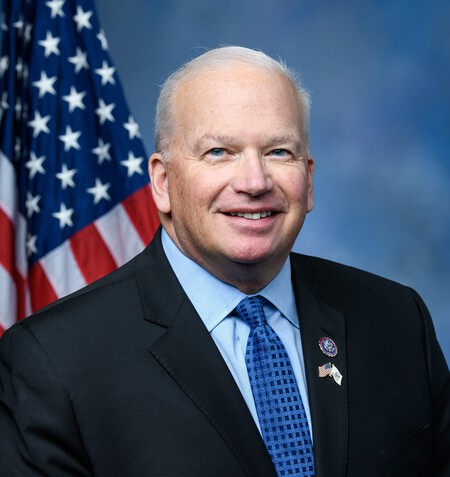
Glenn Grothman
38% support rate
Ranked legislators
10
5 support · 5 oppose
Key legislators

Who's moving labor & employment in Wisconsin

Legislators moving labor & employment in Wisconsin
Legislator Party Stance Support rate Votes
Derrick Van Orden
Derrick Van Orden House · District 3
R
Support
78% 174
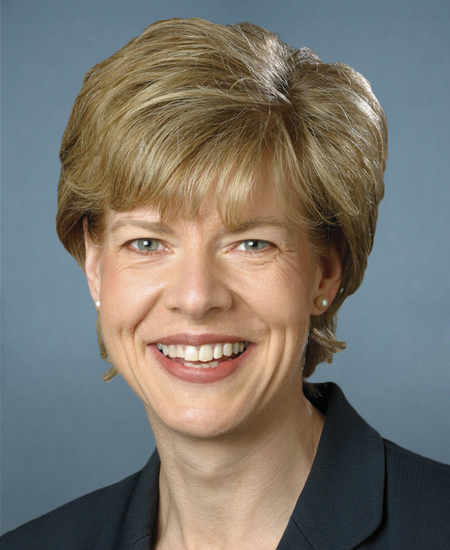
Tammy Baldwin
Tammy Baldwin Senate
D
Support
62% 213
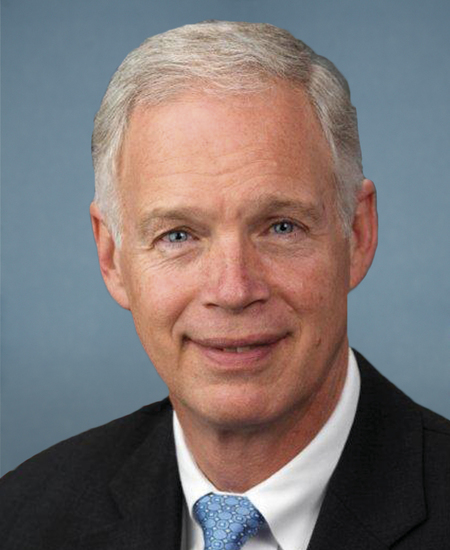
Ron Johnson
Ron Johnson Senate
R
Support
62% 209
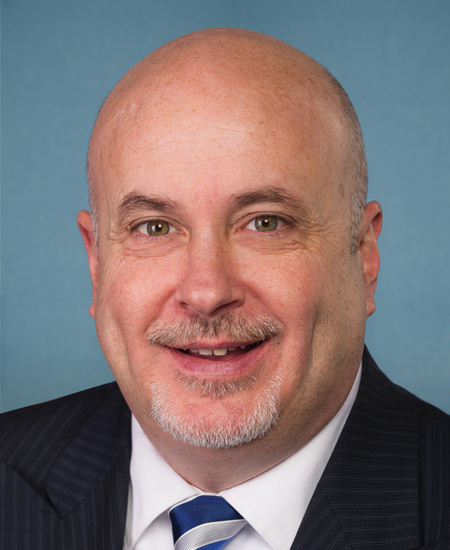
Mark Pocan
Mark Pocan House · District 2
D
Support
62% 197
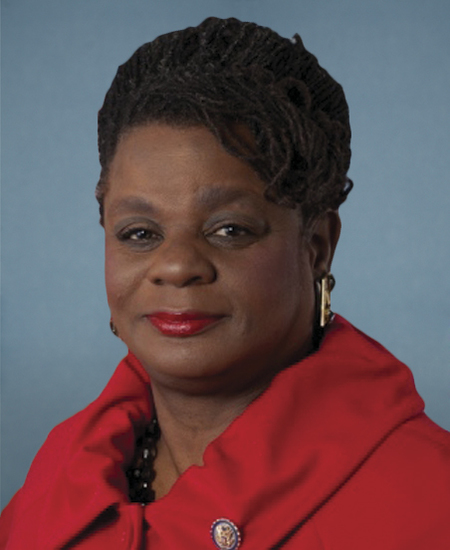
Gwen Moore
Gwen Moore House · District 4
D
Support
62% 198
Glenn Grothman
Glenn Grothman House · District 6
R
Oppose
38% 192
Bryan Steil
Bryan Steil House · District 1
R
Oppose
38% 198
Thomas P. Tiffany
Thomas P. Tiffany House · District 7
R
Oppose
38% 189
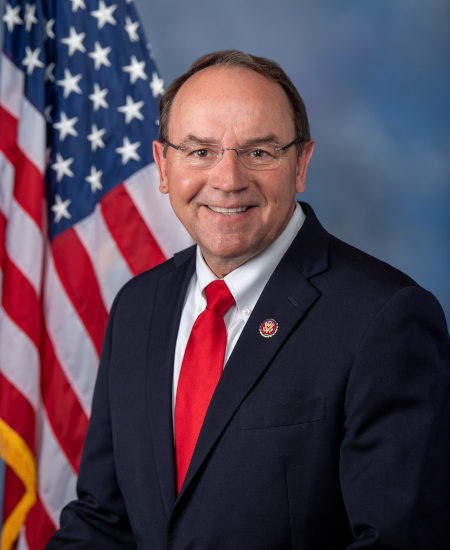
Tony Wied
Tony Wied House · District 8
R
Oppose
38% 195
Scott Fitzgerald
Scott Fitzgerald House · District 5
R
Oppose
38% 198
Showing 1–10 of 260 bills

All labor & employment bills

in committee · United States · Senate Jul 30, 2026

S 5190: Restoring Justice for Workers Act

The Restoring Justice for Workers Act prohibits employers from requiring workers to sign agreements that force them to resolve disputes through individual arbitration rather than in court or as part of a group. It bans retaliation against employees who refuse to arbitrate and mandates that any post-dispute arbitration agreements be truly voluntary, requiring plain language explanations, a 45-day waiting period, and written consent. The bill also amends the National Labor Relations Act to make it illegal for employers to enter into or enforce contracts that prevent workers from joining together to file joint or class-action lawsuits regarding workplace rights. These changes apply to all workers, including independent contractors, and take effect immediately upon enactment.
in committee · United States · House Jul 30, 2026

HR 9993: Rise Up for Child Care Act of 2026

The Rise Up for Child Care Act of 2026 expands federal child care funding to guarantee services for current and former recipients of public assistance programs, removing previous restrictions on how states must use these funds. It eliminates state-imposed spending caps and changes the funding structure to an open-ended entitlement, allowing states to request unlimited sums to support child care needs. Additionally, the bill creates a separate matching rate of 75 percent for states that invest in wages and benefits for home-based child care providers and funds a study to evaluate the impact of these changes.
Tags Children
in committee · United States · Senate Jul 30, 2026

S 5189: A bill to amend title 10, United States Code, and the National Defense Authorization Act for Fiscal Year 1994, to codify and clarify gender neutral standards for members of certain Armed Forces, and for other purposes.

This bill updates federal laws to ensure that members of the Army, Navy, Marine Corps, Air Force, and Space Force cannot be excluded from jobs or assignments based on their gender. It requires the Department of Defense to establish occupational standards using scientifically rigorous methods that evaluate technical, tactical, cognitive, and physical abilities without gender bias. Additionally, the legislation mandates annual reports to Congress detailing any involuntary reclassifications or separations and requires a detailed review of the operational effectiveness of Army and Marine Corps ground combat units. These changes are scheduled to take effect on September 30, 2026, with the first required report due the following year.
in committee · United States · Senate Jul 23, 2026

S 5112: Health Over Wealth Act

The Health Over Wealth Act requires for-profit corporations that own or invest in hospitals, nursing facilities, and other health care providers to submit detailed annual reports to the government regarding their financial status, debt levels, staffing changes, and political spending. To protect public access to care, the bill mandates that hospitals must provide at least 90 days of notice before closing or discontinuing essential services and must submit a mitigation plan to ensure patients and staff are not left without support. Additionally, the legislation establishes a new licensing system for private equity firms investing in health care, gives the government authority to block risky mergers or acquisitions, and changes bankruptcy laws to prioritize the repayment of employee pension liabilities over other debts.
Sub-Topics Hospitals
in committee · United States · House Jul 13, 2026

HRES 1427: Expressing support for the designation of July 10th as Journeyman Lineworkers Recognition Day.

This resolution expresses support for designating July 10th as Journeyman Lineworkers Recognition Day to honor the workers who maintain the nation's electrical grid. The bill specifically recognizes the dangerous conditions these employees face, such as working at heights near live power lines and responding to disasters like hurricanes and wildfires. It also commemorates Henry Miller, the first president of the International Brotherhood of Electrical Workers, who died on July 10, 1896, while performing his duties. Ultimately, the measure encourages the public to observe this day with reflection on the contributions of lineworkers.
Sub-Topics Apprenticeships
in committee · United States · House Jul 21, 2026

HCONRES 114: Recognizing the significance of equal pay and the disparity in wages paid to men and to Black women.

This concurrent resolution formally recognizes the persistent wage gap between Black women and white, non-Hispanic men in the United States. It highlights data showing that Black women earn significantly less than their male counterparts and reaffirms Congress's support for existing laws that prohibit pay discrimination based on sex or race. The document does not create new laws or change policy but serves as a symbolic statement to raise awareness about the economic disparities faced by Black women.
in committee · United States · Senate Jul 14, 2026

S 4982: Good Jobs for Good Airports Act

The Good Jobs for Good Airports Act establishes new federal standards to ensure that workers at small, medium, and large hub airports receive a living wage and adequate health benefits. It defines "covered service workers" to include employees in roles such as baggage handling, passenger assistance, security, ticketing, and concession services, regardless of whether they are directly hired by the airport or work for a contractor. Under the bill, employers must pay these workers at least the higher of the federal Service Contract Act wage rates or applicable state and local minimum wages, and they must provide similar fringe benefits. To enforce these rules, the Secretary of Labor and the Secretary of Transportation will have the authority to investigate violations, issue penalties, and require employers to submit monthly compliance certifications. Additionally, the law allows private individuals to file lawsuits against non-compliant employers and mandates annual reports to Congress on the implementation of these labor standards.
in committee · United States · Senate Jul 21, 2026

SCONRES 36: A concurrent resolution recognizing the significance of equal pay and the disparity in wages paid to men and to Black women.

This concurrent resolution formally recognizes the significant wage gap between Black women and white, non-Hispanic men in the United States. The document cites data showing that Black women earn roughly 65 cents for every dollar earned by white men and highlights how this disparity impacts their ability to support families and accumulate wealth. By referencing existing laws like the Equal Pay Act and the Civil Rights Act, the bill reaffirms Congress's support for equal pay for equal work without proposing new legislation or policy changes. Ultimately, the measure serves as a symbolic acknowledgment of the economic challenges faced by Black women due to dual discrimination based on race and gender.
in committee · United States · Senate Jul 16, 2026

S 5011: Curtailing Executive Overcompensation (CEO) Act

The Curtailing Executive Overcompensation (CEO) Act imposes a new excise tax on large companies where the highest-paid CEO earns significantly more than the median worker. This tax applies to employers with over $100 million in annual revenue and over $10 million in wages, charging a fee equal to the lesser of 1% of the pay gap or 1% of the company's gross receipts. The law defines the pay gap as the difference between the CEO's average compensation and 50 times the median wage of all employees earning at least $5,000, with thresholds adjusted for inflation after 2027. Companies found to be manipulating their workforce to avoid the tax could face joint liability, and the IRS will issue regulations to prevent such avoidance.
Sub-Topics Sales Tax
in committee · United States · House Jul 6, 2026

HR 9596: Federal Jobs for STARs Act of 2026

The Federal Jobs for STARs Act of 2026 aims to increase hiring opportunities for individuals in the federal workforce who have gained skills through alternative routes like military service, apprenticeships, or community colleges rather than traditional four-year degrees. It requires the Office of Personnel Management to restrict agencies from mandating bachelor's degrees unless absolutely necessary and to create a specific section on federal job websites dedicated to these candidates. Additionally, the bill mandates a study to explore funding options, such as scholarships and tuition assistance, to help current federal employees with these backgrounds pursue further education.
Showing 1 to 10 of 260 bills
1 2 3 26 Next