Issue · Labor & Employment

Labor & Employment

Every labor & employment bill, vote, and legislator stance in Wisconsin, automatically classified by Maddy, our AI policy reader.

Total bills
17
119th Congress
Top supporter
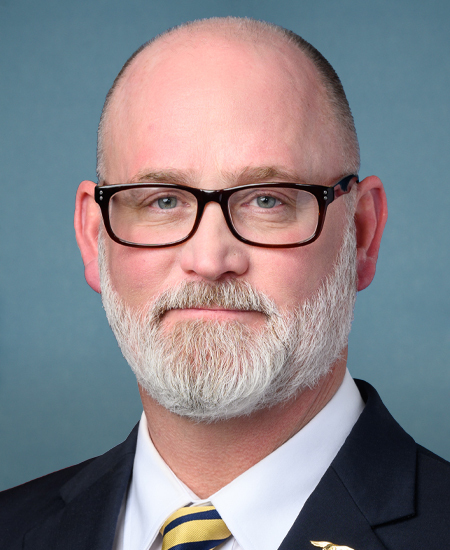
Derrick Van Orden
78% support rate
Top opponent
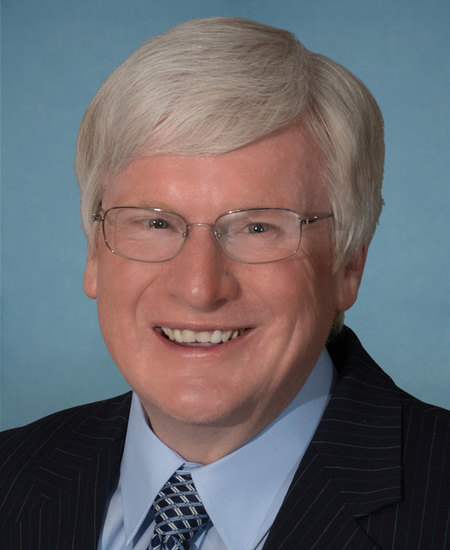
Glenn Grothman
38% support rate
Ranked legislators
10
5 support · 5 oppose
Key legislators

Who's moving labor & employment in Wisconsin

Legislators moving labor & employment in Wisconsin
Legislator Party Stance Support rate Votes
Derrick Van Orden
Derrick Van Orden House · District 3
R
Support
78% 174
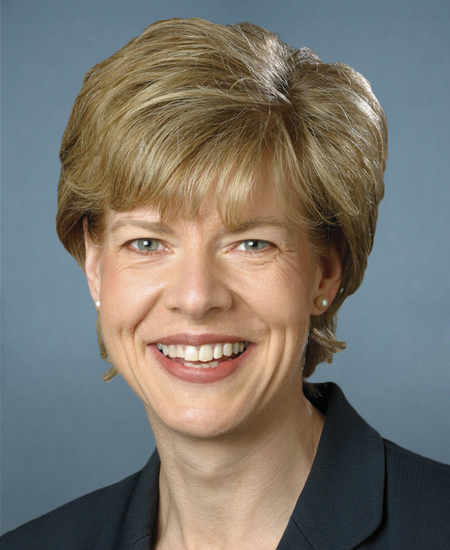
Tammy Baldwin
Tammy Baldwin Senate
D
Support
62% 213
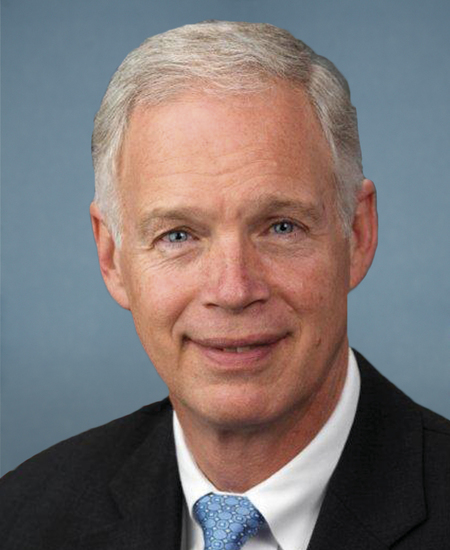
Ron Johnson
Ron Johnson Senate
R
Support
62% 209
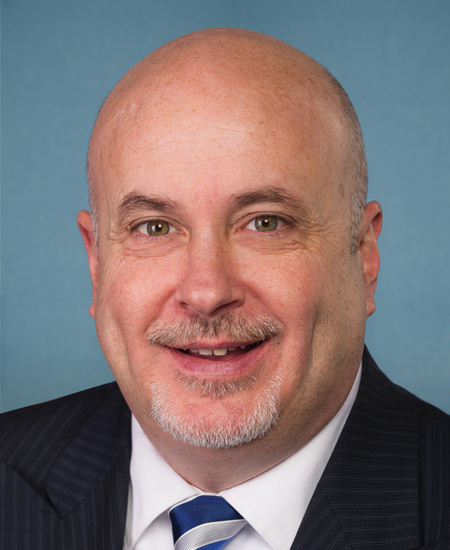
Mark Pocan
Mark Pocan House · District 2
D
Support
62% 197
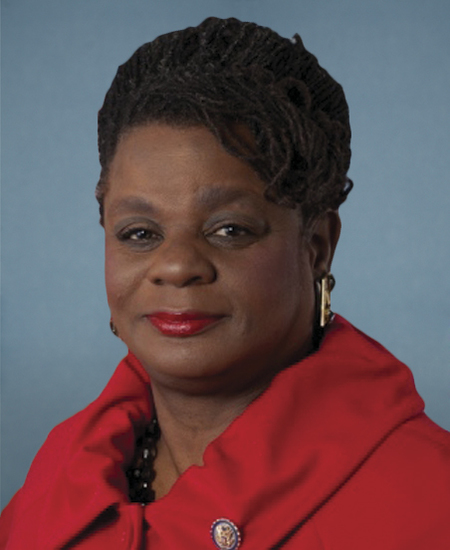
Gwen Moore
Gwen Moore House · District 4
D
Support
62% 198
Glenn Grothman
Glenn Grothman House · District 6
R
Oppose
38% 192
Bryan Steil
Bryan Steil House · District 1
R
Oppose
38% 198
Thomas P. Tiffany
Thomas P. Tiffany House · District 7
R
Oppose
38% 189
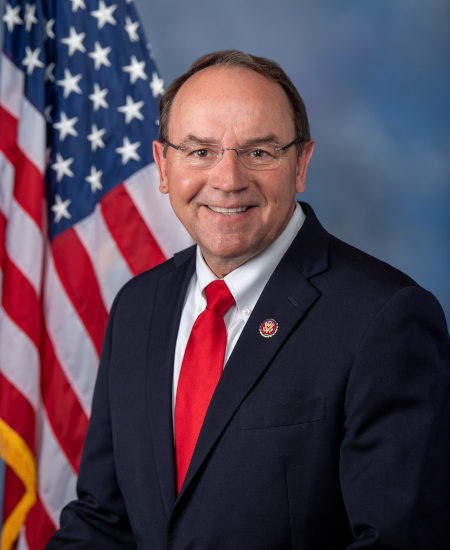
Tony Wied
Tony Wied House · District 8
R
Oppose
38% 195
Scott Fitzgerald
Scott Fitzgerald House · District 5
R
Oppose
38% 198
Showing 1–10 of 17 bills

All labor & employment bills

in committee · United States · House May 21, 2026

HR 8736: Restoration of Employment Choice for Adults with Disabilities Act

This bill modifies federal rules to allow adults with disabilities aged 18 and older to work for employers at wages below the standard minimum rate, whereas the previous law restricted this option to individuals under 24. It requires these employers to make documented efforts to find suitable jobs for their employees at regular intervals and permits the use of subminimum wages only if state agencies fail to provide necessary job counseling and referrals. Additionally, the bill mandates that employers must provide copies of these job search records to the individuals they employ. These changes aim to expand employment opportunities for adults with disabilities while maintaining specific oversight to ensure they are not denied access to regular competitive employment.
Sub-Topics Child Labor Labor Standards Minimum Wage Tags People with Disabilities
in committee · United States · Senate Apr 30, 2026

S 4477: Davis-Bacon Repeal Act

The Davis-Bacon Repeal Act would eliminate federal wage requirements that currently mandate contractors on government-funded construction projects pay workers at least the prevailing local wage rate. By repealing the relevant section of the U.S. Code, the bill removes the legal basis for these minimum wage standards on future contracts. The law includes a transition period that protects existing contracts and those with outstanding bids for 30 days after enactment, ensuring no immediate disruption to ongoing projects. This change would directly affect construction firms and workers involved in federally funded building work by removing the obligation to adhere to specific local wage floors.
in committee · United States · House Apr 14, 2026

HR 8272: To classify qualified locum tenens professionals and advanced care practitioners as independent contractors for the purposes of the Fair Labor Standards Act of 1938 and the National Labor Relations Act.

This bill classifies certain temporary healthcare professionals, including qualified locum tenens professionals and advanced care practitioners, as independent contractors. This classification applies specifically for the purposes of the Fair Labor Standards Act and the National Labor Relations Act. To qualify, these individuals must provide temporary physician or advanced care practitioner services for up to one continuous year at a single site, under a written contract acknowledging their independent contractor status. Eligible professionals include physicians, nurse practitioners, physician's assistants, and certified registered nurse anesthetists.
in committee · United States · House Jul 21, 2026

HR 8347: RURAL Healthcare Act

The RURAL Healthcare Act proposes to reclassify certain temporary healthcare professionals as independent contractors for the purposes of federal labor laws. It specifies that qualified locum tenens professionals and advanced care practitioners, such as physicians, nurse practitioners, and physician's assistants, would not be considered employees under the Fair Labor Standards Act or the National Labor Relations Act. This reclassification applies if they provide temporary services for up to one continuous year at a site and operate under a written contract stating they are not employees. The bill directly affects these healthcare providers and the facilities that contract for their temporary services.
in committee · United States · House Mar 25, 2025

HR 2315: Fairness for High-Skilled Americans Act of 2025

Fairness for High-Skilled Americans Act of 2025 This bill eliminates the Optional Practical Training Program or any successor program, unless Congress expressly authorizes such a program. (The program provides an F-1 student visa holder temporary employment authorization before or after completion of the student's studies, or both.)
Sub-Topics Work Authorization
passed · United States · House Sep 16, 2025

HR 3579: Veterans Readiness and Employment Program Integrity Act

HR 3579 requires veterans to submit an application before the VA can begin an initial evaluation for vocational rehabilitation services. It limits employment assistance under the program to a maximum of 365 days per veteran. The bill also mandates the VA to annually report veterans' regional office assignments, pre- and post-program wages, and average wait times for counselor meetings to Congress and the public. Additionally, it requires an independent review of VA rehabilitation programs within one year of enactment to recommend improvements.
in committee · United States · House Jan 16, 2025

HR 473: SHOW UP Act of 2025

HR 473, the SHOW UP Act of 2025, requires federal executive agencies to return to pre-pandemic telework policies within 30 days of enactment, limiting work-from-home options to those in place on December 31, 2019. Agencies must then conduct a 6-month study analyzing pandemic-era telework impacts - including effects on mission performance, costs from underused office space, and employee productivity tools - and submit a plan to Congress if they seek to expand telework beyond these baseline levels. The plan requires certification from the Office of Personnel Management confirming it will improve mission performance, reduce real estate costs, lower locality pay expenses, and ensure secure remote work capabilities without increasing agency costs. This bill directly affects all federal executive agencies (excluding the Government Accountability Office) and their employees by restricting telework flexibility and imposing strict requirements for any future expansion.
in committee · United States · House Apr 10, 2025

HR 2819: DRIVE Act

HR 2819, the DRIVE Act, prohibits the Federal Motor Carrier Safety Administration from requiring speed limiting devices on trucks weighing over 26,000 pounds operating in interstate commerce. This directly affects commercial truck drivers and carriers that operate large vehicles across state lines. The bill blocks the agency from implementing any rule mandating speed limiters that would cap these trucks' maximum speed. It prevents a potential new federal requirement for trucking companies without altering existing safety standards.
in committee · United States · House Apr 1, 2025

HR 2572: Worker Enfranchisement Act

The Worker Enfranchisement Act (HR 2572) changes how unions gain exclusive representation rights under labor law. It requires that a union must be chosen by at least two-thirds of all eligible employees voting in a secret ballot election, rather than a simple majority. This applies to all new union representation elections occurring six months after the bill becomes law. The change directly affects workers and unions by raising the threshold for establishing a union as the sole bargaining representative.
in committee · United States · House Dec 12, 2025

HR 6685: To amend the Internal Revenue Code of 1986 to establish an exception for multiemployer plan participants to the requirements for automatic enrollment.

This bill exempts multiemployer pension plans from automatic enrollment requirements under the Internal Revenue Code. Specifically, it amends Section 414A(c)(3) to explicitly exclude multiemployer plans (defined under Section 414(f)) from rules requiring automatic enrollment in retirement plans. This change directly affects workers enrolled in union-sponsored multiemployer pension plans, allowing these plans to avoid automatic enrollment obligations. The amendment applies to taxable years beginning after December 31, 2024.
Showing 1 to 10 of 17 bills
1 2 Next