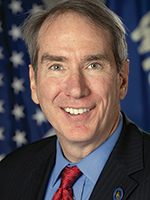
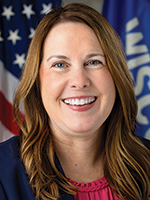
Key legislators
Who's moving immigration in Wisconsin
Showing 5 of 5
bills
All immigration bills
AJR 102 is a proposed constitutional amendment that would prohibit state government entities from discriminating against or giving preferential treatment to individuals or groups based on race, sex, color, ethnicity, or national origin. It specifically applies to public employment, education, contracting, and administration by state or local government. If approved by voters in November 2026, it would add Section 27 to the state constitution. This is a second consideration of the same proposal previously introduced as AJR 109 in 2023. The amendment requires voter ratification and is not yet law.
AB 24 requires Wisconsin county sheriffs to verify the immigration status of individuals jailed for felony offenses by requesting specific documentation (such as passports, birth records, or immigration documents) to confirm lawful presence in the U.S. If verification fails, sheriffs must notify federal Homeland Security and comply with federal detainer requests. Sheriffs must annually report compliance and maintain records of individuals found unlawfully present, with data shared with the state justice department. Counties failing to comply face a 15% reduction in state funding for the following year. The bill directly affects felony inmates, sheriffs, and state-local funding relationships.
AB 281 requires state agencies and contractors to verify employees' work eligibility through the federal E-Verify program before hiring or awarding government contracts. It prohibits contracts with employers not enrolled in E-Verify or who knowingly hire workers flagged as ineligible by the program. Contracts must include written verification statements, and violations require immediate termination without liability for uncompleted work. The law applies to state procurement, construction, and local government hiring, but stops if the federal E-Verify program ends.
AB 308 prohibits Wisconsin state and local government funds from being used to pay for health services for individuals without legal immigration status. The bill directly affects undocumented residents by blocking state/local funding for their healthcare. Key provisions ban state/local funds for such services (except where federal law requires payment or where applying the ban would cause loss of federal funds). The law does not restrict federal healthcare programs or funding. This is a policy change affecting state budget allocations, not a procedural measure.
SB 287 requires state agencies, local governments, and contractors working with government to verify employees' work eligibility through the federal E-Verify program before hiring. It prohibits contracts with employers not enrolled in E-Verify or knowingly employing individuals flagged as ineligible by the program. The bill mandates written verification statements in all contracts and allows termination of violating agreements. This applies to all state procurement, construction contracts, and local government hiring starting from the effective date, with an exception if the federal E-Verify program ends.