Issue · Healthcare

Healthcare

Every healthcare bill, vote, and legislator stance in Wisconsin, automatically classified by Maddy, our AI policy reader.

Total bills
399
2025-2026 Regular Session
Top supporter
Shannon Zimmerman
79% support rate
Top opponent
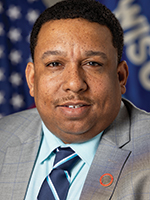
Russell Goodwin
31% support rate
Ranked legislators
10
5 support · 5 oppose
Key legislators

Who's moving healthcare in Wisconsin

Legislators moving healthcare in Wisconsin
Legislator Party Stance Support rate Votes
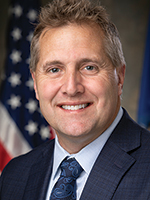
Shannon Zimmerman
Shannon Zimmerman House · District 30
R
Support
79% 35
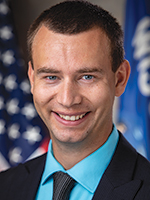
Will Penterman
Will Penterman House · District 38
R
Support
71% 41
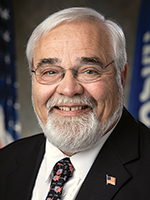
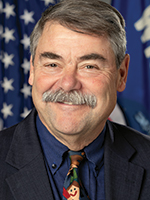
Jeff Mursau
Jeff Mursau House · District 36
R
Support
69% 44
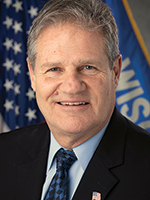
Chanz Green
Chanz Green House · District 74
R
Support
67% 47
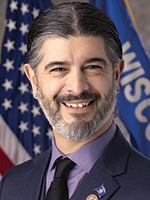
Paul Melotik
Paul Melotik House · District 22
R
Support
67% 47
Russell Goodwin
Russell Goodwin House · District 12
D
Oppose
31% 42
Joe Sheehan
Joe Sheehan House · District 26
D
Oppose
33% 43
Vinnie Miresse
Vinnie Miresse House · District 71
D
Oppose
35% 46
Ryan Clancy
Ryan Clancy House · District 19
D
Oppose
38% 44
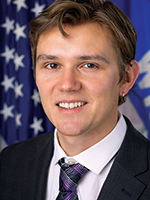
Christian Phelps
Christian Phelps House · District 93
D
Oppose
39% 47
Showing 391–399 of 399 bills

All healthcare bills

failed · Wisconsin · Assembly Mar 23, 2026

AB 176: Relating to: financial eligibility for the Alzheimer’s family and caregiver support program. (FE)

AB 176 repeals the financial eligibility requirement (section 46.87(5m)) for Wisconsin's Alzheimer's family and caregiver support program. It updates two sections of the law to remove references to this repealed requirement, clarifying that eligibility now depends on meeting the financial criteria previously defined under the repealed section. The bill directly affects Alzheimer's patients and their caregivers in residential facilities who previously needed to satisfy these financial standards to receive program services. The key change is eliminating the specific financial threshold that determined program access, streamlining eligibility without creating new benefits or funding. This is a technical adjustment to existing statutes, not a substantive policy change.
failed · Wisconsin · Assembly Mar 23, 2026

AB 402: Relating to: coverage of maternity and newborn care under health insurance policies and plans and granting rule-making authority.

AB 402 requires all health insurance plans in Wisconsin to cover maternity and newborn care services. It grants the Commissioner of Insurance authority to create specific rules for implementing this coverage requirement. The bill directly affects health insurance providers and ensures these services are included in standard coverage for policyholders.
failed · Wisconsin · Senate Mar 23, 2026

SB 349: Relating to: payment for school medical services. (FE)

SB 349 increases state reimbursement for school medical services from 60% to 100% of the federal share for eligible school districts, cooperative educational service agencies, and specialized programs like the Wisconsin Center for the Blind and Visually Impaired. It also raises reimbursement for allowable administrative costs from 90% to 100% of the federal share. The bill applies to all entities providing school medical services that meet federal requirements and allows claims for transportation costs as part of these services. This change directly affects school districts and specialized educational programs by increasing state funding for these services.
Sub-Topics Student Health
failed · Wisconsin · Senate Mar 23, 2026

SB 447: Relating to: including information about immunization waivers in enrollment or admission materials for schools, child care centers, and nursery schools.

SB 447 requires schools, child care centers, and nursery schools to include clear written information about immunization waiver options in enrollment materials. Specifically, it mandates that these institutions inform families in writing about their right to seek waivers for health, religious, or personal conviction reasons when notifying them of immunization requirements. The bill also requires schools to provide a simple procedure for submitting waiver requests alongside required health forms during enrollment. This directly affects schools and childcare providers by changing their enrollment documentation, and it impacts parents or guardians who may seek waivers for their children.
Sub-Topics Early Childhood
failed · Wisconsin · Senate Mar 23, 2026

SB 442: Relating to: requiring hospitals and ambulatory surgical centers to implement policies to prevent exposure to surgical smoke in operating rooms. (FE)

SB 442 requires hospitals and ambulatory surgical centers to implement policies preventing exposure to surgical smoke during procedures that generate it. The bill mandates the use of smoke evacuation systems - equipment capturing harmful smoke at its source - during any surgery likely to produce surgical smoke (like laser or electrosurgical procedures), unless a provider determines it's unnecessary for a specific case. It directly affects healthcare facilities and surgical staff by establishing a new safety standard for operating rooms. Key provisions define "surgical smoke" and clarify that facilities must adopt these policies, with providers retaining limited discretion to exempt specific procedures. The law aims to reduce respiratory and eye exposure risks for medical personnel and patients.
Sub-Topics Workplace Safety
failed · Wisconsin · Senate Mar 23, 2026

SB 401: Relating to: coverage of maternity and newborn care under health insurance policies and plans and granting rule-making authority.

SB 401 requires employer-sponsored disability insurance policies and self-insured health plans to cover maternity and newborn care as an essential health benefit, directly affecting employees and their families. The bill mandates coverage with minimal or no out-of-pocket costs, prohibits discrimination in coverage decisions based on disability or life expectancy, and directs the Insurance Commissioner to set specific benefit standards through rules. The Commissioner must base these standards on typical employer coverage surveys and update them periodically to address gaps in access. This applies to most employer health plans but excludes certain disability policies described in existing law.
failed · Wisconsin · Senate Mar 23, 2026

SB 192: Relating to: fatality review teams and granting rule-making authority. (FE)

SB 192 creates a statewide framework for fatality review teams to examine preventable deaths, specifically focusing on maternal deaths, child abuse/neglect, overdoses, homicides, and other reviewable deaths like stillbirths or unexpected child fatalities. The bill establishes definitions for local and state teams, requires the Department of Health to support their development, and allows healthcare providers to share patient health records confidentially with these teams for review purposes. This directly affects hospitals, healthcare providers (who must share records under strict confidentiality rules), and local/state agencies (which must form or support these teams). The key mechanism is enabling secure, confidential record-sharing between healthcare systems and fatality review teams to identify patterns and prevent future deaths, without altering public access to most records.
failed · Wisconsin · Senate Mar 23, 2026

SB 153: Relating to: expanding the treatment alternatives and diversion programs. (FE)

SB 153 expands a grant program for counties and tribes to create treatment and diversion programs for individuals with substance use disorders or mental illness who are charged with or convicted of crimes related to these conditions. The bill requires programs to use evidence-based practices, integrate mental health services, include case management, and collaborate with courts, prosecutors, and treatment providers. It also modifies sentencing rules to exempt participants in approved programs from losing good time in jail. This bill directly affects individuals facing charges related to substance use or mental health, as well as local governments and service providers.
failed · Wisconsin · Assembly Mar 23, 2026

AB 382: Relating to: requirements for children born alive following abortion or attempted abortion and providing a penalty.

AB 382 requires health care providers to provide the same medical care to a child born alive during or after an abortion or attempted abortion as they would to any other newborn at that gestational age, including immediate hospital transport. It mandates reporting failures to comply with these requirements to law enforcement and imposes a Class H felony penalty for violations (excluding prosecution of the mother). The bill also allows affected individuals to sue for civil damages equal to three times the abortion cost plus emotional distress, while guaranteeing confidentiality for the woman involved and prohibiting contracts from being used as a defense in such lawsuits. This legislation directly affects abortion providers and hospitals performing such procedures, focusing on post-procedure medical obligations rather than restricting abortion access.
Showing 391 to 399 of 399 bills
Previous 1 38 39 40