

Issue · Environment
Environment
Every environment bill, vote, and legislator stance in Wisconsin, automatically classified by Maddy, our AI policy reader.
Total bills
170
2025-2026 Regular Session
Top supporter
Shannon Zimmerman
89% support rate
Top opponent
Francesca Hong
20% support rate
Ranked legislators
10
5 support · 5 oppose
Key legislators
Who's moving environment in Wisconsin
| Legislator | Party | Stance | Support rate | Votes |
|---|---|---|---|---|
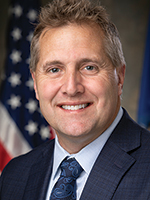
Shannon Zimmerman
House · District 30
|
R |
Strong +
|
89% | 17 |

Mark Spreitzer
Senate · District 15
|
D |
Strong +
|
88% | 18 |

Melissa Ratcliff
Senate · District 16
|
D |
Strong +
|
88% | 18 |

Jodi Habush Sinykin
Senate · District 8
|
D |
Strong +
|
88% | 18 |

Kelda Roys
Senate · District 26
|
D |
Strong +
|
86% | 17 |

Francesca Hong
House · District 76
|
D |
Strong −
|
20% | 19 |
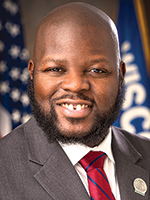
Supreme Moore Omokunde
House · District 17
|
D |
Strong −
|
20% | 19 |

Lori Palmeri
House · District 54
|
D |
Strong −
|
20% | 19 |

Darrin Madison
House · District 10
|
D |
Strong −
|
20% | 19 |

Sequanna Taylor
House · District 11
|
D |
Strong −
|
20% | 18 |
Showing 141–150 of 170
bills
All environment bills
AB 635: Relating to: notifying counties and tribes of an exceedance of groundwater protection standards or standards for PFAS. (FE)
SB 296: Relating to: enumeration of projects in the Authorized State Building Program, modifications to building program project budgets, selection of project architects and engineers, single prime contracting, agency cooperation with energy conservation contractors, timeline for claims before the Claims Board, and making a transfer to the state building trust fund. (FE)
Topics
✓ EnergySupports EnergyRequires agencies to cooperate with energy conservation contractors, promoting building energy efficiency.
✓ EnvironmentSupports EnvironmentEncourages energy conservation partnerships and agency cooperation with energy service contractors, promoting building efficiency and reduced emissions.
SB 150: Relating to: passing legislation to reduce carbon emissions.
Topics
✓ EnergySupports EnergyBill mandates 52% carbon reduction by 2030 and neutrality by 2050, directly advancing renewable energy infrastructure and emission targets.
✓ EnvironmentSupports EnvironmentSB 150 mandates 52% emission cuts by 2030 and carbon neutrality by 2050, directly advancing climate action through binding targets.
Sub-Topics
Climate Change
SB 316: Relating to: the Warren Knowles-Gaylord Nelson stewardship 2000 program and a major land acquisitions program. (FE)
Topics
✗ Budget & TaxesOpposes Budget & TaxesReduces local grant funding from 50% to 40% for land acquisition, restricting public land program support and defunding local government participation.
✓ EnvironmentSupports EnvironmentBill maintains land conservation funding through modified grants and allocates $2M annually for park land acquisition, directly supporting environmental protection and natural resource conservation.
AB 290: Relating to: special registration plates to support protecting pollinators and making an appropriation. (FE)
Topics
✓ Budget & TaxesSupports Budget & TaxesCreates voluntary $25/$50 fee with excess funds deposited into conservation fund for pollinator programs, directly funding a specific initiative through targeted revenue.
✓ EnvironmentSupports EnvironmentFunds pollinator protection programs via special plate fees; excess funds deposited into conservation fund, directly advancing environmental conservation efforts.
AB 632: Relating to: issuance of permits for the mining of sulfide ore bodies.
SB 502: Relating to: a nuclear energy generation tax credit; prioritizing nuclear energy resources; approval of certain electric tariffs for very large customers; and authorizing electric utilities to recover certain precertification costs through rates. (FE)
Topics
✓ Budget & TaxesSupports Budget & TaxesCreates 20-year tax credit for nuclear facilities, providing fiscal incentive that reduces state revenue via tax relief for utilities.
✓ EnergySupports EnergyCreates 20-year tax credits for nuclear facilities, prioritizes nuclear resources, and classifies nuclear as renewable for reporting - directly funds nuclear energy generation.
✓ EnvironmentSupports EnvironmentPromotes nuclear energy via tax credits, a low-carbon power source, advancing environmental protection by incentivizing clean energy generation.
SB 112: Relating to: hunting of sandhill cranes, programs related to sandhill crane damage, providing an exemption from emergency rule procedures, granting rule-making authority, and making an appropriation. (FE)
Topics
✓ Budget & TaxesSupports Budget & TaxesBill creates $1.875M annual appropriation for landowner reimbursements and allocates permit fees to conservation programs, directly funding state budget initiatives.
✓ EnvironmentSupports EnvironmentAllocates 50% of permit fees to crane population management and education, directly funding wildlife conservation efforts.
AB 145: Relating to: passing legislation to reduce carbon emissions.
Topics
✓ EnergySupports EnergyMandates binding carbon emission targets (52% by 2030, net-zero by 2050) requiring shift from fossil fuels to renewable energy, directly advancing clean energy policy goals.
✓ EnvironmentSupports EnvironmentMandates legally binding carbon reduction targets (52% by 2030, net-zero by 2050) with equity requirements, directly advancing environmental protection through emission cuts.
Sub-Topics
Climate Change