Issue · Criminal Justice

Criminal Justice (Victims' Rights)

Every criminal justice bill, vote, and legislator stance in Wisconsin, automatically classified by Maddy, our AI policy reader.

Total bills
17
2025-2026 Regular Session
Top supporter
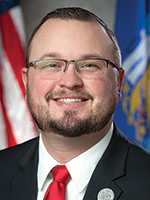
Adam Neylon
100% support rate
Top opponent
Alex Joers
0% support rate
Ranked legislators
10
5 support · 5 oppose
Key legislators

Who's moving victims' rights in Wisconsin

Legislators moving victims' rights in Wisconsin
Legislator Party Stance Support rate Votes
Adam Neylon
Adam Neylon House · District 15
R
Strong +
100% 3
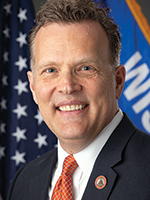
Alex Dallman
Alex Dallman House · District 39
R
Strong +
100% 3
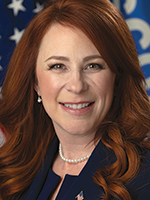
Amanda Nedweski
Amanda Nedweski House · District 32
R
Strong +
100% 3
Barbara Dittrich
Barbara Dittrich House · District 99
R
Strong +
100% 3
Ben Franklin
Ben Franklin House · District 88
R
Strong +
100% 3
Alex Joers
Alex Joers House · District 81
D
Strong −
0% 3
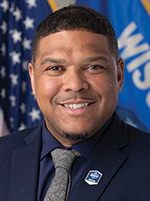
Amaad Rivera-Wagner
Amaad Rivera-Wagner House · District 90
D
Strong −
0% 3
Andrew Hysell
Andrew Hysell House · District 48
D
Strong −
0% 3
Angela Stroud
Angela Stroud House · District 73
D
Strong −
0% 3
Angelina Cruz
Angelina Cruz House · District 62
D
Strong −
0% 3
Showing 11–17 of 17 bills

All criminal justice bills

failed · Wisconsin · Assembly Mar 23, 2026

AB 370: Relating to: crime victim notification cards. (FE)

AB 370 creates standardized crime victim notification cards to help victims stay informed about court proceedings involving offenders. The bill directs the Director of State Courts to design these free cards, which victims can fill out with their contact information and details about the inmate or probationer. County courts and victim-witness offices must provide the cards to victims, who can then send completed cards to the relevant court to receive updates. The bill also protects victims' mailing addresses in court records from public inspection under state law.
passed · Wisconsin · Senate Mar 23, 2026

SB 224: Relating to: the rights of sexual assault crime victims.

SB 224 (2026 Legislature) improves communication rights for sexual assault victims who provide forensic evidence kits. The bill requires law enforcement to test kits within a specified timeline and provide victims with clear information about kit status, DNA testing results, and destruction dates upon request. It also mandates that victims be notified of any changes to their case status, including if it's closed or reopened. These provisions directly affect sexual assault victims who submit kits during forensic examinations, ensuring they receive timely updates about their case. The bill focuses on transparency and victim notification without altering legal penalties or funding.
failed · Wisconsin · Assembly Mar 23, 2026

AB 236: Relating to: the rights of sexual assault crime victims.

AB 236 ensures sexual assault victims who provide a forensic kit receive clear, timely updates about their case. It requires law enforcement to notify victims about kit testing timelines, DNA analysis results, and the kit's destruction date upon request. Victims also get updates if their case status changes (e.g., closed or reopened). The bill directly affects individuals who submit sexual assault kits, improving transparency in how their evidence is handled. It does not change criminal penalties or create new programs, but mandates specific communication protocols for law enforcement.
vetoed · Wisconsin · Assembly May 13, 2026

AB 87: Relating to: restitution orders following a conviction for human trafficking and restoration of the right to vote to a person barred from voting as a result of a felony conviction. (FE)

AB 87 modifies Wisconsin law to require courts to order immediate restitution payments for human trafficking convictions (specifically under sections 940.302(2) or 948.051) and to enforce these payments through property execution if unpaid. It also changes voting rights restoration rules: a person convicted of a felony regains voting rights only after completing their sentence, paying all fines/costs/restitution, and finishing any court-ordered community service. The bill mandates that the elections commission must inform individuals in writing when their voting rights are restored. This directly affects people convicted of human trafficking (impacting restitution timing) and all felony offenders (impacting voting rights restoration conditions). The law was vetoed by the governor on August 11, 2025.
failed · Wisconsin · Senate Mar 23, 2026

SB 372: Relating to: crime victim notification cards. (FE)

SB 372 creates standardized crime victim notification cards to help victims of crime stay informed about court proceedings involving offenders. The bill requires the director of state courts to design these cards, which victims can complete with their contact information and the offender's details, and send to the relevant court clerk. County courts and victim/witness offices must provide these cards at no cost to victims, and the law protects victim mailing addresses from public inspection under state law. This directly affects crime victims in Wisconsin who need to receive updates about offender sentencing or probation modifications.
failed · Wisconsin · Senate Mar 23, 2026

SB 222: Relating to: extortion, sexual extortion, and providing a penalty.

SB 222 increases penalties for extortion and sexual extortion by making it a Class B felony if the crime directly causes the victim's death. It also expands victim compensation, allowing family members or household members of victims of specific violent crimes (including certain sexual offenses) to claim economic losses from the victim's death. The bill modifies existing statutes to clarify eligibility for these compensation awards, which cover losses like funeral costs or lost wages. These changes directly affect victims of extortion-related deaths and their families seeking financial support.
Sub-Topics Victims' Rights
failed · Wisconsin · Assembly Mar 23, 2026

AB 573: Relating to: sexual assault forensic examination compensation.

AB 573 clarifies which costs related to sexual assault forensic examinations are covered under compensation programs for victims. It specifically defines "examination costs" to include evidence-gathering procedures, STI testing/prevention, HIV prophylaxis (medication to prevent HIV exposure), and STI treatment medications provided during the exam. The bill explicitly excludes administrative fees, attorney costs, and other non-medical expenses from coverage. Additionally, it requires applicants to submit only medical records directly related to the covered services, such as examinations, treatments, or preventive medications, and prohibits submitting unrelated documentation. This bill adjusts eligibility criteria for compensation without creating new benefits or funding.
Showing 11 to 17 of 17 bills