Issue · Criminal Justice

Criminal Justice

Every criminal justice bill, vote, and legislator stance in Wisconsin, automatically classified by Maddy, our AI policy reader.

Total bills
42
119th Congress
Top supporter
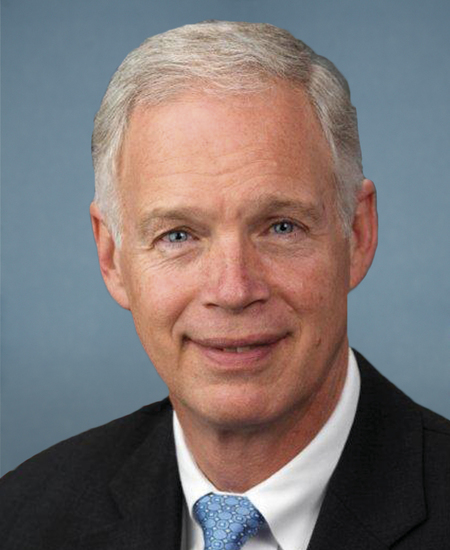
Ron Johnson
77% support rate
Top opponent
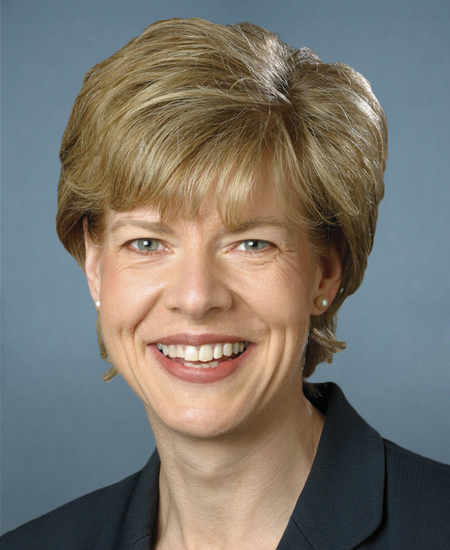
Tammy Baldwin
16% support rate
Ranked legislators
8
3 support · 5 oppose
Key legislators

Who's moving criminal justice in Wisconsin

Legislators moving criminal justice in Wisconsin
Legislator Party Stance Support rate Votes
Ron Johnson
Ron Johnson Senate
R
Support
77% 170
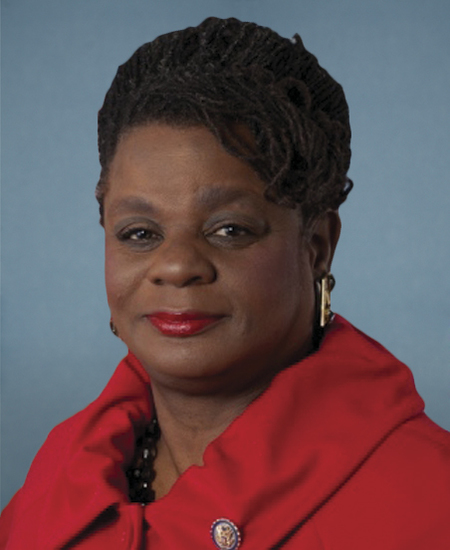
Gwen Moore
Gwen Moore House · District 4
D
Support
63% 152
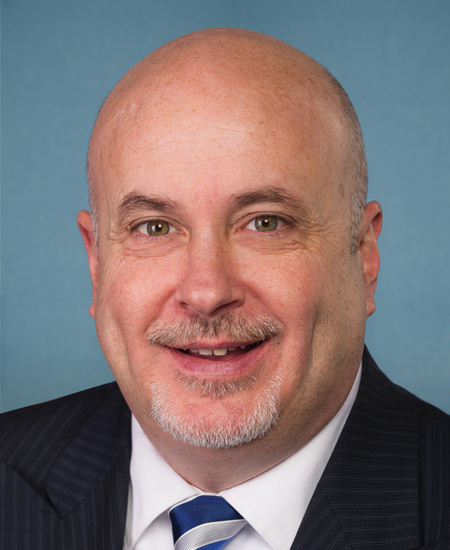
Mark Pocan
Mark Pocan House · District 2
D
Support
60% 154
Tammy Baldwin
Tammy Baldwin Senate
D
Strong −
16% 171
Scott Fitzgerald
Scott Fitzgerald House · District 5
R
Oppose
37% 154
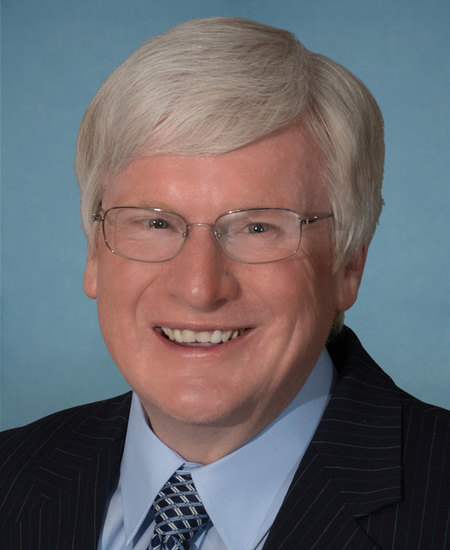
Glenn Grothman
Glenn Grothman House · District 6
R
Oppose
37% 150
Bryan Steil
Bryan Steil House · District 1
R
Oppose
37% 153
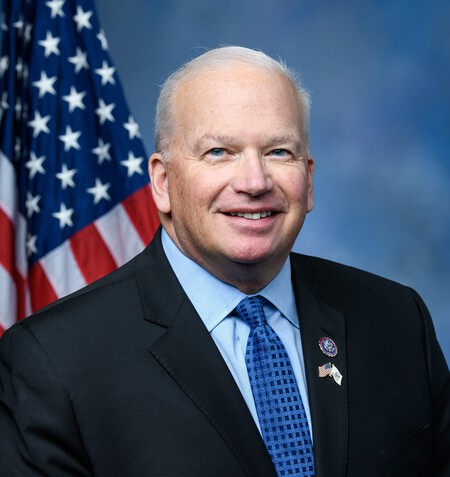
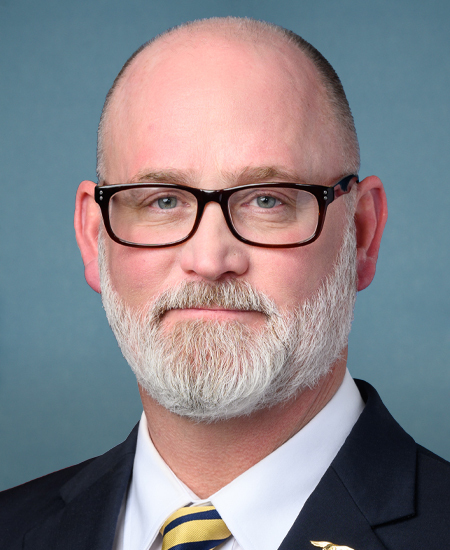
Derrick Van Orden
Derrick Van Orden House · District 3
R
Oppose
37% 148
Showing 1–10 of 42 bills

All criminal justice bills

in committee · United States · House Aug 6, 2026

HR 10052: Right to Worship Act

The Right to Worship Act makes it unlawful for individuals to knowingly disrupt religious services or prevent people from entering houses of worship within 100 feet of an entryway during the hour before and after a scheduled service. The bill applies to conduct that meaningfully interferes with a service's normal operation or unreasonably hinders participation, while explicitly allowing free speech as long as it adheres to these specific time, place, and manner restrictions. Violators face escalating civil fines ranging from $2,500 for a first offense to $10,000 for subsequent offenses, assessed by the Attorney General. Additionally, the act permits aggrieved individuals, the U.S. Attorney General, or state attorneys general to file civil lawsuits seeking injunctive relief, compensatory damages, and attorney fees.
in committee · United States · House Jun 11, 2026

HR 9298: Stopping Harmful and Outrageous Torts Act

This bill, known as the Stopping Harmful and Outrageous Torts Act, expands legal protections for firearm manufacturers and sellers by strengthening their immunity from civil lawsuits. It requires courts to immediately dismiss any pending cases against these companies that are based on the criminal or unlawful misuse of a gun by a third party, while also clarifying that sellers are not liable for negligence in entrusting products to others. The legislation further restricts who can file such suits by prohibiting foreign governments from bringing these claims and adding a specific exception for victims under the age of 17, though it maintains immunity for cases involving design or manufacturing defects. Additionally, the bill allows companies to move these cases to federal court and grants them the right to appeal dismissal orders immediately, along with the ability to recover legal fees if they win. Finally, it preempts state and local laws that attempt to impose liability on these entities for the same types of misuse-related harms.
Sub-Topics Courts Firearms
in committee · United States · House Jun 3, 2026

HR 9131: Protecting Kids from Creeps Act

The Protecting Kids from Creeps Act prohibits surrogacy agencies, their employees, and sex offenders from participating in surrogacy agreements, directly affecting fertility clinics, staff, and individuals required to register as sex offenders. The bill mandates severe criminal penalties, including fines and prison sentences of at least 10 to 20 years, for knowingly or recklessly facilitating such agreements, while also stripping convicted agencies of their tax-exempt status and eligibility for federal grants. Any surrogacy agreement formed in violation of these rules is declared legally void and unenforceable, meaning it cannot be used to establish parental rights. In cases where a child is born from an illegal agreement, custody decisions will be made solely based on the best interests of the child under the laws of the state where the surrogate lives, ignoring any prior contracts. Additionally, the Attorney General can pursue civil penalties equal to the compensation received or offered for prohibited conduct.
Sub-Topics Corrections
in committee · United States · House Mar 25, 2026

HR 8077: 287(g) Cooperation Act of 2026

This bill, the 287(g) Cooperation Act of 2026, requires state and local law enforcement agencies to sign a formal agreement with the Department of Homeland Security to remain eligible for federal Community Oriented Policing Services grants. The law mandates that agencies must have this written memorandum of agreement in place within 180 days of the bill's enactment, or they will be ineligible to receive funding for the program. The Attorney General and Secretary of Homeland Security must establish procedures to verify that agencies have completed this agreement before approving any grant awards. The changes apply to grant applications starting with fiscal year 2027 and all subsequent years.
in committee · United States · House Feb 25, 2026

HR 7719: SOS Act of 2026

This bill, titled the Securing Our Streets Act of 2026, directs the Attorney General to distribute federal grants to states that implement specific criminal justice policies aimed at reducing repeat offenses. To qualify for funding, states must adopt laws requiring repeat offenders to serve at least 85 percent of their sentences, mandate pretrial detention for violent offenders posing a clear threat to public safety, and impose life imprisonment for individuals convicted of three distinct violent crimes. The grants, totaling up to $10 billion over five years, can only be used to build secure correctional facilities, expand incarceration capacity for violent offenders, and train correctional staff.
in committee · United States · House Dec 3, 2025

HR 4397: Muslim Brotherhood Terrorist Designation Act of 2025

This bill would amend the Anti-Terrorism Act of 1987 to designate the Muslim Brotherhood as a terrorist organization and prohibit its operations within the United States. It would require the President to designate the Muslim Brotherhood as a foreign terrorist organization under immigration law and impose new visa restrictions, including immediate revocation of current visas, for individuals identified as members. The bill mandates annual reports from the Secretary of State identifying Muslim Brotherhood branches worldwide and determining which should be designated as terrorist organizations under existing laws. These provisions would directly affect Muslim Brotherhood members, branches, and affiliated organizations seeking entry to or operating within the United States.
in committee · United States · House Feb 25, 2026

HR 7678: Gun Owner Registration Information Protection Act

HR 7678, the Gun Owner Registration Information Protection Act, prohibits federal funding for state or local databases that track lawfully owned firearms or their owners. The bill allows federal funding for databases recording lost or stolen firearms but bans it for databases listing legal gun ownership. This means states cannot use federal money to create or maintain systems that compile information about legally owned guns. The bill directly affects state and local governments that rely on federal funds for firearm ownership databases.
Sub-Topics Firearms
in committee · United States · Senate Dec 11, 2025

S 3458: Background Check Completion Act of 2025

This bill amends federal law to remove a specific deadline for completing background checks on firearm purchases. It deletes the requirement that background checks must be completed within 10 business days, as previously established under the Brady Handgun Violence Prevention Act. The change directly affects firearm sellers (such as licensed dealers) who conduct these checks, removing a strict timeline for completing the process. The bill focuses on technical adjustments to existing background check procedures without altering the underlying requirements for the checks themselves.
Sub-Topics Firearms
in committee · United States · House Jan 20, 2026

HR 7156: SCAM Act

HR 7156, the SCAM Act, would expand grounds for revoking U.S. citizenship (denaturalization) for naturalized citizens who commit specific offenses within 10 years of becoming citizens. It targets individuals convicted of defrauding federal, state, or local governments (e.g., $10,000+ in public benefit fraud), affiliating with foreign terrorist organizations, or committing aggravated felonies or espionage. If convicted in these categories, the government could automatically revoke citizenship retroactively (as if it never existed) based on evidence that the person lacked good moral character or loyalty to the U.S. at the time of naturalization. This bill directly affects naturalized citizens who commit these offenses within a decade of gaining citizenship, with revocation triggering immediate deportability.
passed · United States · House Jan 24, 2025

HR 21: Born-Alive Abortion Survivors Protection Act

HR 21, the Born-Alive Abortion Survivors Protection Act, requires medical staff at abortion facilities to provide the same immediate care and hospital admission to any infant born alive during an abortion as they would for any newborn. It mandates reporting failures to provide this care to law enforcement and imposes penalties of up to 5 years in prison for violations, with harsher penalties for intentional killing. The bill also allows women who undergo abortions to sue for civil damages, including triple the abortion cost, and provides for attorney fees. It defines "abortion" to exclude procedures performed after viability to preserve a live birth. This law directly affects healthcare providers at abortion facilities and creates new federal legal obligations for them.
Showing 1 to 10 of 42 bills
1 2 3 5 Next