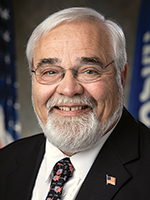
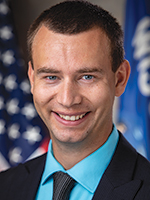
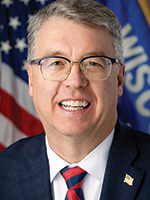
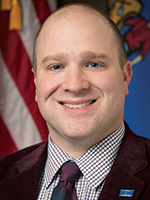
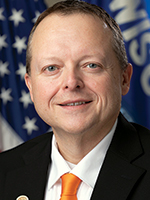
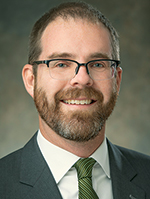
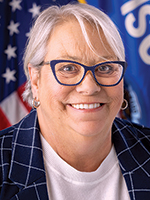
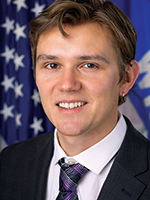
Key legislators
Who's moving criminal justice in Wisconsin
Showing 6 of 6
bills
All criminal justice bills
SB 146 prohibits individuals convicted of a violent felony from legally changing their name. It amends existing law to clarify that the prohibition applies specifically to violent crimes classified as felonies, not all violent offenses. This directly affects people with violent felony convictions who seek to change their legal name. The bill establishes a clear legal barrier to name changes for this group, with penalties for violations.
AB 85 requires Wisconsin's Department of Corrections to recommend revoking parole, probation, or extended supervision whenever a person under supervision is charged with a new crime. This applies directly to individuals on community supervision who face new criminal charges. The bill mandates that the department submit this recommendation to the appropriate administrative body, triggering a hearing process unless the person waives it. The law changes existing statutes to make this recommendation automatic upon a new charge, without requiring proof of violation first.
SB 25 would require courts to defer to a district attorney's determination that there is no basis to prosecute a law enforcement officer involved in a death. Specifically, it prohibits judges from issuing criminal complaints against such officers unless new or unused evidence is presented, after the district attorney has already concluded there is no case to pursue. The bill directly affects officers in officer-involved death cases defined under Wisconsin law (s. 175.47 (1) (c)). This change shifts authority from courts to district attorneys in determining whether charges proceed, streamlining the process for cases where prosecutors have already declined to file.
SB 76 requires courts to approve any dismissal or amendment of criminal charges for specific "covered crimes" (like domestic abuse violations, certain traffic offenses, or crimes under Chapter 948). Prosecutors must provide reasons for seeking such changes, and courts can only approve if the action aligns with deterring these offenses. The bill also prohibits deferred prosecution agreements for these crimes and mandates annual court reports detailing approved dismissals. This directly affects prosecutors, courts, and defendants charged with the listed offenses.
SB 610 increases the maximum prison sentence for distributing methamphetamine or similar drugs near homeless shelters. If someone distributes these drugs within 1,000 feet of a homeless shelter - knowing or reasonably aware the shelter is nearby - their maximum prison term rises by 5 years. The bill specifically targets violations of drug distribution laws (Section 961.65) occurring in these proximity circumstances. This policy change directly affects individuals convicted of such drug distribution offenses near shelters, without altering existing penalties for other drug offenses.
AB 265 strengthens Wisconsin's penalties for human trafficking by requiring minimum prison terms: 15 years for child trafficking and 10 years for general human trafficking convictions. It creates new felony charges for individuals who profit from trafficking (Class D C felony) or receive compensation from commercial sex acts or debt bondage (Class F E felony). The bill directly affects convicted traffickers, their financial beneficiaries, and those who facilitate trafficking through recruitment or harboring of children for commercial sex. These sentencing changes apply to offenses committed after the bill's effective date.