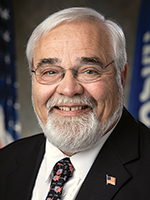
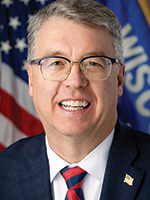
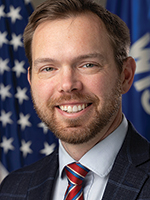
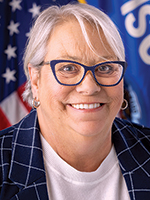
Key legislators
Who's moving criminal justice in Wisconsin
Showing 11–14 of 14
bills
All criminal justice bills
AB 380 requires judges facing allegations of misconduct or permanent disability to be suspended without pay during disciplinary proceedings. It amends statutes to mandate that both final suspensions imposed by the Supreme Court for misconduct and temporary suspensions pending investigations must be without pay. The bill directly affects judges under investigation by the Judicial Commission or facing formal complaints. This policy change clarifies that judges cannot receive salary during these disciplinary processes, applying to all cases involving alleged misconduct or disability.
SB 620 requires sex offenders on parole or extended supervision who cannot provide an address to notify the department within 24 hours of becoming unable to do so. It also mandates that the department use location tracking technology (passive positioning systems) for these individuals if they fail to provide an address as required under existing registration rules. The bill directly affects sex offenders subject to registration who lose the ability to provide a stable address. Key mechanisms include the 24-hour notification deadline and automatic departmental implementation of tracking when address information is unavailable. The policy change ensures continuous monitoring of this specific group to maintain public safety oversight.
AB 677 creates a new criminal offense for "grooming a child for sexual activity," defined as manipulating a child to facilitate sexual abuse. This law directly affects individuals convicted of such grooming behavior, adding it as a punishable offense under Wisconsin statutes like 948.02 (sexual exploitation of a child) and 948.072 (grooming). Key provisions amend multiple laws to include grooming as a disqualifying factor for home placements, licensing for childcare, and reporting requirements, while defining it as a "serious crime" for entities serving minors. The bill does not change existing penalties for actual sexual abuse but establishes grooming itself as a distinct criminal violation with specific legal consequences.
AB 75 (now Wisconsin Act 45) requires the Wisconsin Department of Justice to collect and report criminal case data using an interactive dashboard that excludes personally identifiable information about defendants. The bill amends existing requirements by replacing terms like "charging recommendation" with "arrest charge" and mandates the dashboard be available by January 1, 2026. It directly affects the Department of Justice’s data collection processes and ensures transparency while protecting defendant privacy. The law was enacted after Governor approval on October 31, 2025.