

Maddy summaryHB 5525 creates the "Southern West Virginia Clean Water Fund" to improve drinking water in 13 specific counties (Boone, Fayette, Greenbrier, Lincoln, Logan, McDowell, Mercer, Mingo, Monroe, Raleigh, Summers, Wayne, and Wyoming). The bill requires water utilities to conduct quarterly contaminant testing, replace lead service lines by 2035 (with financial help for low-income households), and implement advanced filtration systems where water quality fails state standards. It appropriates $10 million in state funds for infrastructure upgrades, mandates public reporting of test results within 30 days, and imposes fines (reinvested into the fund) for violations of safe drinking water limits. The law also requires annual infrastructure assessments and updates to contaminant standards every three years based on scientific research.
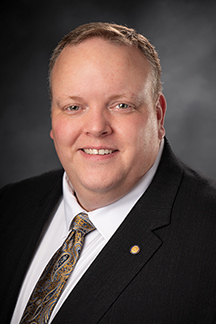
Del. David Green
Sponsored bills
Maddy summaryHB 5060 creates a new legal framework called the "Decentralized Unincorporated Nonprofit Association Act" in West Virginia, establishing a recognized entity type for nonprofit groups operating without formal incorporation. It requires these associations to have at least 100 members with mutual consent for a common nonprofit purpose, allows them to use digital tools (like blockchain and smart contracts) for governance and voting, and prohibits profit distributions to members except for reasonable compensation for services. The bill clarifies that any profits must support the organization's nonprofit mission, outlines member rights and duties, and grants the Secretary of State rulemaking authority to implement the law. This directly affects nonprofits seeking a flexible, digital-friendly structure while maintaining legal recognition under West Virginia law.
Maddy summaryHB 5521 establishes new licensing, examination, and conduct requirements for public adjusters in West Virginia. It defines a "public adjuster" as someone who negotiates insurance claims for policyholders (not insurance companies) and sets standards for their qualifications, including fingerprinting and certification of automated claims systems. The bill also creates specific contract rules between public adjusters and insured clients. These changes directly affect public adjusters seeking to work in the state and the insured individuals who hire them. The law aims to clarify regulations for this category of adjusters while addressing gaps during insurance emergencies.
Maddy summaryHB 5351 modernizes how counties collect fees from emergency communication service users to cover enhanced 911 systems and address conversion costs. It allows county commissions to impose a single fee per physical address (residential, commercial, or business location) regardless of technology used, including VoIP services for in-state subscribers. The fee must cover system upgrades, city-style addressing conversions, and operational costs, but cannot be charged multiple times for different services at the same location. This update ensures fee collection aligns with modern communication technologies while maintaining transparency for users.
Maddy summaryHB 4471 requires all rental properties in West Virginia to have approved sewage systems instead of straight piping sewage. It specifically applies to landlords of rental properties, including those previously used as primary owner-occupied homes that are now rented. The bill mandates that these properties must update plumbing to current standards and install approved sewer systems. This policy directly affects landlords and rental property owners by setting new infrastructure requirements for sewage handling.
Maddy summaryThis House resolution formally recognizes President Donald J. Trump for various policies and actions that the West Virginia House of Delegates claims have benefited the state. The document highlights specific initiatives including regulatory reforms in the energy sector, tax relief measures, funding for rural healthcare, and programs aimed at reducing prescription drug costs and establishing investment accounts for newborns. It also cites border security improvements and drug control efforts as contributing factors to public safety and economic well-being. The resolution expresses appreciation for these actions and requests that the formal recognition be sent to the President.
Maddy summaryThis bill asks the Joint Committee on Government and Finance to study whether energy recovery and micro-hydropower technologies could be used in West Virginia's public water systems. The study would examine specific locations like pressure valves and discharge points where excess water energy is currently wasted, and evaluate technologies that could generate electricity without major construction or environmental harm. The committee would also analyze potential cost savings, review available funding sources, and consider regulatory requirements for such installations. If the study finds these technologies feasible, the committee would provide recommendations to the Legislature by December 1, 2026, to help reduce water system operating costs and potentially lower water rates for residents.
Maddy summaryThis bill asks the West Virginia Legislature to conduct a comprehensive study on how the state manages disaster recovery and flood resiliency funding, coordination, and case management. The study will examine whether the State Resiliency Office is effectively using available funds, coordinating with other agencies, and complying with state laws, while also analyzing how federal policy changes might impact West Virginia's ability to access disaster relief money. Additionally, the bill requests a feasibility study to determine if state emergency personnel should receive cross-training as disaster case managers to improve recovery efforts and reduce reliance on outside organizations. The findings will include recommendations for improving the state's disaster response system and may lead to changes in laws or budget allocations.
Maddy summaryThis legislative resolution asks the Joint Committee on Government and Finance to study ways to reduce water loss in public water systems across West Virginia. The study will examine strategies like leak detection, infrastructure upgrades, and performance-based incentives to help water systems save money and stabilize rates for customers. It specifically focuses on identifying systems with the highest water loss and exploring financing options such as special bonds and grant programs to fund improvements. The committee must report its findings and recommendations to the Legislature by December 1, 2026.
Maddy summaryThis House Resolution honors the life and legacy of the late West Virginia legislator Larry D. Kump, who passed away on February 28, 2026. The resolution formally expresses the House of Delegates' condolences to Kump's family and acknowledges his service as a representative for Berkeley County across three different terms. It recognizes his career in criminal justice and mediation, his commitment to limited government, and his role as a devoted family member and church leader. The document is a ceremonial tribute rather than a law that changes policy or affects public programs.