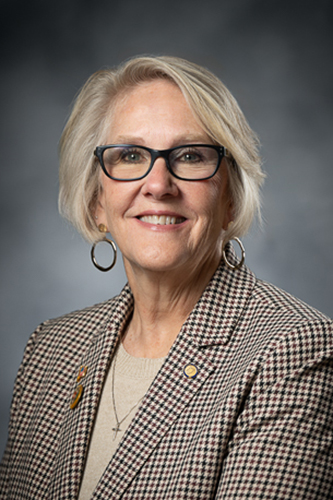
Key legislators
Who's moving housing in West Virginia
Showing 4 of 4
bills
All housing bills
SB 659 prevents West Virginia municipalities from banning or overly restricting accessory dwelling units (ADUs) - secondary living spaces like converted garages or backyard cottages - on single-family residential properties. The bill bans local governments from requiring public hearings, imposing excessive fees ($250 max application fee), mandating matching exterior designs, or setting stricter size/height rules for ADUs than for primary homes. It also prohibits municipalities from requiring additional parking, restrictive covenants, or separate water/sewer systems for ADUs, though they may still regulate short-term rentals separately. This directly affects homeowners seeking to build or rent out ADUs without local bureaucratic hurdles.
This bill updates West Virginia's mortgage lending laws to strengthen consumer protections and improve transparency for borrowers. It requires lenders and brokers to provide detailed closing statements that clearly show late payment penalty maximums and must include the borrower's signature, ensuring they understand the loan terms before finalizing the agreement. The bill also mandates that loan records be kept for 36 months and allows borrowers to request account statements and payoff information within specific timeframes without fees, except for third-party delivery costs. Additionally, it clarifies that a separate state-specific closing disclosure is not needed if the federal closing disclosure already contains all required information, reducing paperwork while maintaining compliance with state and federal standards.
HB 4730 requires West Virginia's Department of Human Services to create a coordinated system of support for youth aging out of foster care or preparing to exit foster care, directly affecting these young adults statewide. The bill mandates a three-phase housing model (on-site living, scattered-site arrangements, and supportive independent living) plus services to build daily living, social-emotional, and education/career skills. It establishes specific funding rules including per diem rates for providers, annual cost-of-living adjustments, and direct monthly stipends to youth for housing costs, while maximizing federal Title IV-E funding. The department must implement annual data collection and reporting to the legislature on outcomes like housing stability and employment, starting in 2027.
This bill proposes a constitutional amendment to increase the homestead property tax exemption in West Virginia from $20,000 to $50,000. It directly affects homeowners and mobile home owners who are at least 65 years old or permanently disabled, as well as younger homeowners who would receive a phased-in exemption starting at a lower value. The amendment would allow the state legislature to set specific rules for how the exemption applies, including a five-year phase-in period for properties appraised before the law takes effect. Additionally, the bill grants the legislature authority to provide property tax relief to tenants of residential or farm property. The measure requires approval by voters at the 2026 general election to become part of the state constitution.