Issue · Healthcare

Healthcare (Substance Abuse)

Every healthcare bill, vote, and legislator stance in West Virginia, automatically classified by Maddy, our AI policy reader.

Total bills
39
2026 Regular Session
Top supporter
Bill Bell
100% support rate
Top opponent
George Street
0% support rate
Ranked legislators
10
5 support · 5 oppose
Key legislators

Who's moving substance abuse in West Virginia

Legislators moving substance abuse in West Virginia
Legislator Party Stance Support rate Votes
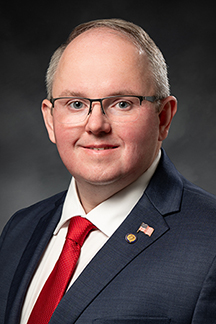
Bill Bell
Bill Bell House · District 8
R
Strong +
100% 4
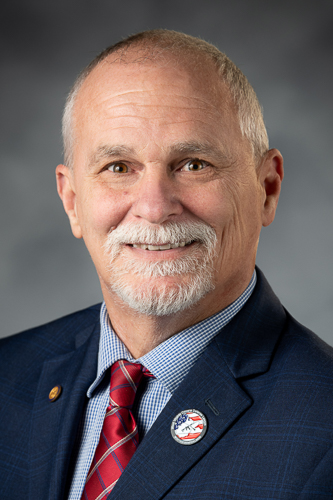
Bill Roop
Bill Roop House · District 44
R
Strong +
100% 4
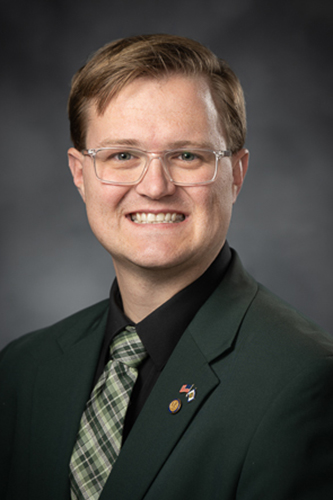
Chris Phillips
Chris Phillips House · District 68
R
Strong +
100% 4
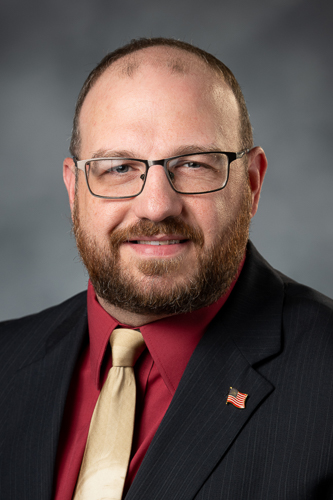
Chuck Horst
Chuck Horst House · District 95
R
Strong +
100% 4
Dave McCormick
Dave McCormick House · District 82
R
Strong +
100% 4
George Street
George Street House · District 83
R
Strong −
0% 4
Marty Gearheart
Marty Gearheart House · District 37
R
Strong −
0% 4
Michael Amos
Michael Amos House · District 27
R
Strong −
0% 3
Adam Vance
Adam Vance House · District 35
R
Oppose
25% 4
Betsy Kelly
Betsy Kelly House · District 9
R
Oppose
25% 4
Showing 11–20 of 39 bills

All healthcare bills

in committee · West Virginia · Senate Feb 25, 2026

SB 1082: Relating to authority of PEIA to investigate and prosecute fraud

SB 1082 expands the West Virginia Public Employees Insurance Agency's (PEIA) authority to investigate and prosecute insurance fraud. It establishes new civil penalties, including triple damages for fraudulent claims, and allows PEIA to withhold payments to recover overpayments. The bill directly affects employers, employees, and healthcare providers who submit claims to PEIA by creating specific violations like misrepresenting benefits or overcharging. Key provisions include authorizing administrative actions, requiring document retention for five years, and setting procedures for investigations and subpoenas. The law aims to strengthen fraud prevention and recovery of public insurance funds.
Sub-Topics Substance Abuse
in committee · West Virginia · House of Delegates Feb 16, 2026

HB 5615: Relating to Teleheatlh

HB 5615 removes the requirement for an in-person visit before a patient's first telemedicine appointment in West Virginia. For patients who have had an in-person visit with the same provider within the past three years, the bill mandates an in-person follow-up within 12 months of the initial telemedicine service, with exceptions for acute care, behavioral health, addiction treatment, or palliative care. It also restricts prescribing Schedule II controlled substances (like strong opioids) via telehealth without special authorization, except for patients with an established provider relationship. These changes aim to standardize telehealth practice while ensuring patient safety through documentation and confidentiality rules.
in committee · West Virginia · Senate Feb 21, 2026

SB 1047: Establishing Community Well-Being, Recovery Housing, and Family Stabilization Act

SB 1047 creates a non-criminal system to address homelessness, addiction, and mental health challenges by requiring law enforcement to issue verbal warnings, then written warnings, and finally refer individuals to community behavioral health centers after three encounters - replacing arrests or citations. The bill sets standards for recovery housing to be substance-free, trauma-informed, and long-term, with specific provisions for family recovery housing supporting pregnant women and mothers with children. It prohibits criminalizing homelessness or addiction, integrates community behavioral health centers with recovery housing services, and mandates an annual report from a state advisory team, all using existing state resources without new funding. The law takes effect on July 1, 2026.
in committee · West Virginia · House of Delegates Feb 4, 2026

HB 5184: Prohibiting expanding drug and alcohol treatment facilities and services in certain counties

HB 5184 would prohibit adding new licensed substance abuse treatment beds in any West Virginia county that already has more than 250 such beds. This directly affects counties meeting that bed threshold by restricting the expansion of drug and alcohol treatment facilities. The bill amends existing law to specifically bar new bed additions in these high-capacity counties, while exempting certain approved clinical trials for opioid treatment programs. It does not change rules for counties with fewer than 250 beds or affect existing facilities. The change creates a clear threshold limiting new treatment capacity in areas already serving high demand.
passed · West Virginia · Senate Mar 5, 2026

SB 1012: Permitting development of juvenile inpatient substance use disorder treatment beds

SB 1012 amends West Virginia law to permit the development of 60 additional inpatient substance use disorder treatment beds specifically for youth aged 17 or younger in Cabell County. The bill modifies certificate of need requirements that previously restricted new beds in counties with over 250 existing substance abuse treatment beds, making an exception for Cabell County's juvenile beds. This policy change directly affects minors in Cabell County seeking inpatient treatment for substance use disorders by removing a regulatory barrier to expanding specialized care. The provision is limited to inpatient treatment beds exclusively for individuals 17 years or younger.
Sub-Topics Substance Abuse
in committee · West Virginia · House of Delegates Feb 10, 2026

HB 5103: Relating to requiring the Office of Health Facility Licensure and Certification to inspect office-based medication-assisted treatment programs at least every 24 months

HB 5103 requires the West Virginia Office of Health Facility Licensure and Certification to inspect office-based medication-assisted treatment programs (which provide opioid addiction treatment using medication) at least once every 24 months. These inspections must include reviewing patient records to ensure compliance with licensing rules and may involve a pharmacist and law enforcement officer. The bill mandates formal inspections every two years, in addition to unannounced complaint inspections already allowed. It directly affects opioid treatment programs operating in medical offices across West Virginia.
signed · West Virginia · Senate Jun 25, 2026

SB 742: Modifying requirements for involuntary hospitalization

SB 742 modifies West Virginia's involuntary hospitalization process by allowing an authorized hospital physician to place a person under a 72-hour hold without first contacting specific officials (like mental hygiene commissioners). It removes the previous 24-hour deadline for filing a formal petition to extend the hold, instead requiring this petition to be filed within 72 hours. The bill also ensures hospitals and physicians are paid standard rates for these services and are protected from liability when acting in good faith. This directly affects individuals facing involuntary hospitalization for mental illness or addiction and the healthcare providers managing their care.
in committee · West Virginia · Senate Feb 4, 2026

SB 743: Creating exemption to prescription limitations for mid-level providers

SB 743 creates an exemption from standard opioid prescription limits for mid-level providers (like nurse practitioners and physician assistants) working in hospice care. It requires these providers to be licensed, employed exclusively by licensed hospice providers, and supervised by a physician medical director. The exemption allows them to prescribe Schedule II opioids without the usual 30-day supply limits in hospice settings, while maintaining all other existing prescription rules for non-hospice care. This change specifically applies to hospice patients receiving palliative care, aligning with current exceptions for hospice services.
in committee · West Virginia · House of Delegates Feb 9, 2026

HB 5349: Requiring the Public Employees Agency and other health insurance providers to provide mental health parity

HB 5349 requires West Virginia's Public Employees Insurance Agency (PEIA) and other health insurers to provide mental health, behavioral health, and substance use disorder coverage that is equally comprehensive as coverage for physical health conditions. It mandates specific protections, including annual screenings for depression and substance use, fair access to providers (like coverage for non-participating providers when needed), and clear denial notices explaining parity rights. The bill directly affects public employees covered by PEIA and all health insurance providers operating in West Virginia under state regulations. It also requires annual reporting on compliance and sets an effective date of June 1, 2026.
in committee · West Virginia · House of Delegates Feb 4, 2026

HB 5181: Relating to removing the Certificate of Need moratorium on opioid treatment facilities

This bill repeals a law that paused Certificate of Need (CON) requirements for opioid treatment facilities. By removing the moratorium, it ends the temporary exemption allowing these facilities to bypass state approval for expansion. Now, opioid treatment centers in West Virginia would need to obtain a Certificate of Need before expanding services or opening new locations. This directly affects opioid treatment facilities seeking to grow or add services within the state.
Sub-Topics Substance Abuse
Showing 11 to 20 of 39 bills
Previous 1 2 3 4 Next