

Issue · Education
Education
Every education bill, vote, and legislator stance in West Virginia, automatically classified by Maddy, our AI policy reader.
Total bills
4
119th Congress
Top supporter
James C. Justice
50% support rate
Top opponent
Carol D. Miller
14% support rate
Ranked legislators
4
2 support · 2 oppose
Key legislators
Who's moving education in West Virginia
| Legislator | Party | Stance | Support rate | Votes |
|---|---|---|---|---|
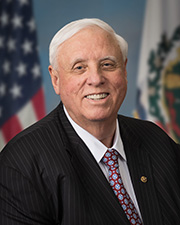
James C. Justice
Senate
|
R |
Mixed
|
50% | 162 |
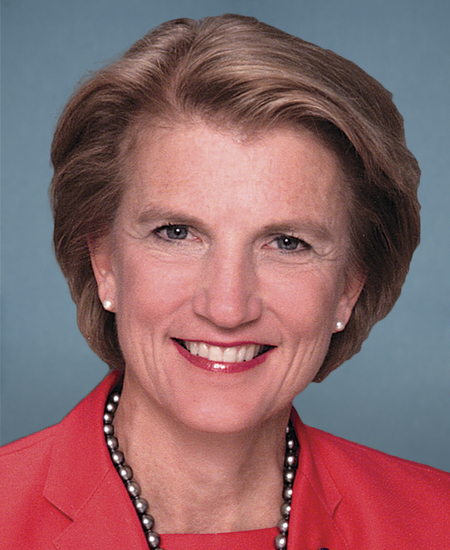
Shelley Moore Capito
Senate
|
R |
Mixed
|
50% | 165 |
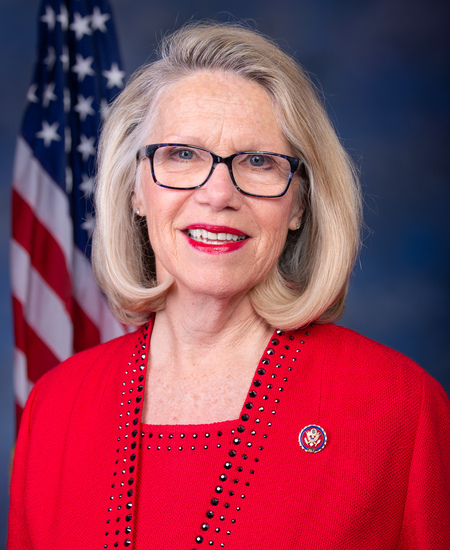
Carol D. Miller
House · District 1
|
R |
Strong −
|
14% | 127 |
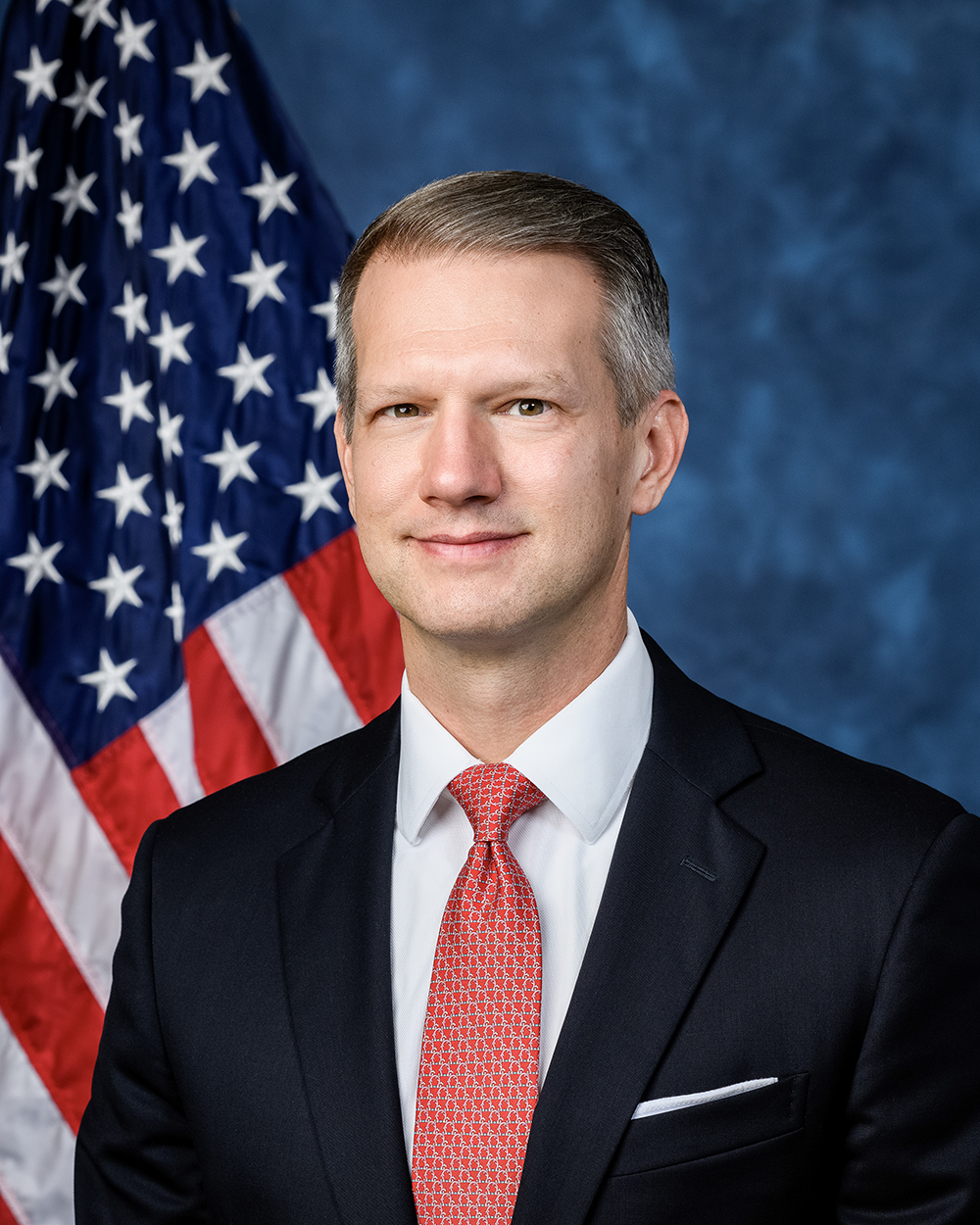
Riley M. Moore
House · District 2
|
R |
Oppose
|
22% | 128 |
Showing 4 of 4
bills
All education bills
HR 9742: English Language Proficiency Act
Topics
✗ EducationOpposes EducationBill restricts educational access by removing exemptions for immigrants to bypass English and civics requirements for naturalization.
✗ ImmigrationOpposes ImmigrationBill restricts immigrant access to naturalization by removing exemptions for English and civics requirements.
Sub-Topics
Citizenship & Naturalization
HR 3518: To amend the Higher Education Act of 1965 to prohibit graduate medical schools from receiving Federal financial assistance if such schools adopt certain policies and requirements relating to diversity, equity, and inclusion.
Topics
✗ EducationOpposes EducationDefunds graduate medical schools implementing DEI policies, directly restricting diversity initiatives in higher education funding and curriculum.
✗ HealthcareOpposes HealthcareDefunds medical schools requiring DEI policies, restricting diversity in healthcare workforce training, directly impacting medical professionals and health equity initiatives.
Sub-Topics
Student Financial Aid
SJRES 7: A joint resolution providing for congressional disapproval under chapter 8 of title 5, United States Code, of the rule submitted by the Federal Communications Commission relating to "Addressing the Homework Gap Through the E-Rate Program".
Topics
✗ Budget & TaxesOpposes Budget & TaxesBill blocks FCC rule expanding E-Rate program funding, preventing increased federal spending on school broadband access. Directly defunds essential program expansion.
✗ EducationOpposes EducationBill blocks FCC rule expanding school internet access via E-Rate program, preventing increased connectivity funding and access for students, opposing educational access expansion.
✗ TechnologyOpposes TechnologyBlocks FCC rule expanding E-Rate program funding for school internet access, preventing increased connectivity for students addressing homework gap.