

Issue · Budget & Taxes
Budget & Taxes
Every budget & taxes bill, vote, and legislator stance in West Virginia, automatically classified by Maddy, our AI policy reader.
Total bills
460
2026 Regular Session
Top supporter
Ryan Browning
93% support rate
Top opponent
Corby Dillon
14% support rate
Ranked legislators
10
5 support · 5 oppose
Key legislators
Who's moving budget & taxes in West Virginia
| Legislator | Party | Stance | Support rate | Votes |
|---|---|---|---|---|
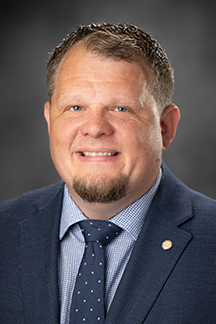
Ryan Browning
House · District 28
|
R |
Strong +
|
93% | 46 |
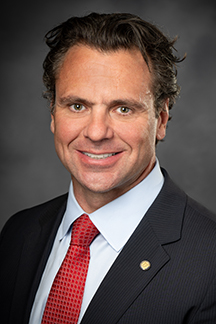
J.B. Akers
House · District 55
|
R |
Strong +
|
93% | 48 |
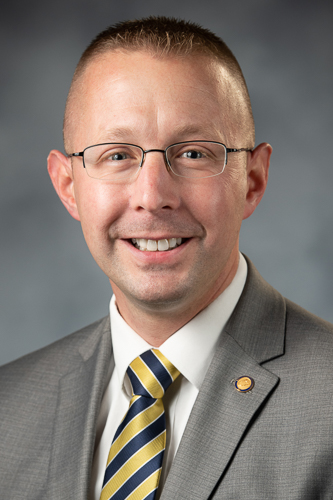
Jonathan Pinson
House · District 17
|
R |
Strong +
|
93% | 48 |

Chris Phillips
House · District 68
|
R |
Strong +
|
93% | 48 |
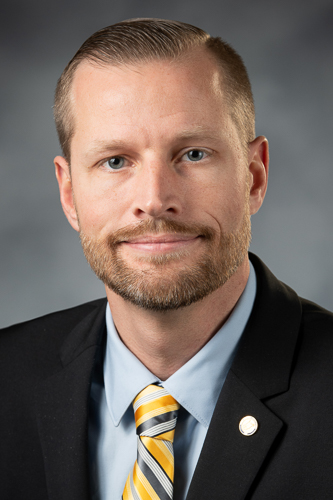
Jordan Maynor
House · District 41
|
R |
Strong +
|
93% | 48 |
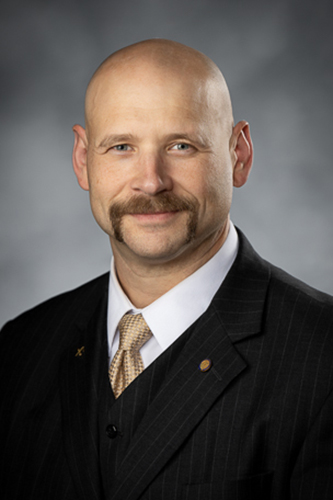
Corby Dillon
House · District 29
|
R |
Strong −
|
14% | 47 |
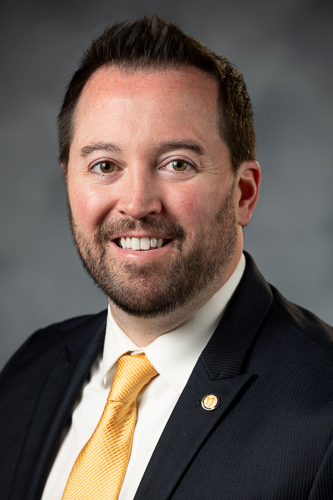
Shawn Fluharty
House · District 5
|
D |
Oppose
|
31% | 45 |
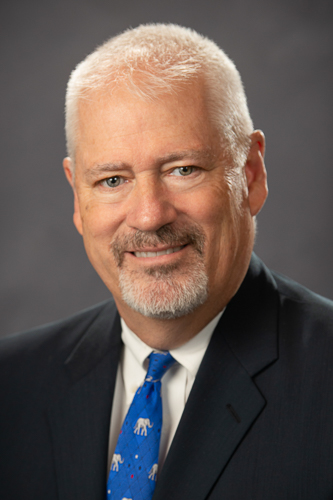
Marty Gearheart
House · District 37
|
R |
Oppose
|
33% | 37 |

Evan Hansen
House · District 79
|
D |
Oppose
|
40% | 48 |
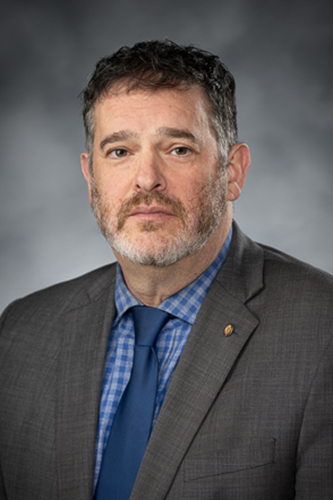
Mike Pushkin
House · District 54
|
D |
Oppose
|
40% | 48 |
Showing 21–30 of 460
bills
All budget & taxes bills
SB 841: Supplemental Appropriation to State Board of Education, fund 3951
Topics
✓ Budget & TaxesSupports Budget & TaxesAllocates existing lottery surplus to fund Hope Scholarship Program, increasing public education funding without new taxes or program changes.
✓ EducationSupports EducationAdds $30,498 to Hope Scholarship Program via lottery surplus, increasing funding for student scholarships without altering eligibility, directly supporting educational access.
HB 5402: Relating to creating a Distribution Center Refundable Toll Payments Tax Credit Act.
SB 826: Supplementary appropriation to Division of Natural Resources, fund 3211
Topics
✓ Budget & TaxesSupports Budget & TaxesIncreases funding for state parks operations/maintenance via supplementary appropriation, directly advancing public service funding within budget allocation.
✓ EnvironmentSupports EnvironmentBill increases funding for State Parks and Recreation Endowment Fund to enhance park operations and maintenance, directly supporting environmental conservation and natural resource management.
HB 5468: Allotting counties $5,000 per deputy position to only be used for deputy pay raises
Topics
✓ Budget & TaxesSupports Budget & TaxesAllocates state funds exclusively for deputy sheriff pay raises, increasing public safety spending within budget constraints.
✓ Criminal JusticeSupports Criminal JusticeFunds deputy sheriff pay raises exclusively, directly supporting law enforcement resource allocation within criminal justice system.
HB 5310: Supplemental Appropriation to the Department of Education - Hope Scholarship Program from the Unappropriated Surplus Balance.
Topics
✓ Budget & TaxesSupports Budget & TaxesUses unappropriated surplus to fund scholarships without new taxes, aligning with fiscal responsibility and program funding per budget allocation.
✓ EducationSupports EducationAllocates $78M from surplus to Hope Scholarship Program, expanding K-12 educational access via private school funding.
HB 5586: Relating to granting an across-the-board raise for all classroom teachers.
Topics
✓ Budget & TaxesSupports Budget & TaxesBill mandates state budget allocation for teacher salary increases, directly funding public education through increased state spending.
✓ EducationSupports EducationBill establishes mandatory minimum salary increases for teachers based on experience/education, directly supporting educator compensation and retention in K-12 education.
✓ Labor & EmploymentSupports Labor & EmploymentBill mandates minimum salary increases for teachers based on experience/education, directly raising wages for classroom educators under employment standards.
Sub-Topics
Teachers
HB 5134: Small Business Investment Grant Fund
Tags
Small Business
SJR 20: Fire and Emergency Services Excess Levy Majority Approval Amendment
Topics
✓ Budget & TaxesSupports Budget & TaxesLowers voter threshold for fire/EMS tax increases, enabling easier funding of essential public services through local taxes with strict limits.
✓ HealthcareSupports HealthcareBill enables lower voter approval for local tax hikes dedicated to EMS (emergency medical services), directly funding a healthcare service under public health programs.
Tags
Public Safety
HB 5503: Relating to providing a $5,000 salary increase to certain inspectors.
Topics
✓ Budget & TaxesSupports Budget & TaxesBill increases state spending on mine inspectors' salaries, directly allocating budget funds for salary adjustments under fiscal management.
✓ Labor & EmploymentSupports Labor & EmploymentBill increases base pay by $5,000 for mine inspectors, directly advancing wages for a specific labor group under Labor & Employment.