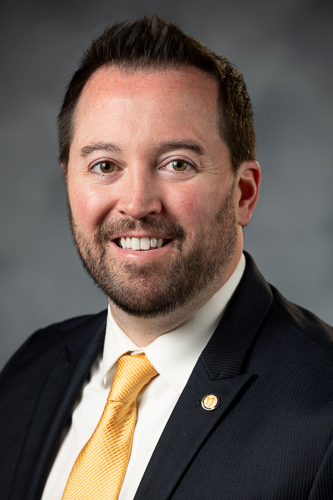
HB 5654 would exempt retirement benefits received by West Virginia Division of Natural Resources (DNR) Police Officers from the state's personal income tax. This directly affects current and future DNR Police Officers who receive retirement benefits under state retirement systems. The bill adds a new provision (§11-21-12o) to the tax code, removing the requirement for these officers to pay income tax on their retirement payments. The bill was introduced on February 17, 2026, and referred to the House Finance Committee for review.
HB 5435 modifies West Virginia's school funding formula to increase support for rural counties. It adds a multiplier to the "net enrollment" calculation for counties classified as "sparse-density" (those with fewer than five students per square mile). This adjustment directly increases state funding for school systems in these rural counties when their net enrollment falls below 1,400 students. The change applies to all school funding calculations under the state's public school support system, ensuring rural districts receive additional resources based on population density.
SJR 17 proposes a constitutional amendment that would permit the West Virginia legislature to pass a law exempting owner-occupied homes from property tax. This exemption would apply to homes used as a primary residence by the owner (or one owner) who is a West Virginia citizen, but only for one home per household. If approved by voters in 2026, the legislature could implement this exemption through specific rules, while requiring these homes to continue undergoing regular property appraisals under current law. The amendment does not automatically eliminate property taxes but enables future legislative action to do so under defined conditions.
HB 5114 would remove the state sales tax on gun safes and specific firearm safety devices. This change applies directly to consumers purchasing these items, making them tax-exempt under West Virginia's sales tax code. The bill amends Section 11-15-9 of the tax code to explicitly add these products to the list of exempt items. It creates a concrete policy change by eliminating a tax burden on these safety products.
HB 5595 amends West Virginia law to exempt personal property owned by veterans with a 100% disability rating from state property taxes. It directly affects fully disabled veterans who receive this specific military disability rating. The bill adds these veterans to the existing list of property tax exemptions under §11-3-9 of the West Virginia Code, which already covers items like churches, hospitals, and educational institutions. This change applies only to personal property (e.g., vehicles, equipment), not real estate. The bill was introduced in the West Virginia House of Delegates on February 16, 2026, and referred to the Finance Committee.
SB 758 would provide extra state funding to West Virginia school districts for students enrolled in schools designated as "extremely remote" under the bill. It prohibits county school boards from closing such schools during the fiscal year they receive the additional aid and requires submission of specific documentation and reporting. The bill also allows waivers for certain documentation requirements. These provisions aim to support remote schools by ensuring stable funding and operational continuity.
HB 5262 provides a tax credit for commercial building owners in West Virginia who pay for renovations to achieve certification under the U.S. Green Building Council's LEED system or the Green Globes Building Initiative. The credit equals the actual cost of renovations and improvements needed for certification, minus any reimbursements received. Eligible taxpayers (commercial building owners) can apply this credit against corporation net income tax, business franchise tax, or personal income tax, with unused portions carryable for up to three years. This policy directly supports commercial property owners seeking to adopt sustainable building practices through financial incentives.
HB 5391 amends West Virginia's Emergency Medical Services Retirement System (EMSRS) to benefit current and future EMS personnel. It changes retirement benefit calculations to use a member's five highest-earning years instead of the current method, exempts all EMSRS pension income from West Virginia personal income tax (removing a previous $2,000 tax cap), and eliminates the 1,040-hour annual work limit for retired EMS workers returning to service in areas with staffing shortages. These changes directly affect emergency medical services workers enrolled in the EMSRS, providing tax relief and greater workforce flexibility. The bill creates the "EMS Retirement Equity, Tax Relief, and Workforce Support Act" as part of these policy updates.
HB 5307 adds $10 million in funding from West Virginia's unappropriated surplus balance to the Division of Culture and History within the Department of Tourism for fiscal year 2026. This supplemental appropriation directly affects the division's ability to fund cultural programs, historical preservation, and related activities. The funds will be used for operational expenses during the 2026 fiscal year, as specified in the state budget's surplus allocation.
HB 5108 creates a dedicated "Tobacco Cessation Initiative Program Special Revenue Account" managed by the Bureau for Public Health to fund tobacco use cessation programs. It mandates an annual transfer of $5 million from interest earned on the Revenue Shortfall Reserve Fund - Part B to this account, starting July 30, 2026. The funds are specifically designated for tobacco cessation initiatives and must be used as outlined in the bill, with balances carrying over annually. This directly affects the Bureau for Public Health, which administers the programs funded by these dedicated resources.