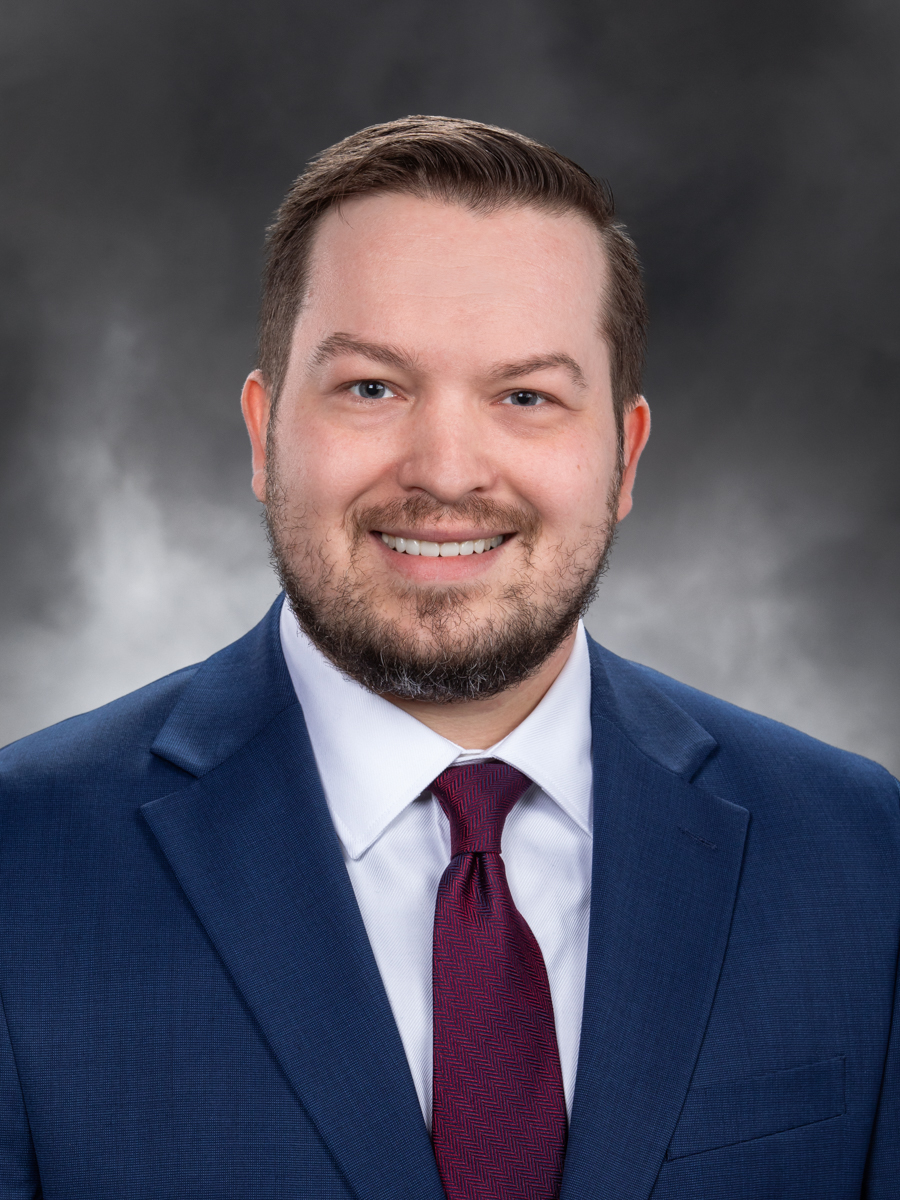
Photo of Travis Couture
R Washington House · District 35 On the 2026 ballot

Rep. Travis Couture

Compare
Total votes
2,532
all sessions
Attendance
100%
7 missed
Near the chamber average
With party
95%
of cast votes
Near the chamber average
Bipartisan score
2%
crosses aisle rarely
Near the chamber average
Sponsored
386
bills & resolutions
Near the chamber average
Committees
4
assignments
386 bills and resolutions

Sponsored bills

Total
386
Primary
65
Co-sponsor
321
This page
386
matching current filters
Co-sponsor HR 4689
Passed · Washington House · Co-sponsor
Honoring the Seattle Seahawks for excellence in professional football during the 2025 National Football League season.

Maddy summaryThis is a ceremonial resolution (not substantive legislation) passed by the Washington state House of Representatives. It formally congratulates the Seattle Seahawks football team for winning the 2025 NFL regular season, NFC West Division championship, and Super Bowl 60. The resolution specifically recognizes their 14-3 record, defensive dominance, key player achievements (including MVP Kenneth Walker III), and community contributions. It has no legal effect beyond expressing the House's recognition and appreciation to the team organization.

Passed Feb 11, 2026 1 co-sponsor
Co-sponsor HB 1367
In committee · Washington House · Co-sponsor
Improving motorcycle safety by authorizing the use of the right shoulder of limited access roadways.

Maddy summaryHB 1367 allows motorcycles to temporarily use the right shoulder of limited-access highways (like freeways) when traffic is stopped or moving at 25 mph or slower. This applies only under specific conditions: motorcycles must not exceed 10 mph faster than adjacent traffic, must travel alone (not two abreast), and must exit the shoulder before exits offering alternative routes or services. The bill amends Washington’s vehicle code to permit this shoulder use while maintaining existing restrictions on lane-sharing and passing. It directly affects motorcycle riders operating in slow-moving or stopped traffic on major highways.

In committee Feb 5, 2026 1 co-sponsor
Co-sponsor HB 2146
In committee · Washington House · Co-sponsor
Combating sexual exploitation of minors.

Maddy summaryHB 2146 defines and strengthens criminal penalties for sexual exploitation of minors in Washington State. It makes it a crime for anyone to force a minor into sexually explicit conduct for photos or live performances (section 1a), aid or invite minors into such situations (1b), or for parents/guardians to permit it (1c). The bill upgrades this offense to a class B felony under state law, increasing penalties. It directly affects minors who may be exploited, perpetrators of such acts, and caregivers who fail to protect minors. The law focuses on specific, concrete prohibitions rather than broader policy changes.

In committee Feb 4, 2026 1 co-sponsor
Co-sponsor HB 1529
In committee · Washington House · Co-sponsor
Increasing opportunities for cities to utilize county resources for road construction and maintenance.

Maddy summaryHB 1529 allows cities to contract with counties for road construction and maintenance work without counting that work toward the city's 10% limit on using city employees for public works projects. The bill specifically exempts county-performed road striping and paving from the 10% cap, making it easier for cities - especially rural ones - to access county resources. It also sets dollar limits ($150,000 for multi-trade projects, $75,500 for single-trade) on city employees performing road work and requires cities to report spending to the state auditor. First-class cities must follow these rules when using county crews or city staff for road projects.

In committee Feb 4, 2026 1 co-sponsor
Co-sponsor HB 2719
In committee · Washington House · Co-sponsor
Establishing empowerED scholarships for foster care students using educational savings accounts.

Maddy summaryHB 2719 creates the empowerED scholarship program, providing education savings accounts for foster care students in Washington state (ages 5-21) who are in care or have aged out. The program allows foster parents, caregivers, or guardians to use state-funded accounts - managed via a state-administered debit card - to cover qualified education expenses at private schools, home-based instruction, or other approved services. It explicitly permits religious private schools to participate, aligning with recent U.S. Supreme Court rulings on education funding. The bill aims to address educational instability faced by foster care students by ensuring funding follows the student across placements, with strict oversight to prevent misuse of funds.

In committee Feb 3, 2026 1 co-sponsor
Co-sponsor HB 2135
In committee · Washington House · Co-sponsor
Modifying and extending the adaptive housing retail sales and use tax preference for disabled veterans.

Maddy summaryHB 2135 extends and modifies a tax exemption for disabled veterans who use federal grants to adapt their homes. It raises the maximum tax refund per project from $2,500 to $5,000 and increases the annual state funding cap from $125,000 to $250,000, with future adjustments tied to Seattle-area inflation starting in 2028. The bill applies exclusively to veterans who received U.S. Department of Veterans Affairs grants for specially adapted housing or special housing adaptations. It expires on January 1, 2039, and requires the state to track usage to ensure funds stay within annual limits.

In committee Feb 3, 2026 1 co-sponsor
Co-sponsor HB 1622
Passed · Washington House · Co-sponsor
Allowing bargaining over matters related to the use of artificial intelligence.

Maddy summaryHouse Bill 1622 allows public sector employees in Washington state to collectively bargain with their employers over the use of artificial intelligence (AI) in the workplace. The bill amends existing state law to remove the "use of technology" from a list of management rights that are typically not subject to negotiation for employees in higher education and other state agencies. It defines artificial intelligence as machine learning and related technologies that enable computer systems to perform tasks like computer vision or natural language processing. This change empowers unions and public employers to negotiate agreements on the implementation and utilization of AI technologies.

Passed Feb 3, 2026 1 co-sponsor
Primary HB 2704
In committee · Washington House · Lead sponsor
Requiring all less restrictive alternatives for sexually violent predators to be operated by the department of social and health services or a contracted provider.

Maddy summaryHB 2704 requires that all "less restrictive alternatives" for sexually violent predators - treatment settings less restrictive than total confinement - must be operated directly by Washington's Department of Social and Health Services or by a provider contracted with the department. This applies to individuals convicted of or charged with sexual violence who have a mental abnormality or personality disorder making them likely to commit predatory sexual acts if not confined. The bill explicitly excludes placement in the community protection program (RCW 71A.12.230) from qualifying as a less restrictive alternative. It amends existing statutes to enforce this operational requirement, ensuring such programs meet state oversight standards. This policy change directly affects sexually violent predators under civil commitment proceedings.

In committee Jan 29, 2026 0 co-sponsors
Co-sponsor HJM 4014
In committee · Washington House · Co-sponsor
Requesting a federal investigation of allegations of fraud in certain taxpayer funded programs.

Maddy summaryHJM 4014 is a procedural memorial requesting the U.S. Department of Justice investigate alleged fraud in Washington state's child care subsidy programs. It cites reported issues including hundreds of millions in un-auditable payments, whistleblower claims of self-dealing in community reinvestment programs, and misleading practices in minority-focused debt relief. The memorial specifically asks the DOJ to examine the Attorney General's handling of fraud allegations, potential public records violations, and whether systemic issues undermine federal oversight. This is a formal request to federal authorities, not a legislative change affecting Washington residents or programs directly.

In committee Jan 29, 2026 1 co-sponsor
Co-sponsor HB 2209
In committee · Washington House · Co-sponsor
Concerning sentencing enhancements for theft offenses, robbery, possessing stolen property, and trafficking stolen property.

Maddy summaryHB 2209 amends Washington State's sentencing guidelines to add mandatory additional prison time for certain theft, robbery, and stolen property offenses when a firearm or deadly weapon is used. It requires judges to add 5 years for class A felonies, 3 years for class B felonies, or 18 months for class C felonies involving firearms, with similar but shorter additions for deadly weapons (not firearms). These enhancements must be served consecutively to other sentences and are mandatory, with limited exceptions for specific weapon-related crimes. The bill is currently in committee review and has not yet been enacted into law.

In committee Jan 29, 2026 1 co-sponsor
Showing 21 to 30 of 386 bills
Previous 1 2 3 4 39 Next