

Maddy summaryHB 1274 retroactively removes certain juvenile convictions from sentencing calculations for people incarcerated under sentences imposed before July 23, 2023. It allows eligible individuals - currently incarcerated with a release date on or after July 1, 2026 - to petition for resentencing if they have served specific percentages of their sentence (e.g., 80% by 2026, 60% by 2026, 40% by 2027, or any time after 2028). The bill requires courts to grant resentencing unless the petitioner has serious disciplinary violations, lacks rehabilitation evidence, or poses a high recidivism risk. This applies specifically to those impacted by prior juvenile convictions that were counted in adult sentencing under outdated rules, disproportionately affecting Black, Indigenous, and People of Color.
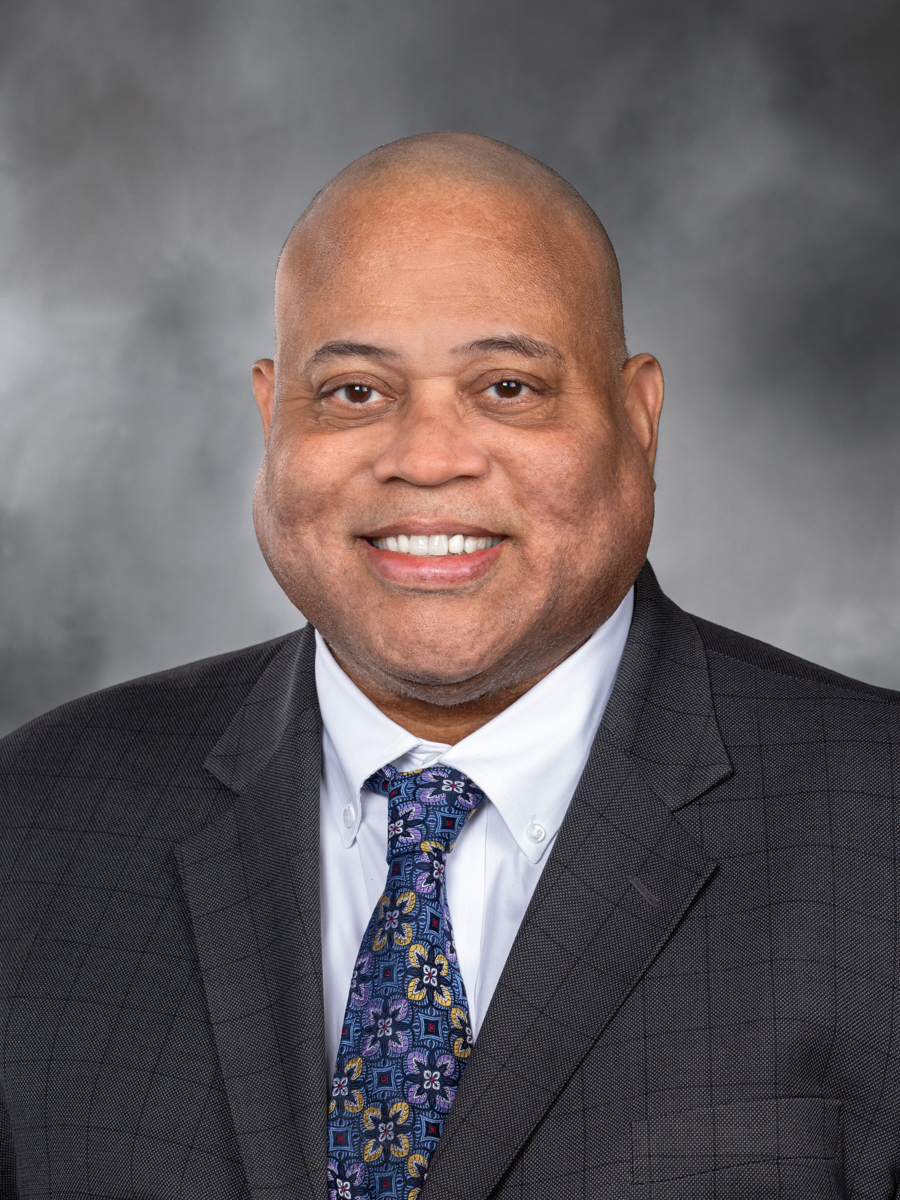
Rep. David Hackney
Sponsored bills
Maddy summaryHB 1569 requires Washington state to include tax exemptions and preferences in the regular biennial budget process, ending their automatic continuation without legislative review. The bill mandates that all tax exemptions without expiration dates must be reviewed, assigned performance measures, and reauthorized every two years or expire, with a maximum 10-year term for new exemptions. It also requires the Department of Revenue to estimate the annual revenue impact of each exemption and include these details in the budget. This affects all taxpayers by ensuring tax preferences are transparently evaluated for their revenue impact, rather than reducing state funds for services like education without oversight.
Maddy summaryHouse Bill 1230 requires experience-rated group disability income insurers in Washington state to include all applicable rating factors and credibility formulas when they file their rate manuals with the Insurance Commissioner. These filings must be detailed enough to allow the Commissioner to confirm if a group is credible and to replicate the premium rates for that group based on its experience and demographics. This bill aims to provide greater transparency and oversight for how these specific disability insurance rates are calculated.
Maddy summaryHB 1317 modifies sentencing guidelines for individuals who committed crimes before turning 21 but were tried as adults. The bill amends RCW 9.94A.510 and 9.94A.540 to create different sentencing standards for this group, particularly changing minimum terms for aggravated first-degree murder committed by those under 21. It also adjusts eligibility for early release programs and community custody by removing certain restrictions that previously applied to this group. This legislation would directly affect people currently serving long sentences for offenses committed before age 21.
Maddy summaryHB 1323 makes it a crime to intentionally block state highways with three or more people without a permit, particularly when the action creates safety risks like impeding ambulances or causing injury. Organizers face class C felony charges with a minimum 30-day jail sentence and $5,000 fine (non-reducible below $1,000), while participants could face serious misdemeanor penalties. The law specifically targets dangerous blockades that endanger public safety or obstruct emergency response, not peaceful protests. It requires courts to impose minimum penalties for violations, including prior offenses.
Maddy summaryHB 1534 raises the minimum age to purchase tobacco, alternative nicotine, and vapor products from 18 to 21 in Washington State. It requires retailers to verify customers' ages using specific photo ID with signature (e.g., driver's licenses, tribal ID cards) and imposes stricter penalties for sales to minors. Violations now carry fines starting at $1,500 for first offenses and up to $15,000 for repeated violations, with license suspensions or revocations for repeated breaches. The bill directly affects retailers selling these products, targeting underage access through enhanced enforcement mechanisms.
Maddy summaryHB 1346 removes a restriction requiring cannabis business investors to be Washington residents, allowing out-of-state investment like venture capital and equity funding for the first time. This change directly affects cannabis businesses seeking growth capital, particularly small or community-based operators, by aligning Washington's rules with other legal cannabis states. The bill also adds provisions to suspend inactive cannabis producer licenses to address market oversupply, pending potential federal or interstate cannabis markets. These updates amend licensing rules under RCW 69.50.325 and 69.50.331 without altering product regulations or safety standards.
Maddy summaryHB 1131 updates state laws regarding clemency, pardons, and the supervision of individuals by the Department of Corrections. The bill clarifies the department's responsibilities for supervising individuals on probation or community custody, including those convicted of specific offenses or identified as high-risk. It explicitly mandates departmental supervision for individuals granted conditional clemency by the governor, provided a term of community custody is included in the commutation conditions. Additionally, the legislation consistently replaces the term "offenders" with "individuals" throughout the relevant statutes governing supervision.
Maddy summaryHB 1440 establishes standardized procedures for civil asset forfeiture, directly affecting property owners whose assets are seized by law enforcement agencies. It requires seizing agencies to provide notice to property owners within 15 days of seizure, detailing their right to contest the forfeiture within specific deadlines (60 or 120 days depending on property type). The bill places the burden of proof on the seizing agency to demonstrate, by a preponderance of the evidence, that the property is subject to forfeiture. It also protects property interests of owners who were unaware of or did not consent to the violation, and ensures that individuals who substantially prevail in a forfeiture proceeding are entitled to reimbursement for reasonable attorneys' fees.
Maddy summaryHB 1149 updates and clarifies Washington State's animal cruelty laws, specifically within RCW 16.52, to enhance the prevention of cruelty to animals. The bill redefines key terms such as "abandons," "necessary food," "necessary medical attention," "necessary sanitation," "necessary shelter," "necessary space," and "necessary water." These changes establish more explicit standards for the adequate care of nonhuman mammals, birds, reptiles, and amphibians. It also introduces a comprehensive definition of "minimum care," providing clearer guidelines for animal owners, animal care and control agencies, and law enforcement.