Maddy summaryHRES 734 is a House resolution supporting the designation of October 1 as "National Latino and Latina Physician Day." It highlights that Latino and Latina physicians represent only 6% of U.S. doctors and aims to raise awareness about the need for greater diversity in medicine. The resolution emphasizes that increasing representation benefits Latino and Latina communities by improving health outcomes and addressing barriers like language and cultural gaps in care. It does not create new laws but formally expresses congressional support for this symbolic observance.
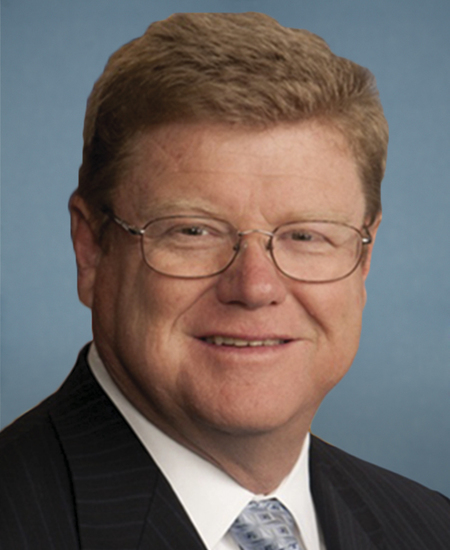
Rep. Mark E. Amodei
Sponsored bills
Maddy summaryThis resolution designates the week of September 25-29, 2023, as "National Clean Energy Week" to recognize the growing role of clean energy in the U.S. economy. It expresses support for clean energy jobs and innovation, noting the sector employed about 8.1 million people in 2022. The resolution encourages federal, state, and local investment in affordable clean energy technologies and promotes "commonsense solutions" for energy needs. As a symbolic gesture, it has no legal force or funding implications - it simply urges recognition of clean energy's economic and environmental contributions.
Maddy summaryThe Jimmy Deal Trafficking Survivors Assistance Act of 2023 requires the Transportation Security Administration (TSA) to establish a Trafficking Survivor Point of Contact (TSPoC) at each airport where TSA conducts passenger screening. The TSPoC, a designated TSA employee trained in trauma-informed care, assists non-profit service providers helping human trafficking survivors with air travel arrangements, including identity verification, security screening support, and safe handoffs at destination airports. Service providers must meet specific eligibility criteria, such as providing 30 days' notice and confirming they are actively assisting a survivor while arranging travel and complying with airline policies for minors. The TSPoC ensures survivors receive trauma-informed support throughout the travel process, from security screening to being met by a designated representative at their destination.
Maddy summaryHRES 689 is a symbolic resolution designating October 25, 2023, as "Public Radio Music Day" and expressing the House's appreciation for public radio music stations. It directly recognizes the role of over 697 noncommercial stations serving 25.5 million weekly listeners across all 50 states, Washington D.C., Puerto Rico, and Guam. The resolution highlights how these stations support local music scenes, preserve diverse genres (like jazz, classical, and folk), and serve as community cultural hubs through programming, artist support, and educational outreach. This is a non-binding gesture of recognition, not a policy change affecting laws or funding.
Maddy summaryHR 3389, the Emergency Wildfire Fighting Technology Act of 2023, requires the Secretaries of Agriculture and Interior, along with key aviation committees, to evaluate the use of container aerial firefighting systems (CAFFS) for wildfire suppression within 60 days of enactment. The bill mandates that agencies update their deployment protocols for CAFFS based on this evaluation within 90 days, and submit reports to specific congressional committees detailing both the evaluation results and protocol changes. This bill directly affects federal wildfire management agencies and their operational procedures, focusing on assessing and refining the use of an existing aerial firefighting technology. It does not create new funding or alter wildfire policy, but establishes a timeline for evaluating and implementing CAFFS protocols.
Maddy summaryHR 5253, the Creech Airmen Economic Security and Resilience Act of 2023, requires two studies to address challenges faced by Air Force personnel stationed at Creech Air Force Base. The first study assesses whether assignment incentive pay (like a 2008 program) would help members - particularly junior airmen with families - cope with long commutes, unique remote-piloting mission demands, and limited access to childcare, housing, and healthcare. The second study examines behavioral health stressors affecting airmen and their dependents, with a report due within 180 days of enactment. These studies aim to inform future policies but do not directly change benefits or funding.
Maddy summaryHR 5073, titled the "Promoting Domestic Energy Production Act," is a tax code amendment affecting oil and gas companies. It changes how businesses calculate adjusted financial statement income by removing specific deductions related to intangible drilling and development costs from their financial reports. The bill requires companies to disregard depreciation and depletion expenses taken into account on their financial statements for these costs when computing taxable income. This applies to tax years beginning after December 31, 2022, directly impacting oil and gas producers who use these accounting methods. The bill does not create new energy policies but alters tax accounting rules for the industry.
This resolution condemns Iran for the 1988 massacre of political prisoners. It also urges the Biden Administration and U.S. allies to publicly condemn the massacre and to pressure Iran to provide information to the families of the victims.
Protect Innocent Victims Of Taxation After Fire Act This bill excludes from gross income, for income tax purposes, any amount received after 2019 and before 2026 by an individual taxpayer as a qualified wildfire relief payment. The bill defines such payment as compensation for expenses or losses incurred as a result of a federally declared forest or range fire disaster.
Maddy summaryThis bill directs the U.S. Treasury to mint commemorative coins marking the Marine Corps' 250th anniversary in 2025. It authorizes three coin types: $5 gold coins (max 50,000), $1 silver coins (max 400,000), and half-dollar coins (max 750,000), with surcharges of $35, $10, and $5 respectively. The surcharge proceeds will fund the Marine Corps Heritage Center's educational programs, with no net cost to taxpayers as the Treasury must recover all minting costs through the surcharges. The coins can only be issued during 2025, and the Treasury must ensure all costs are covered before distributing funds to the Heritage Foundation.