This bill designates the facility of the United States Postal Service located at 1706 South Burnside Avenue in Gonzales, Louisiana, as the "Cpl. Lawrence Brown Post Office Building".
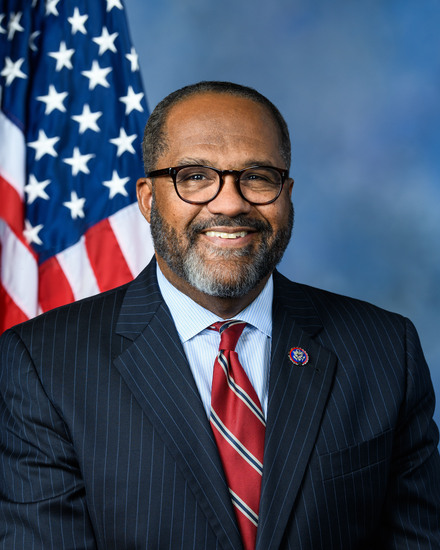
Rep. Troy A. Carter
Sponsored bills
Maddy summaryThe Launching with Healthcare Act extends the period during which young adults must be covered under their parents' health insurance plans from age 26 to age 31. This change directly affects individuals up to age 31 and the employers or insurers providing these family coverage plans. The bill amends the Public Health Service Act to implement this new age limit, with the provision taking effect for plan years that begin after December 31, 2026.
Maddy summaryThe No Homeless Detention Centers Act prohibits recipients of federal housing funds from forcing homeless individuals to live in government facilities or requiring them to perform labor in exchange for shelter. The bill also bans local and state authorities from punishing people for engaging in basic life-sustaining activities, such as sleeping or resting, on public property. These restrictions apply to actions taken by law enforcement officers or private contractors acting under federal authority. By tying these prohibitions to federal funding, the legislation aims to prevent the use of criminal penalties or involuntary confinement to address homelessness.
Maddy summaryThis House resolution expresses support for designating September 2026 as National Prostate Cancer Awareness Month to highlight the disease's impact on men in the United States. It calls on the public, interest groups, and affected individuals to promote awareness of screening methods and participate in ceremonies observing the month. The text also urges steps to encourage research into prevention, early detection, and cures, while improving access to quality health care services for prostate cancer treatment.
Maddy summaryThe STORM FORTIFIED and Wildfire Prepared Act authorizes $100 million annually from 2027 through 2036 to establish state-level revolving loan funds that provide grants to homeowners for installing storm-resistant roofs and wildfire-prepared home improvements. To receive federal capitalization, states must contribute at least 35 percent of the grant amount to their own fund, which then lends money to state agencies at an interest rate of no more than 1 percent. Homeowners are eligible for grants up to $10,000 if they meet specific criteria, including owning a primary residence, maintaining required property insurance, and ensuring the work is verified by qualified evaluators. The bill requires states to forgive the homeowner's repayment obligation for individuals with incomes below 120 percent of the area median income, while excluding new construction, condominiums, and mobile homes from participation.
Maddy summaryThe Water Technology and Resilience Reauthorization Act extends the funding authorization for advanced drinking water technologies from 2027 through 2031. This change directly affects federal agencies responsible for implementing these programs by providing continued financial support for five additional years. The bill amends the Safe Drinking Water Act to ensure that resources remain available for developing and deploying new water treatment methods.
Maddy summaryThe Green New Deal for Public Housing Act directs the Department of Housing and Urban Development to provide grants to public housing agencies and tribal entities for the comprehensive rehabilitation, energy upgrades, and modernization of public housing stock. These funds are intended to transform properties into zero-carbon homes by installing renewable energy systems, electrifying appliances, and repairing infrastructure, while also establishing workforce development programs that offer training, apprenticeships, and stipends to residents and local low-income workers. The bill mandates strict labor standards, including prevailing wages and the use of U.S.-made materials, and requires agencies to maintain or increase the total number of public housing units while prioritizing resident participation through elected councils and community engagement processes.
Maddy summaryThis resolution expresses support for designating July as Disability Pride Month to honor the contributions of the approximately 70 million American adults and over 3 million children with disabilities. The bill calls on individuals, interest groups, and organizations across the United States to observe the month with celebrations and activities that promote inclusion. Additionally, it urges everyone to actively work against the exclusion and discrimination that people with disabilities often face. While the measure does not create new laws or funding, it serves as an official statement of recognition and encouragement for community engagement during this time.
Maddy summaryThe Green New Deal for Public Schools Act directs over $700 billion in federal funding to public schools, prioritizing those serving the most vulnerable communities based on CDC social vulnerability rankings. The legislation establishes a new Office of Sustainable Schools and authorizes grants for "healthy green retrofits" that convert school buildings into zero-carbon facilities with clean air, water, and energy systems, while also providing funds to hire additional educators, mental health professionals, and support staff. Additionally, the bill mandates increased federal funding for special education under the Individuals with Disabilities Education Act and creates a climate resiliency program that allows schools to function as community centers during natural disasters. All grant recipients must adhere to strict labor standards, including prevailing wage requirements, Buy American provisions, and local hiring goals that prioritize residents of the surrounding community.
Maddy summaryThis bill establishes federal protections and funding to expand access to in vitro fertilization and intrauterine insemination for individuals, military service members, and veterans. It requires most private health plans, Medicaid programs, and Medicare to cover these fertility treatments without imposing higher cost-sharing than other medical services. Additionally, the legislation mandates that the Department of Defense and the Department of Veterans Affairs provide specific fertility preservation and treatment benefits to uniformed service members and eligible veterans. The bill also includes preemption clauses that override state laws restricting these procedures and prohibits discrimination based on marital status, sex, or sexual orientation in the provision of care.