Issue · Transportation

Transportation (Pedestrian Safety)

Every transportation bill, vote, and legislator stance in Washington, automatically classified by Maddy, our AI policy reader.

Total bills
11
2025-2026 Regular Session
Top supporter
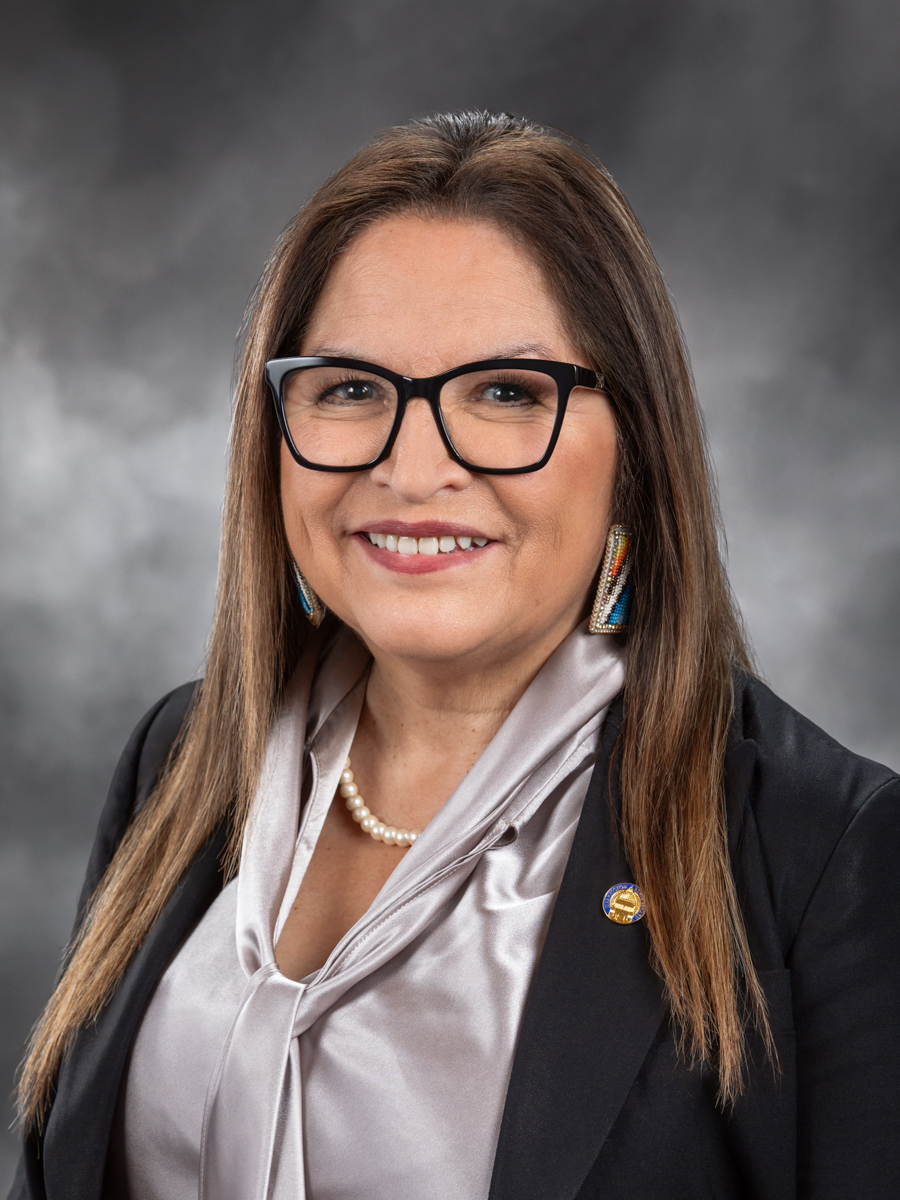
Adrian Cortes
100% support rate
Top opponent
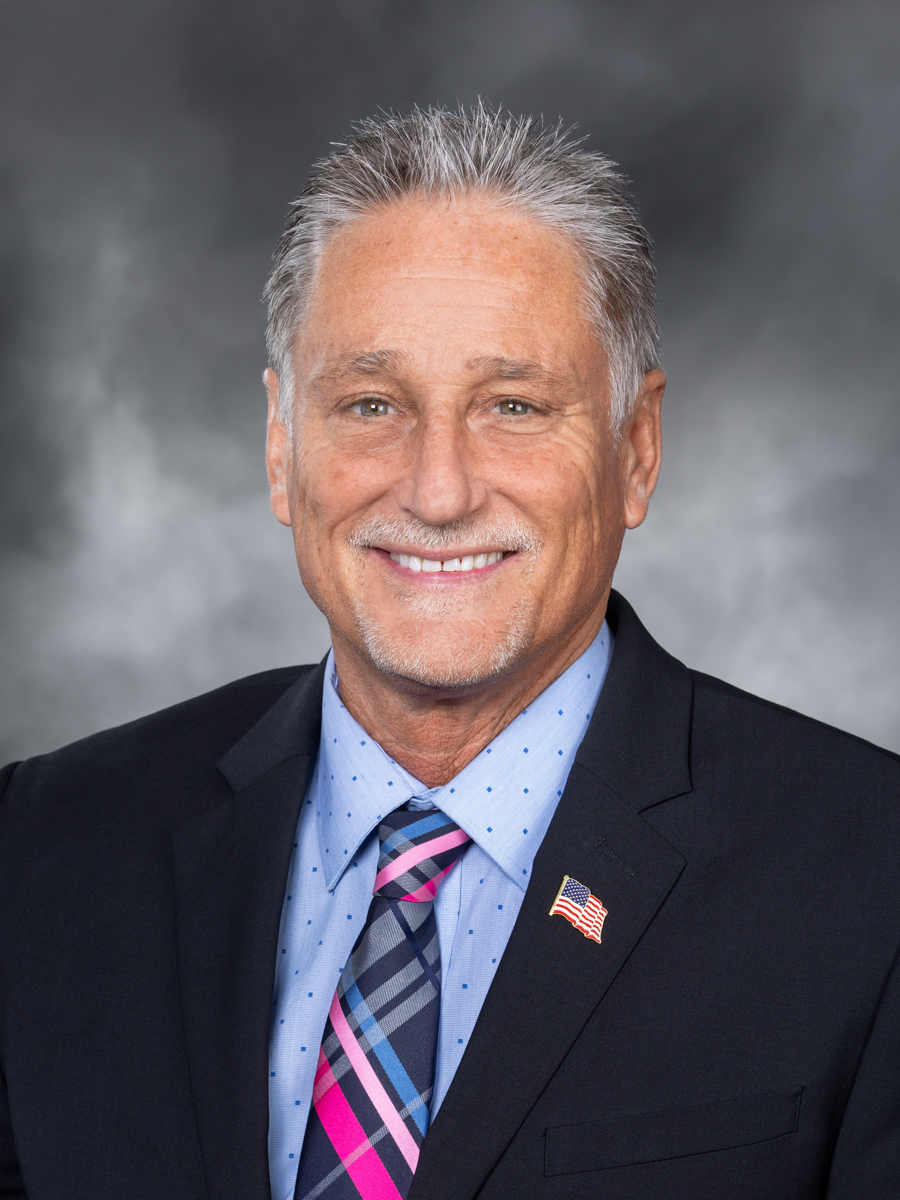
Chris Gildon
0% support rate
Ranked legislators
10
5 support · 5 oppose
Key legislators

Who's moving pedestrian safety in Washington

Legislators moving pedestrian safety in Washington
Legislator Party Stance Support rate Votes
Adrian Cortes
Adrian Cortes Senate · District 18
D
Strong +
100% 5
Julio Cortes
Julio Cortes House · District 38
D
Strong +
100% 5
Annette Cleveland
Annette Cleveland Senate · District 49
D
Strong +
100% 3
Claire Wilson
Claire Wilson Senate · District 30
D
Strong +
100% 3
Claudia Kauffman
Claudia Kauffman Senate · District 47
D
Strong +
100% 3
Chris Gildon
Chris Gildon Senate · District 25
R
Strong −
0% 3
Curtis King
Curtis King Senate · District 14
R
Strong −
0% 3
Jeff Holy
Jeff Holy Senate · District 6
R
Strong −
0% 3
Jeff Wilson
Jeff Wilson Senate · District 19
R
Strong −
0% 3
Jim McCune
Jim McCune Senate · District 2
R
Strong −
0% 3
Showing 1–10 of 11 bills

All transportation bills

in committee · Washington · Senate Feb 26, 2026

SB 6131: Updating the role of the Washington traffic safety commission in identifying the risk factors that lead to roadway fatalities.

This bill updates the Washington Traffic Safety Commission's role to focus on identifying contributing factors that lead to roadway fatalities and serious injuries. It amends existing laws to clarify that information from traffic fatality reviews is confidential and exempt from public disclosure, protecting sensitive data used in safety investigations. The legislation also adds new definitions for key terms like "bicyclist fatality," "pedestrian fatality," and "serious injury" to ensure consistent understanding across the commission's work. Additionally, the bill expands the commission's authority to operate as a public health authority while maintaining confidentiality for specific health-related records involved in traffic safety reviews.
passed · Washington · Senate Mar 12, 2026

SB 6311: Providing for continuous, safe, and accessible pedestrian passage during certain construction projects.

SB 6311 requires construction permittees to maintain continuous, accessible pedestrian pathways during projects in hospital zones (within 300 feet of hospital property), public parks, schools, and other sensitive areas. It prohibits sidewalk closures unless a feasible same-side temporary route cannot be provided, mandating ADA-compliant pathways with physical barriers, lighting, and unobstructed emergency access. Permittees must submit safety plans analyzing accessibility and emergency routes, with enforcement including stop-work orders for violations. The law applies to all local governments and entities performing permitted work in these zones, effective January 2027.
signed · Washington · House Mar 23, 2026

HB 2192: Updating the role of the Washington traffic safety commission in identifying the risk factors that lead to roadway fatalities.

HB 2192 updates Washington's Traffic Safety Commission to more systematically identify risk factors causing roadway fatalities. It establishes a new "fatality review committee" of traffic safety experts to analyze collisions resulting in death or serious injury, including those involving bicyclists, pedestrians, and motorists. The bill amends the Commission's purpose to focus explicitly on identifying these risk factors and coordinating statewide safety programs. This change directly affects the Commission's operations and how collision data is reviewed to inform future safety initiatives.
passed · Washington · House Mar 12, 2026

HB 2095: Protecting vulnerable users of public ways.

HB 2095 creates new legal protections for vulnerable road users (pedestrians, cyclists, etc.) in designated areas like sidewalks, crosswalks, and bike lanes. It requires law enforcement, prosecutors, and judges to complete training on negligent driving involving these users by 2027-2028. The bill establishes a legal presumption of negligence when a vulnerable user is injured or killed in a designated area, shifting the burden to vehicle operators to prove they weren't negligent. Plaintiffs can recover actual damages, $1,500 in statutory damages, and attorney fees, with punitive damages possible for repeat offenders.
in committee · Washington · House Jan 12, 2026

HB 1518: Establishing liability standards for certain vehicle collisions.

HB 1518 establishes a legal presumption that major vehicle operators (weighing 200+ lbs or exceeding 28 mph) are negligent in collisions involving pedestrians, bicycles, or minor vehicles. This applies in civil lawsuits, shifting the burden to the operator to prove they were not at fault. If the operator is found negligent, plaintiffs can recover actual damages plus $1,500 in statutory damages, plus attorney fees if the negligence presumption was disputed. The bill also presumes vehicle owners are responsible if the operator is unknown, and includes specific definitions for terms like "major motor vehicle" and "pedestrian."
Sub-Topics Pedestrian Safety
in committee · Washington · House Jan 12, 2026

HB 1226: Making supplemental transportation appropriations for the 2023-2025 fiscal biennium.

HB 1226 allocates $2.7 million from the Multimodal Transportation Account to fund the University of Washington’s sidewalk accessibility mapping project, requiring public data sharing and prioritizing overburdened communities. It also appropriates $1 million to the Washington State Transportation Center for engineering internships, training programs, and a workforce analysis addressing shortages in civil engineering and related fields. Additionally, $6 million from the Carbon Emissions Reduction Account funds zero-emission electric vehicle charging infrastructure at state facilities, with reporting requirements on installation locations and carbon impact. The bill mandates annual project updates to legislative committees and prioritizes installations based on state environmental goals.
passed · Washington · Senate Mar 12, 2026

SB 5581: Implementing safe system approach strategies for active transportation infrastructure.

Senate Bill 5581 aims to enhance safety and expand active transportation infrastructure across Washington state. The bill requires state and local agencies to incorporate facilities like trails and shared-use paths for pedestrians, equestrians, and bicyclists into highway planning and construction, ensuring connectivity and providing alternatives if existing paths are impacted. It authorizes the Department of Transportation and local governments to expend funds for planning, establishing, and maintaining these facilities. Additionally, the legislation defines "roundabout" and updates the definition of "crosswalk" within state law.
in committee · Washington · House Jan 12, 2026

HB 1772: Establishing shared streets.

HB 1772 establishes "shared streets" in Washington state, where pedestrians, cyclists, and vehicles share the same roadway space. Local governments can designate nonarterial streets as shared streets using official traffic signs, requiring vehicles to yield to pedestrians and cyclists while cyclists must yield to pedestrians. The bill also allows local authorities to set a 10 mph speed limit specifically on designated shared streets without needing an engineering study. This directly affects local governments (which can designate these streets), pedestrians, cyclists, micromobility device users (like e-scooters), and drivers navigating these shared spaces.
signed · Washington · Senate May 17, 2025

SB 5595: Establishing shared streets.

Senate Bill 5595 allows local authorities to designate certain nonarterial highways as "shared streets," which are areas where pedestrians, bicyclists, and vehicles share the roadway. On these designated streets, vehicular traffic must yield to pedestrians, bicyclists, and micromobility devices, and bicyclists/micromobility users must yield to pedestrians. The bill also permits local authorities to establish a maximum speed limit of 10 miles per hour on shared streets without requiring an engineering study. Additionally, local authorities must publish annual reports on traffic accidents, speeding, and DUI violations occurring on these shared streets.
in committee · Washington · House Jan 12, 2026

HB 1098: Concerning county local roads.

HB 1098 creates a new county local road program in Washington State, funded through a dedicated trust account in the motor vehicle fund. It directs funds specifically for improving non-arterial county roads (those not classified as major highways), requiring counties to meet spending eligibility rules to qualify. Projects are selected based on criteria like addressing overburdened communities, environmental health disparities, access to tribal lands, road safety, and community facilities. Allowed project types include road reconstruction, bridge replacements, fish passage removal, and pedestrian facilities, as defined by state guidelines. The program applies to counties managing local roads, with the county road board overseeing fund allocation and project approval.
Showing 1 to 10 of 11 bills
1 2 Next