

Issue · Technology
Technology (Artificial Intelligence)
Every technology bill, vote, and legislator stance in Washington, automatically classified by Maddy, our AI policy reader.
Total bills
16
2025-2026 Regular Session
Top supporter
Adam Bernbaum
100% support rate
Top opponent
Alex Ybarra
0% support rate
Ranked legislators
10
5 support · 5 oppose
Key legislators
Who's moving artificial intelligence in Washington
| Legislator | Party | Stance | Support rate | Votes |
|---|---|---|---|---|

Adam Bernbaum
House · District 24
|
D |
Strong +
|
100% | 4 |

Adison Richards
House · District 26
|
D |
Strong +
|
100% | 4 |

Alex Ramel
House · District 40
|
D |
Strong +
|
100% | 4 |
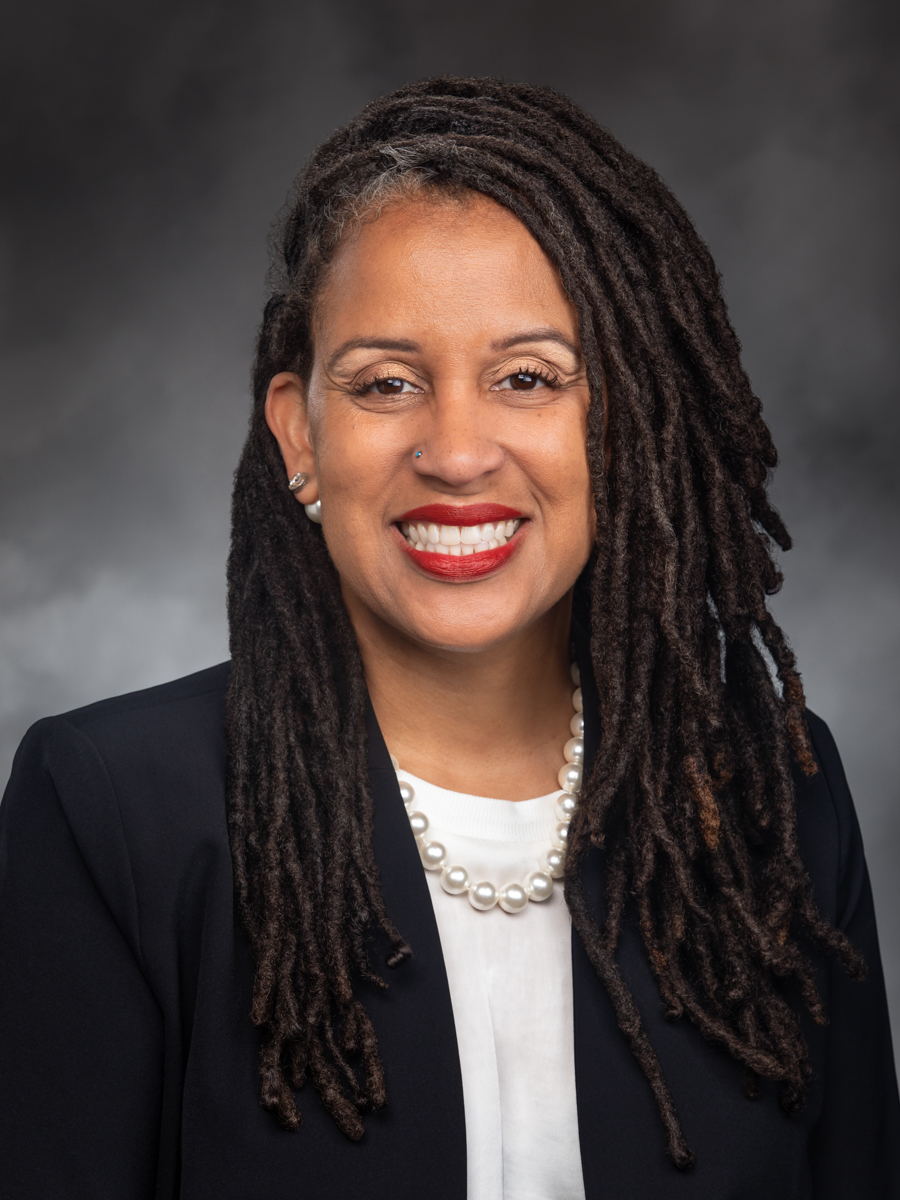
April Berg
House · District 44
|
D |
Strong +
|
100% | 4 |

Beth Doglio
House · District 22
|
D |
Strong +
|
100% | 4 |

Alex Ybarra
House · District 13
|
R |
Strong −
|
0% | 4 |

Andrew Barkis
House · District 2
|
R |
Strong −
|
0% | 4 |

Andrew Engell
House · District 7
|
R |
Strong −
|
0% | 4 |

Brian Burnett
House · District 12
|
R |
Strong −
|
0% | 4 |

Cyndy Jacobsen
House · District 25
|
R |
Strong −
|
0% | 4 |
Showing 1–10 of 16
bills
All technology bills
HB 2225: Concerning regulation of artificial intelligence companion chatbots.
Sub-Topics
Artificial Intelligence
HB 2606: Concerning performance measures, duties, and reporting requirements for the office of privacy and data protection.
SB 5984: Concerning regulation of artificial intelligence companion chatbots.
Sub-Topics
Artificial Intelligence
SB 6120: Regulating high-risk artificial intelligence system development, deployment, and use.
Topics
✓ Criminal JusticeSupports Criminal JusticeBill mandates prevention of algorithmic discrimination in AI systems used for parole decisions (a criminal justice function), directly supporting fairness and civil rights in sentencing/corrections.
✓ HousingSupports HousingBill mandates preventing algorithmic discrimination in housing decisions, directly protecting against housing discrimination and strengthening tenant protections.
✓ Labor & EmploymentSupports Labor & EmploymentBill mandates prevention of algorithmic discrimination in AI-driven employment decisions, directly protecting workers from biased hiring practices per its requirement for risk assessments before deployment.
✓ TechnologySupports TechnologyRegulates high-risk AI to prevent algorithmic discrimination and mandates risk assessments, aligning with consumer protection in tech regulation.
HB 2667: Providing consumer protections for artificial intelligence systems.
Topics
✓ HealthcareSupports HealthcarePrevents AI discrimination in healthcare access decisions, protecting patient rights and improving equitable access as explicitly listed consequential use case.
✓ HousingSupports HousingExplicitly requires AI systems in housing decisions to prevent algorithmic discrimination, protecting against housing discrimination.
✓ Labor & EmploymentSupports Labor & EmploymentPrevents algorithmic discrimination in AI hiring systems, advancing fair employment practices as a key labor protection.
✓ TechnologySupports TechnologyMandates consumer protections against AI discrimination in high-risk sectors, requiring annual reviews and defining terms to prevent unfair outcomes.
SB 6284: Providing consumer protections for artificial intelligence systems.
Topics
✓ HousingSupports HousingBill mandates bias audits for AI in housing decisions to prevent algorithmic discrimination, directly aligning with tenant protection and anti-discrimination indicators.
✓ Labor & EmploymentSupports Labor & EmploymentRequires bias audits for AI in employment decisions, preventing algorithmic discrimination and protecting workers' rights in hiring processes.
✓ TechnologySupports TechnologyMandates bias audits and disclosure for high-risk AI systems, establishing consumer protections. This directly strengthens regulation for AI technology use.
SB 5886: Concerning forged digital likenesses.
SB 5870: Establishing civil liability for suicide linked to the use of artificial intelligence systems.
Topics
✓ HealthcareSupports HealthcareMandates AI operators to provide crisis referrals and suicide prevention protocols, directly advancing mental health services through mandatory safeguards and Department of Health oversight.
✓ TechnologySupports TechnologyMandates AI operators to disclose AI use, prevent harmful content, provide suicide crisis referrals, and face civil liability - regulating for user safety and consumer protection in AI systems.
HB 2144: Requiring notices to employees when electronic monitoring is used to assist employers conducting performance evaluations.
Topics
✓ Labor & EmploymentSupports Labor & EmploymentRequires employer transparency about electronic monitoring in performance reviews, protecting worker privacy rights and enabling informed consent regarding workplace surveillance.
✓ TechnologySupports TechnologyMandates employer transparency for electronic monitoring, requiring written notice and data usage explanations to protect employee privacy in tech-driven performance evaluations.
Sub-Topics
Artificial Intelligence