Issue · Technology

Technology

Every technology bill, vote, and legislator stance in Washington, automatically classified by Maddy, our AI policy reader.

Total bills
138
2025-2026 Regular Session
Top supporter
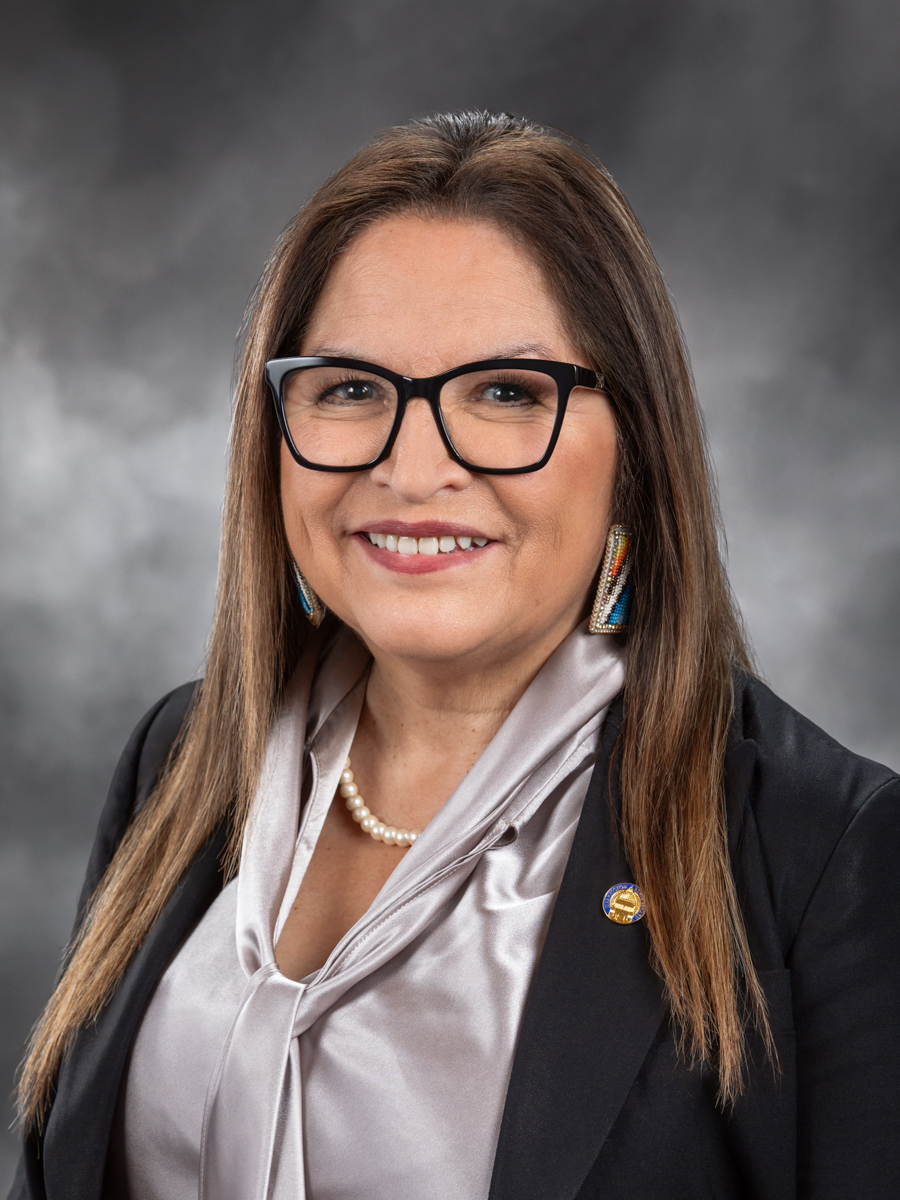
Lisa Callan
94% support rate
Top opponent
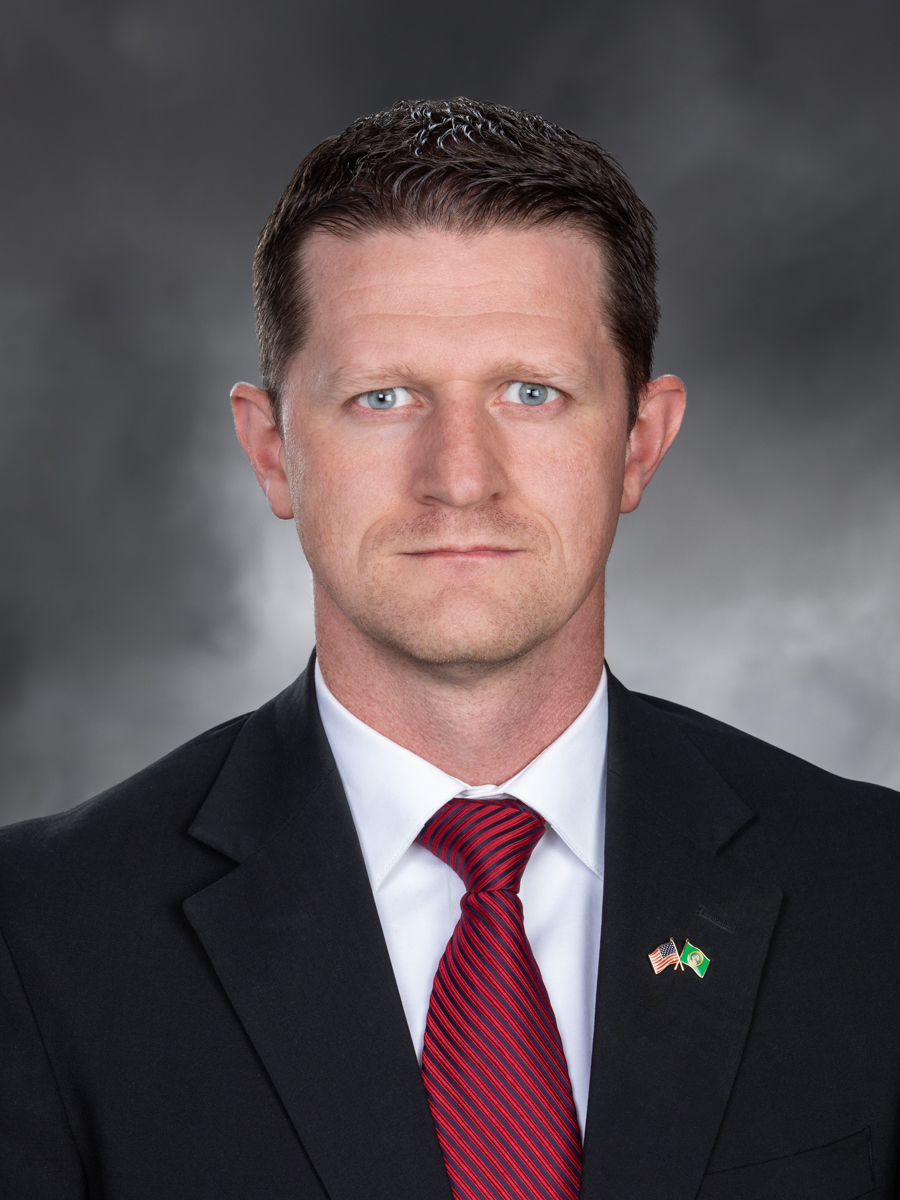
Leonard Christian
16% support rate
Ranked legislators
10
5 support · 5 oppose
Key legislators

Who's moving technology in Washington

Legislators moving technology in Washington
Legislator Party Stance Support rate Votes
Lisa Callan
Lisa Callan House · District 5
D
Strong +
94% 105
Liz Berry
Liz Berry House · District 36
D
Strong +
94% 106
Claudia Kauffman
Claudia Kauffman Senate · District 47
D
Strong +
89% 96
Claire Wilson
Claire Wilson Senate · District 30
D
Strong +
89% 96
Mike Chapman
Mike Chapman Senate · District 24
D
Strong +
89% 96
Leonard Christian
Leonard Christian Senate · District 4
R
Strong −
16% 96
Joel McEntire
Joel McEntire House · District 19
R
Strong −
17% 91
Jim Walsh
Jim Walsh House · District 19
R
Strong −
18% 106
Jeremie Dufault
Jeremie Dufault House · District 15
R
Strong −
20% 100
Drew MacEwen
Drew MacEwen Senate · District 35
R
Oppose
21% 95
Showing 111–120 of 138 bills

All technology bills

in committee · Washington · House Jan 12, 2026

HB 1103: Expanding protections against unwanted telephone calls and text messages for cellular users.

HB 1103 expands Washington state protections against unwanted phone calls and text messages by requiring businesses to identify themselves within 30 seconds, stop calls immediately when requested, and remove contact information from their lists for at least one year upon opt-out. It prohibits calls before 8 a.m. or after 8 p.m., enforces compliance with the federal Do Not Call Registry, and bans calls violating federal law. The bill directly affects cellular users (who gain stronger opt-out rights) and businesses making telephone solicitations (who face $1,000 fines per violation for noncompliance). Key mechanisms include mandatory call termination within 10 seconds of a request to stop, prohibition on selling contact data, and requirements for telecom companies to notify residential customers about these rules.
in committee · Washington · House Jan 12, 2026

HB 1942: Promoting the economic development of innovative uses of artificial intelligence.

HB 1942 creates a state program to support economic growth through innovative artificial intelligence (AI) applications. It requires the state department to collaborate with an AI task force quarterly, seek federal grants and private funding for small businesses developing AI solutions, and issue biennial reports starting in 2026 on progress, funding obtained, and state priorities. The bill also mandates a study by the Washington State Institute for Public Policy to identify AI opportunities in areas like wildfire management and healthcare by 2027, with the main program expiring in 2035. This directly affects state agencies, small businesses, and the AI task force.
signed · Washington · House Apr 7, 2025

HB 1439: Modifying motor vehicle and driver licensing laws to align with federal definitions, making technical corrections, and streamlining requirements.

HB 1439 updates Washington's motor vehicle and driver licensing laws to match federal definitions, primarily by standardizing terms like "revoke" (one-year invalidation) and "suspend" (less than one year). It adds significant privacy protections for vehicle owners by restricting how businesses can access owner information, requiring written disclosure agreements, and prohibiting unsolicited contact. The bill also repeals outdated sections and requires agencies to retain disclosure requests for three years. These changes directly affect vehicle owners, businesses seeking owner data, and state agencies managing licensing records, with the law taking effect October 1, 2025.
in committee · Washington · House Feb 19, 2026

HB 1834: Protecting Washington children online.

HB 1834 requires businesses providing online services likely accessed by minors (under 18 in Washington) to estimate users' ages with reasonable accuracy or apply full minor protections to all users. It prohibits using collected personal information for age estimation beyond that purpose and bans retaining such data longer than needed. The bill defines "addictive feeds" (algorithm-driven content streams) and "dark patterns" (manipulative interfaces) to restrict how platforms design features targeting minors. It also sets standards for determining if a service is "likely accessed by minors," including audience composition and design elements appealing to children. These provisions aim to limit data collection and addictive features on platforms used by Washington's youth.
in committee · Washington · Senate Jan 12, 2026

SB 5302: Prohibiting the purchase of small unmanned aircrafts manufactured or assembled by a covered foreign entity.

Washington's SB 5302 prohibits state and local government agencies (including law enforcement) from purchasing, acquiring, or operating small drones (under 55 pounds) made by specific foreign entities. It bans the use of public funds for such drones and defines "covered foreign entities" as those on U.S. sanctions lists, based in China or Russia, or controlled by those governments. The law takes effect July 1, 2026, requiring agencies to stop using covered drones by that date. This directly affects government drone programs and procurement practices across Washington state.
Sub-Topics Emerging Technology
in committee · Washington · House Jan 12, 2026

HB 1991: Exempting from public inspection and copying requirements email addresses of individuals who subscribe to regular communications of certain agencies as defined under the public records act.

HB 1991 exempts email addresses of individuals who subscribe to regular communications (like newsletters) from certain state agencies from public records disclosure under Washington's public records law. It directly affects people who sign up for agency updates, protecting their email addresses from being publicly accessible. The bill amends existing law (RCW 42.56.230) to add this specific exemption, ensuring these email addresses are not subject to public inspection requests. This is a procedural change focused on privacy protection for subscribers.
Tags Government Transparency
in committee · Washington · House Jan 12, 2026

HB 1672: Addressing technology used by employers in the workplace.

HB 1672 restricts how Washington employers can use technology to monitor employees, requiring clear notice and limiting monitoring to specific, necessary purposes. Employers must provide 15 days' written notice detailing the monitoring method, purpose, data usage, and access rules before implementation, and can only use electronic monitoring for essential job functions, safety, production tracking, or compensation calculation. The law explicitly protects sensitive employee data, including health information like gender-affirming care, reproductive health, and biometric details, preventing misuse for employment decisions. It directly affects all Washington employees subject to workplace technology monitoring, ensuring transparency and limiting invasive practices.
signed · Washington · House Mar 24, 2026

HB 1170: Informing users when content is developed or modified by artificial intelligence.

HB 1170 requires large artificial intelligence providers (with over 1 million monthly users) to disclose when content they generate is AI-made. It mandates two types of disclosures: clear, visible labels ("manifest") and hidden metadata ("latent") identifying the AI system, creator, and timestamp. The bill also requires free, accessible AI detection tools for users to verify content origin, while prohibiting providers from collecting personal data through these tools. Excluded are video games, movies, and streaming content, focusing the rule on generative AI services like text or image tools.
in committee · Washington · House Jan 12, 2026

HB 1528: Improving individualized education plans for special education.

HB 1528 requires Washington's Superintendent of Public Instruction to create a free, statewide online system for managing individualized education plans (IEPs) for students with disabilities. The system must provide a uniform platform for schools, ensure compliance with federal and state special education laws, and include features like secure access, privacy protections, translation services, and tools to align IEP goals with grade-level standards. It mandates that the system support family engagement with progress data, incorporate evidence-based practices, and meet accessibility standards. The bill also requires statewide training for educators, administrators, and families to implement the system effectively.
Sub-Topics Special Education
in committee · Washington · House Jan 12, 2026

HB 1336: Protecting utility consumer meter choice.

HB 1336 allows utility consumers (end-users of electricity, water, or gas) to refuse replacement of their existing analog meters with digital meters or request removal of installed digital meters. It requires utilities to replace digital meters with analog ones at no cost to the consumer within 10-30 days, depending on health concerns, and mandates 90 days' written notice before installation. The bill also requires utilities to maintain records of consumer requests and responses for three years. It applies to all electric, gas, and water utilities in Washington, including both investor-owned and consumer-owned providers.
Showing 111 to 120 of 138 bills
Previous 1 11 12 13 14 Next