Issue · Labor & Employment

Labor & Employment (Collective Bargaining)

Every labor & employment bill, vote, and legislator stance in Washington, automatically classified by Maddy, our AI policy reader.

Total bills
46
2025-2026 Regular Session
Top supporter
Alex Ramel
100% support rate
Top opponent
Cyndy Jacobsen
0% support rate
Ranked legislators
10
5 support · 5 oppose
Key legislators

Who's moving collective bargaining in Washington

Legislators moving collective bargaining in Washington
Legislator Party Stance Support rate Votes
Alex Ramel
Alex Ramel House · District 40
D
Strong +
100% 17
April Berg
April Berg House · District 44
D
Strong +
100% 17
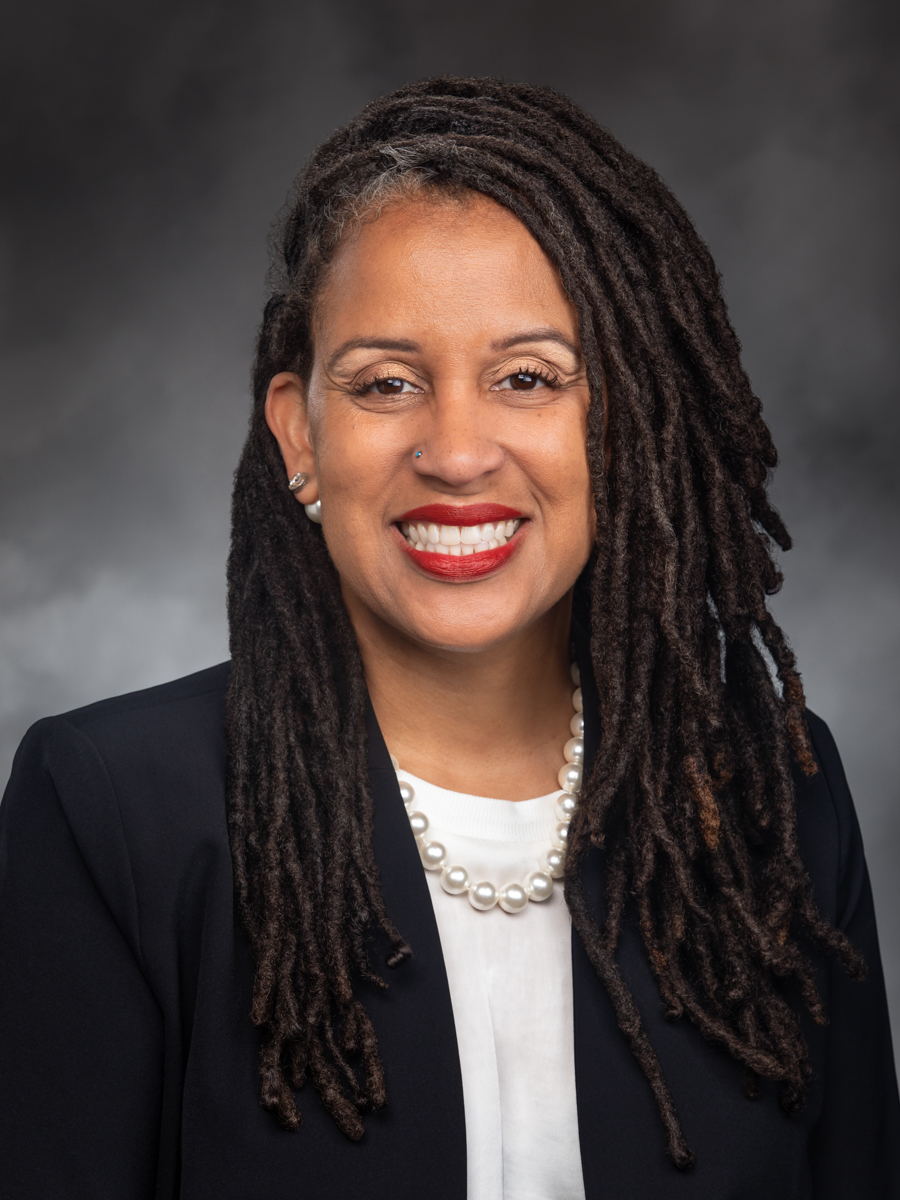
Beth Doglio
Beth Doglio House · District 22
D
Strong +
100% 17
Brianna Thomas
Brianna Thomas House · District 34
D
Strong +
100% 17
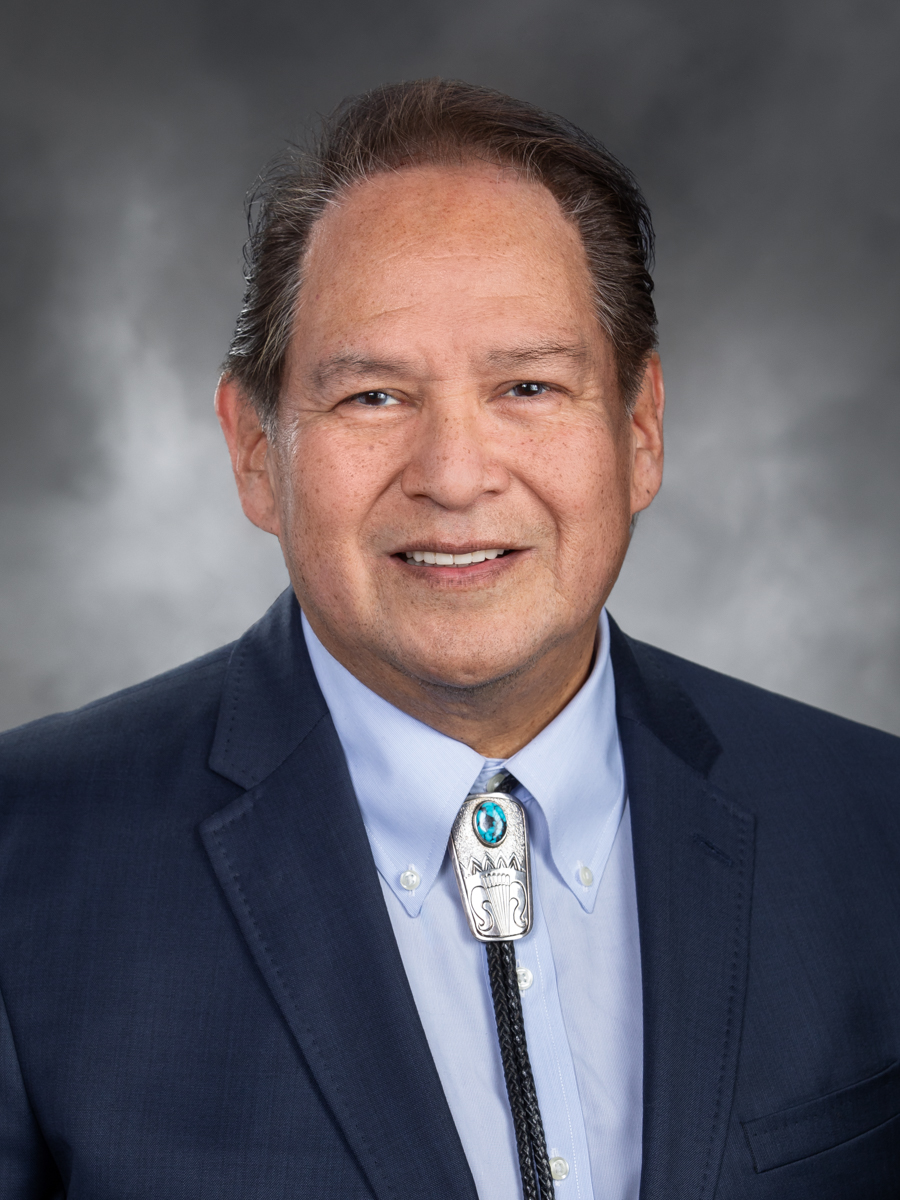
Chris Stearns
Chris Stearns House · District 47
D
Strong +
100% 17
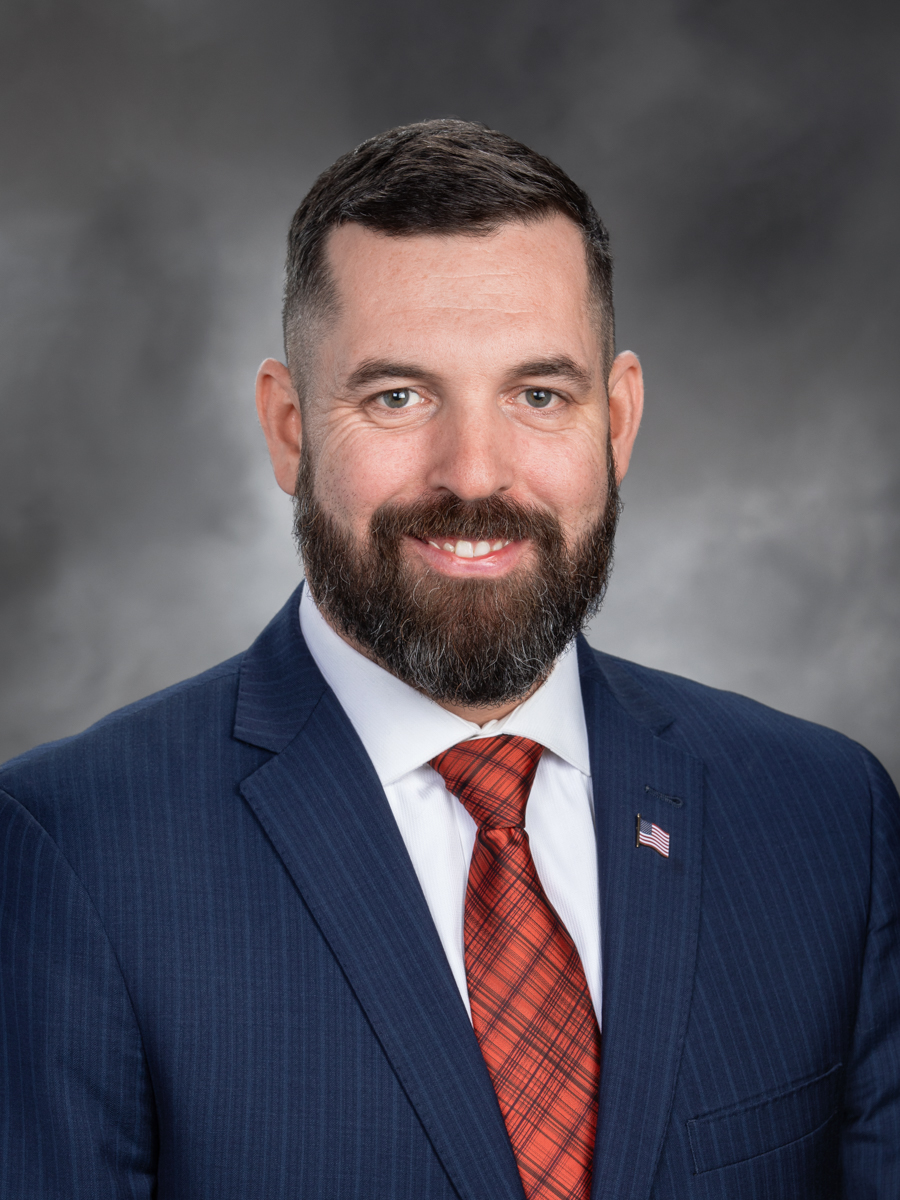
Cyndy Jacobsen
Cyndy Jacobsen House · District 25
R
Strong −
0% 17
Matt Marshall
Matt Marshall House · District 2
R
Strong −
0% 17
Chris Corry
Chris Corry House · District 15
R
Strong −
0% 16
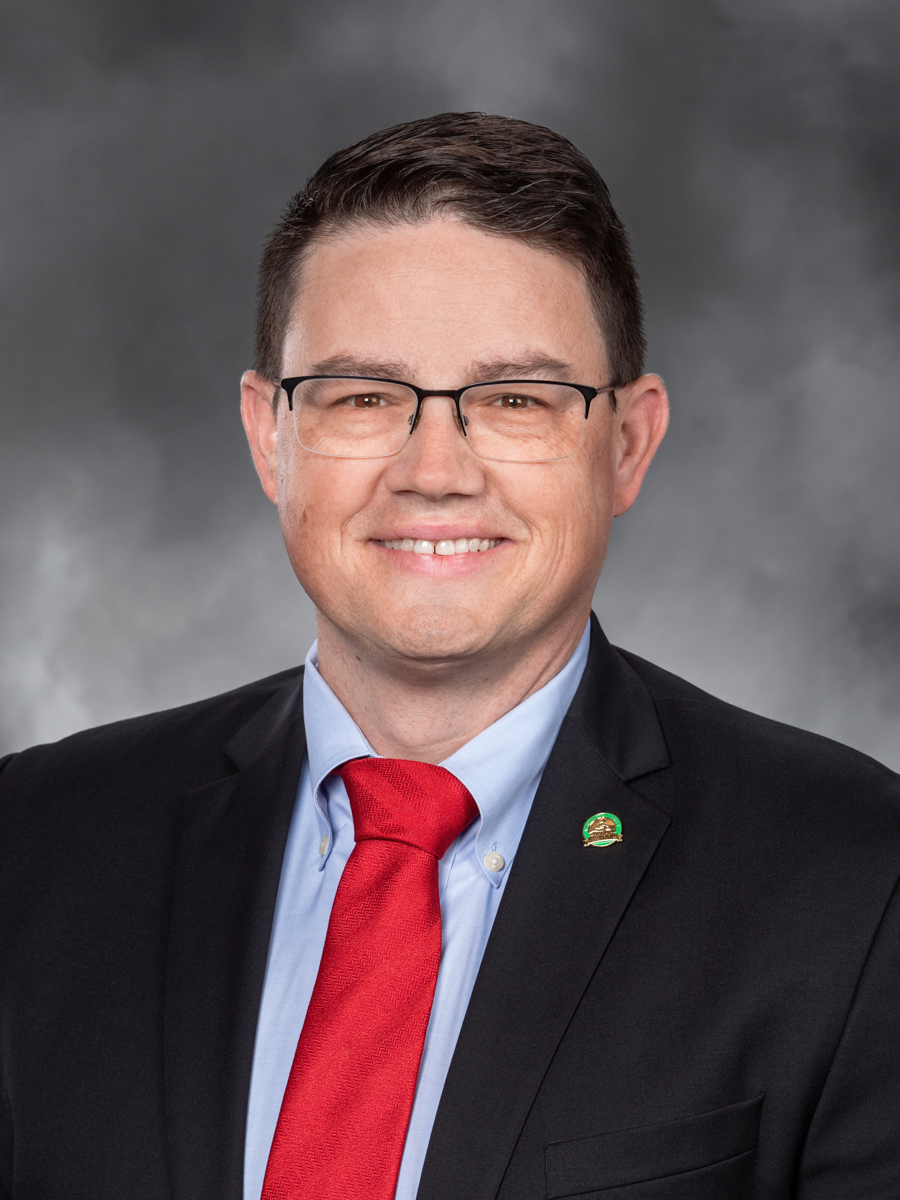
Jeremie Dufault
Jeremie Dufault House · District 15
R
Strong −
0% 16
Gloria Mendoza
Gloria Mendoza House · District 14
R
Strong −
0% 15
Showing 21–30 of 46 bills

All labor & employment bills

in committee · Washington · House Jan 12, 2026

HB 1619: Concerning paid family leave premium collection for dockworkers.

HB 1619 amends Washington state law to clarify that representatives for employers of dockworkers (who work interchangeably across multiple employers under collective bargaining agreements) are responsible for collecting paid family leave premiums, rather than individual dockworkers. This change directly affects dockworkers covered by such collective bargaining agreements, ensuring their employer representatives handle premium collection. The bill modifies the definition of "Employer" in RCW 50A.05.010 to specify that these representatives are not required to report dockworkers not covered by the collective bargaining agreement. The policy change streamlines premium collection for this workforce segment without altering eligibility or benefit amounts.
signed · Washington · House May 17, 2025

HB 1264: Concerning the salaries of ferry system collective bargaining units.

HB 1264 updates the process for determining salaries and benefits for Washington state ferry system employees represented by collective bargaining units. The bill requires the Office of Financial Management to contract with a nationally recognized firm to conduct comprehensive salary and fringe benefit surveys for maritime employees. These surveys will compare ferry employee compensation with directly comparable positions in both public and private sectors to ensure competitive pay. Information identifying specific private employers in these surveys will not be subject to public disclosure.
signed · Washington · House Apr 7, 2025

HB 1511: Concerning Washington state ferries captains.

HB 1511 clarifies that Washington state ferry captains are the ultimate authority for vessel operations and safety. The bill requires captains in the current "masters, mates, and pilots" bargaining unit to vote by August 31, 2025, on whether to join a new combined union representing all three roles. If a majority votes yes, a unified bargaining unit will take effect on July 1, 2026, replacing the separate captain-only unit. This change directly affects ferry captains and their union representation, with no impact on existing safety or operational responsibilities.
in committee · Washington · Senate Jan 12, 2026

SB 5044: Allowing collective bargaining over contributions for certain supplemental retirement benefits.

SB 5044 allows public employers in Washington to negotiate with employee unions over contributions for supplemental retirement benefits (such as medical plans) that are administered by or on behalf of employee organizations. This bill amends state law to explicitly permit bargaining on contribution levels for these supplemental benefits, while still keeping core retirement plans and benefits administered by the Department of Retirement Systems off-limits to negotiation. The change directly affects public employees covered under Washington's retirement systems who participate in supplemental benefit programs. The policy shift clarifies that contributions for these specific supplemental benefits - distinct from basic pension plans - are subject to collective bargaining.
in committee · Washington · House Jan 12, 2026

HB 1723: Promoting the efficient administration of school construction assistance program projects.

HB 1723 requires Washington school districts to mandate pre-hire union agreements (called "project labor agreements") for construction projects exceeding $35 million. These agreements must cover all labor on the project, prevent strikes, include dispute resolution, and ensure fair competition among contractors. The bill exempts projects under specific statutes, smaller projects, or those with urgent needs, and allows exceptions if requiring such agreements would hinder competition or efficiency. It directly affects school districts managing large-scale construction and contractors working on eligible projects.
in committee · Washington · Senate Jan 12, 2026

SB 5468: Concerning collective bargaining for agricultural cannabis workers.

SB 5468 would grant agricultural cannabis workers who cultivate, grow, harvest, or produce cannabis on farms the right to form unions and negotiate wages and working conditions through Washington’s Public Employment Relations Commission (PERC). The bill establishes a process for these workers to choose a bargaining representative via PERC-administered elections, requiring 30% employee support to trigger a vote. It specifically covers farm-based cannabis production workers but excludes supervisors with hiring authority. This creates the first formal collective bargaining framework for agricultural cannabis workers in Washington state.
signed · Washington · Senate May 20, 2025

SB 5503: Concerning public employee collective bargaining processes.

Senate Bill 5503 revises collective bargaining processes for public employees in Washington State. It modifies how the Public Employment Relations Commission (PERC) handles petitions to form new bargaining units and allows for the consolidation of existing units represented by the same employee organization. The bill also enhances PERC's procedural authority in setting hearing dates and enforcing subpoenas. Additionally, it establishes specific interest arbitration rights and an impasse resolution process for certain employees of the Department of Corrections.
passed · Washington · House Feb 3, 2026

HB 1622: Allowing bargaining over matters related to the use of artificial intelligence.

House Bill 1622 allows public sector employees in Washington state to collectively bargain with their employers over the use of artificial intelligence (AI) in the workplace. The bill amends existing state law to remove the "use of technology" from a list of management rights that are typically not subject to negotiation for employees in higher education and other state agencies. It defines artificial intelligence as machine learning and related technologies that enable computer systems to perform tasks like computer vision or natural language processing. This change empowers unions and public employers to negotiate agreements on the implementation and utilization of AI technologies.
Sub-Topics Collective Bargaining Tags Artificial Intelligence
signed · Washington · House Apr 21, 2025

HB 1105: Exempting exclusive bargaining representatives for department of corrections employees from certain provisions related to coalition bargaining.

House Bill 1105 exempts certain exclusive bargaining representatives for Department of Corrections (DOC) employees from specific state rules regarding collective bargaining. Specifically, unions representing most DOC employees with interest arbitration rights will no longer be required to participate in coalition bargaining, a process often mandated for smaller unions. Instead, these individual DOC employee unions will directly negotiate one master collective bargaining agreement with the governor or their designee. This change does not apply to exclusive bargaining representatives for marine department employees at the DOC.
signed · Washington · House Apr 25, 2025

HB 1605: Concerning the establishment of a state patrol longevity bonus.

House Bill 1605 establishes a longevity bonus program for eligible commissioned employees of the Washington State Patrol. It provides an annual $15,000 bonus, paid quarterly, for those with 26 or more years of service, beginning July 1, 2024. Employees who met this service requirement before July 1, 2024, also qualify for a one-time retention incentive. These bonuses are intended for retaining senior personnel, do not count towards pension calculations, and are subject to collective bargaining agreements, with the program expiring on June 30, 2029.
Showing 21 to 30 of 46 bills
Previous 1 2 3 4 5 Next