Issue · Labor & Employment

Labor & Employment (Minimum Wage)

Every labor & employment bill, vote, and legislator stance in Washington, automatically classified by Maddy, our AI policy reader.

Total bills
16
2025-2026 Regular Session
Top supporter
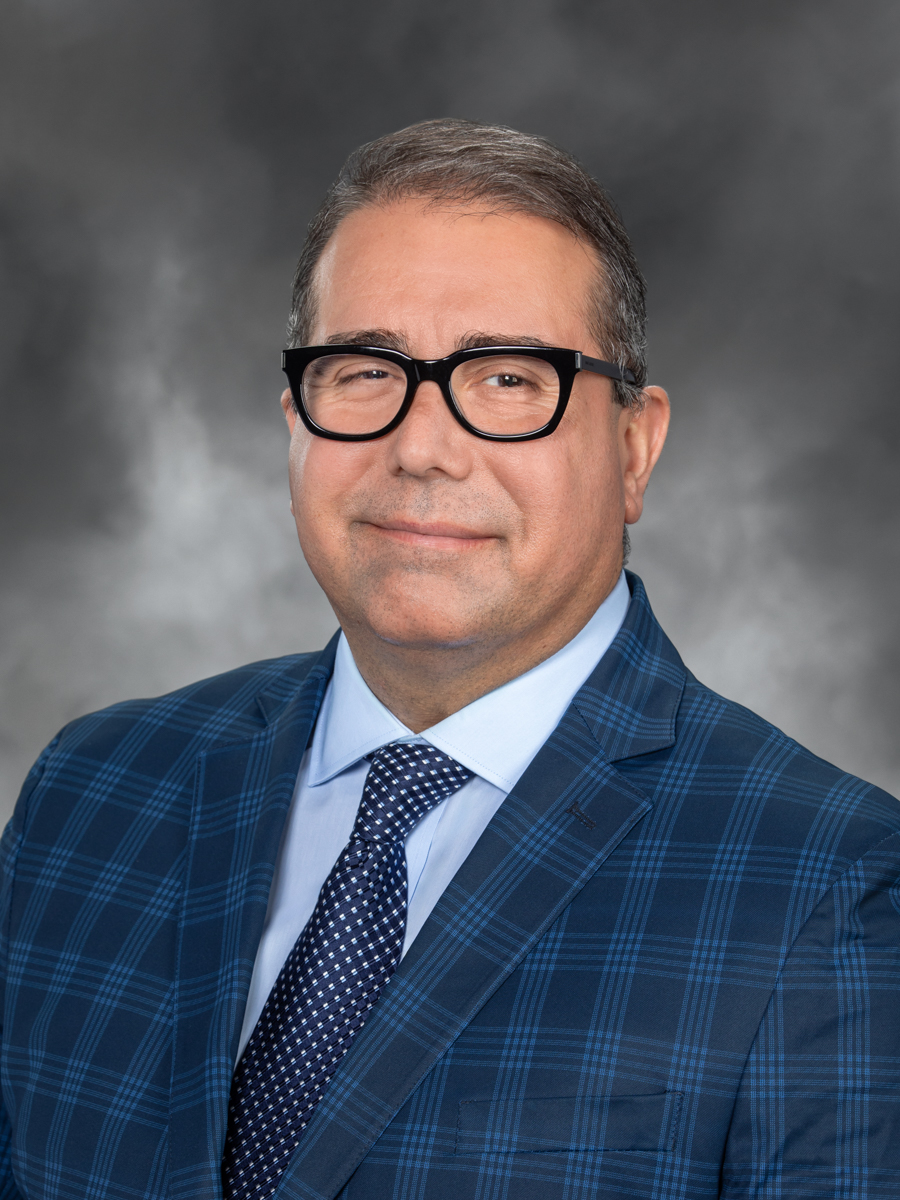
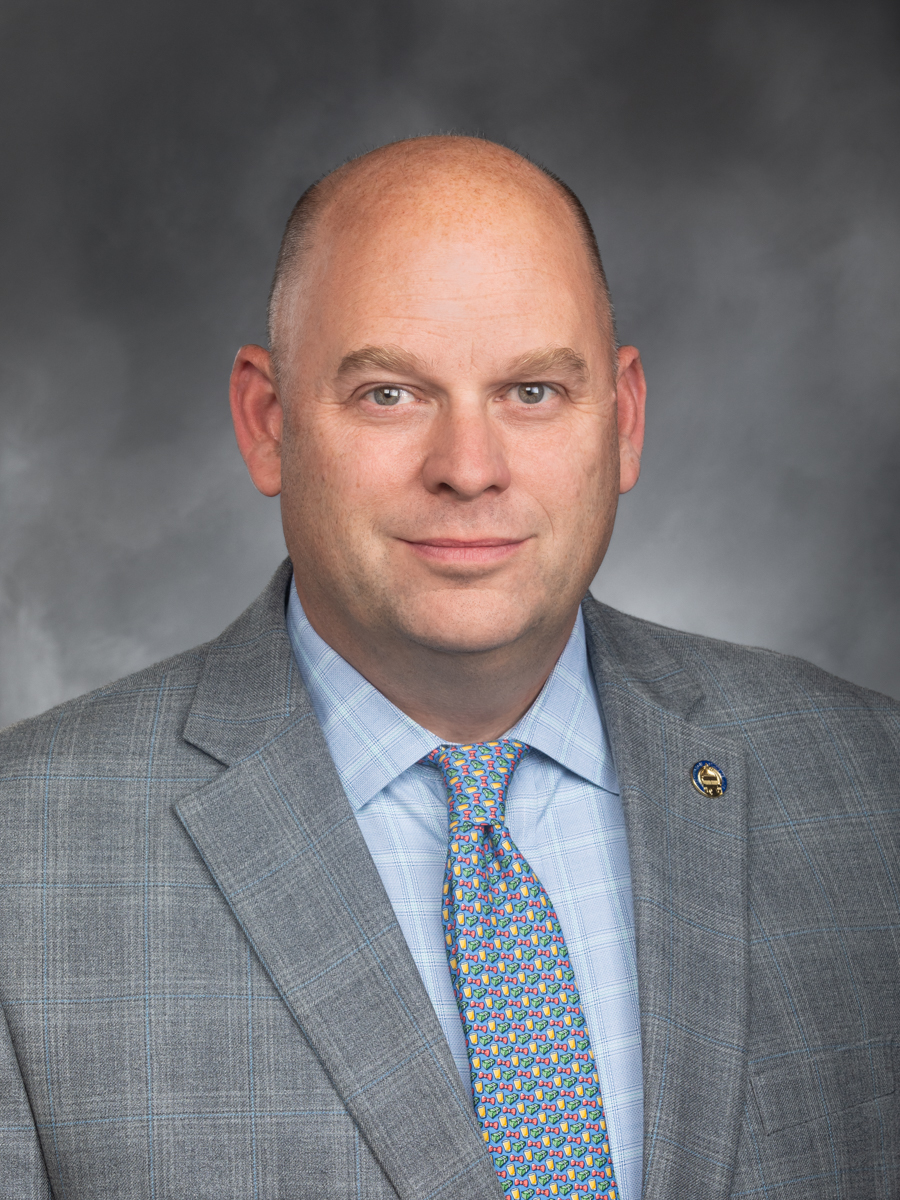
Adrian Cortes
100% support rate
Top opponent
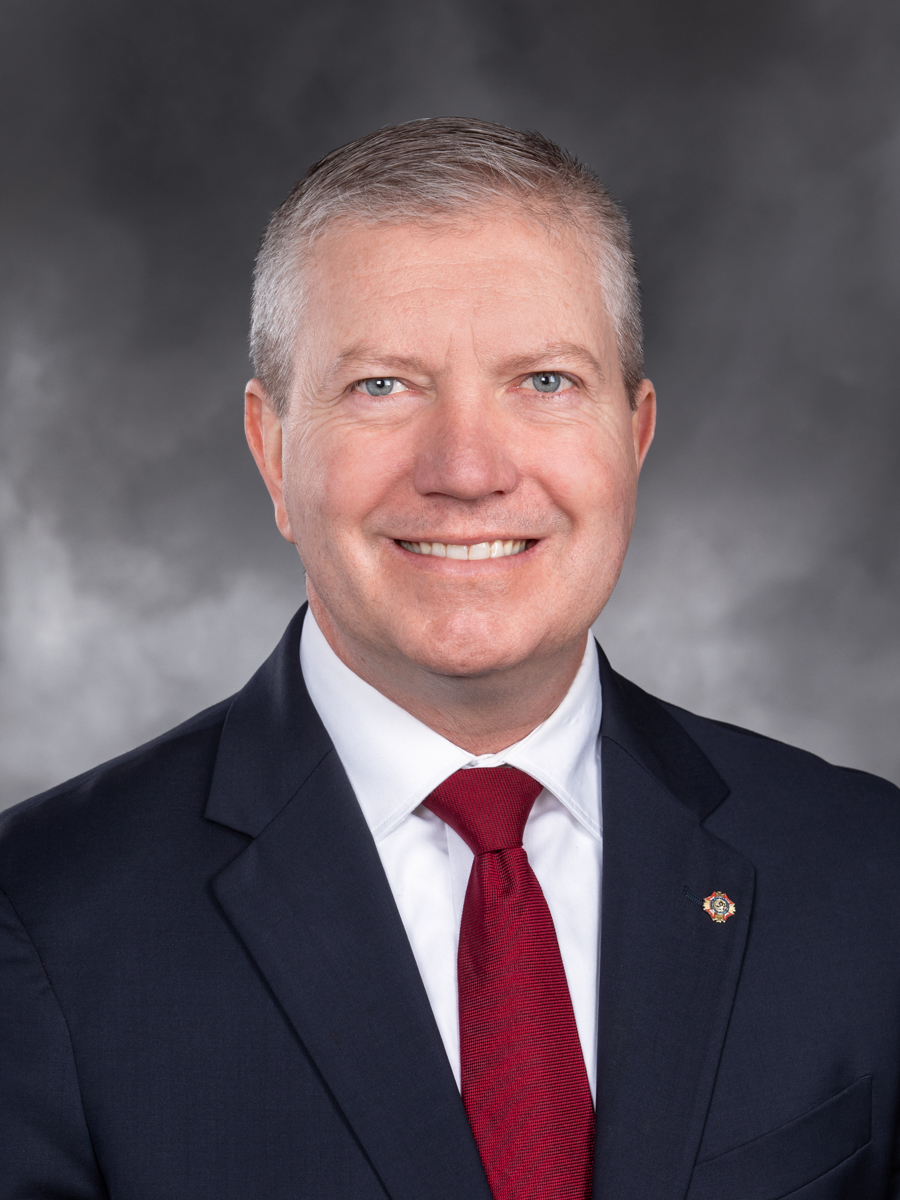
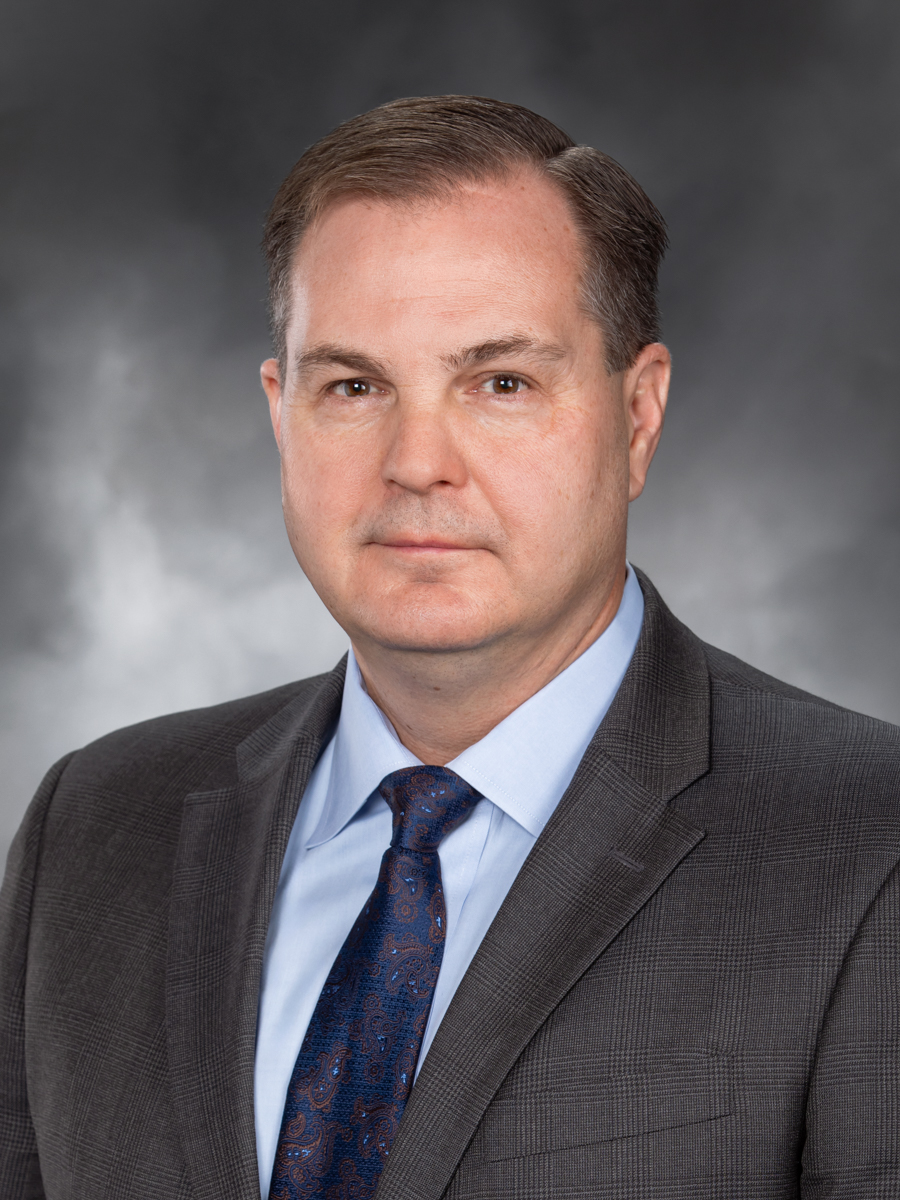
Chris Gildon
0% support rate
Ranked legislators
10
5 support · 5 oppose
Key legislators

Who's moving minimum wage in Washington

Legislators moving minimum wage in Washington
Legislator Party Stance Support rate Votes
Adrian Cortes
Adrian Cortes Senate · District 18
D
Strong +
100% 6
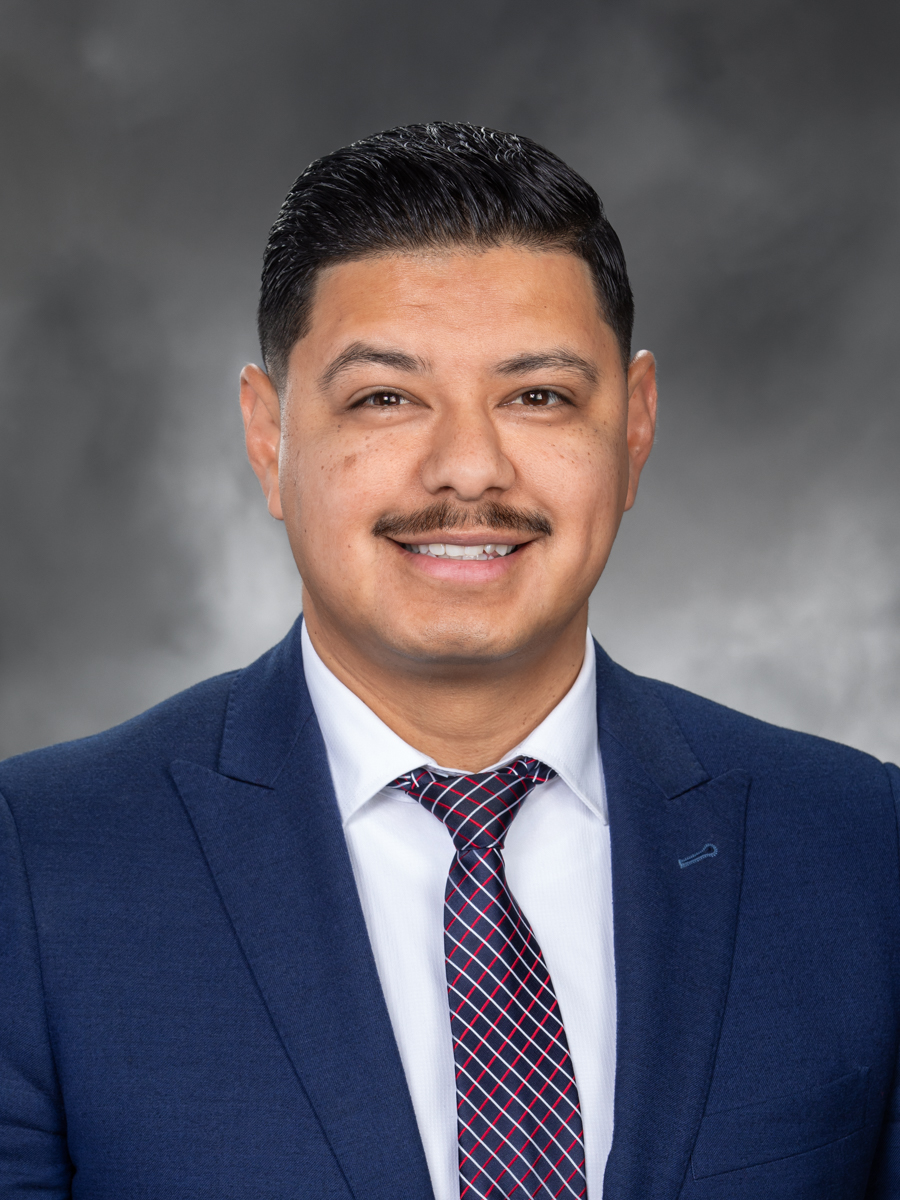
Julio Cortes
Julio Cortes House · District 38
D
Strong +
100% 6
Annette Cleveland
Annette Cleveland Senate · District 49
D
Strong +
100% 4
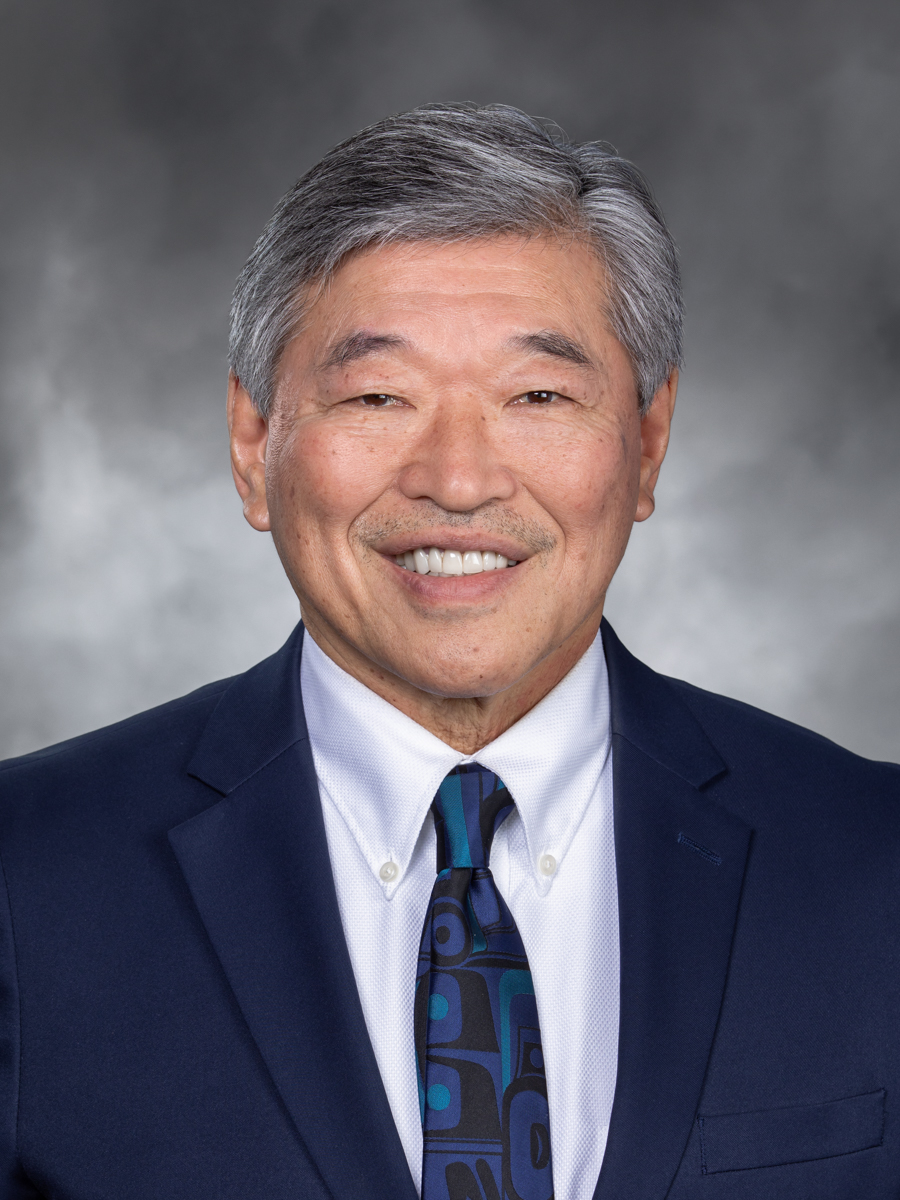
Bob Hasegawa
Bob Hasegawa Senate · District 11
D
Strong +
100% 4
Claire Wilson
Claire Wilson Senate · District 30
D
Strong +
100% 4
Chris Gildon
Chris Gildon Senate · District 25
R
Strong −
0% 4
Drew MacEwen
Drew MacEwen Senate · District 35
R
Strong −
0% 4
Jim McCune
Jim McCune Senate · District 2
R
Strong −
0% 4
John Braun
John Braun Senate · District 20
R
Strong −
0% 4
Judy Warnick
Judy Warnick Senate · District 13
R
Strong −
0% 4
Showing 11–16 of 16 bills

All labor & employment bills

in committee · Washington · Senate Jan 12, 2026

SB 5339: Linking increases in the minimum wage to the federal minimum wage.

SB 5339 would change Washington State's minimum wage calculation method, linking future increases directly to any annual raises in the federal minimum wage instead of using inflation adjustments. Starting December 30, 2025, the state minimum wage would only increase if the federal wage rises in the previous year, with no increase allowed if the federal rate stays the same. Local jurisdictions with higher minimum wages (above $16.66/hour as of the bill's effective date) cannot raise their rates further, though the state rate would override local rates if it increases. This affects all Washington employers and workers covered by state minimum wage laws, particularly small businesses operating on thin margins.
in committee · Washington · House Jan 12, 2026

HB 2052: Allowing agricultural employees to voluntarily waive overtime requirements for up to 15 workweeks in a calendar year.

HB 2052 allows Washington agricultural employees to voluntarily waive overtime pay for up to 15 workweeks per calendar year during peak harvest seasons. This directly affects farmworkers who choose to work more hours without receiving the standard 1.5x overtime rate, potentially increasing their earnings during busy periods. The bill amends state law to add this voluntary waiver option for agricultural employees, replacing previous seasonal overtime caps that limited hours during harvest. It does not change the standard overtime rate but provides a temporary, worker-initiated exception to overtime requirements.
in committee · Washington · House Jan 12, 2026

HB 1184: Creating a narrow exemption from overtime provisions for certain nonprofits and small businesses.

HB 1184 creates a new exemption from Washington state's overtime rules for certain nonprofit organizations and small businesses. It allows these entities to classify some salaried employees as exempt if they earn at least 1.5 times the state minimum wage for a 40-hour workweek ($30.90/hour in 2025, based on $15.45/hour minimum wage) and meet specific duties criteria. The exemption specifically covers nonprofits with 50 or fewer full-time equivalent employees (or those providing essential services like shelters requiring 24/7 staffing) and small businesses with 50 or fewer employees. This change aims to address concerns that the upcoming 2028 overtime salary threshold ($93,000 annually) would force these organizations to reclassify staff or increase pay, potentially jeopardizing their ability to serve communities. The bill does not alter overtime rules for most other employers or industries.
passed · Washington · Senate Mar 12, 2026

SB 5061: Requiring certain wages in public works contracts to be at least the prevailing wage in effect when the work is performed.

Senate Bill 5061 changes how wages are determined for laborers, workers, and mechanics on public works projects in Washington state. It requires that the hourly minimum wage paid on these contracts must be adjusted to the prevailing rate of wage in effect at the time the work is performed. This means wages will no longer be frozen at the rate from when project bids were submitted, but will update according to current prevailing wage adjustments published by the Department of Labor and Industries. The bill aims to ensure fair labor standards for workers throughout the duration of public construction projects.
in committee · Washington · House Jan 12, 2026

HB 1181: Concerning labor standards and the Washington minimum wage act.

HB 1181 clarifies who is covered by Washington's minimum wage law by updating definitions in the Washington Minimum Wage Act. It adds specific exclusions, such as farm interns with special certificates and minor league baseball players under collective bargaining agreements, while refining definitions for terms like "family member" and "retail establishment." These changes directly affect employers and workers in defined categories, ensuring the law applies only to eligible employees. The bill does not change the current minimum wage rate but refines coverage to align with evolving workplace structures.
in committee · Washington · Senate Jan 12, 2026

SB 5792: Concerning temporary compensation reductions for state government employees during the 2025-2027 fiscal biennium.

SB 5792 mandates a 4.98% temporary salary reduction for most state government employees (excluding certain roles) during the 2025-2026 fiscal year. It exempts elected officials (who may voluntarily reduce salaries), employees at state universities, specialized staff (like Washington State Patrol officers), and those earning under $2,500 monthly. The bill requires agencies to use options like temporary leave (8.67 hours/month) or reduced hours if collective bargaining agreements prevent direct salary cuts, while ensuring minimum wage protections. It applies specifically to the 2025-2026 period within the broader 2025-2027 budget cycle.
Showing 11 to 16 of 16 bills