Issue · Housing

Housing

Every housing bill, vote, and legislator stance in Washington, automatically classified by Maddy, our AI policy reader.

Total bills
220
2025-2026 Regular Session
Top supporter
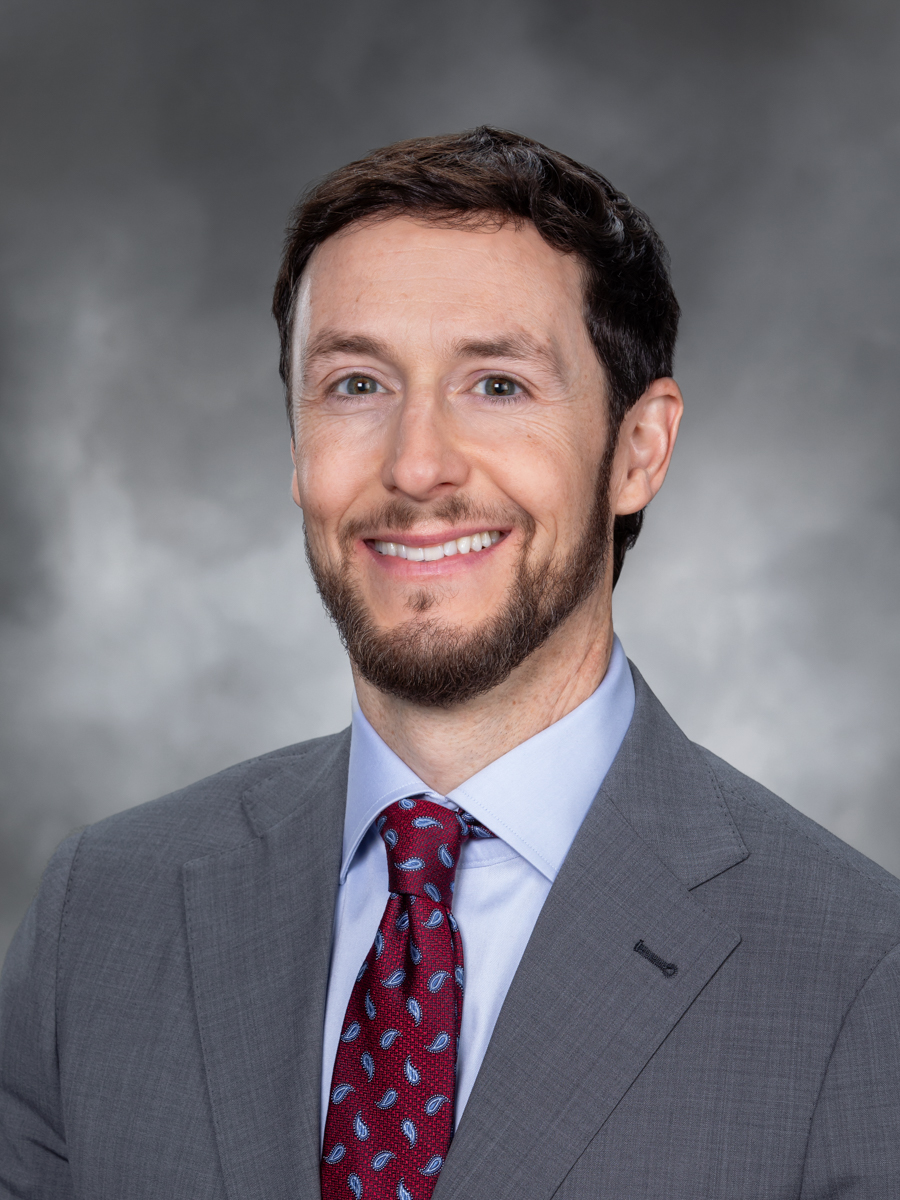
Zach Hall
100% support rate
Top opponent
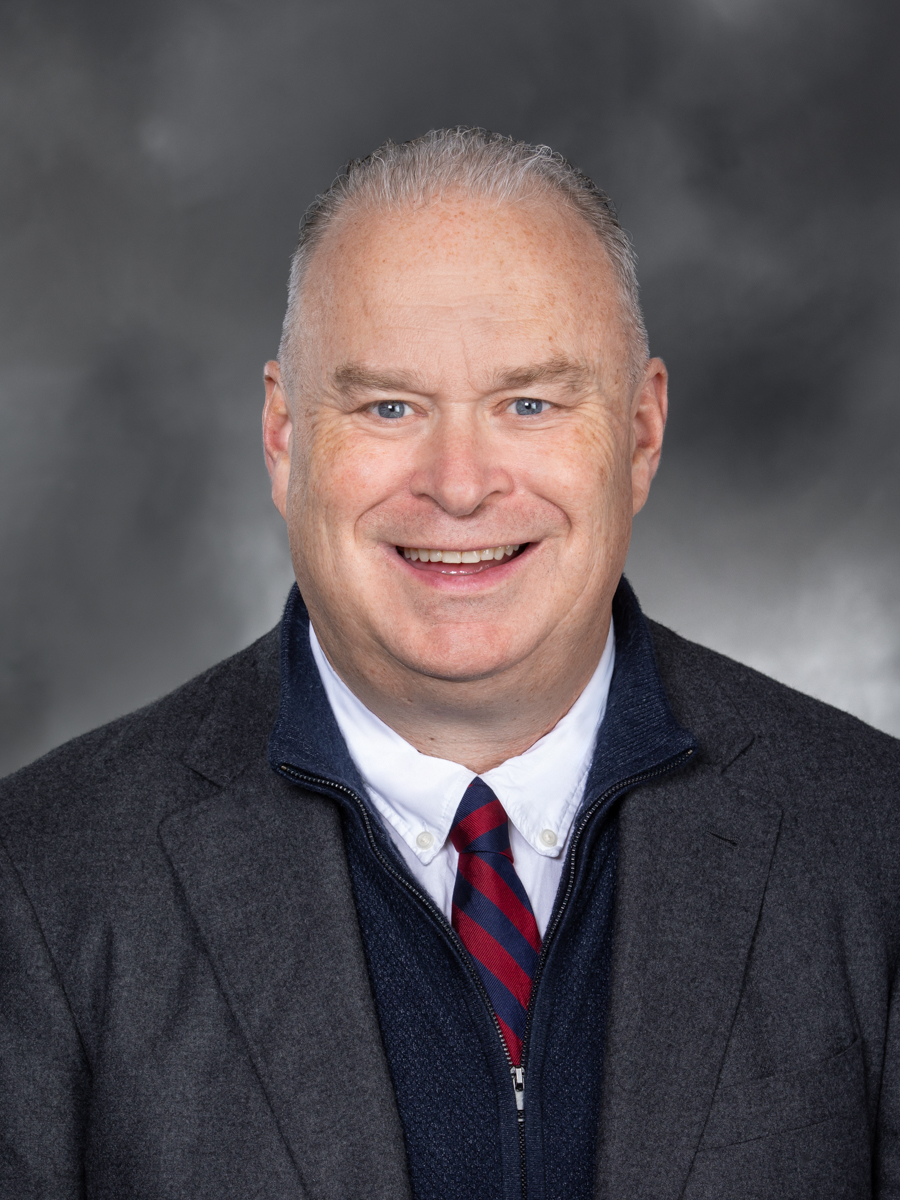
Jeremie Dufault
10% support rate
Ranked legislators
10
5 support · 5 oppose
Key legislators

Who's moving housing in Washington

Legislators moving housing in Washington
Legislator Party Stance Support rate Votes
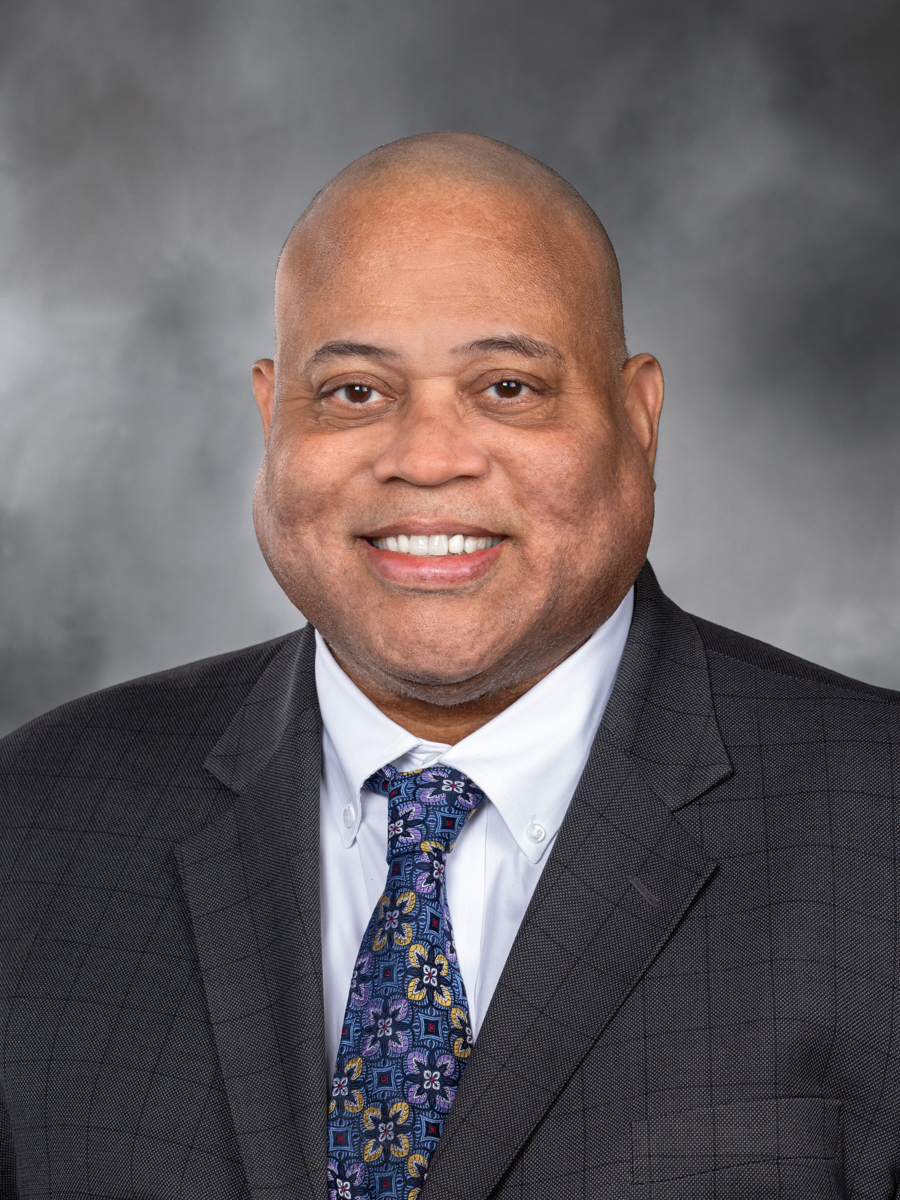
Zach Hall
Zach Hall House · District 5
D
Strong +
100% 123
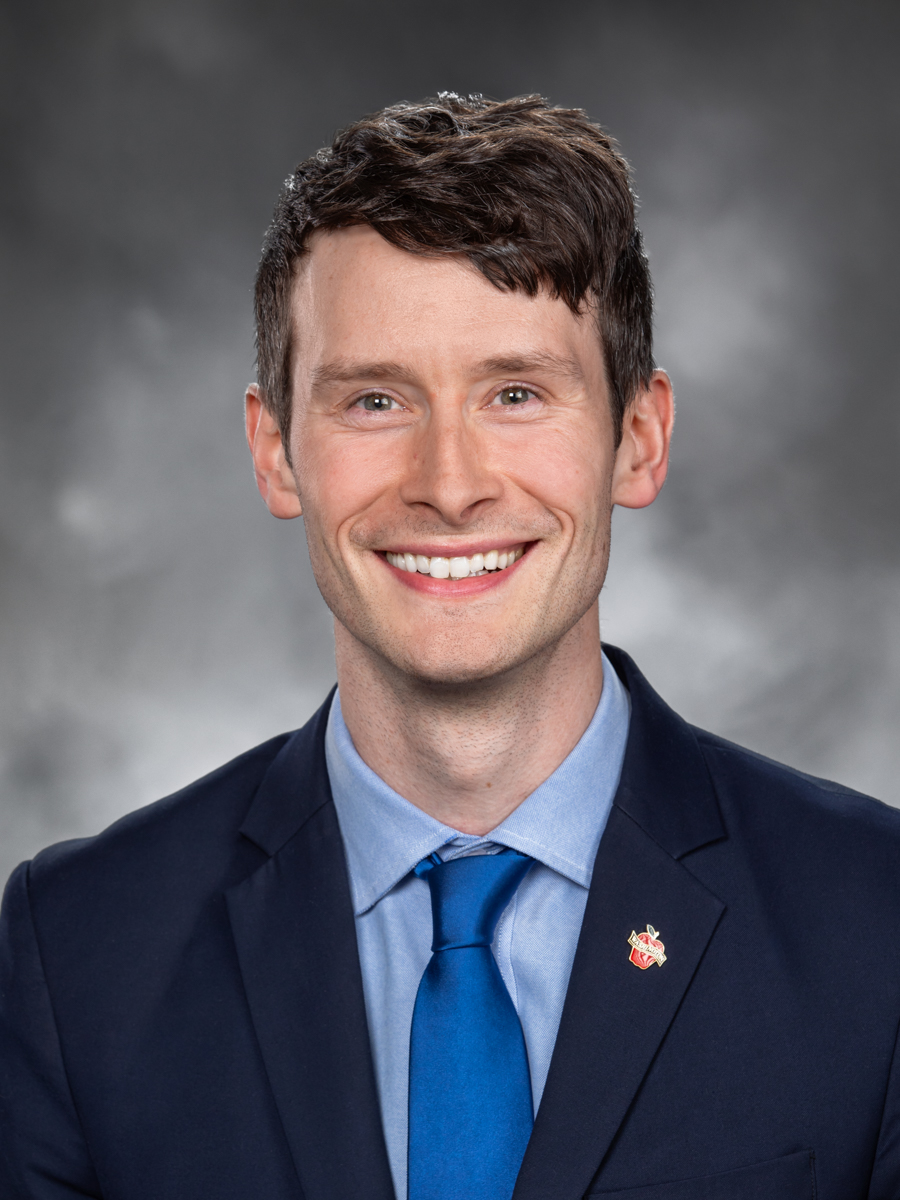
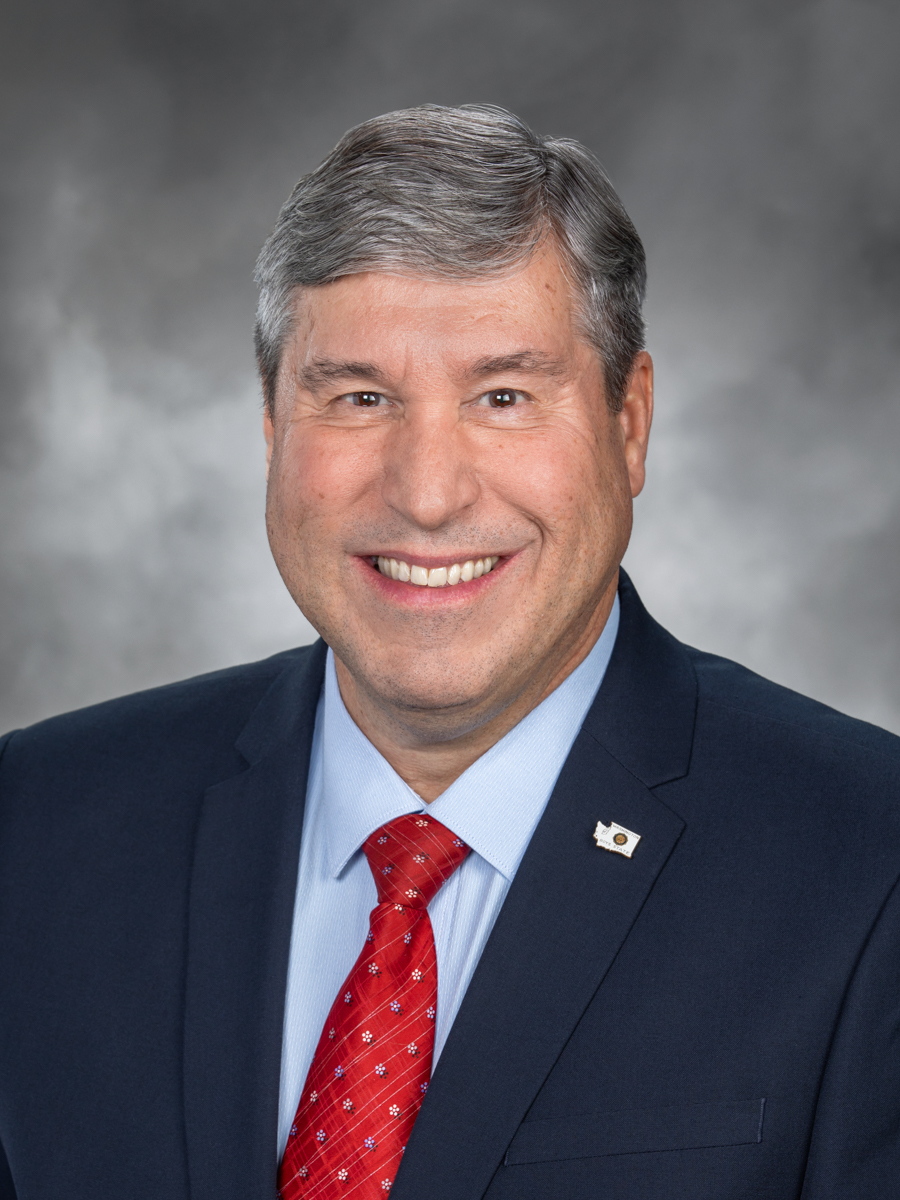
David Hackney
David Hackney House · District 11
D
Strong +
100% 154
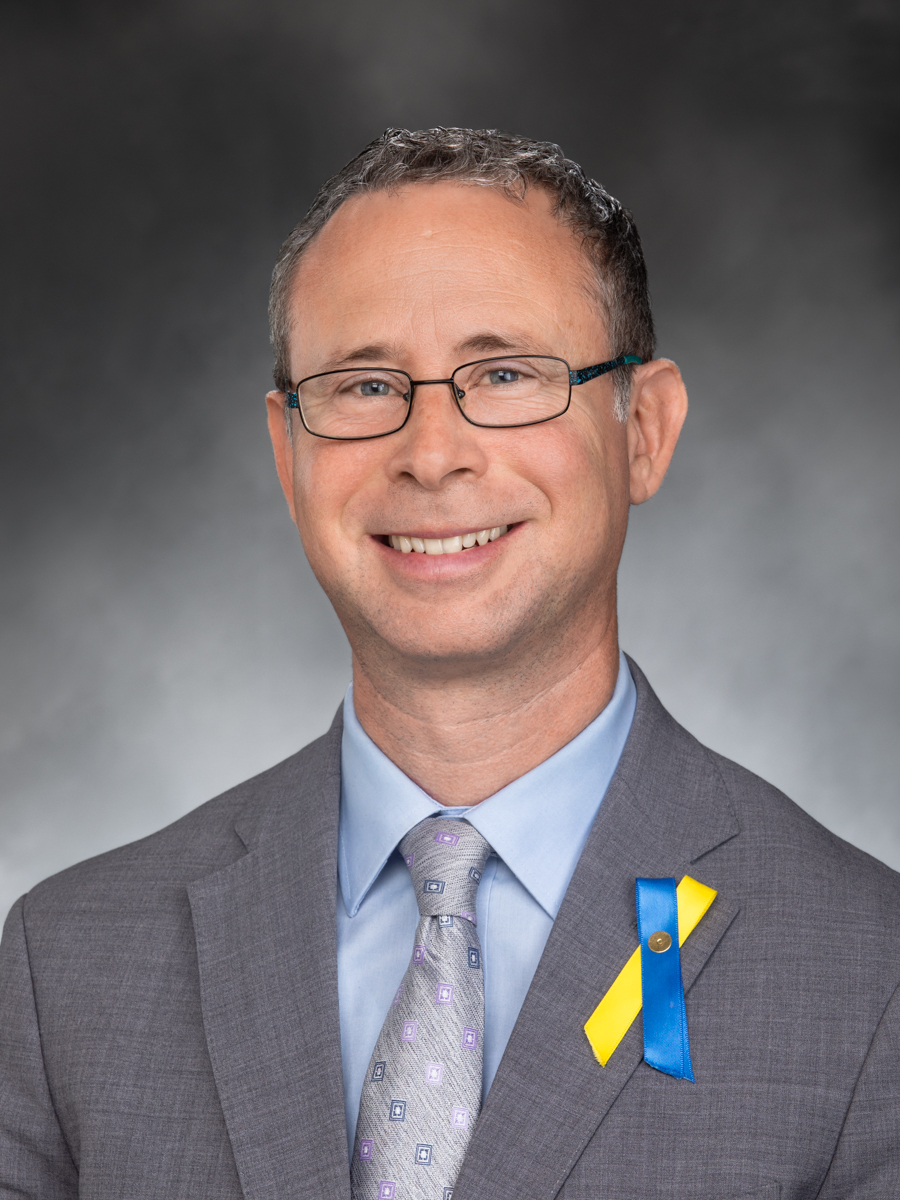
Greg Nance
Greg Nance House · District 23
D
Strong +
97% 195
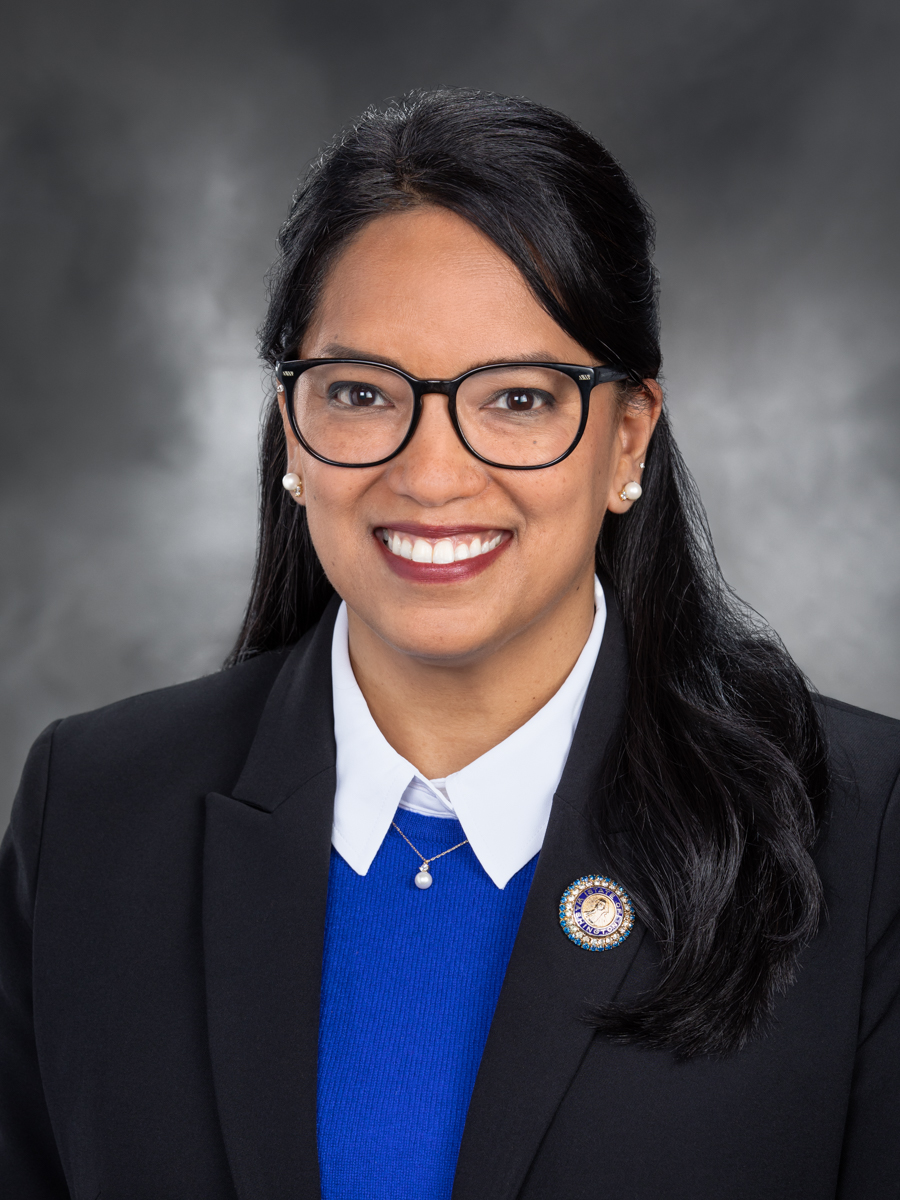
Jesse Salomon
Jesse Salomon Senate · District 32
D
Strong +
95% 112
Kristine Reeves
Kristine Reeves House · District 30
D
Strong +
95% 196
Jeremie Dufault
Jeremie Dufault House · District 15
R
Strong −
10% 205
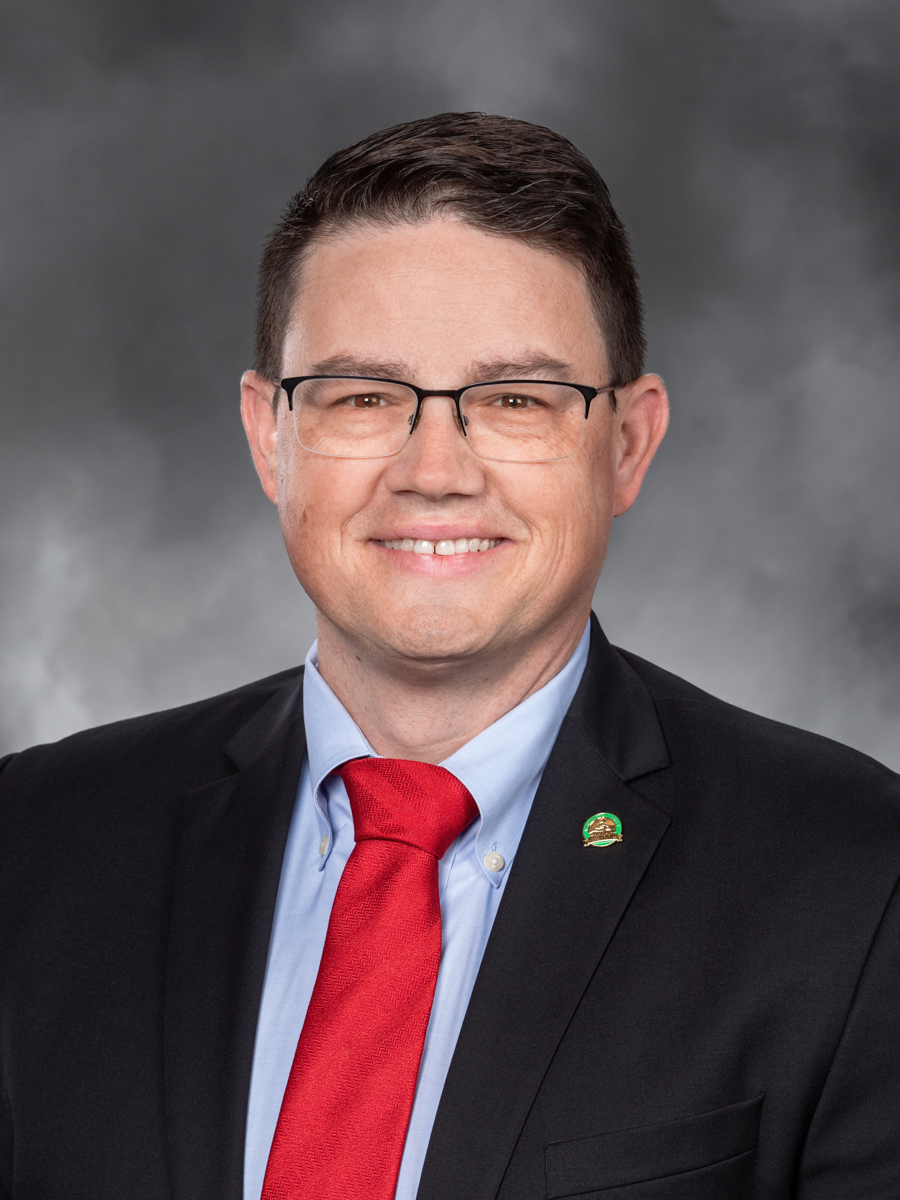
Jim Walsh
Jim Walsh House · District 19
R
Strong −
10% 206
Chris Corry
Chris Corry House · District 15
R
Strong −
10% 196
Michael Keaton
Michael Keaton House · District 25
R
Strong −
10% 207
Joel McEntire
Joel McEntire House · District 19
R
Strong −
11% 134
Showing 81–90 of 220 bills

All housing bills

in committee · Washington · Senate Jan 12, 2026

SB 5935: Updating the office of homeless youth program provisions.

SB 5935 updates Washington's homeless youth program by clarifying rules for HOPE centers, which provide temporary housing for unaccompanied homeless youth. The bill specifies that youth may stay in a HOPE center for a maximum of 90 days (with limited exceptions), requires court approval for stays beyond this period for most youth, and defines key terms like "homeless youth" and "street outreach services." It amends multiple statutes to streamline program administration under the Department of Commerce, ensuring consistent definitions for housing programs and data collection. The bill directly affects homeless youth, HOPE centers, and local governments managing homeless housing plans. (This is a proposed update to existing law, not yet enacted.)
Sub-Topics Homelessness
in committee · Washington · Senate Feb 2, 2026

SB 5884: Expanding the limited sales and use tax incentive program to encourage redevelopment of underutilized property.

SB 5884 expands a sales and use tax deferral program to incentivize redevelopment of underutilized property in qualifying cities (with populations of 135,000-275,000). It directly affects property owners who develop affordable housing - both rental and homeownership - for low- or moderate-income households, as defined by federal income thresholds. The key mechanism allows qualifying developers to defer paying sales and use taxes on eligible projects, provided they maintain affordable housing for at least 10 years. This applies to vacant land, partially used land, or underutilized property (like surface parking lots) identified by city authorities as suitable for affordable housing redevelopment.
in committee · Washington · Senate Feb 6, 2026

SB 5940: Creating a housing assistance pilot program for youth enrolled in extended foster care.

SB 5940 creates a two-year housing assistance pilot program (2027-2029) for up to 50 youth aged 18-21 enrolled in Washington’s extended foster care program who are experiencing homelessness or at imminent risk of it. The program provides rental assistance based on local fair market rent, requiring youth to pay no more than 30-40% of their income toward housing while remaining in foster care - allowing them to access federal housing benefits after age 21 without losing foster care support. It mandates transition planning for youth nearing age 21, including referrals to housing, employment, and other support services. The program will be evaluated through a 2029 report tracking participation, costs, demographics, and outcomes.
Sub-Topics Homelessness Renters
signed · Washington · House Apr 25, 2025

HB 1494: Concerning the property tax exemptions for new and rehabilitated multiple-unit dwellings in urban centers.

House Bill 1494 modifies existing property tax exemptions for new and rehabilitated multiple-unit dwellings in urban centers. The bill clarifies definitions related to "affordable housing" and the population requirements for cities to qualify for these exemptions. A key provision expands the definition of "rehabilitation improvements" to include modifications to occupied buildings that increase the number of multi-family housing units. These changes do not extend the duration of the exemptions or expand them to include conversions of market-rate buildings to affordable housing. The bill primarily affects property owners, developers, and residents involved with multi-unit housing projects in designated urban areas.
in committee · Washington · Senate Feb 3, 2026

SB 5633: Concerning the subdivision of land.

SB 5633 updates Washington's outdated land subdivision laws (originally enacted in 1969) by creating a new Chapter 58.17A RCW to replace 30+ existing sections. It streamlines the process by merging the obsolete "short plat" and "subdivision" procedures into one uniform system, requiring local governments to integrate subdivision reviews with Growth Management Act (GMA) and SEPA requirements. The bill directly affects cities, towns, and counties that approve land divisions, aiming to expedite approvals for housing projects while ensuring standards for public safety, infrastructure, and housing needs. Its key provision simplifies the subdivision approval process to address Washington’s housing supply crisis, as explicitly stated in the bill’s legislative findings.
in committee · Washington · House Jan 12, 2026

HB 1429: Creating a housing assistance program for youth enrolled in extended foster care.

HB 1429 creates a state-funded housing assistance program for youth in Washington's extended foster care system (ages 18-21) who are homeless or at risk of homelessness. The program provides up to 36 months of rental assistance, capping housing costs at 30% of a youth's income (up to 40% if rent exceeds fair market rent in their area), while allowing them to retain extended foster care support. It requires the state department to partner with qualified housing providers and conduct annual housing status checks. Additionally, the bill mandates transition planning three months before a youth turns 21, including referrals to housing vouchers, benefits, and services to support long-term stability. This addresses a gap where youth often lose foster care support when accessing federal housing programs.
Sub-Topics Homelessness Renters
in committee · Washington · House Jan 12, 2026

HB 1164: Expanding urban growth area boundaries for residential development.

HB 1164 requires Washington cities and counties to expand urban growth area (UGA) boundaries to include land adjacent to existing residential areas with access to urban services, enabling more residential development. Specifically, it mandates adding parcels sharing boundaries with residential land or located across roads from such areas, while allowing cities to maintain existing density and service connections. The bill excludes protected natural areas (like critical aquifers), agricultural lands, and designated resource zones from expansion. This policy aims to increase housing supply near existing infrastructure without raising local government costs, directly affecting land-use planning in participating municipalities.
in committee · Washington · House Jan 12, 2026

HB 1057: Promoting economic development by increasing support for local communities to access federal funds.

HB 1057 creates a state fund to help Washington communities secure federal economic development grants by providing matching dollars. It directly affects local governments, rural areas, tribes, nonprofits, and businesses seeking federal funds for projects like broadband, housing, infrastructure, and workforce training. Key mechanisms include establishing scoring criteria prioritizing rural counties and job creation, setting grant tiers (up to 100% matching for most entities), and requiring the state to provide a template letter supporting federal applications. The bill mandates annual reporting on fund usage and expands online resources to track available federal opportunities.
in committee · Washington · House Jan 12, 2026

HB 1996: Authorizing a qualified county to impose a tax for the funding of behavioral health diversion from the criminal justice system.

This bill allows qualifying Washington counties to impose a 0.1% sales tax to fund behavioral health diversion programs. The tax must be used exclusively for initiatives that prevent individuals with behavioral health needs from entering or remaining in the criminal justice system - such as diverting people facing up to class C felony charges, reducing repeated competency evaluations, and creating county-wide strategies for housing and support. Counties must first have a state-approved behavioral health diversion plan before implementing the tax. The law is contingent on another bill (HB 1218) being enacted by August 1, 2025.
Sub-Topics Sales Tax
in committee · Washington · House Jan 12, 2026

HB 1732: Preserving homeownership options by limiting excessive home buying by certain entities.

HB 1732 limits large investment and business entities from purchasing additional single-family homes in Washington to increase housing affordability for residents. It prohibits entities owning more than 25 single-family homes (business entities) or any investment entity (like real estate trusts managing pooled investor funds) from buying more homes, with exemptions for nonprofits, necessary renovations, or short-term development projects. Violators face civil penalties up to $100,000 per violation and must sell the property to a third party within one year. The law aims to address Washington’s housing crisis, where investor ownership has risen significantly while home prices have surged 55% since 2018. It adds these provisions as a new chapter in Washington’s consumer protection law (Title 19 RCW).
Showing 81 to 90 of 220 bills
Previous 1 8 9 10 22 Next