Issue · Housing

Housing

Every housing bill, vote, and legislator stance in Washington, automatically classified by Maddy, our AI policy reader.

Total bills
220
2025-2026 Regular Session
Top supporter
Zach Hall
100% support rate
Top opponent
Jeremie Dufault
10% support rate
Ranked legislators
10
5 support · 5 oppose
Key legislators

Who's moving housing in Washington

Legislators moving housing in Washington
Legislator Party Stance Support rate Votes
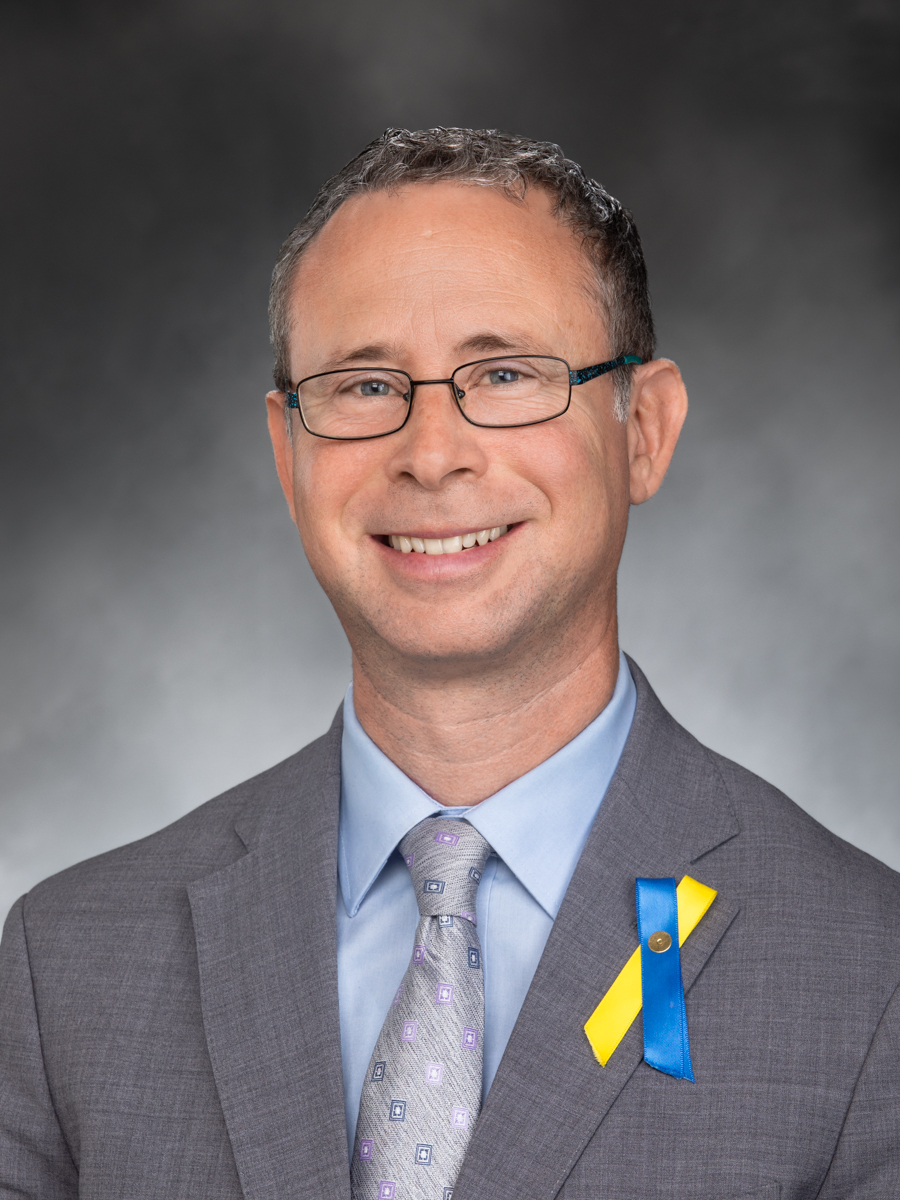
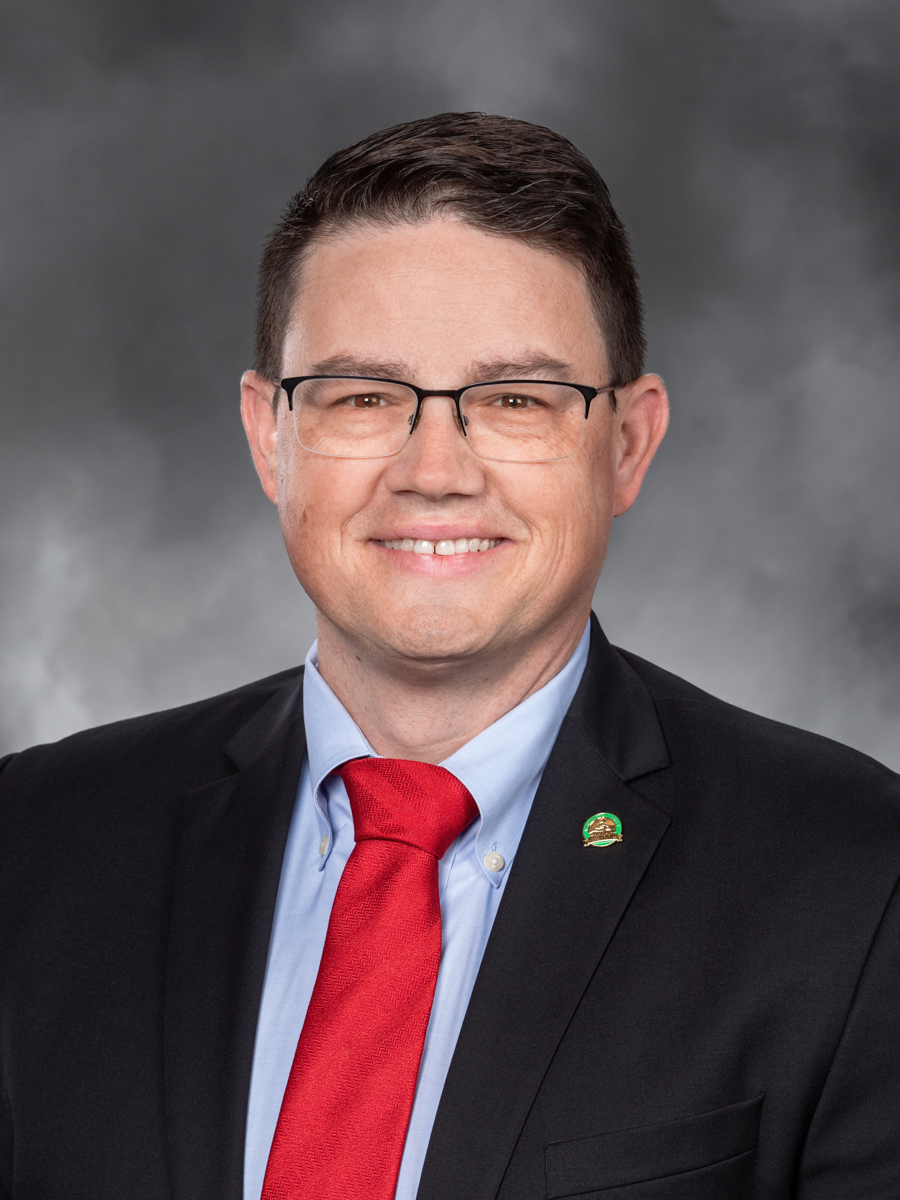
Zach Hall
Zach Hall House · District 5
D
Strong +
100% 123
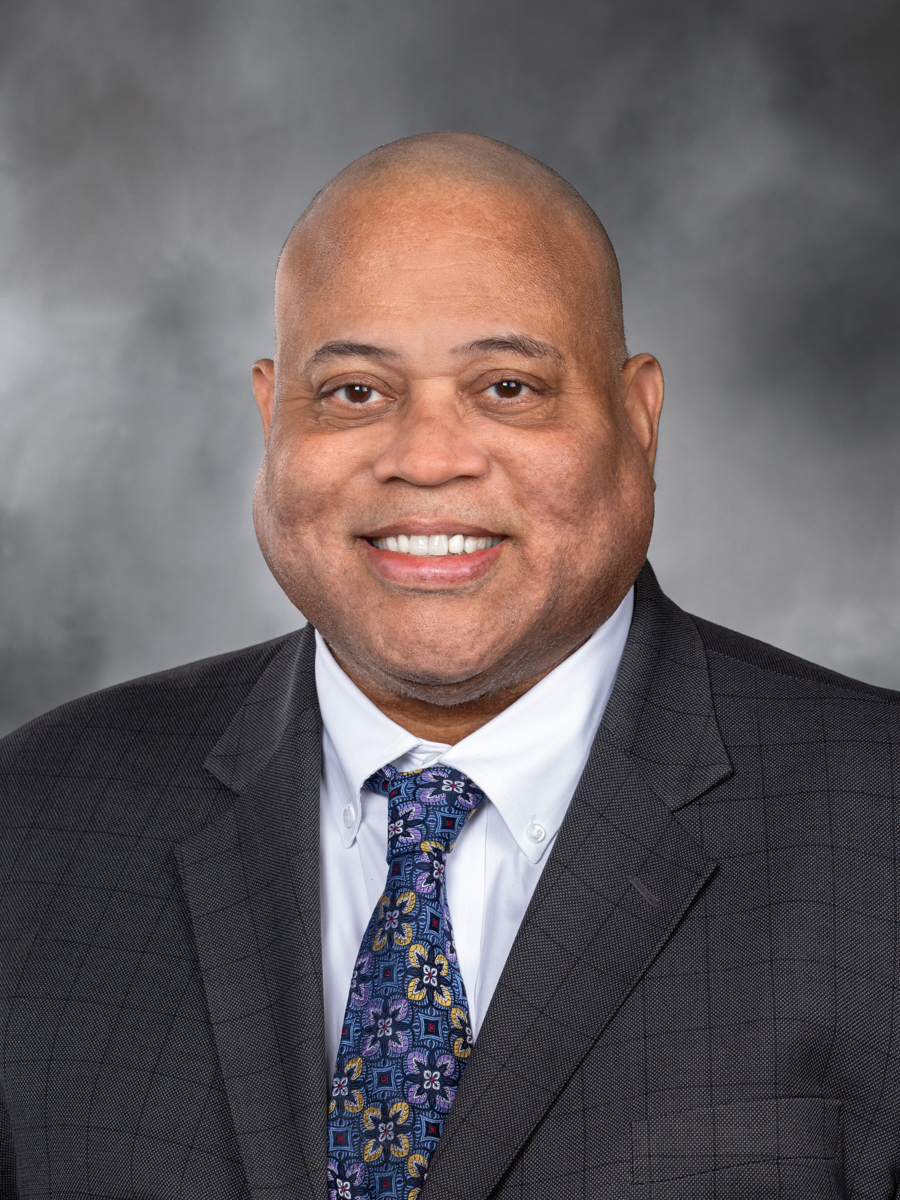
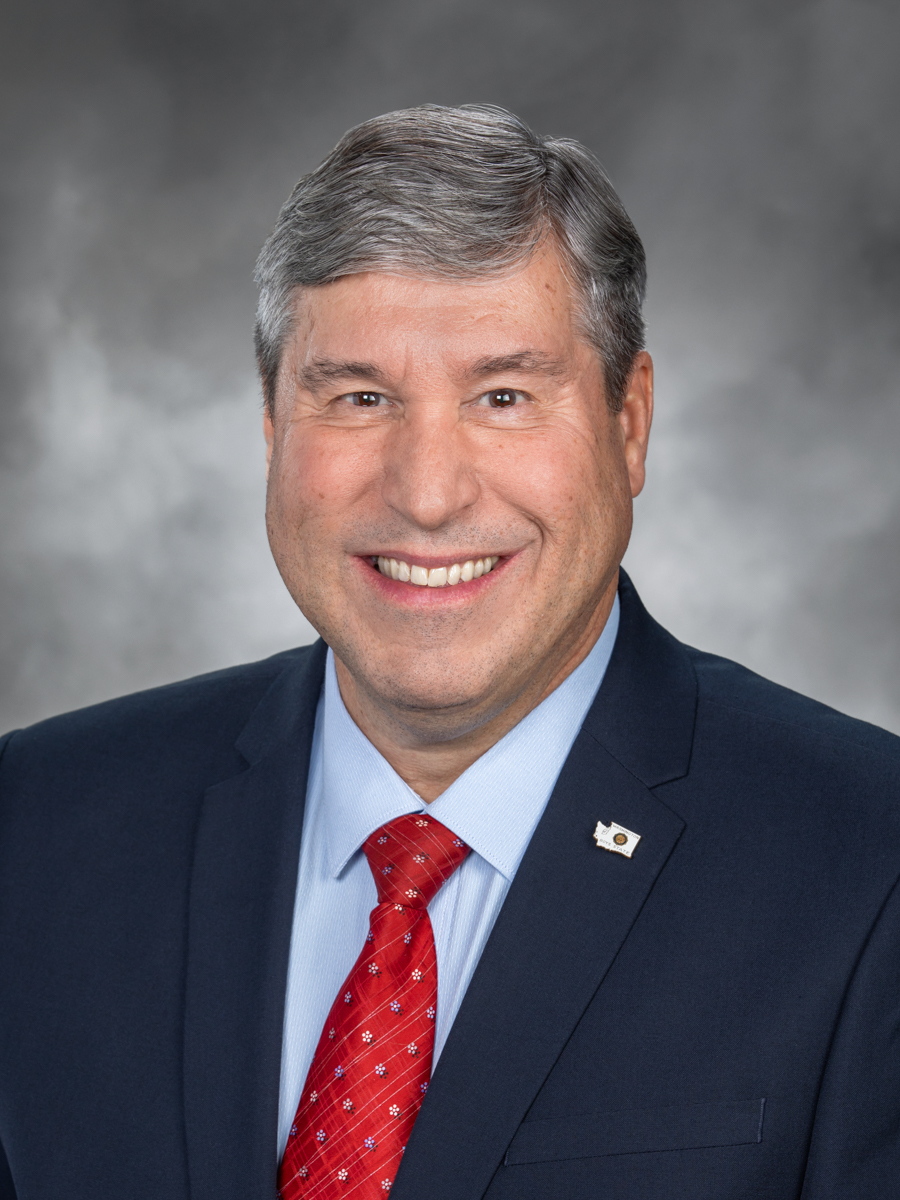
David Hackney
David Hackney House · District 11
D
Strong +
100% 154
Greg Nance
Greg Nance House · District 23
D
Strong +
97% 195
Jesse Salomon
Jesse Salomon Senate · District 32
D
Strong +
95% 112
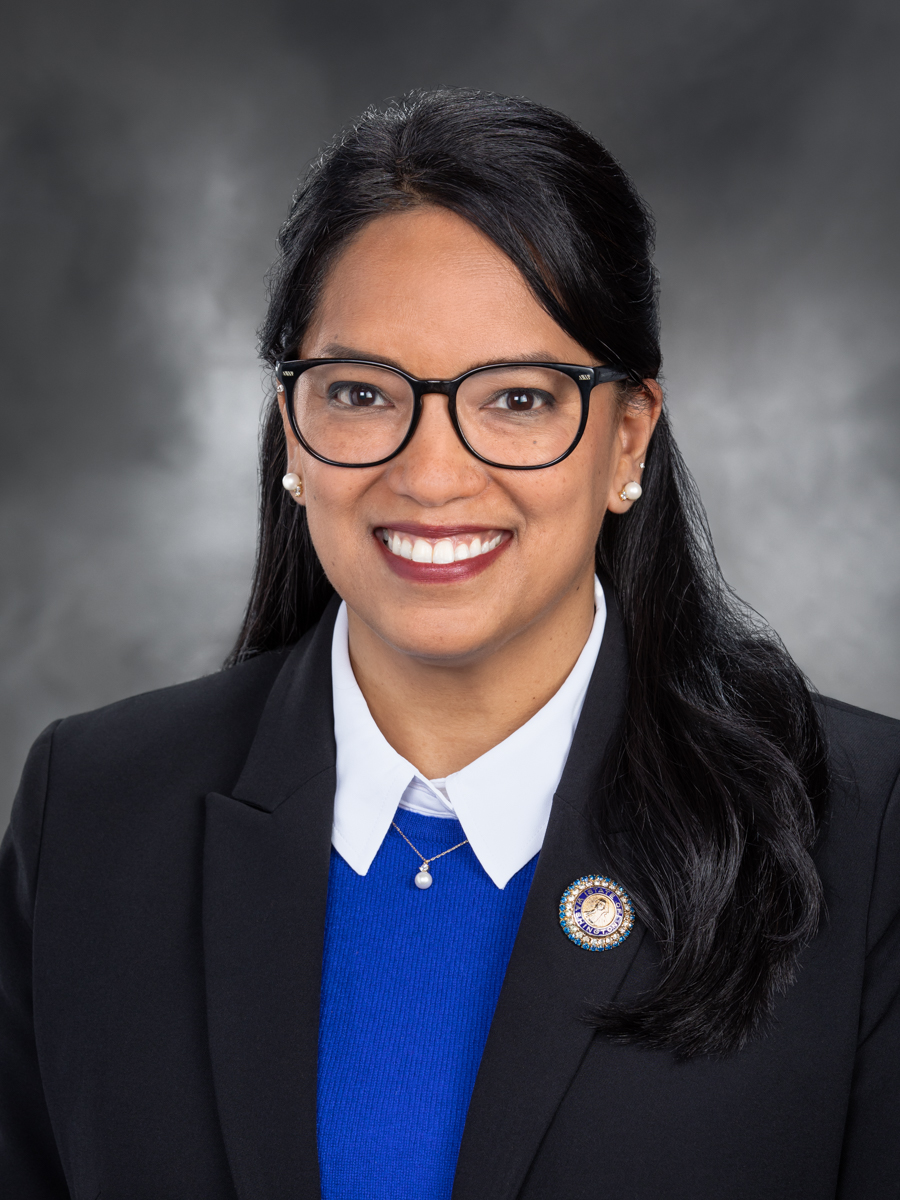
Kristine Reeves
Kristine Reeves House · District 30
D
Strong +
95% 196
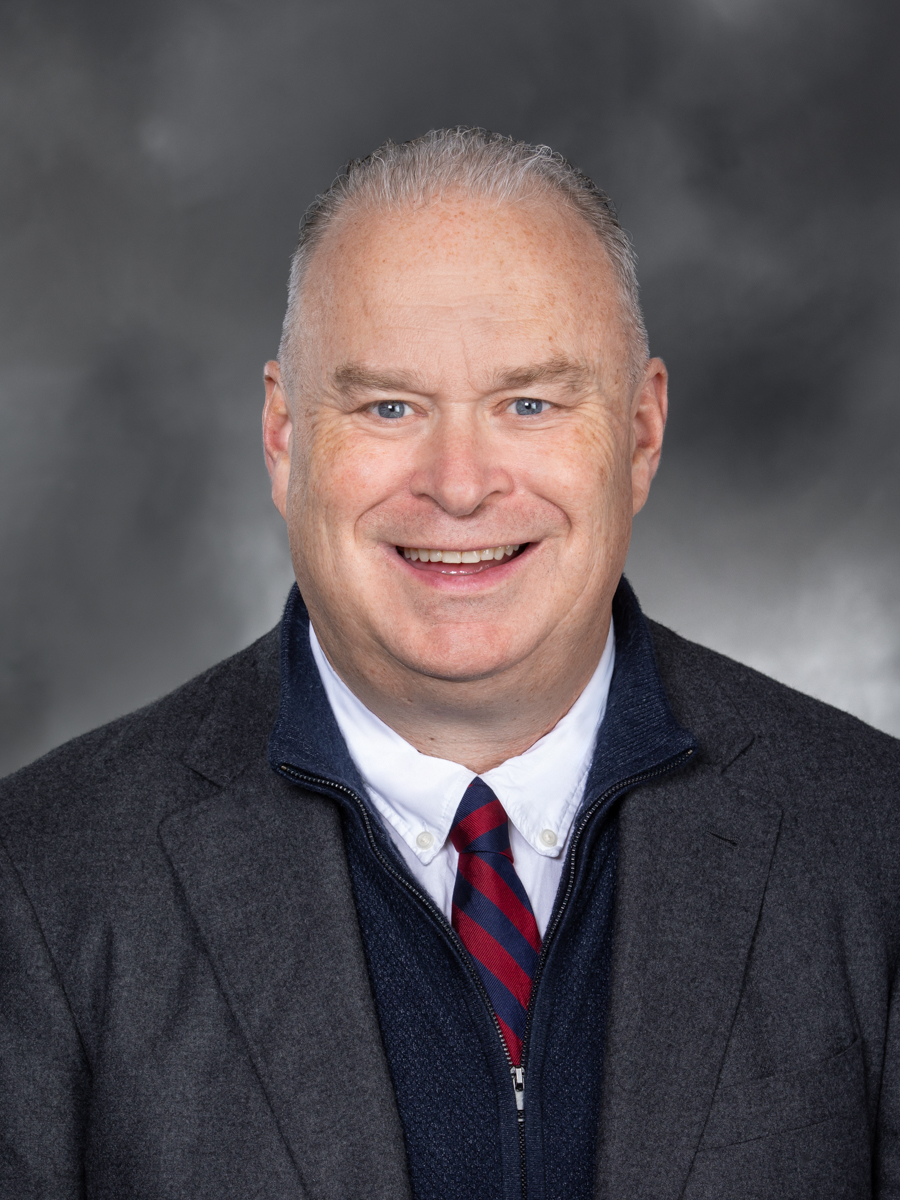
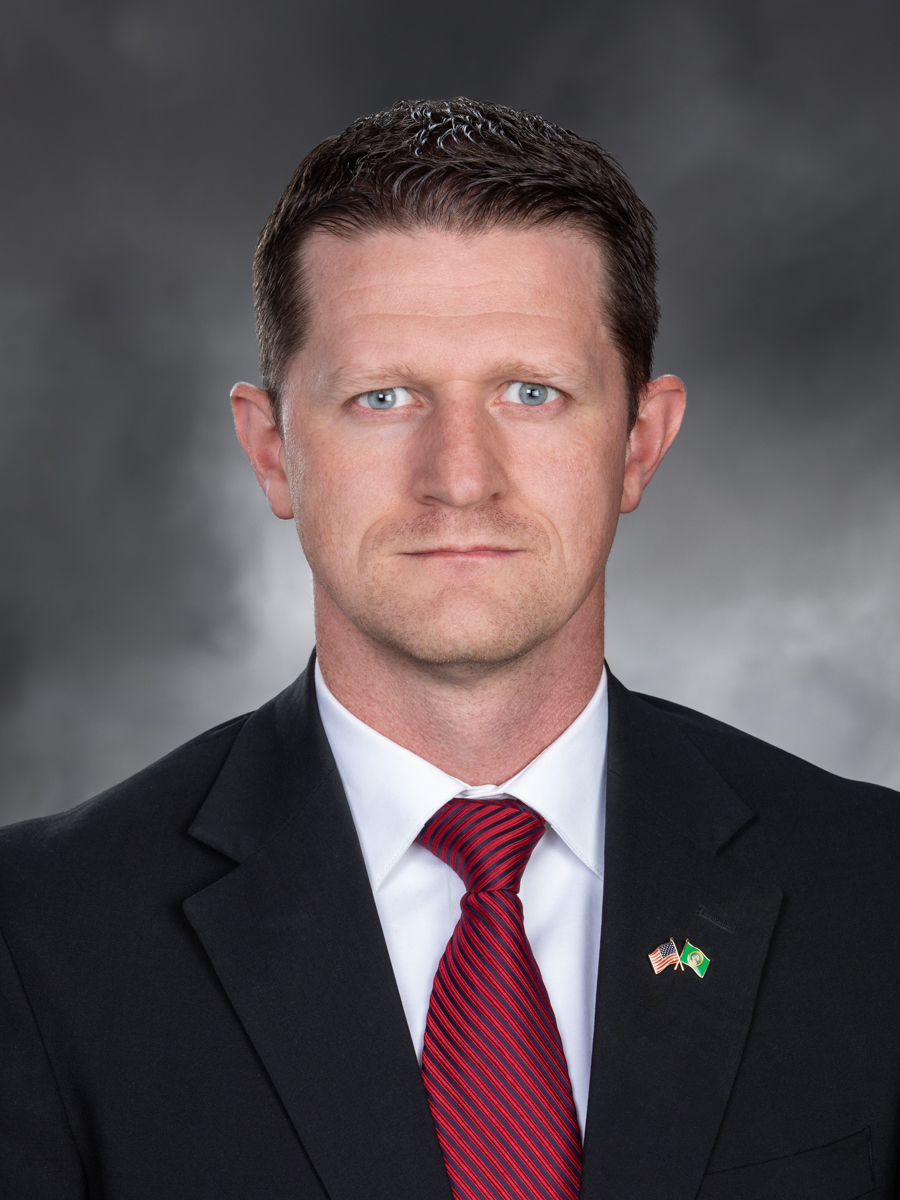
Jeremie Dufault
Jeremie Dufault House · District 15
R
Strong −
10% 205
Jim Walsh
Jim Walsh House · District 19
R
Strong −
10% 206
Chris Corry
Chris Corry House · District 15
R
Strong −
10% 196
Michael Keaton
Michael Keaton House · District 25
R
Strong −
10% 207
Joel McEntire
Joel McEntire House · District 19
R
Strong −
11% 134
Showing 71–80 of 220 bills

All housing bills

in committee · Washington · House Jan 28, 2026

HB 2702: Increasing the short plat threshold.

HB 2702 increases the threshold for "short subdivisions" in urban growth areas from 9 to 30 lots, allowing developers to bypass full subdivision review for projects creating up to 30 lots if the average lot size meets local minimum requirements. This directly affects property developers seeking to subdivide land in urban growth areas and local governments managing land use regulations. The bill amends Washington’s subdivision laws to simplify approval processes for smaller-scale developments, while maintaining the existing 4-lot limit outside urban growth areas. Key provisions require that average lot sizes comply with local minimums to qualify for the streamlined process.
in committee · Washington · House Jan 12, 2026

HB 2153: Prohibiting homebuyers from receiving multiple state-funded down payment assistance loans or grants.

HB 2153 prohibits homebuyers from receiving more than one state-funded down payment assistance loan or grant from Washington's housing programs. It directly affects first-time homebuyers who might apply for multiple assistance programs, ensuring they can only accept one offer. The bill amends state law to state that applicants applying for multiple programs (or multiple offers from one program) are eligible for only a single loan or grant. This change aims to fairly distribute limited public funds to more qualified homebuyers instead of concentrating benefits on a single buyer.
Sub-Topics Homeownership
signed · Washington · Senate Mar 23, 2026

SB 5938: Concerning the foreclosure prevention fee.

This bill imposes an $80 fee on most residential mortgage loans in Washington at closing, paid by settlement agents and added to the loan if financed. It exempts reverse mortgages for borrowers aged 60 or older, chattel loans for dwellings, and certain homeownership programs (like those under chapter 43.185A RCW). Borrowers must receive a notice about the fee and the statewide foreclosure hotline number. The state must also study using a portion of the fee to create a homeowner assistance fund by July 2027, with the bill expiring August 1, 2028.
in committee · Washington · House Feb 19, 2026

HB 2157: Regulating high-risk artificial intelligence system development, deployment, and use.

Washington State's HB 2157 regulates high-risk artificial intelligence systems that make consequential decisions affecting major life areas like housing, employment, healthcare, loans, and education. It applies to developers (with over $100,000 annual revenue) and deployers operating in Washington who use AI systems for these decisions. The law prohibits algorithmic discrimination - unlawful bias based on protected characteristics - and requires systems to be designed and tested to prevent such outcomes, while excluding research activities and certain facial recognition uses.
in committee · Washington · Senate Jan 12, 2026

SB 5929: Exempting assignments or substitutions of previously recorded deeds of trust from the document recording fee and the covenant homeownership program assessment.

SB 5929 exempts assignments or substitutions of previously recorded deeds of trust from two fees: the $100 covenant homeownership program assessment and the $183 document recording surcharge. This change applies directly to mortgage lenders, title companies, and property owners involved in transferring existing mortgage interests. The bill amends RCW 36.22.185 (adding subsection (2)(f)) and RCW 36.22.250 (adding exemption (e)), removing these fees for such transactions while maintaining other fee exemptions. It does not affect new deeds of trust or other fee structures.
passed · Washington · Senate Mar 12, 2026

SB 5831: Enacting the uniform mortgage modification act.

SB 5831, the Uniform Mortgage Modification Act, standardizes rules for modifying home mortgages in Washington State. It applies to changes like interest rate reductions, maturity date extensions, payment schedule adjustments, or forgiveness of unpaid amounts, directly affecting homeowners and lenders. The law ensures these modifications don’t change a mortgage’s legal priority or require recording, preserving the mortgage’s original standing. It covers specific modifications listed in the bill but excludes changes to property encumbrances, obligors, or mortgage assignments. The act aligns Washington with a nationally recognized model to streamline mortgage relief processes.
Sub-Topics Mortgages
in committee · Washington · House Feb 19, 2026

HB 2185: Concerning the office of homeless youth prevention and protection programs advisory committee.

HB 2185 creates a new Office of Homeless Youth Prevention and Protection Programs within Washington's state agency responsible for youth services. The office must coordinate statewide efforts to reduce youth homelessness by collecting data, developing strategies to address root causes, and improving permanency rates for homeless youth. It requires a 12-member advisory committee - including youth representatives, advocates, law enforcement, service providers, and individuals with lived experience - to guide the office's work on funding, policy, and practice gaps. The office must be operational by January 1, 2016, with the advisory committee holding its first meeting by March 1, 2016.
Sub-Topics Homelessness
in committee · Washington · House Jan 14, 2026

HB 2201: Standardizing city and county planning and development regulations with an urban growth area.

HB 2201 requires Washington counties to designate specific "urban growth areas" where development is encouraged, directly affecting cities, counties, and tribal nations coordinating on planning. It mandates counties to plan for projected population growth over 20 years within these areas, ensuring sufficient land for housing, businesses, and services while prioritizing development in existing urban zones first. The bill also establishes rules for resolving disputes between counties and cities over growth area boundaries and limits extending urban services to rural areas unless necessary for health, safety, or environmental protection. This update standardizes planning requirements across local governments under state law.
Sub-Topics Land Use Property Development Zoning Tags Rural Communities
in committee · Washington · Senate Jan 14, 2026

SB 5885: Expanding opportunities for affordable housing developments on properties owned by religious organizations.

SB 5885 would allow Washington cities to grant increased density bonuses for affordable housing developments on properties owned by religious organizations. To qualify, at least 20% of units must be affordable to households earning 80% or less of the area median income for 50 years, with binding obligations ensuring affordability even if the property changes hands. Religious organizations would pay all development fees and must comply with federal fair housing laws prohibiting discrimination. Cities must create policies to implement this upon request from religious groups seeking such developments.
in committee · Washington · House Jan 22, 2026

HB 2100: Enacting an excise tax on large operating companies on the amount of payroll expenses above the minimum wage threshold of the additional medicare tax to fund services to benefit Washingtonians and establishing the Well Washington fund account.

HB 2100 imposes a tax on large Washington companies for payroll expenses exceeding $125,000 per employee (mirroring the federal Medicare surtax threshold), effective July 2026. The tax revenue will fund the "Well Washington Fund," with 51% of annual revenues dedicated to supporting health care (including Medicaid), higher education, food assistance (SNAP), and energy/housing programs. The bill creates an oversight board of 25 legislative members to manage fund allocations, ensuring resources target services most impacted by federal budget cuts. This policy directly affects large operating companies with significant payroll, aiming to offset projected losses in state services from federal legislation.
Showing 71 to 80 of 220 bills
Previous 1 7 8 9 22 Next