Issue · Housing

Housing (Renters)

Every housing bill, vote, and legislator stance in Washington, automatically classified by Maddy, our AI policy reader.

Total bills
31
2025-2026 Regular Session
Top supporter
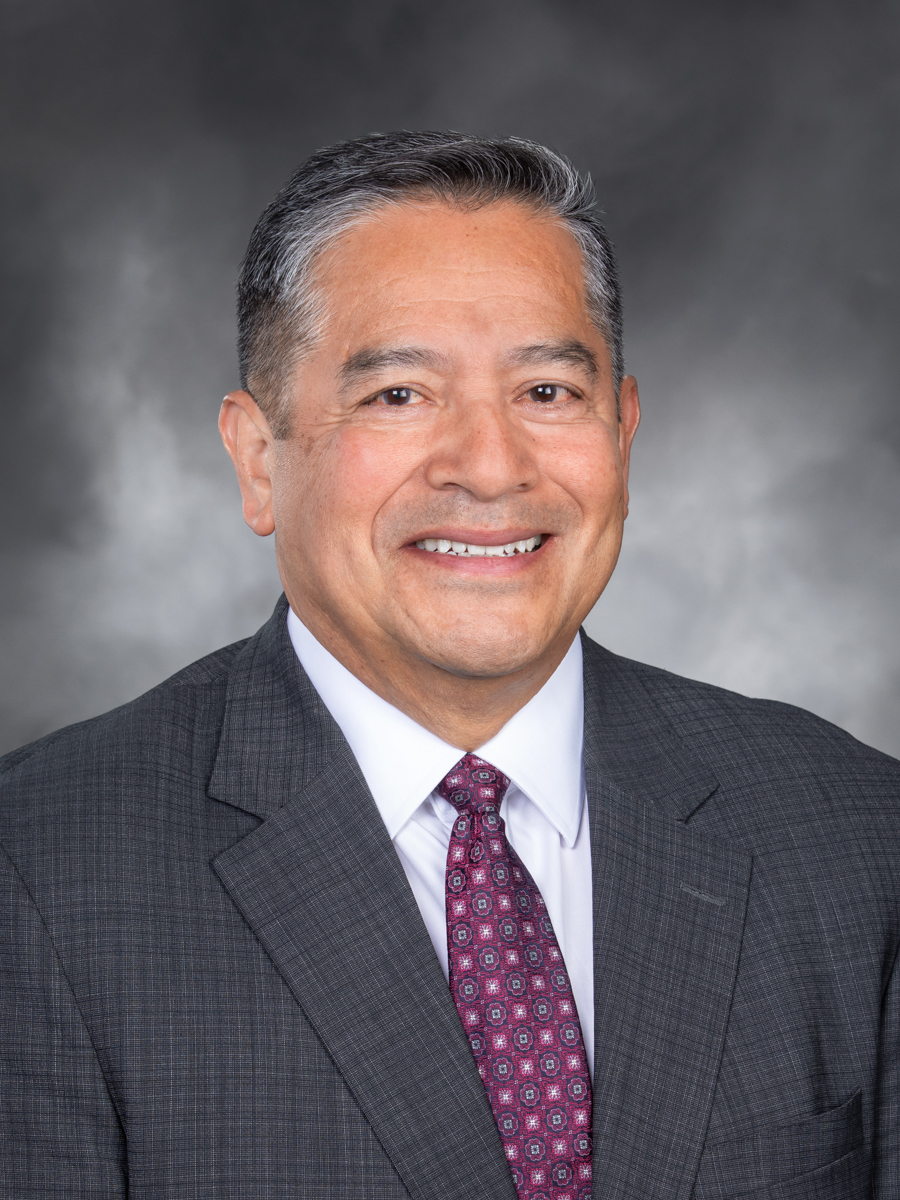
Jesse Salomon
100% support rate
Top opponent
Alex Ybarra
11% support rate
Ranked legislators
10
5 support · 5 oppose
Key legislators

Who's moving renters in Washington

Legislators moving renters in Washington
Legislator Party Stance Support rate Votes
Jesse Salomon
Jesse Salomon Senate · District 32
D
Strong +
100% 11
Kristine Reeves
Kristine Reeves House · District 30
D
Strong +
100% 9
Larry Springer
Larry Springer House · District 45
D
Strong +
100% 9
Osman Salahuddin
Osman Salahuddin House · District 48
D
Strong +
100% 9
David Hackney
David Hackney House · District 11
D
Strong +
100% 6
Alex Ybarra
Alex Ybarra House · District 13
R
Strong −
11% 9
Andrew Barkis
Andrew Barkis House · District 2
R
Strong −
11% 9
Andrew Engell
Andrew Engell House · District 7
R
Strong −
11% 9
April Connors
April Connors House · District 8
R
Strong −
11% 9
Brian Burnett
Brian Burnett House · District 12
R
Strong −
11% 9
Showing 21–30 of 31 bills

All housing bills

in committee · Washington · Senate Jan 12, 2026

SB 5741: Authorizing superior courts to appoint housing court commissioners.

Washington's SB 5741 allows superior courts to appoint housing court commissioners - trained attorneys - to handle eviction cases, addressing a record surge in filings (23,000 as of November 2024) that strains court capacity. The bill directly affects tenants (especially low-income renters, seniors, and communities of color disproportionately impacted by high rents) and landlords by creating a new role to reduce case backlogs. Key provisions require county legislative approval for commissioner positions, mandate specific training on landlord-tenant law, and allow commissioners to process eviction filings, hold hearings, and make recommendations while their decisions remain reviewable by judges. The goal is to improve efficiency in eviction proceedings without replacing the existing right-to-counsel program for eligible tenants.
in committee · Washington · House Jan 12, 2026

HB 2025: Increasing the working families' tax credit to reflect the economic impact of property taxes incorporated into rental amounts charged to residential tenants.

HB 2025 adds a new $300 annual tax credit for low-income renters in Washington who pay sales or use tax. Eligible residents must have rented their primary residence for at least 183 days during the year and meet existing credit requirements. The credit, effective starting in 2026, will be adjusted annually for inflation based on the Seattle consumer price index. This directly supports residential tenants whose rent includes property tax costs, expanding the existing working families' tax credit program.
signed · Washington · House Apr 7, 2025

HB 1094: Providing a property tax exemption for property owned by a qualifying nonprofit organization and loaned, leased, or rented to and used by any government entity to provide character-building, benevolent, protective, or rehabilitative social services.

HB 1094 creates a property tax exemption for nonprofit organizations that loan, lease, or rent property to government entities (like cities, counties, or state agencies) for character-building, benevolent, protective, or rehabilitative social services - such as youth programs, homeless shelters, or community health initiatives. It directly affects qualifying nonprofits that provide these services and government agencies using their facilities. The key provision expands existing tax exemptions by allowing property used by government for these purposes to be exempt, even if owned by a nonprofit. This policy change aims to reduce costs for nonprofits and governments delivering essential community services, effective July 2025.
in committee · Washington · House Jan 12, 2026

HB 1040: Concerning rental income received by people eligible for certain property tax exemption programs.

HB 1040 allows people eligible for Washington’s property tax exemption programs (for seniors or disabled residents) to exclude up to $6,000 annually in rental income from their primary residence when calculating income eligibility for the exemption. This applies only to long-term rentals (not short-term rentals like Airbnb, which must still be reported as taxable income). The bill amends existing tax code to include rental income as part of "combined disposable income" calculations, adjusting how income thresholds are applied. It directly affects low-income homeowners in qualifying exemption programs who rent out space in their primary home.
in committee · Washington · House Jan 12, 2026

HB 1768: Preserving manufactured housing communities by limiting purchases by certain entities.

HB 1768 restricts large corporations and investment firms from purchasing additional manufactured housing communities to prevent displacement of low-income and senior residents. It prohibits business entities owning five or more communities (or 200+ lots) and bans all investment entities from acquiring such properties. The law aims to stop sharp rent hikes and community displacement by limiting corporate ownership, with violations carrying civil penalties up to $100,000 per violation. This directly affects existing manufactured housing communities, where residents often face affordability challenges due to corporate takeovers.
Sub-Topics Renters
signed · Washington · Senate May 7, 2025

SB 5313: Adding to the list of provisions prohibited from rental agreements.

This bill updates Washington state law by adding new provisions that cannot be included in residential rental agreements between landlords and tenants. It prohibits agreements that require tenants to waive their right to join class actions, sign nondisclosure agreements about lease terms, or pay late fees if rent is paid within five days of its due date. The bill also prevents rental agreements from mandating electronic-only rent payments. If a landlord knowingly uses a rental agreement with prohibited provisions, tenants may recover damages and attorney's fees. These changes apply to leases entered into or renewed on or after July 27, 2025.
in committee · Washington · Senate Jan 12, 2026

SB 5082: Creating a housing assistance program for youth enrolled in extended foster care.

SB 5082 creates a state housing assistance program for youth in Washington’s extended foster care system (ages 18-21). It provides rental assistance for up to 36 months (until age 21) to eligible youth who are homeless or at imminent risk of homelessness, capping rent at 30% of their income (max 40% if rent exceeds fair market value). The program ensures youth can access housing support while remaining in foster care, avoiding the current gap where they must exit foster care to qualify for federal housing vouchers. The bill also requires transition planning at age 21 to connect youth with housing, financial, education, and health services. This directly affects approximately 13% of foster youth experiencing homelessness in extended care, as noted in the bill’s findings.
Sub-Topics Homelessness Renters
in committee · Washington · House Jan 12, 2026

HB 1165: Expanding access to the property tax exemption program for seniors, people retired due to disability, and veterans with disabilities.

HB 1165 expands Washington state's property tax exemption program to help seniors, people retired due to disability, and veterans with disabilities keep their homes. The bill creates three income thresholds based on combined disposable income (including certain medical expenses), setting limits at 50%, 60%, and 70% of county median household income for 2024-2026. Homeowners meeting these income thresholds for their primary residence qualify for reduced property taxes, with thresholds adjusted every three years. This directly affects eligible residents who own or rent their primary home and meet the income criteria.
in committee · Washington · House Jan 12, 2026

HB 1915: Strengthening tenant protections.

HB 1915 strengthens tenant protections by restricting no-cause evictions and setting specific notice requirements for landlords. It mandates 60 days' written notice for ending 6-12 month leases without cause, and requires 30 days' notice for nonpayment evictions in "covered" housing (federally assisted properties or those with federally backed mortgages). Tenants in these properties can defend against evictions if landlords failed to maintain habitable conditions, with courts able to award damages and attorney fees. The bill directly affects renters in Washington State, particularly those in subsidized housing, by limiting landlord flexibility and reinforcing habitability standards.
in committee · Washington · Senate Jan 12, 2026

SB 5731: Creating a tenant assistance program.

SB 5731 creates a state-funded tenant assistance program in Washington to help households struggling with high housing costs. It provides financial aid to renters earning up to 80% of their county's median income who spend more than 30% of their income on housing, with priority for those earning ≤60% of median income or receiving Supplemental Security Income. The program offers up to $400 monthly in assistance (capped at reducing housing costs to 30% of income) for up to 12 consecutive months per household. The program expires June 30, 2032, and requires annual reports on its impact.
Showing 21 to 30 of 31 bills
Previous 1 2 3 4 Next