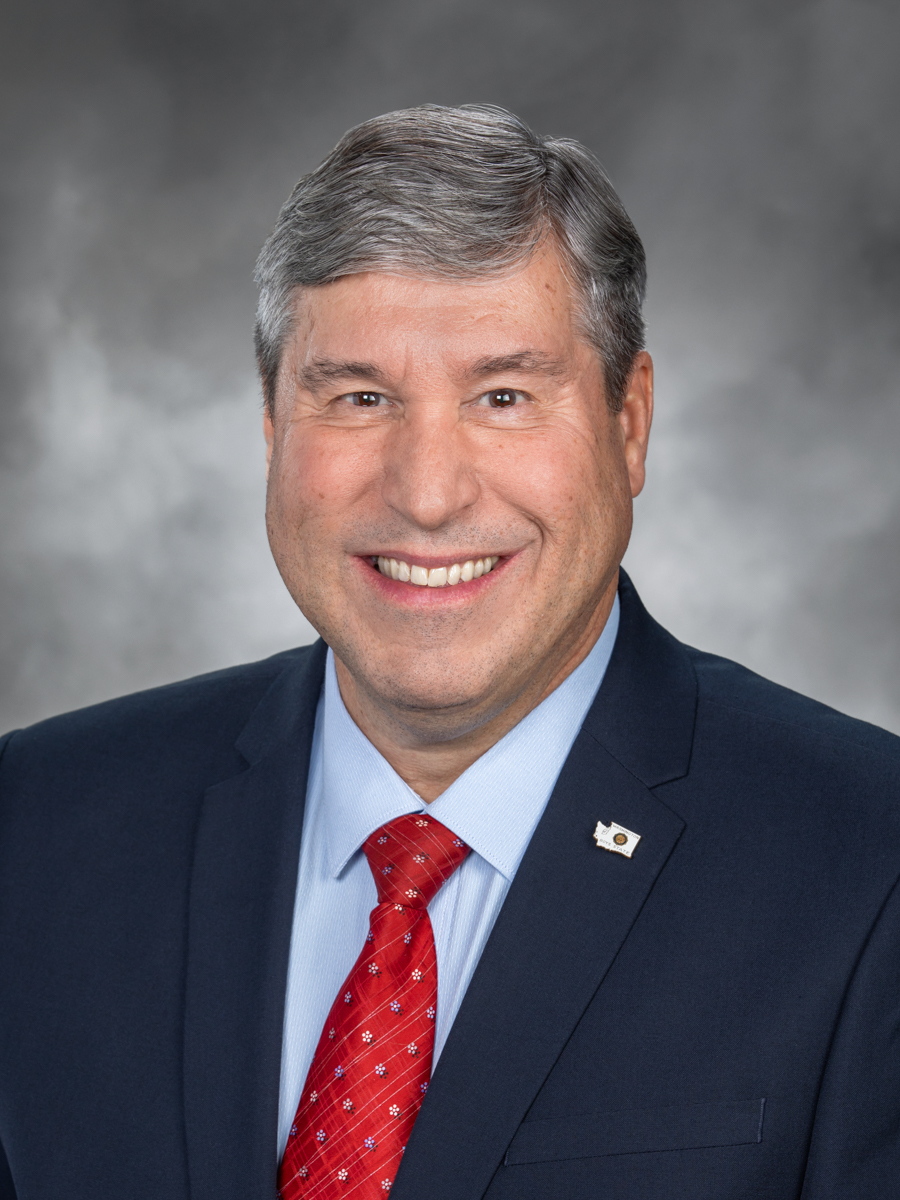
SB 5686 expands and funds the existing foreclosure mediation program, directly affecting homeowners facing foreclosure and unit owners (like those in condominiums or HOAs) facing delinquency for past-due assessments. It broadens the definition of residential real property to include properties with up to four units, bringing more individuals under the program's scope. The bill outlines housing counselors' duties to assist both borrowers and unit owners in good faith to reach resolutions with lenders or associations. It also clarifies that referrals to mediation can occur up to 90 days before a trustee's sale, or 25 days before an amended sale date.
SB 5232 updates the Essential Needs and Housing Support (ENHS) program in Washington State, impacting individuals eligible for these services and the entities that provide them. The bill allows designated support entities to use funds more flexibly to provide essential needs items and housing support to recipients. A significant change is the allowance of direct cash assistance, including through debit cash cards, when identified in a client's housing stability plan, removing a prior restriction. It also expands eligibility to include certain low or extremely low-income elderly or disabled adults transitioning off other benefits. Additionally, the bill aligns the administration rate for ENHS entities with other programs funded by the home security fund.
SB 5662 allows municipal utilities to waive connection charges for properties developed by certain non-profit organizations, public authorities, or local agencies that provide emergency shelter, transitional housing, permanent supportive housing, or affordable housing. Generally, these waivers must be funded by general funds, grants, or other identified revenue streams. However, in large counties east of the Cascade mountains, waivers can be granted without explicit funding if the developer records a covenant. This covenant restricts the property's use to the specified affordable housing purposes and requires repayment of the waived charges if the property's use changes or no longer meets eligibility requirements.
House Bill 1774 allows the Washington State Department of Transportation (WSDOT) to consider social, environmental, or economic benefits when determining lease terms for unused highway land. This applies when WSDOT leases property to public agencies, tribes, historical societies, or community-based nonprofit organizations for specific "community purposes." These purposes include providing housing, shelter programs, parks, public recreation, salmon habitat restoration, or public transportation uses. The bill outlines factors for WSDOT to evaluate such lease agreements and requires lessees to maintain the property and use it solely for the designated community purpose. WSDOT must also provide annual reports to the legislature on these active lease agreements.
HB 1491, "Promoting transit-oriented housing development," aims to increase housing options and density near public transportation throughout Washington state. The bill directs cities planning under the Growth Management Act to align their land use policies with transit infrastructure development. It does this by amending various state laws and introducing new definitions for housing types, such as "cottage housing" and "courtyard apartments," and clarifying "affordable housing." This legislation seeks to maximize state investments in mass transit by fostering the creation of vibrant, walkable, and accessible communities that include diverse housing options.
This bill updates Washington state law by adding new provisions that cannot be included in residential rental agreements between landlords and tenants. It prohibits agreements that require tenants to waive their right to join class actions, sign nondisclosure agreements about lease terms, or pay late fees if rent is paid within five days of its due date. The bill also prevents rental agreements from mandating electronic-only rent payments. If a landlord knowingly uses a rental agreement with prohibited provisions, tenants may recover damages and attorney's fees. These changes apply to leases entered into or renewed on or after July 27, 2025.
HB 1217 aims to improve housing stability for tenants in Washington state, applying to those under the residential landlord-tenant act and the manufactured/mobile home landlord-tenant act. It limits combined rent and fee increases to no more than seven percent within any 12-month period after the initial year of a tenancy, though some exemptions may apply. The bill also requires landlords to provide notice for increases, places limits on various fees and deposits, and allows tenants to terminate their lease if an increase is unlawful. Additionally, it establishes a landlord resource center and authorizes the Attorney General to enforce its provisions, providing specific remedies for tenants in cases of violation.
Senate Bill 5184 limits the minimum parking requirements that cities and code cities in Washington state can impose on new construction projects. It caps required parking at 0.5 spaces per multifamily dwelling unit, one space per single-family home, and two spaces per 1,000 square feet of commercial space. The bill also eliminates all minimum parking requirements for specific categories, such as affordable housing, senior housing, child care centers, and smaller residential or commercial spaces. These changes directly affect developers, residents, and local governments, though cities with populations of 30,000 or less are exempt, and exceptions can be made for safety concerns or areas near major airports.
House Bill 1177 concerns the child welfare housing assistance program, which aims to reduce the need for foster care placement and shorten the time children spend in out-of-home care. The program provides housing vouchers, rental assistance, navigation, and support services to eligible families. These families include parents whose children are dependent and whose lack of appropriate housing is a barrier to reunification, or whose housing instability puts their child at risk of foster care. The department administers the program, often contracting with outside entities, in counties both east and west of the Cascade mountain range.
House Bill 1494 modifies existing property tax exemptions for new and rehabilitated multiple-unit dwellings in urban centers. The bill clarifies definitions related to "affordable housing" and the population requirements for cities to qualify for these exemptions. A key provision expands the definition of "rehabilitation improvements" to include modifications to occupied buildings that increase the number of multi-family housing units. These changes do not extend the duration of the exemptions or expand them to include conversions of market-rate buildings to affordable housing. The bill primarily affects property owners, developers, and residents involved with multi-unit housing projects in designated urban areas.