Issue · Environment

Environment (Water Quality)

Every environment bill, vote, and legislator stance in Washington, automatically classified by Maddy, our AI policy reader.

Total bills
16
2025-2026 Regular Session
Top supporter
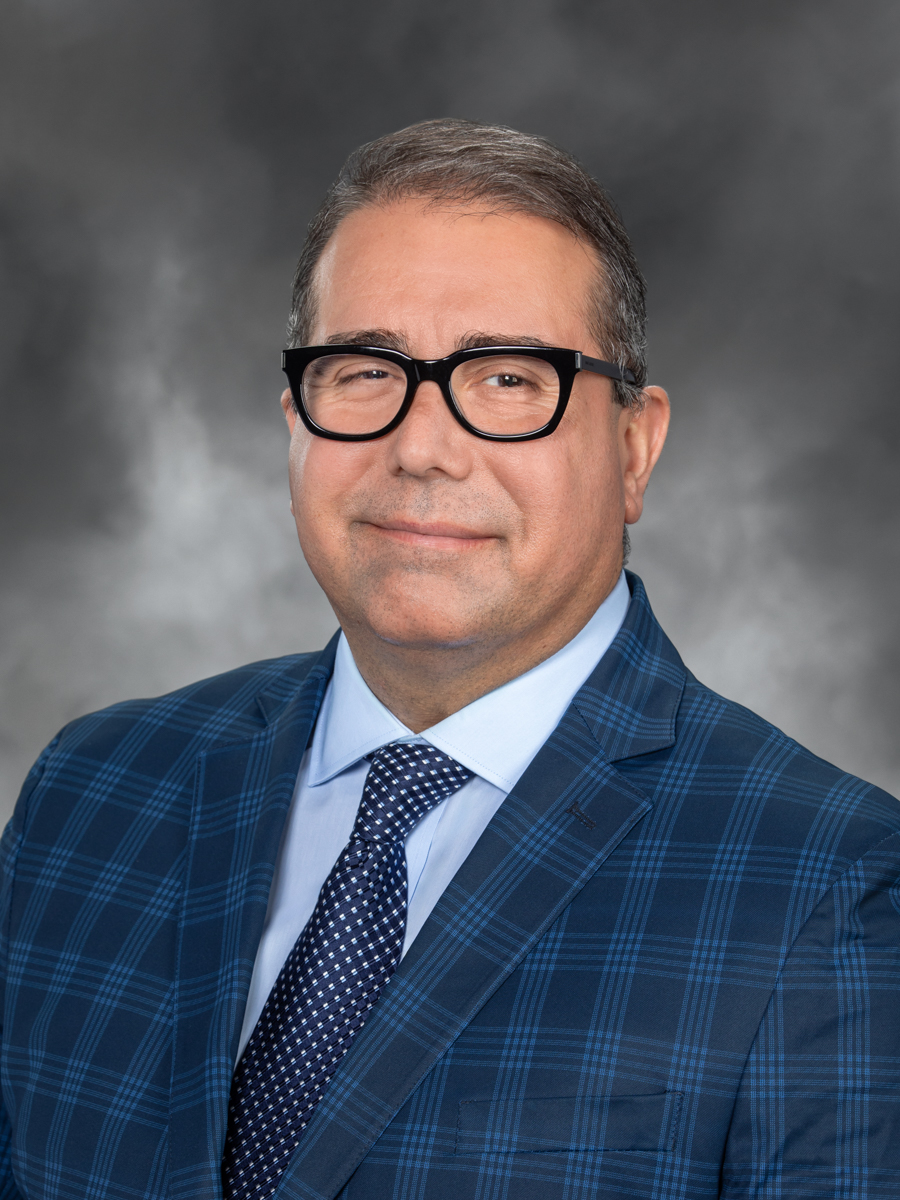
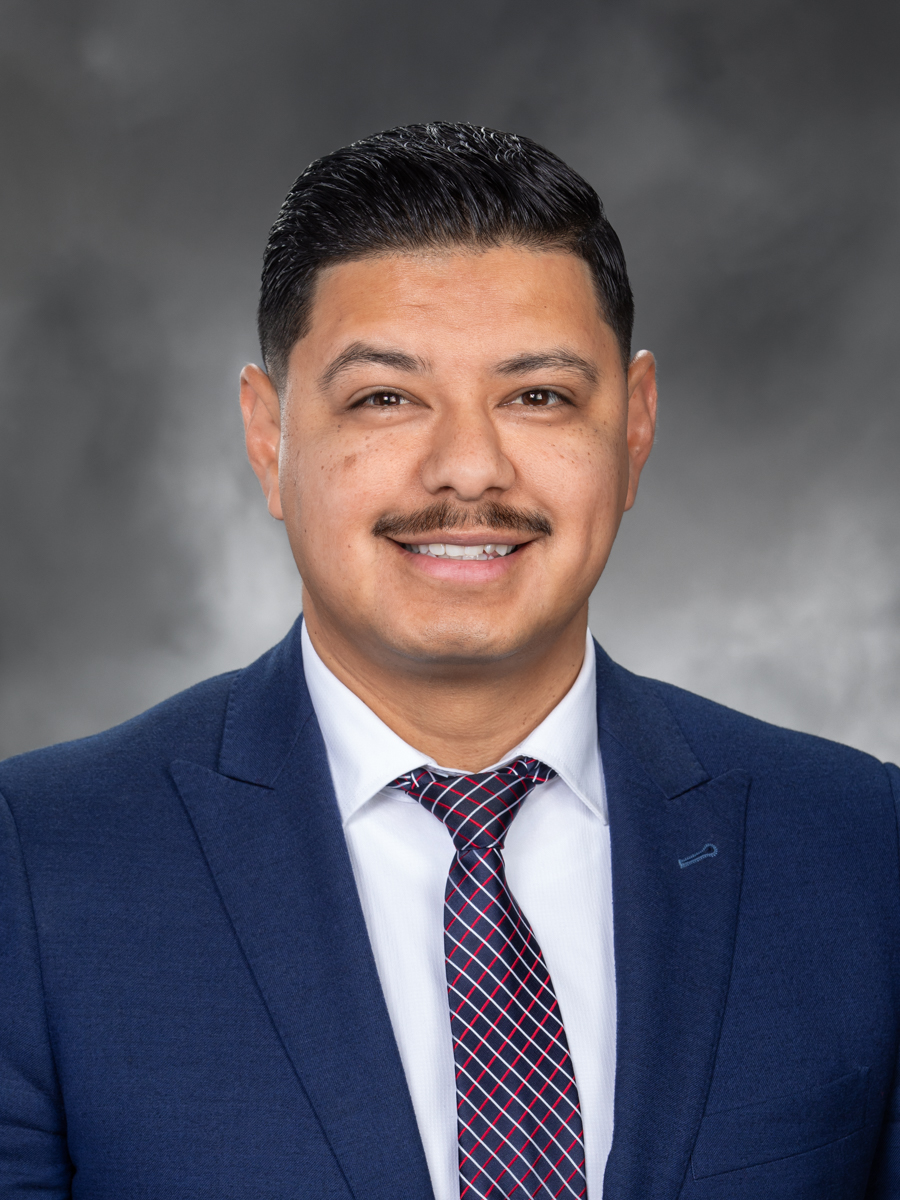
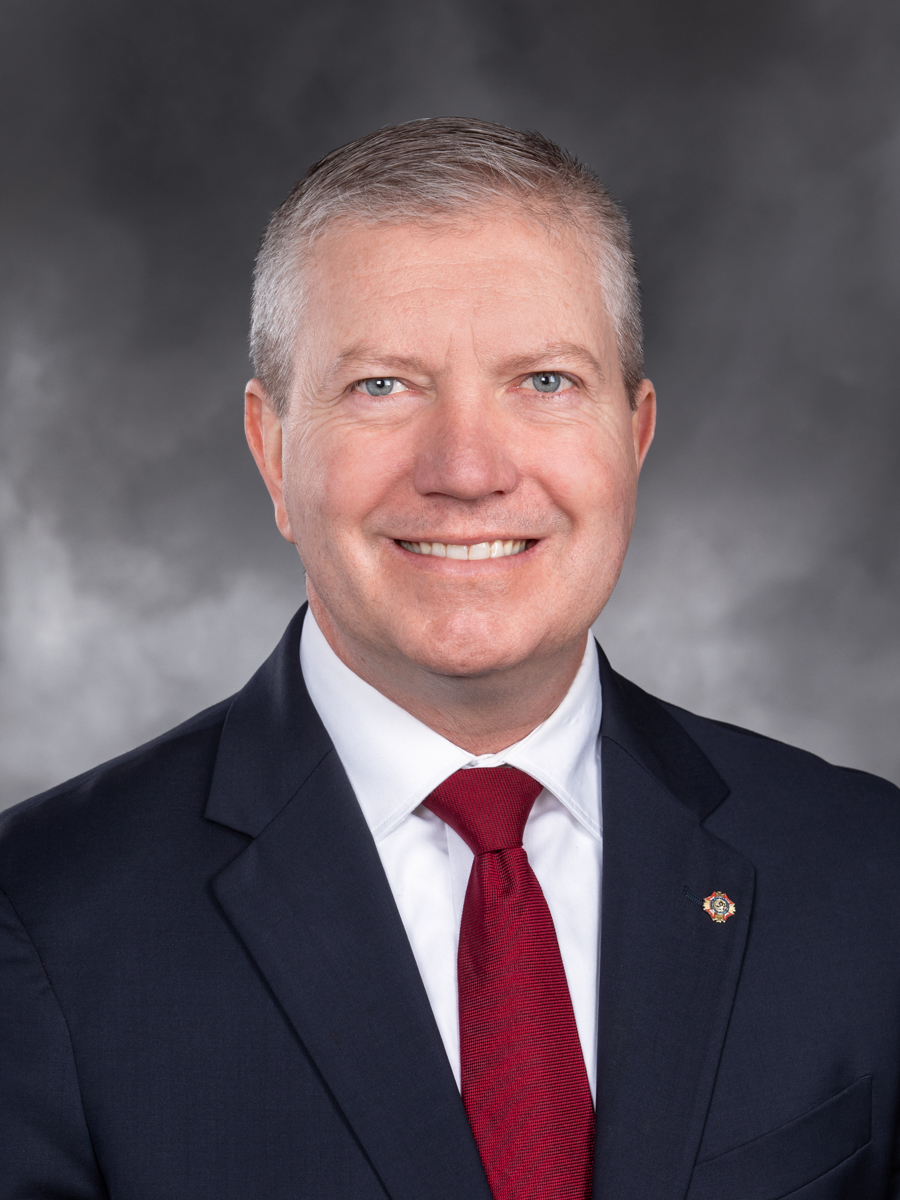
Adrian Cortes
100% support rate
Top opponent
Chris Gildon
0% support rate
Ranked legislators
10
5 support · 5 oppose
Key legislators

Who's moving water quality in Washington

Legislators moving water quality in Washington
Legislator Party Stance Support rate Votes
Adrian Cortes
Adrian Cortes Senate · District 18
D
Strong +
100% 5
Julio Cortes
Julio Cortes House · District 38
D
Strong +
100% 5
Annette Cleveland
Annette Cleveland Senate · District 49
D
Strong +
100% 3
Bob Hasegawa
Bob Hasegawa Senate · District 11
D
Strong +
100% 3
Claire Wilson
Claire Wilson Senate · District 30
D
Strong +
100% 3
Chris Gildon
Chris Gildon Senate · District 25
R
Strong −
0% 3
Drew MacEwen
Drew MacEwen Senate · District 35
R
Strong −
0% 3
Jeff Holy
Jeff Holy Senate · District 6
R
Strong −
0% 3
Jim McCune
Jim McCune Senate · District 2
R
Strong −
0% 3
John Braun
John Braun Senate · District 20
R
Strong −
0% 3
Showing 1–10 of 16 bills

All environment bills

in committee · Washington · House Jan 12, 2026

HB 2358: Considering critical aquifer recharge areas when revising an urban growth area.

HB 2358 requires counties to consider critical aquifer recharge areas (areas that replenish groundwater) when revising urban growth areas (UGAs), which are designated zones for future development. This directly affects counties and cities with UGAs needing boundary revisions under Washington's growth management laws. The key provision mandates that any expansion of UGAs must avoid encroaching on critical aquifer recharge zones, protecting groundwater sources from development pressure. Counties must ensure revisions comply with this requirement during their scheduled plan reviews.
Sub-Topics Water Quality
passed · Washington · House Mar 12, 2026

HB 2343: Protecting the public from water quality impacts of publicly owned or operated game farms.

HB 2343 requires publicly owned game farms in Washington (like those operated by the Department of Fish and Wildlife) to obtain water quality permits under the state's concentrated animal feeding operation (CAFO) program, which they currently avoid. It mandates these facilities to implement specific manure pollution prevention plans, groundwater monitoring, and reporting protocols - similar to private farms - when housing over 5,000 game birds. The bill explicitly includes pheasants and similar game birds in CAFO regulations and ensures public facilities meet the same water quality standards as private operations to prevent nitrate contamination of drinking water wells. This aligns public game farm management with existing environmental protections for private agricultural operations.
in committee · Washington · House Feb 3, 2026

HB 2267: Concerning urban forest management ordinances.

HB 2267 requires Washington's Department of Commerce to create voluntary model ordinances for local governments to manage urban tree canopy. It directs cities and counties to prioritize avoiding tree removal (especially for single-family homes), minimizing impacts when removal is needed, and compensating through replanting or tree banks for larger developments (two+ homes). The model includes incentives like density bonuses, reduced parking requirements, or lower lot size rules to encourage developers to retain trees without limiting housing. Local governments can choose to adopt these models, which also provide guidance on scientific tree selection, cost estimates for maintenance, and measuring benefits like stormwater reduction. The bill does not mandate adoption but aims to standardize tree protection while balancing development needs.
Sub-Topics Forestry Water Quality
signed · Washington · House Mar 25, 2026

HB 2251: Concerning climate commitment act accounts.

HB 2251 creates a dedicated state account for climate funds generated by auctioning emissions allowances under Washington's Climate Commitment Act. The bill specifies that these funds must be used for concrete climate action programs, including reducing emissions across sectors (buildings, agriculture, industry), expanding clean energy projects, supporting environmental justice in overburdened communities (requiring at least 25% of funds for these areas), and assisting fossil fuel workers transitioning to clean energy jobs. It prohibits using these funds to replace existing state programs and mandates spending only on approved climate initiatives like wildfire-resilient forests, electric vehicle infrastructure, and clean water projects that address climate impacts. The bill directly affects state climate programs, tribal governments, and low-income communities through targeted funding streams.
in committee · Washington · Senate Jan 13, 2026

SB 6088: Protecting the public from water quality impacts of publicly owned or operated game farms.

SB 6088 requires publicly owned game farms (like those operated by Washington's Department of Fish and Wildlife) to obtain permits under the state's concentrated animal feeding operation (CAFO) program, which they were previously exempt from. This applies specifically to facilities raising pheasants or similar game birds, now explicitly included in CAFO regulations. The bill mandates these public facilities to implement manure management plans with runoff controls, dead animal protocols, and groundwater monitoring to prevent nitrate pollution in drinking water wells. It directly affects state-run game farms by aligning their environmental regulations with private agricultural operations to protect public water quality.
in committee · Washington · Senate Jan 20, 2026

SB 6119: Concerning 6PPD and regrettable 6PPD substitutes in tires.

Washington's SB 6119 bans the use of 6PPD (a chemical in tires that breaks down into toxic 6PPD-quinone) and "regrettable substitutes" in tires sold or distributed in the state by January 1, 2035. It requires tire distributors to pay a temporary fee for tires containing 6PPD while the industry develops safer alternatives, and prohibits any "regrettable substitute" not verified as safer by the Department of Ecology. The bill directly affects tire manufacturers, distributors, and retailers, aiming to protect salmon and other aquatic species by reducing toxic tire wear particles in waterways. This policy change aligns with Washington's goals for salmon recovery and reducing stormwater pollution from tire chemicals.
Sub-Topics Water Quality
in committee · Washington · Senate Jan 12, 2026

SB 5896: Modifying the standards for determining water quality pollution.

SB 5896 amends Washington State's water pollution law (RCW 90.48.080) by removing the phrase "or tend to cause" from the definition of unlawful discharges. This change requires that pollution be actual, not merely potential, to violate the law. The bill directly affects businesses, industries, and anyone discharging organic or inorganic matter into state waters. The bill was prefaced in December 2025 and referred to the Environment, Energy & Technology committee for review.
Sub-Topics Water Quality
in committee · Washington · House Jan 12, 2026

HB 1690: Assessing the state's existing water and sewer systems.

HB 1690 requires Washington's Department of Ecology and Department of Health to jointly conduct a comprehensive assessment of the state's water and sewer systems by June 2027. The assessment will identify critical infrastructure gaps, analyze upgrade costs, and evaluate funding options to address issues like aging systems, septic maintenance challenges, and water quality concerns affecting public health. It directly impacts local governments, water utilities, and residents in communities facing infrastructure limitations, particularly in urban growth areas and small towns. The bill mandates gathering data from cities, counties, health boards, and utilities to inform recommendations for protecting environmental resources and supporting economic development. This assessment aims to provide a data-driven foundation for future investments in water and sewer infrastructure.
in committee · Washington · House Jan 12, 2026

HB 1678: Providing funding for enhanced wastewater treatment infrastructure for salmon recovery.

HB 1678 imposes a 10-cent fee per gallon on municipal wastewater treatment plants and combined sewer systems discharging untreated sewage into Puget Sound or connected waterways. The funds collected will be deposited into a dedicated account to provide grants for municipalities to upgrade infrastructure that removes excess nutrients from discharges. This aims to improve water quality by reducing nutrient pollution that harms salmon habitats and causes low-oxygen conditions in Puget Sound. The bill directly affects municipal wastewater systems within the Puget Sound watershed and requires annual reporting on untreated sewage discharges.
Sub-Topics Water Quality
in committee · Washington · House Jan 12, 2026

HB 1290: Improving climate resiliency through the development of a water quality trading program for recipients of national pollutant discharge elimination system general permits.

HB 1290 creates a water quality trading program for businesses and municipalities holding federal pollution permits (NPDES permits) that are not meeting temperature pollution limits in specific waterways. The bill requires Washington’s Department of Ecology to offer these permittees a market-based system to trade pollution reduction credits - such as by improving urban infrastructure - to meet compliance requirements. It specifically encourages projects addressing urban heat islands, like green spaces or reflective surfaces, as part of the trading incentives. This program directly affects entities subject to NPDES permits in watersheds with established temperature pollution limits. The law amends existing state water quality regulations to implement this trading mechanism, focusing on practical compliance solutions.
Sub-Topics Water Quality
Showing 1 to 10 of 16 bills
1 2 Next