Issue · Environment

Environment (Recycling)

Every environment bill, vote, and legislator stance in Washington, automatically classified by Maddy, our AI policy reader.

Total bills
31
2025-2026 Regular Session
Top supporter
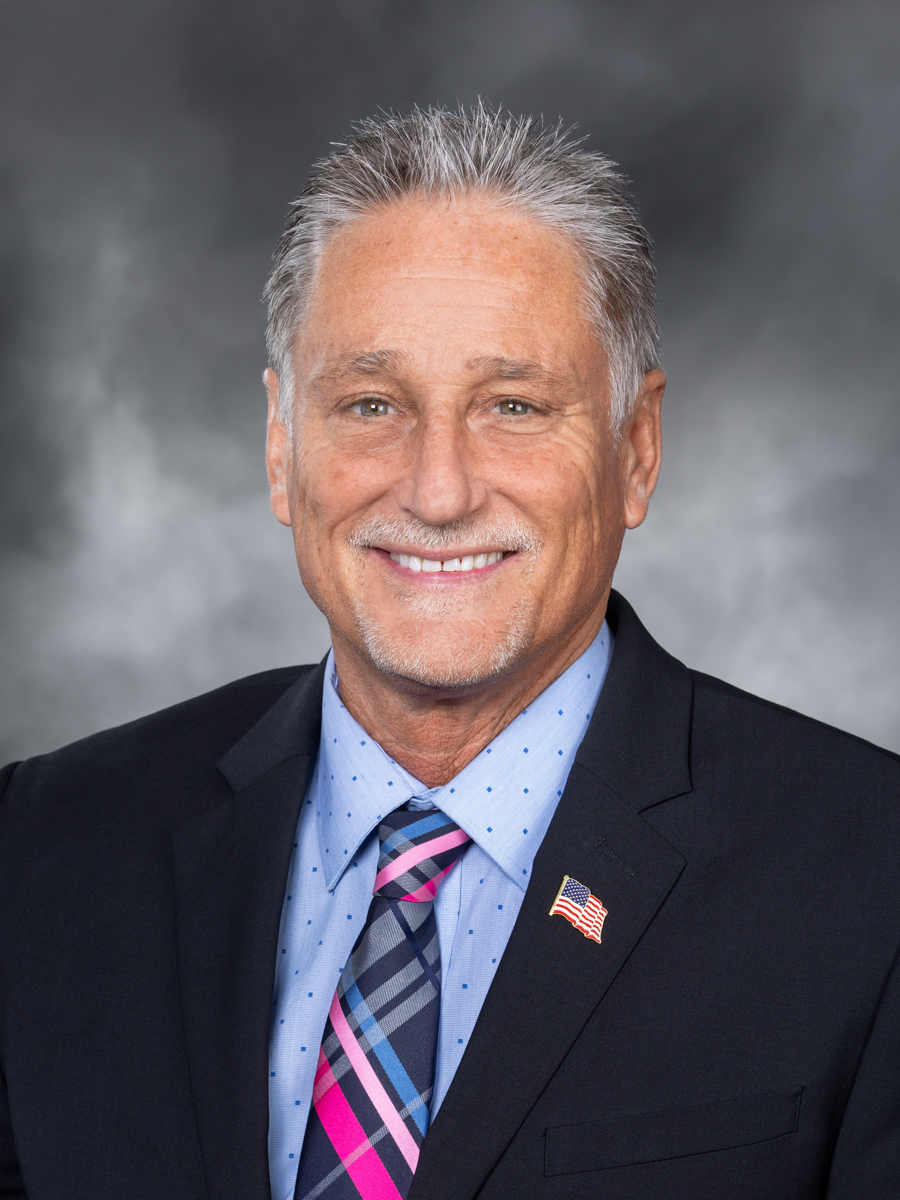
Clyde Shavers
100% support rate
Top opponent
Curtis King
0% support rate
Ranked legislators
10
5 support · 5 oppose
Key legislators

Who's moving recycling in Washington

Legislators moving recycling in Washington
Legislator Party Stance Support rate Votes
Clyde Shavers
Clyde Shavers House · District 10
D
Strong +
100% 23
Annette Cleveland
Annette Cleveland Senate · District 49
D
Strong +
100% 4
Bob Hasegawa
Bob Hasegawa Senate · District 11
D
Strong +
100% 4
Claire Wilson
Claire Wilson Senate · District 30
D
Strong +
100% 4
Derek Stanford
Derek Stanford Senate · District 1
D
Strong +
100% 4
Curtis King
Curtis King Senate · District 14
R
Strong −
0% 4
Drew MacEwen
Drew MacEwen Senate · District 35
R
Strong −
0% 4
Jeff Holy
Jeff Holy Senate · District 6
R
Strong −
0% 4
Jeff Wilson
Jeff Wilson Senate · District 19
R
Strong −
0% 4
Jim McCune
Jim McCune Senate · District 2
R
Strong −
0% 4
Showing 1–10 of 31 bills

All environment bills

in committee · Washington · House Jan 19, 2026

HB 2284: Reducing litter.

HB 2284 creates a state task force to develop recommendations for reducing litter in Washington, requiring input from agencies like Ecology, Transportation, and industry groups (including retailers, tourism, and beverage producers). It directly affects retail businesses by amending carryout bag rules: banning single-use plastic bags, requiring paper bags to contain 40% recycled content, and imposing fees (8-12 cents) for paper or thin plastic reusable bags. The bill also mandates that reusable plastic bags meet specific durability standards (125 uses) and recycled content requirements (20% until 2022). The task force must submit final recommendations by November 2027, focusing on reducing litter at public sites and addressing common litter types like cigarette butts.
Sub-Topics Recycling
in committee · Washington · House Jan 15, 2026

HB 2233: Reducing environmental impacts associated with bags provided to customers at retail establishments.

Washington State's HB 2233 prohibits retail stores from providing single-use plastic carryout bags made of film plastic (under 10 mils thick) starting January 1, 2021. Instead, stores must offer compliant paper bags containing recycled content or nonwood renewable fiber (like wheat straw), with a pass-through charge for these bags to encourage reusable bag use - exempting customers using state assistance programs. The bill directly affects retail establishments (including grocery stores, farmers markets, and online vendors) and their customers who purchase bags. Its goal is to reduce plastic waste, litter, marine pollution, and resource burdens by shifting to more sustainable bag options.
Sub-Topics Recycling
in committee · Washington · Senate Jan 15, 2026

SB 6156: Concerning postconsumer recycled content requirements for plastic products.

SB 6156 requires minimum levels of postconsumer recycled content (PCRC) in specific plastic products: trash bags, household cleaning and personal care product containers, and beverage containers. It directly affects manufacturers of these products, with exemptions for items like food-contact packaging, medical products, and hazardous material containers. The bill includes a small business exemption for producers with under $5 million in annual revenue (adjusted for inflation) and aims to reduce plastic waste while strengthening the recycled plastics market. Key provisions set environmental goals by decreasing virgin plastic use and supporting recycling infrastructure, without specifying exact recycled content percentages.
in committee · Washington · Senate Jan 22, 2026

SB 6273: Concerning accountability for waste tire removal funds.

SB 6273 requires Washington’s Department of Ecology to publicly list all known unauthorized tire piles on its website, including location, duration, tire count, environmental risks, and cleanup timelines. It mandates the department to report annual tire recycling rates, authorized storage sites, and state/local cleanup efforts funded by a $5-per-tire fee (increased from $1 in 2025). The law aims to increase transparency about waste tire cleanup priorities and fund allocation for communities with the most severe tire pile problems. This directly affects the public, legislators, and local governments seeking to address tire waste through accessible data.
Sub-Topics Recycling
in committee · Washington · House Feb 9, 2026

HB 2301: Concerning extended producer responsibility requirements associated with paint.

HB 2301 requires paint manufacturers in Washington to manage leftover architectural paint (interior/exterior paint sold in 5-gallon containers or less) through a statewide stewardship program. The bill mandates manufacturers to develop programs focused on reducing waste, promoting reuse, recycling, and proper disposal of leftover paint, following a specific waste hierarchy (reduce > reuse > recycle > disposal). Paint retailers may voluntarily collect leftover paint, and a "stewardship assessment" fee would be added to paint purchases to fund the program, shifting disposal costs from local governments to producers. This directly affects paint manufacturers and consumers purchasing architectural paint, while aiming to reduce landfill waste and environmental risks.
in committee · Washington · Senate Feb 4, 2026

SB 6271: Concerning mattress producer responsibility organizations.

SB 6271 requires mattress producers (including brands, manufacturers, and importers) in Washington State to fund and manage recycling programs for discarded mattresses, shifting responsibility from taxpayers to the industry. The bill mandates that producers join or create a "producer responsibility organization" (PRO) that implements a stewardship program following a priority hierarchy: waste prevention, reuse, recycling, and then other disposal methods only after higher options are exhausted. The PRO must track mattresses from collection to final disposition, maintain detailed records, ensure worker safety, and use environmentally sound practices like separating recyclable materials (metal, foam, wood) instead of landfilling. This law directly affects mattress producers, distributors, and recyclers, aiming to reduce landfill use (currently 95% of mattresses) and illegal dumping by increasing recycling rates.
in committee · Washington · Senate Feb 4, 2026

SB 6174: Establishing producer responsibility for textiles.

SB 6174 requires textile brands and manufacturers selling apparel in Washington to fund and manage the end-of-life recycling and reuse of their products. It directly affects most clothing, footwear, and accessory brands introduced in the state (excluding small businesses with under $1 million annual global turnover, PPE, and secondhand items), making them responsible for creating collection systems. Key provisions include establishing producer responsibility organizations to handle collection, sorting, and recycling through designated sites or mail-back programs, while prioritizing repair and reuse to reduce landfill waste. The bill amends state codes to implement this system, setting penalties for noncompliance.
in committee · Washington · House Jan 22, 2026

HB 2633: Concerning mattress producer responsibility organizations.

HB 2633 requires mattress producers (including brands, manufacturers, and importers) to fund and manage recycling programs for discarded mattresses in Washington State through designated "producer responsibility organizations" (PROs). The bill creates a recycling system prioritizing reuse and recycling over landfill disposal, mandating PROs to track mattress collection, document environmental management practices, and ensure recyclers follow safety and documentation standards. It directly affects mattress producers, recyclers, and local waste management systems by shifting the financial and operational responsibility for mattress end-of-life handling from taxpayers to the industry. The law revises state recycling laws to reduce landfill waste, illegal dumping, and environmental harm while promoting recycling jobs.
in committee · Washington · House Feb 9, 2026

HB 2271: Concerning postconsumer recycled content requirements for plastic products.

HB 2271 requires manufacturers to include minimum levels of postconsumer recycled content in specific plastic products, directly affecting producers of plastic trash bags, household cleaning and personal care product containers, and plastic beverage containers. The bill sets phased-in requirements (starting in 2027 for some products) for recycled content, with exemptions for items like medical packaging, food contact materials, and small businesses (under $5 million revenue). It aims to reduce virgin plastic use, lower greenhouse gas emissions from plastic production, and strengthen the recycled plastics market by creating stable demand. The law excludes certain products under federal preemption and specifically defines covered items to avoid overlapping with existing regulations.
in committee · Washington · Senate Feb 23, 2026

SB 5965: Reducing environmental impacts associated with bags provided to customers at retail establishments.

Washington State's SB 5965 prohibits retail establishments from providing single-use plastic carryout bags (film plastic under 10 mils) starting January 1, 2021. Instead, retailers must charge customers for compliant paper bags (made with recycled content or nonwood renewable fiber) and encourage reusable bags. The bill directly affects all retail businesses selling goods to customers, including grocery stores, pharmacies, and temporary vendors like farmers markets. It aims to reduce plastic waste, litter, and marine pollution by shifting to more sustainable bag options while requiring specific environmental standards for paper bags.
Sub-Topics Recycling
Showing 1 to 10 of 31 bills
1 2 3 4 Next