SB 5965 Washington Senate · 2025-2026 Regular Session

Reducing environmental impacts associated with bags provided to customers at retail establishments.

Washington State's SB 5965 prohibits retail establishments from providing single-use plastic carryout bags (film plastic under 10 mils) starting January 1, 2021. Instead, retailers must charge customers for compliant paper bags (made with recycled content or nonwood renewable fiber) and encourage reusable bags. The bill directly affects all retail businesses selling goods to customers, including grocery stores, pharmacies, and temporary vendors like farmers markets. It aims to reduce plastic waste, litter, and marine pollution by shifting to more sustainable bag options while requiring specific environmental standards for paper bags.
Bill status in committee 1 of 4 stages cleared
Introduction
Jan 2026
Committee Review
Floor Vote
Governor
Introduced Jan 5, 2026 Last action Feb 23, 2026
Maddy AI version diff · 2 comparisons

What changed between versions

Bill Substitute Bill · 8 edits
MODERATE
This bill updates the definitions and rules for carryout bags in Washington State, primarily to clarify what bags are excluded from regulations and to adjust fees and compliance dates. It matters because it changes how retailers must charge customers for bags and what types of bags they can sell or provide.
Scope change
The bill expands the definition of excluded bags to include specific handleless bags for bulk items, damp goods, and prepared foods, and adds a new definition for 'restaurants.' It also clarifies that food banks are not retail establishments for bag ban purposes.
DEFINITION

Added a new definition for 'restaurant' and renumbered the list of excluded items to include specific handleless bags for bulk, damp, and prepared foods.

REQUIREMENT

Changed the required recycled content for compliant paper bags from 40% postconsumer material to a combination of 40% postconsumer material and 40% nonwood renewable fiber.

Updated the thickness requirement for reusable paper bags to 2.25 mils until 2027, then 4 mils, and removed the requirement to print the mil thickness on the bag exterior.

Reduced the pass-through charge for compliant paper bags from 20 cents to 8 cents until December 31, 2025, and set the charge for reusable film plastic bags at 12 cents starting January 1, 2026.

Added a 4-cent penalty for reusable film plastic bags with a thickness of 4 mils or greater until December 31, 2027.

ELIGIBILITY

Clarified that food banks and other food assistance programs are not considered retail establishments under the bag ban.

ENFORCEMENT

Removed penalties for manufacturers and distributors of non-compliant bags, leaving only penalties for retail establishments.

TIMELINE

Adjusted the effective date for the ban on single-use plastic carryout bags to January 1, 2021, and updated the timeline for reusable film plastic bag thickness requirements.

Floor votes

How they voted

No floor votes recorded yet.
Full legislative history

Actions timeline

Total actions
17
Key actions
10
Committee
12
Feb 19, 2026
Upper · Passed
Minority; without recommendation.
upper
Feb 19, 2026
Upper · Passed
Minority; do not pass.
upper
Feb 19, 2026
Upper · Passed
Executive action taken in the Senate Committee on Ways & Means at 4:00 PM.
upper
Feb 9, 2026
Upper · Passed
Executive session scheduled, but no action was taken in the Senate Committee on Ways & Means at 10:30 AM.
upper
Feb 5, 2026
Upper · Passed
Public hearing in the Senate Committee on Ways & Means at 1:30 PM.
upper
Feb 2, 2026
Committee
Referred to Ways & Means.
upper
Jan 30, 2026
Upper · Passed
Minority; without recommendation.
upper
Jan 30, 2026
Upper · Passed
Minority; do not pass.
upper
Jan 30, 2026
Committee
And refer to Ways & Means.
upper
Jan 30, 2026
Upper · Passed
Executive action taken in the Senate Committee on Environment, Energy & Technology at 10:30 AM.
upper
Jan 23, 2026
Upper · Passed
Executive session scheduled, but no action was taken in the Senate Committee on Environment, Energy & Technology at 10:30 AM.
upper
Jan 14, 2026
Upper · Passed
Public hearing in the Senate Committee on Environment, Energy & Technology at 8:00 AM.
upper
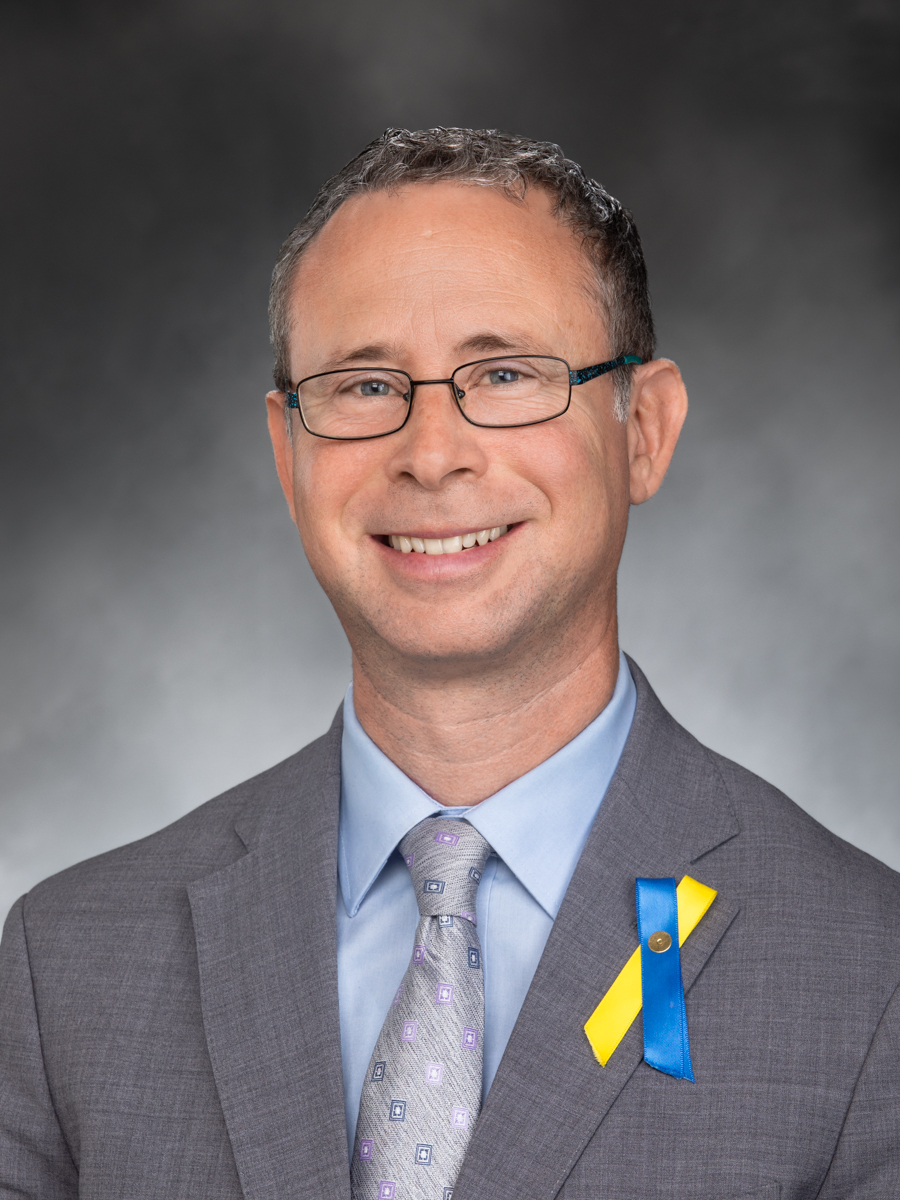
1 primary · 2 co-sponsors

Sponsors