Issue · Environment

Environment

Every environment bill, vote, and legislator stance in Washington, automatically classified by Maddy, our AI policy reader.

Total bills
297
2025-2026 Regular Session
Top supporter
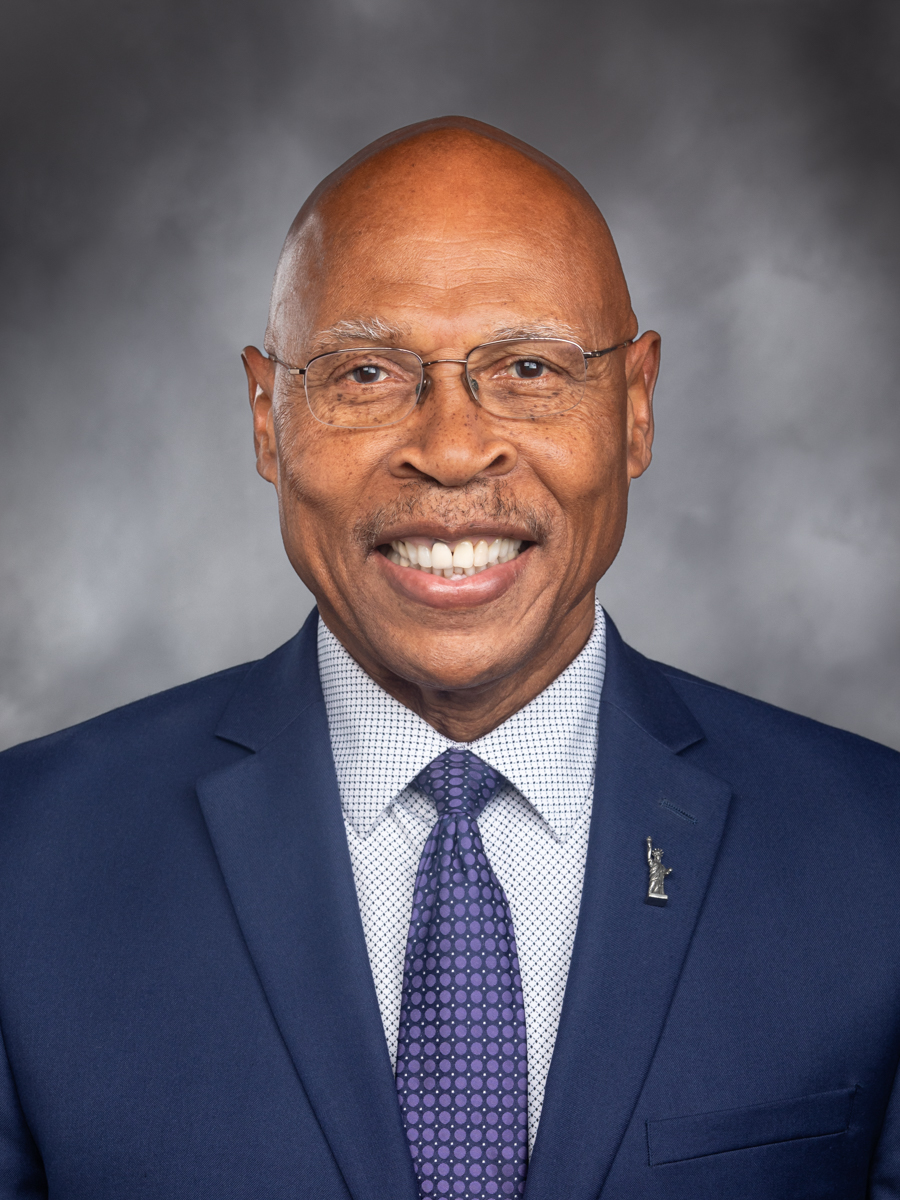
Zach Hall
90% support rate
Top opponent
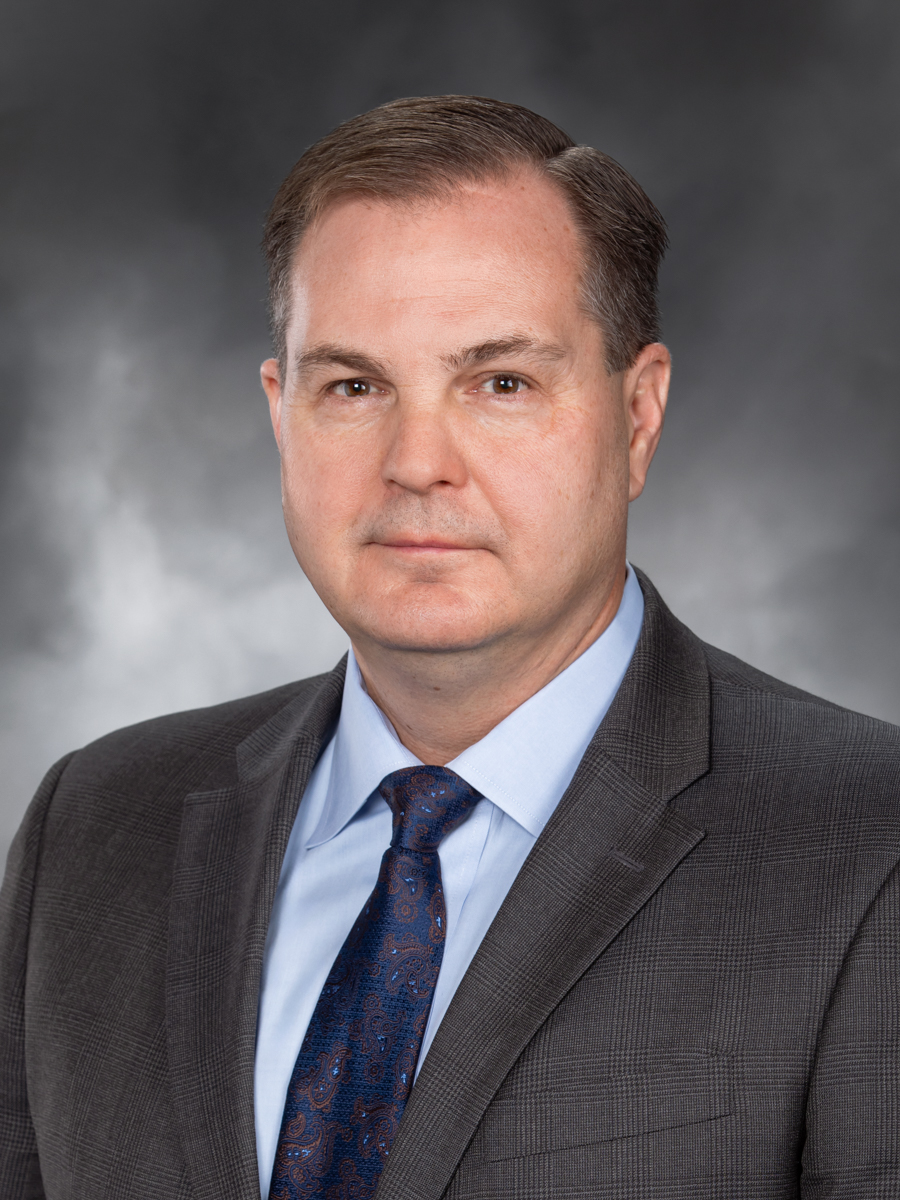
Jim McCune
15% support rate
Ranked legislators
10
5 support · 5 oppose
Key legislators

Who's moving environment in Washington

Legislators moving environment in Washington
Legislator Party Stance Support rate Votes
Zach Hall
Zach Hall House · District 5
D
Strong +
90% 46
Lisa Wellman
Lisa Wellman Senate · District 41
D
Strong +
88% 51
Drew Hansen
Drew Hansen Senate · District 23
D
Strong +
88% 51
Steve Conway
Steve Conway Senate · District 29
D
Strong +
88% 52
John Lovick
John Lovick Senate · District 44
D
Strong +
88% 52
Jim McCune
Jim McCune Senate · District 2
R
Strong −
15% 52
Drew MacEwen
Drew MacEwen Senate · District 35
R
Strong −
18% 52
Leonard Christian
Leonard Christian Senate · District 4
R
Strong −
18% 52
Ron Muzzall
Ron Muzzall Senate · District 10
R
Oppose
21% 52
John Braun
John Braun Senate · District 20
R
Oppose
21% 52
Showing 31–40 of 297 bills

All environment bills

in committee · Washington · Senate Jan 19, 2026

SB 6207: Maintaining hatchery production of salmonids.

SB 6207 requires Washington's Department of Fish and Wildlife to maintain current production levels of hatchery-raised salmon and other migratory fish (anadromous species), even if specific hatcheries close. It directly affects endangered or sensitive fish stocks that rely on hatchery programs for population support. The bill mandates that any lost production from a closed hatchery must be offset by increasing output at other operational facilities. This policy change ensures consistent hatchery support for fish populations despite potential budget constraints or facility closures. The law creates a new requirement under state fishery regulations.
Sub-Topics Wildlife
in committee · Washington · Senate Jan 23, 2026

SB 6004: Authorizing certain public entities to contract for the capability of renewable or nonemitting electric generation projects.

SB 6004 allows cities, towns, and public utilities in Washington to contract for the "capability" (future power generation capacity) of renewable or nonemitting energy projects, not just actual electricity output. It updates outdated laws by removing restrictions to specific "qualified alternative energy resources" and aligns with current clean energy definitions under the Washington Clean Energy Transformation Act. Key provisions require public entities to pay for contracted projects regardless of completion or output issues, and payments cannot be reduced due to project delays or performance. This bill directly affects local governments and public entities seeking to invest in new clean energy infrastructure to meet state climate goals.
in committee · Washington · House Jan 27, 2026

HB 2381: Concerning performance-based building codes for low-rise residential buildings.

HB 2381 creates a performance-based compliance pathway for low-rise residential buildings (1-6 stories, up to 24 units) in Washington, replacing rigid prescriptive building code requirements. It directs the State Building Code Council to develop a new appendix to the building code, allowing builders to demonstrate compliance through measurable performance standards (like structural safety or energy efficiency) instead of specific construction methods. This system enables reuse of certified designs across jurisdictions, reduces redundant permitting reviews, and aligns with existing energy and emissions programs. The bill directly affects builders, developers, and local building departments by streamlining approvals and supporting industrialized housing production to address the state's housing shortage.
in committee · Washington · Senate Feb 2, 2026

SB 6242: Granting counties authority to enter into a shared stewardship agreement.

SB 6242 allows Washington counties to enter shared stewardship agreements with federal agencies like the U.S. Forest Service to manage forestlands near roads for wildfire prevention. Specifically, counties can create "fuel breaks" (clear areas to stop wildfires) on federal land up to one mile on either side of roads, including highways. The bill requires these agreements to include revenue sharing, ensuring counties retain proceeds from timber sales conducted under the agreement. This policy change amends existing law (RCW 36.75.040) to explicitly grant counties this authority and revenue rights.
Sub-Topics Forestry Public Lands
in committee · Washington · House Jan 12, 2026

HB 2285: Concerning the use of carbon capture and utilization, mineralization, or sequestration technologies under the Washington clean energy transformation act.

HB 2285 amends Washington’s Clean Energy Transformation Act to allow electric utilities to count electricity from natural gas power plants using carbon capture, utilization, mineralization, or sequestration technology toward the state’s 2030 and 2045 clean energy targets. This directly affects utilities required to meet the 100% clean electricity standard by 2045 under the Act. The bill clarifies that carbon capture technologies can be used to offset emissions from natural gas generation, making such projects eligible for compliance. It responds to legislative findings about energy reliability needs during extreme weather and Washington’s potential for carbon storage. The policy change does not alter existing emissions limits but expands eligible resources for meeting clean energy goals.
in committee · Washington · House Jan 22, 2026

HB 2330: Establishing a prioritization process for capital funding for state campus district energy systems.

HB 2330 establishes a committee within the state department to create a scoring system that prioritizes capital funding for decarbonization projects at state campus energy systems (like university or community college facilities). It directly affects state agencies managing these campuses by requiring them to submit projects for review under new scoring criteria. Key provisions include a 13-member committee with diverse expertise (e.g., energy, labor, utilities) and a ranking process evaluating factors like long-term cost savings, greenhouse gas reductions, project readiness, and alignment with climate goals. The bill ensures funding is additive to existing budgets and aims to support compliance with Washington’s clean energy standards for state facilities.
in committee · Washington · House Jan 15, 2026

HB 2233: Reducing environmental impacts associated with bags provided to customers at retail establishments.

Washington State's HB 2233 prohibits retail stores from providing single-use plastic carryout bags made of film plastic (under 10 mils thick) starting January 1, 2021. Instead, stores must offer compliant paper bags containing recycled content or nonwood renewable fiber (like wheat straw), with a pass-through charge for these bags to encourage reusable bag use - exempting customers using state assistance programs. The bill directly affects retail establishments (including grocery stores, farmers markets, and online vendors) and their customers who purchase bags. Its goal is to reduce plastic waste, litter, marine pollution, and resource burdens by shifting to more sustainable bag options.
Sub-Topics Recycling
in committee · Washington · House Jan 20, 2026

HB 2581: Providing additional investment options for electric utilities under the 20 percent alternative compliance option of the clean energy transformation act's greenhouse gas neutral standard.

HB 2581 expands the options electric utilities can use to meet 20% of their greenhouse gas neutral compliance requirement under Washington’s Clean Energy Transformation Act. It allows utilities to count investments in specific projects - such as upgrading transmission systems, enabling distributed energy resources, installing EV charging infrastructure (including for low-income communities), and addressing transmission constraints - toward this 20% target. Each $1 million spent on these qualifying projects counts as 0.25% toward the utility’s compliance obligation. The bill applies directly to Washington’s retail electric utilities required to achieve greenhouse gas neutrality by 2030. It does not change the core requirement that 80% of electricity must come from renewable or nonemitting sources.
in committee · Washington · Senate Feb 26, 2026

SB 6233: Concerning penalties for sale of covered animal species.

SB 6233 makes it illegal to sell, trade, or distribute parts or products of covered animal species (like ivory or turtle shell) without specific exceptions. Exceptions include antique items over 100 years old (with less than 15% animal part), educational/scientific use, inheritance, or musical instruments containing minimal animal parts. Violations are classified as a gross misdemeanor for items under $250 or a class C felony for higher-value items ($250+), repeat offenses, or within five years of prior convictions. Convicted individuals must pay a $4,000 penalty (doubled for felonies), which funds wildlife enforcement and research at the University of Washington.
Sub-Topics Wildlife
in committee · Washington · House Jan 12, 2026

HB 2222: Restricting weather modification activities.

HB 2222 prohibits any activity that intentionally alters weather, climate, or atmospheric conditions within Washington State, including cloud seeding, stratospheric aerosol injections, or dispersing substances like nano-particulates. It directly affects entities conducting such activities - such as corporations, drones, aircraft, or other equipment operators - by banning these practices under penalty of felony charges (up to $1 million fines and 10 years in prison for repeat violations). The bill establishes a reporting system for the Department of Ecology to investigate violations and allows civil lawsuits to enforce compliance. Key provisions define "weather modification" broadly to cover technologies like 5G, lasers, or radar used for atmospheric manipulation. The bill repeals multiple existing statutes to implement these restrictions.
Showing 31 to 40 of 297 bills
Previous 1 3 4 5 30 Next