Issue · Environment

Environment (Waste Management)

Every environment bill, vote, and legislator stance in Washington, automatically classified by Maddy, our AI policy reader.

Total bills
24
2025-2026 Regular Session
Top supporter
Clyde Shavers
100% support rate
Top opponent
Gloria Mendoza
0% support rate
Ranked legislators
10
5 support · 5 oppose
Key legislators

Who's moving waste management in Washington

Legislators moving waste management in Washington
Legislator Party Stance Support rate Votes
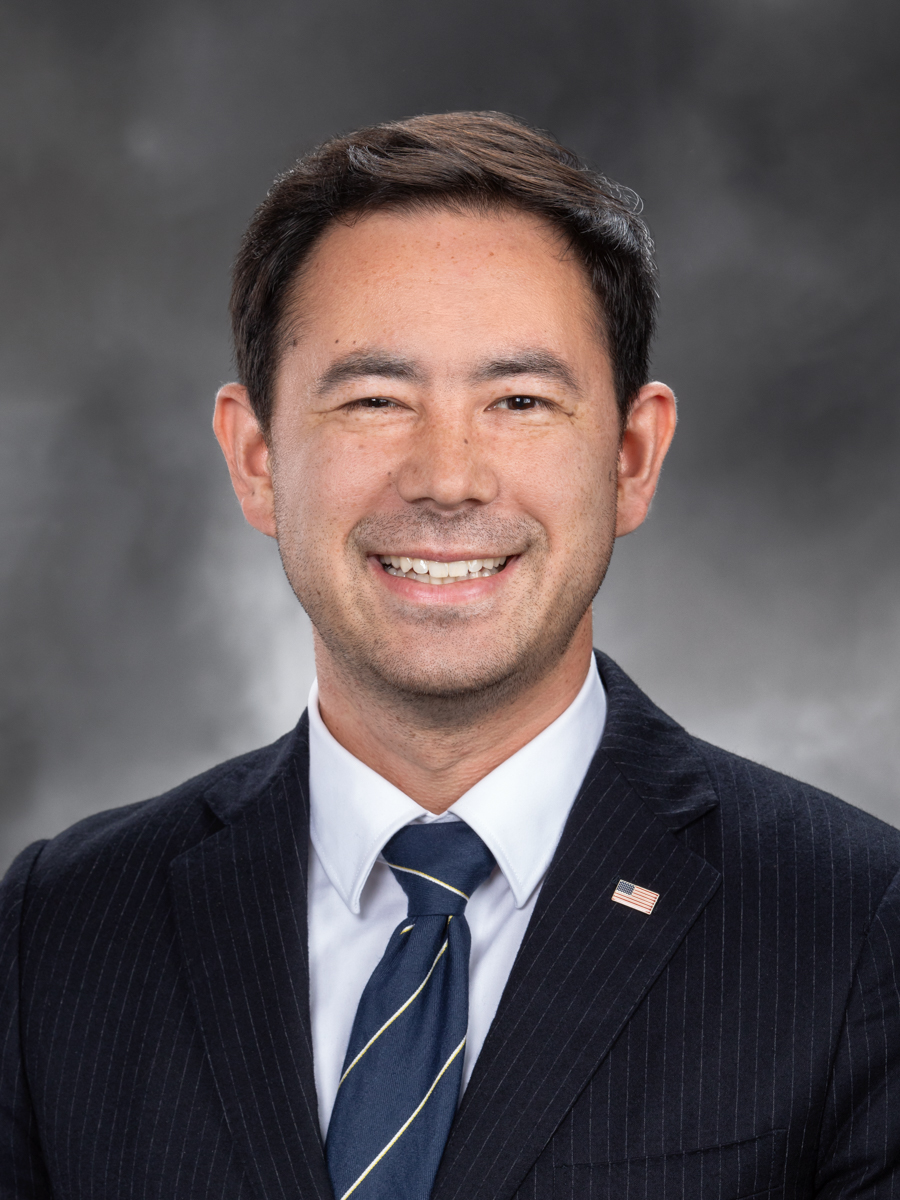
Clyde Shavers
Clyde Shavers House · District 10
D
Strong +
100% 25
Annette Cleveland
Annette Cleveland Senate · District 49
D
Strong +
100% 5
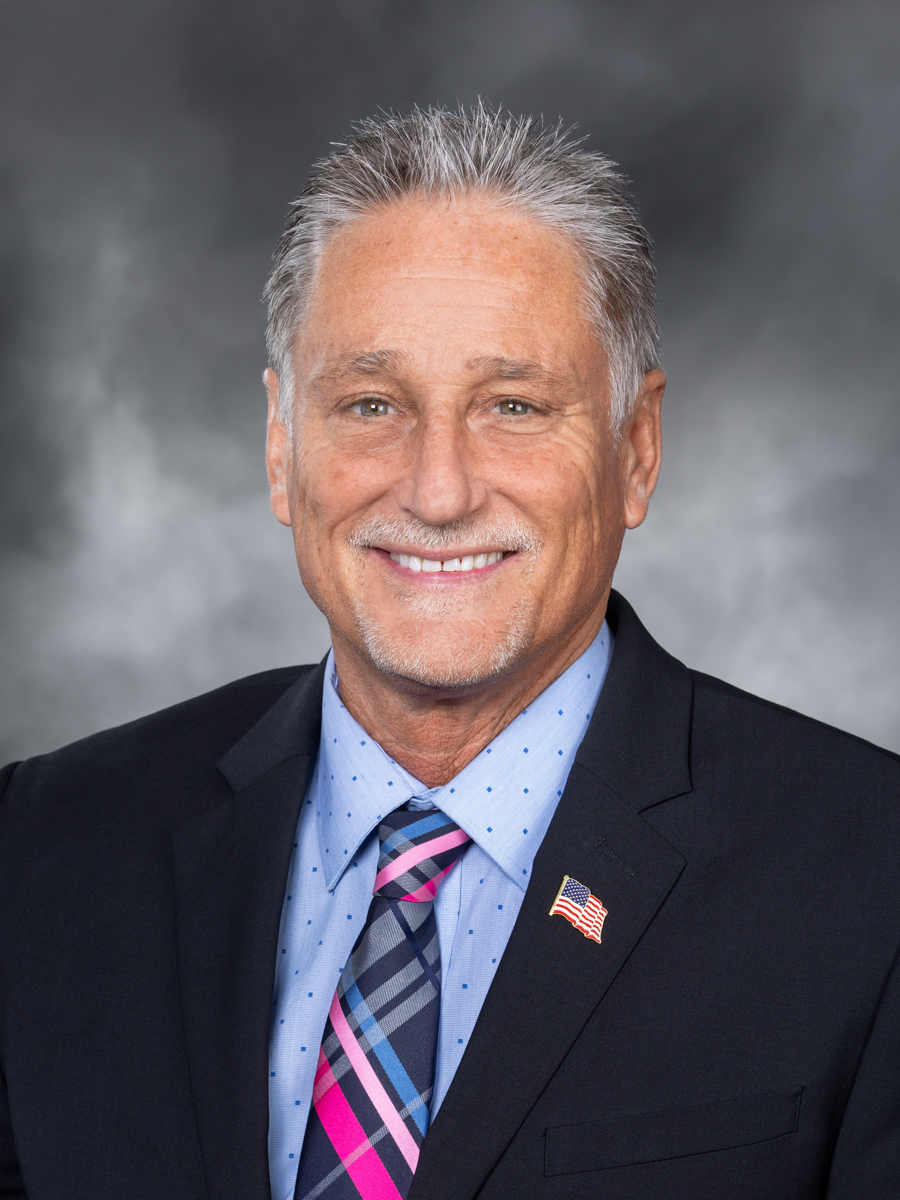
Bob Hasegawa
Bob Hasegawa Senate · District 11
D
Strong +
100% 5
Claire Wilson
Claire Wilson Senate · District 30
D
Strong +
100% 5
Derek Stanford
Derek Stanford Senate · District 1
D
Strong +
100% 5
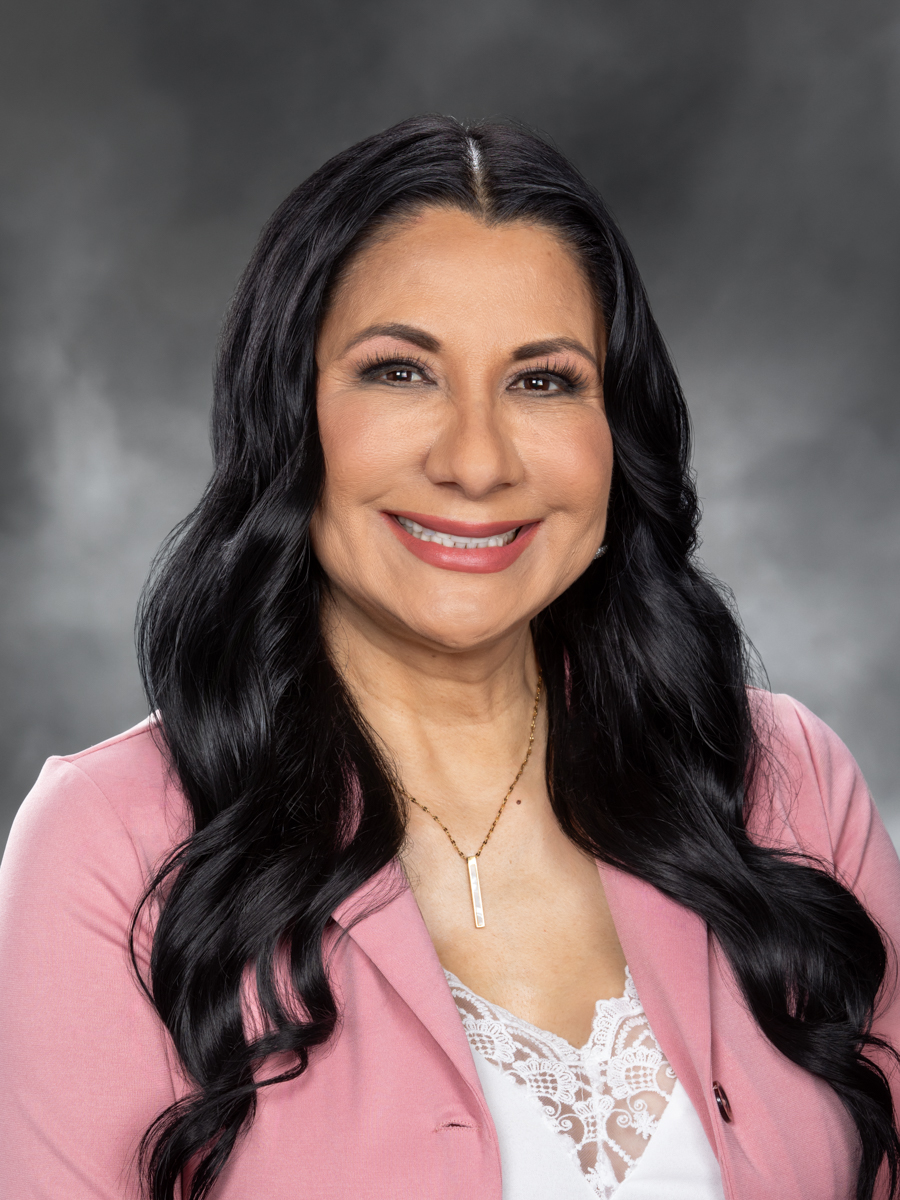
Gloria Mendoza
Gloria Mendoza House · District 14
R
Strong −
0% 6
Drew MacEwen
Drew MacEwen Senate · District 35
R
Strong −
0% 5
Jeff Wilson
Jeff Wilson Senate · District 19
R
Strong −
0% 5
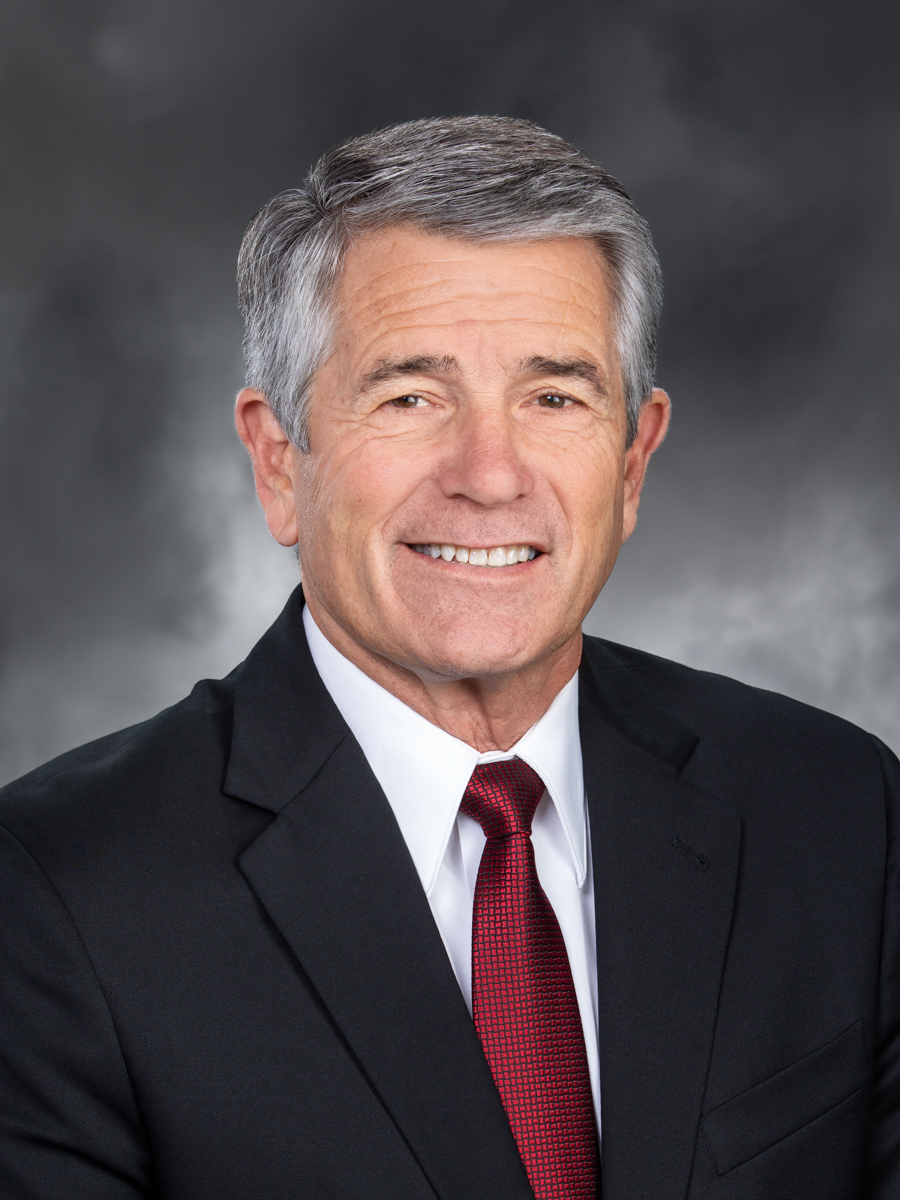
Jim McCune
Jim McCune Senate · District 2
R
Strong −
0% 5
Keith Goehner
Keith Goehner Senate · District 12
R
Strong −
0% 5
Showing 11–20 of 24 bills

All environment bills

in committee · Washington · House Jan 12, 2026

HB 1901: Concerning mattress producer responsibility organizations.

HB 1901 requires mattress manufacturers and importers to fund recycling programs to reduce landfill waste. It creates a system where producers pay for collection, recycling, and proper disposal of mattresses, directly affecting companies selling mattresses in Washington. The bill mandates "environmentally sound" recycling practices, prioritizing reuse and recycling over landfill disposal, and establishes producer responsibility organizations to manage these programs. This aims to cut illegal dumping, create recycling jobs, and capture materials like metal and foam for reuse, reducing landfill costs and emissions.
in committee · Washington · Senate Jan 12, 2026

SB 5703: Concerning fair treatment of municipal solid waste systems.

SB 5703 exempts Washington’s only waste-to-energy municipal solid waste facility from the state’s cap-and-invest program requirements. The bill adds a narrow exemption for this specific facility, based on a 2024 Ecology study finding it emits fewer greenhouse gases than landfill alternatives. It directly affects the county and city solid waste management program operating this facility by removing its emissions reporting obligations under the cap-and-invest program. The exemption applies to the facility’s emissions exceeding 25,000 metric tons of CO2 equivalent, aligning it with other covered entities under the program. This change ensures the facility is treated equally with other waste systems under the cap-and-invest framework.
Sub-Topics Waste Management
signed · Washington · House May 17, 2025

HB 1154: Ensuring environmental and public health protection from solid waste handling facility operations.

House Bill 1154 strengthens environmental and public health protections by modifying the permitting process for solid waste handling facilities. It requires the state Department of Ecology to review and approve permits for new or modified landfill facilities *before* local health departments can issue or renew them, a change effective August 1, 2027. For other solid waste handling facilities, the state Department will continue to review permits after local issuance and retains the ability to appeal. Additionally, the bill involves the Department of Agriculture in reviewing composting facilities that receive materials from quarantined areas to prevent the spread of diseases or pests.
Sub-Topics Waste Management
in committee · Washington · House Jan 12, 2026

HB 1712: Allowing the use of electricity generated by qualified biomass facilities in the Pacific Northwest to meet renewable resource requirements.

HB 1712 amends Washington state law to allow utilities to count electricity from qualified biomass facilities in the Pacific Northwest toward their renewable energy requirements under the Energy Independence Act. The bill defines "qualified biomass energy" as electricity generated from specific organic sources like wood byproducts, agricultural waste, and dedicated energy crops - excluding treated wood or municipal waste - provided the facility began operations before March 31, 1999, and is located in the Pacific Northwest. This change directly affects utilities required to meet renewable portfolio standards, expanding their eligible resource options. By including qualified biomass energy as a valid renewable source, the bill provides utilities with additional compliance pathways for state-mandated renewable energy goals.
signed · Washington · Senate May 17, 2025

SB 5284: Improving Washington's solid waste management outcomes.

Senate Bill 5284 aims to improve Washington's solid waste management and increase recycling rates, which have remained static. It establishes an extended producer responsibility program for consumer packaging and paper products. Under this program, producers are required to fund and manage the lifecycle of these materials, from design to end-of-life. The goal is to make convenient and affordable curbside recycling more widely available to residents, particularly those in rural and multifamily areas, by building upon existing waste and recycling infrastructure.
in committee · Washington · House Jan 30, 2026

HB 2018: Concerning solid waste and establishing the local government solid waste assistance account.

HB 2018 gradually increases a tax on solid waste services from 3.6% to 6.1% over five years (starting in 2026), with the additional revenue (above 3.6%) directed into a new Local Government Solid Waste Assistance Account. This account funds eligible counties and cities to implement their solid waste management plans, as required by state law. Funds are distributed equally to all counties (50%) and proportionally based on population to cities (50%). The bill directly affects residents paying solid waste fees and local governments receiving funding for waste management programs.
in committee · Washington · Senate Jan 12, 2026

SB 5058: Implementing strategies to achieve higher recycling rates within Washington's existing solid waste management system.

SB 5058 aims to increase Washington's recycling rate for packaging to 65% by implementing specific strategies within the state's current waste management system. It requires a statewide list of accepted recyclable materials to reduce confusion and contamination, mandates a needs assessment to identify necessary investments, and expands requirements for manufacturers to use postconsumer recycled content in packaging and paper products. The bill directly affects residents (through standardized curbside recycling services), manufacturers (via new recycled content rules), and local governments (which retain authority over collection systems). It maintains existing public-private partnerships and does not alter local government roles in managing recycling services.
in committee · Washington · House Jan 12, 2026

HB 1236: Increasing penalties for littering.

HB 1236 increases penalties for littering in Washington State by creating tiered fines: a class 2 civil infraction for ≤1 cubic foot, a misdemeanor for 1-10 cubic yards, and a gross misdemeanor for >10 cubic yards. Offenders must pay restitution equal to 4x cleanup costs for misdemeanors or 2x for gross misdemeanors, with funds distributed to landowners and law enforcement. The bill also establishes a littering solutions task force under the Department of Ecology, requiring input from state agencies, counties, and industry groups (like waste management, retail, and tourism) to develop recommendations by November 2026. The task force must address specific issues like cigarette butts, road cleanup costs, and reducing litter at public sites such as parks and roadways.
in committee · Washington · House Jan 12, 2026

HB 1150: Improving Washington's solid waste management outcomes.

HB 1150 requires producers of consumer packaging and paper products to fund and manage recycling programs, shifting responsibility from taxpayers to manufacturers. It aims to improve recycling access - especially for rural residents and multi-family housing - by mandating producer-funded curbside collection systems and setting statewide collection and composting targets. The bill defines "covered materials" (like plastic, paper, metal packaging) and exempts certain items (e.g., infant formula packaging), while creating an advisory council to oversee implementation. Producers must meet specific collection rate goals, with smaller businesses qualifying for de minimis exemptions based on revenue thresholds. The law preserves local government authority over waste management but requires producers to integrate into existing recycling infrastructure.
in committee · Washington · House Jan 12, 2026

HB 1071: Implementing strategies to achieve higher recycling rates within Washington's existing solid waste management system.

HB 1071 aims to increase Washington's recycling rate to 65% for packaging by requiring producers to use more recycled content in their products and establishing a single statewide list of accepted recyclable materials to reduce confusion. It mandates a state-specific needs assessment to identify funding and infrastructure needs, addresses contamination in recycling streams, and expands recycled content requirements for packaging and paper products. The bill directly affects manufacturers (producers) of packaging and paper goods, as well as local governments managing curbside recycling programs. Key provisions include standardizing what can be recycled across the state, studying non-recyclable packaging labels, and ensuring equal access to affordable recycling services. The legislation builds on Washington's existing recycling infrastructure while targeting greenhouse gas reductions in the solid waste sector.
Showing 11 to 20 of 24 bills