Issue · Environment

Environment

Every environment bill, vote, and legislator stance in Washington, automatically classified by Maddy, our AI policy reader.

Total bills
297
2025-2026 Regular Session
Top supporter
Zach Hall
90% support rate
Top opponent
Jim McCune
15% support rate
Ranked legislators
10
5 support · 5 oppose
Key legislators

Who's moving environment in Washington

Legislators moving environment in Washington
Legislator Party Stance Support rate Votes
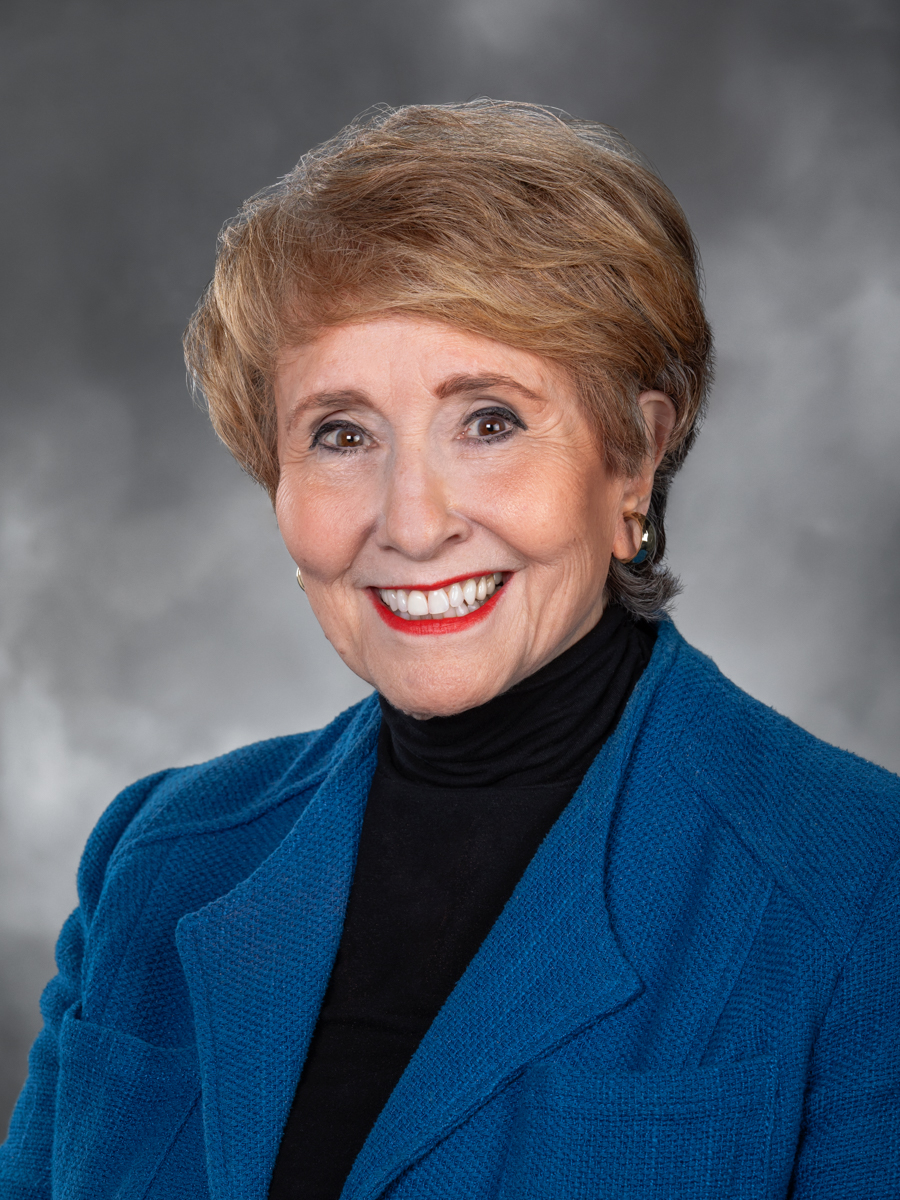
Zach Hall
Zach Hall House · District 5
D
Strong +
90% 46
Lisa Wellman
Lisa Wellman Senate · District 41
D
Strong +
88% 51
Drew Hansen
Drew Hansen Senate · District 23
D
Strong +
88% 51
Steve Conway
Steve Conway Senate · District 29
D
Strong +
88% 52
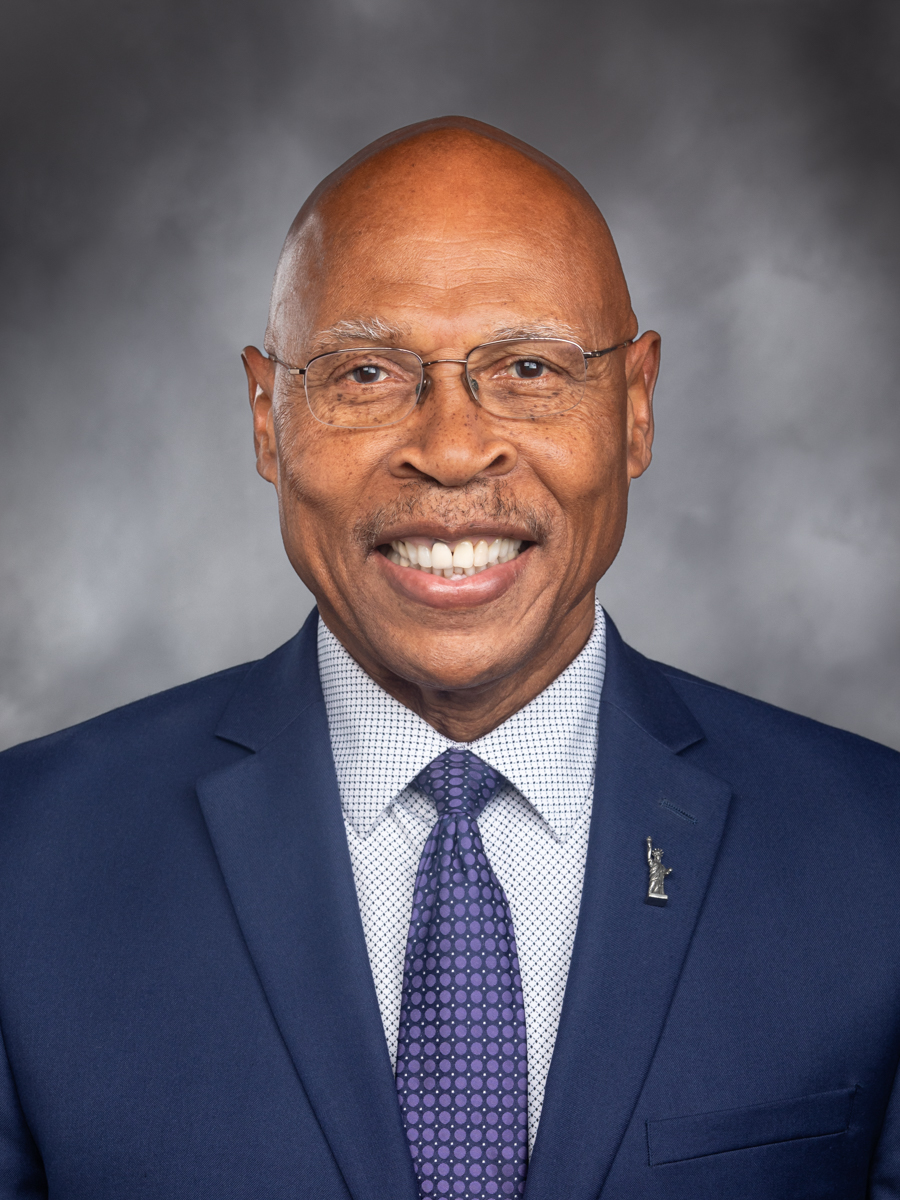
John Lovick
John Lovick Senate · District 44
D
Strong +
88% 52
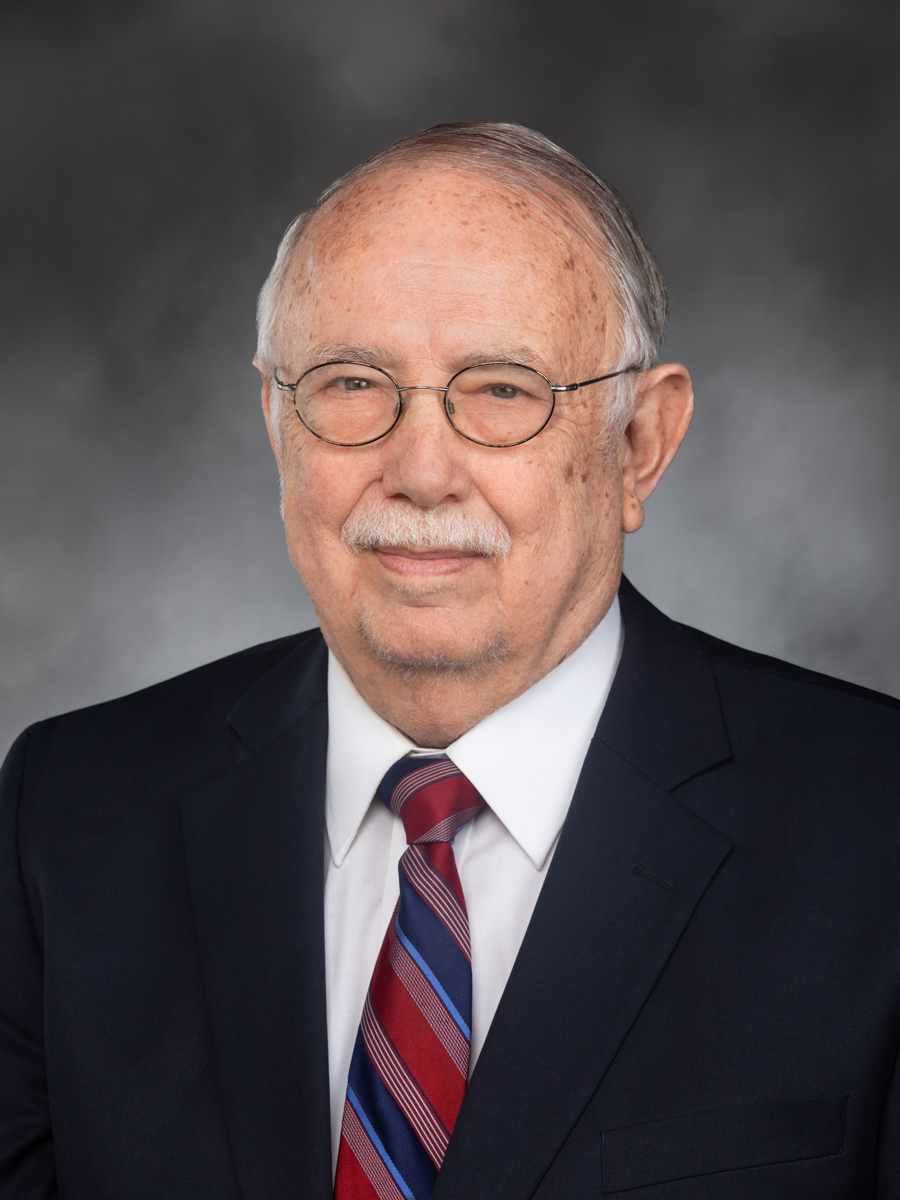
Jim McCune
Jim McCune Senate · District 2
R
Strong −
15% 52
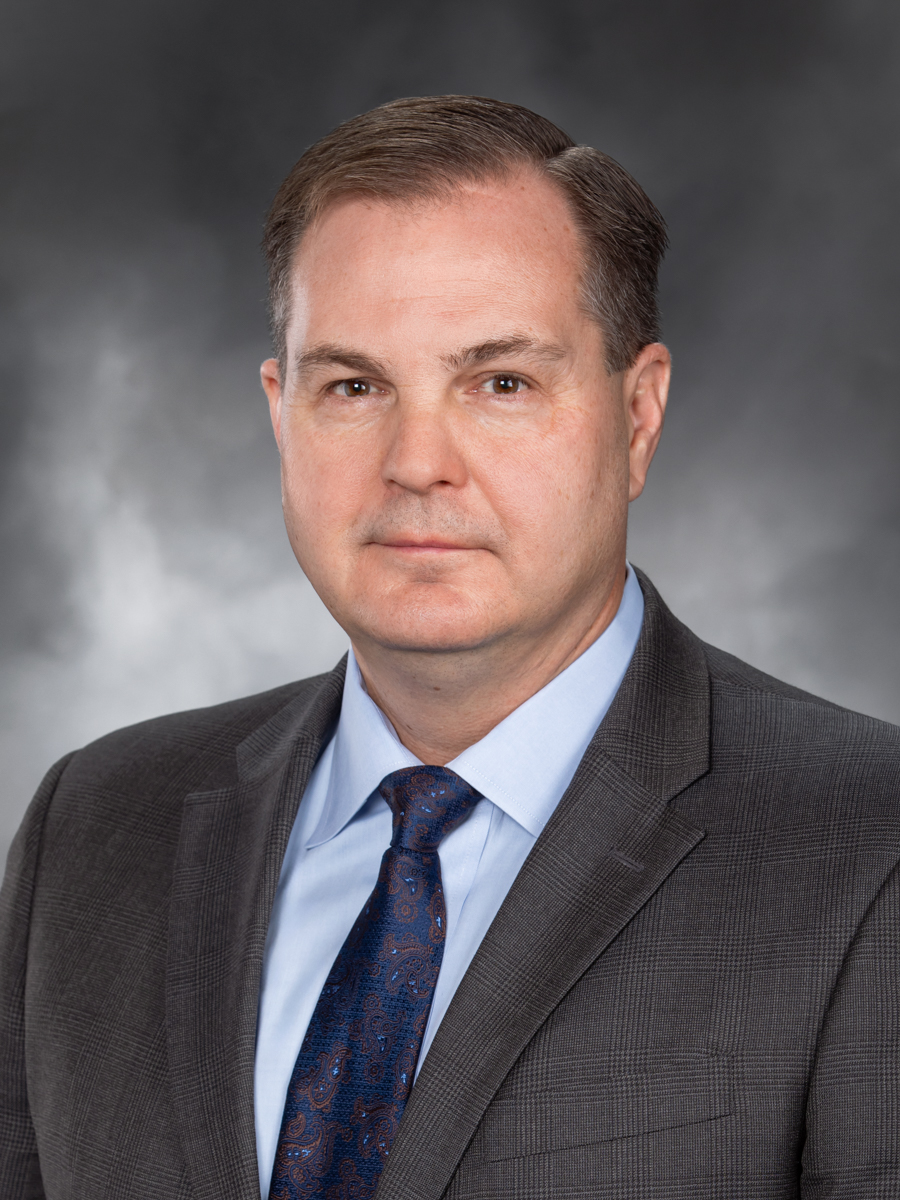
Drew MacEwen
Drew MacEwen Senate · District 35
R
Strong −
18% 52
Leonard Christian
Leonard Christian Senate · District 4
R
Strong −
18% 52
Ron Muzzall
Ron Muzzall Senate · District 10
R
Oppose
21% 52
John Braun
John Braun Senate · District 20
R
Oppose
21% 52
Showing 171–180 of 297 bills

All environment bills

in committee · Washington · Senate Jan 12, 2026

SB 5703: Concerning fair treatment of municipal solid waste systems.

SB 5703 exempts Washington’s only waste-to-energy municipal solid waste facility from the state’s cap-and-invest program requirements. The bill adds a narrow exemption for this specific facility, based on a 2024 Ecology study finding it emits fewer greenhouse gases than landfill alternatives. It directly affects the county and city solid waste management program operating this facility by removing its emissions reporting obligations under the cap-and-invest program. The exemption applies to the facility’s emissions exceeding 25,000 metric tons of CO2 equivalent, aligning it with other covered entities under the program. This change ensures the facility is treated equally with other waste systems under the cap-and-invest framework.
Sub-Topics Waste Management
in committee · Washington · House Jan 12, 2026

HB 1015: Concerning energy labeling of residential buildings.

HB 1015 requires cities and counties in Washington to mandate home energy performance reports before residential properties (like single-family homes and townhouses) are advertised for sale. The reports, valid for eight years, must include a U.S. Department of Energy home energy score, annual energy costs, greenhouse gas emissions estimates, and efficiency improvement recommendations. Local governments must first assess financial impacts on low-income sellers and implement cost-mitigation programs before enforcing the requirement. The bill also directs the Department of Commerce to create a standardized report format by November 2025.
Sub-Topics Climate Change
signed · Washington · House May 17, 2025

HB 1154: Ensuring environmental and public health protection from solid waste handling facility operations.

House Bill 1154 strengthens environmental and public health protections by modifying the permitting process for solid waste handling facilities. It requires the state Department of Ecology to review and approve permits for new or modified landfill facilities *before* local health departments can issue or renew them, a change effective August 1, 2027. For other solid waste handling facilities, the state Department will continue to review permits after local issuance and retains the ability to appeal. Additionally, the bill involves the Department of Agriculture in reviewing composting facilities that receive materials from quarantined areas to prevent the spread of diseases or pests.
Sub-Topics Waste Management
in committee · Washington · Senate Jan 12, 2026

SB 5438: Reducing greenhouse gas emissions associated with hydrofluorocarbons.

SB 5438 limits the sale of high-impact refrigerants in Washington by phasing out virgin hydrofluorocarbons (HFCs) with global warming potential above 2,200 by 2027, 1,500 by 2030, and 750 by 2033. It requires state agencies to use reclaimed refrigerants for maintenance and establishes a task force to study transition strategies for HVAC and refrigeration businesses. The bill directly affects businesses selling, distributing, or using HFCs in cooling systems, promoting climate-friendly alternatives and reclaimed refrigerant use. It includes temporary exemptions for technical challenges but mandates a 2027 report on implementation progress.
Sub-Topics Climate Change
in committee · Washington · House Jan 12, 2026

HB 1712: Allowing the use of electricity generated by qualified biomass facilities in the Pacific Northwest to meet renewable resource requirements.

HB 1712 amends Washington state law to allow utilities to count electricity from qualified biomass facilities in the Pacific Northwest toward their renewable energy requirements under the Energy Independence Act. The bill defines "qualified biomass energy" as electricity generated from specific organic sources like wood byproducts, agricultural waste, and dedicated energy crops - excluding treated wood or municipal waste - provided the facility began operations before March 31, 1999, and is located in the Pacific Northwest. This change directly affects utilities required to meet renewable portfolio standards, expanding their eligible resource options. By including qualified biomass energy as a valid renewable source, the bill provides utilities with additional compliance pathways for state-mandated renewable energy goals.
signed · Washington · House Mar 23, 2026

HB 1302: Concerning utility connection charge waivers.

HB 1302 allows local governments that operate municipal utilities to waive connection charges for public or private organizations utilizing industrial symbiosis. Industrial symbiosis involves collaboration among businesses to exchange materials, energy, and byproducts to optimize resource use and enhance environmental and economic outcomes. This bill aims to encourage the development and use of sustainable technologies and promote resiliency. It specifies that waived charges must be funded through general funds, grants, or other revenue streams, and maintains existing provisions for waiving charges for affordable housing providers.
Sub-Topics Recycling
in committee · Washington · Senate Jan 12, 2026

SB 5354: Providing flexibility for the department of fish and wildlife to collaborate with local governments to manage gray wolves.

SB 5354 allows counties in Washington to stop treating gray wolves as state-endangered when specific population thresholds are met (15 statewide breeding pairs for 3 years and at least 3 breeding pairs locally). Once these criteria are satisfied, counties must notify the Department of Fish and Wildlife and enter into collaborative agreements with the department, tribes, and local stakeholders to co-manage wolves through regional plans. These plans must address livestock protection, minimize lethal wolf control, improve compensation for livestock losses, and maintain stable wolf populations. The bill directly affects rural counties, ranchers, tribes, and wildlife management, shifting wolf management from state-led to localized, cooperative efforts while preserving recovery goals.
Sub-Topics Wildlife
in committee · Washington · Senate Jan 12, 2026

SB 5479: Providing tax relief for certain incidental uses on open space land.

SB 5479 clarifies that certain incidental uses - like wetlands preservation - on agricultural land do not disqualify the land from tax relief, as long as these uses don’t exceed 20% of the classified land. It affects Washington farmers and landowners who qualify as "farm and agricultural land" under existing tax classification rules. The bill amends definitions to explicitly include compatible incidental activities (e.g., habitat protection) alongside farming operations, ensuring these uses don’t trigger higher property taxes. This change prevents unintended tax increases for landowners maintaining conservation practices integral to farming. The bill is currently pending in the Senate Ways & Means Committee.
Sub-Topics Conservation
in committee · Washington · Senate Jan 12, 2026

SB 5236: Concerning emissions of greenhouse gases used for anesthetic purposes.

Washington's SB 5236 requires the Department of Ecology to study emissions from medical anesthetic gases like sevoflurane, desflurane, and nitrous oxide - potent greenhouse gases used in hospitals, dental offices, and veterinary practices - by July 2026. It mandates developing public guidance by April 2027, consulting health departments and medical groups, to help facilities reduce emissions without restricting clinical judgment for patient safety. Facilities must follow this guidance by January 2028, though the bill explicitly states no penalties will apply for non-compliance. The law focuses on voluntary adoption of best practices, referencing efforts in Scotland and medical associations, while ensuring medical professionals retain authority over patient care decisions.
in committee · Washington · House Jan 14, 2026

HB 1311: Concerning the implementation of the recommendations of the department of fish and wildlife regarding the gray wolf.

HB 1311 changes the regulatory status of gray wolves in Washington from "endangered" to "sensitive" under state wildlife law. This directly affects gray wolves by prohibiting hunting and harassment while prioritizing their conservation, as the "sensitive" classification requires cooperative management and protection under existing law. The bill amends state code to implement the Department of Fish and Wildlife’s 2024 recommendation, maintaining current protections without allowing hunting. The status must be reviewed within two years, and wolves cannot revert to "endangered" unless population declines below current levels. This is a procedural change to wildlife classification, not a new hunting regulation.
Sub-Topics Conservation Wildlife
Showing 171 to 180 of 297 bills
Previous 1 17 18 19 30 Next